

`connecting-rod` Related Article Results
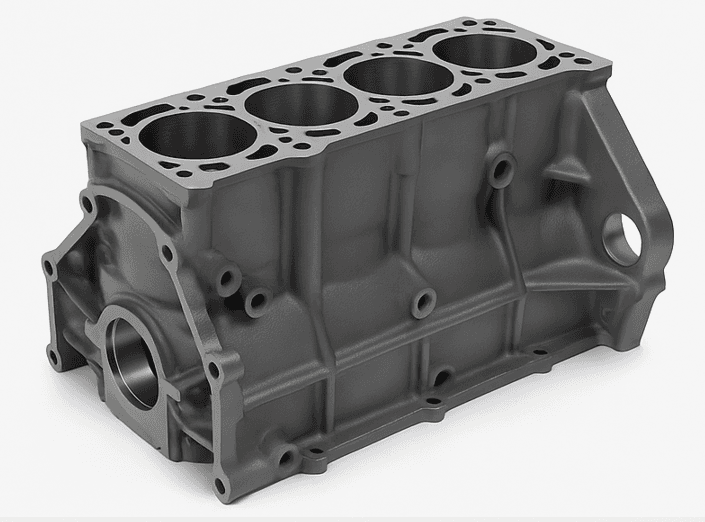
Cylinder Block (Engine Block)
The cylinder block serves as the foundational component of internal combustion engines. This piece, which provides the engine’s structural integrity, houses the cylinders and many essential components required for engine operation. Generally manufactured from cast iron or aluminum alloys, it is designed to withstand high temperatures and pressures. The cylinder block fulfills the role of a body that supports the pistons, crankshaft, valves, and various auxiliary systems. This building plays a cr
EN
Elyesa Köseoğlu
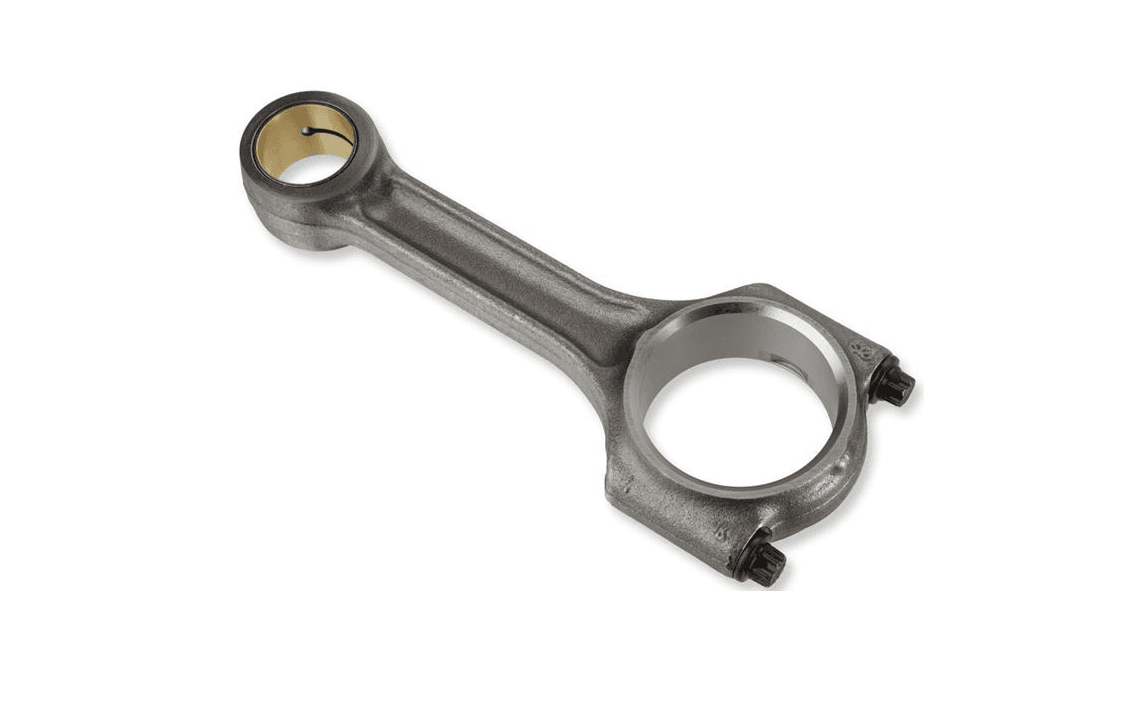
Connecting Rod
The connecting rod is a fundamental component in internal combustion engines that transmits motion and force between the piston and the crankshaft via force and movement. It converts the linear reciprocating motion of the piston in the engine cylinder into rotational motion of the crankshaft. Therefore, the connecting rod plays a vital role in the operation of the engine’s internal mechanics and in transferring the energy that propels the vehicle. Structural Features A connecting rod primarily c
ENElyesa Köseoğlu
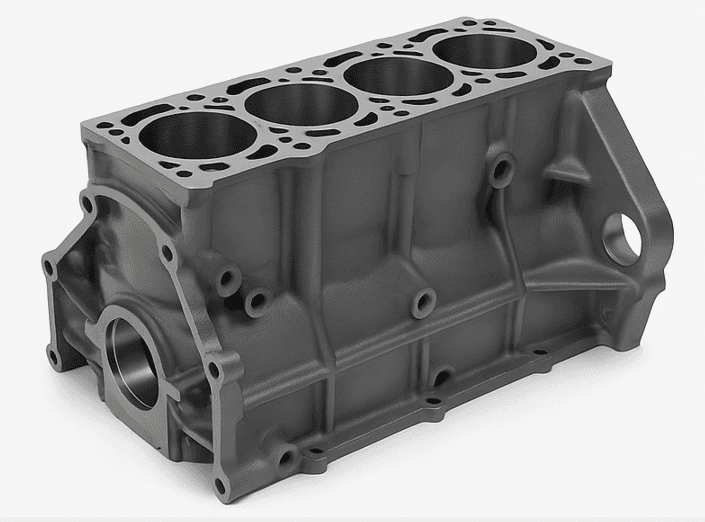
Cylinder Block (Engine Block)
The cylinder block is the fundamental component of internal combustion engines. This part provides the structural integrity of the engine and houses the cylinders along with many essential components required for engine operation. Generally manufactured from cast iron or aluminum alloys, it is designed to withstand high temperatures and pressures. The cylinder block serves as a housing that accommodates the pistons, crankshaft, valves, and various auxiliary systems. This structure plays a critic
ENElyesa Köseoğlu