
`civilization` Related Article Results
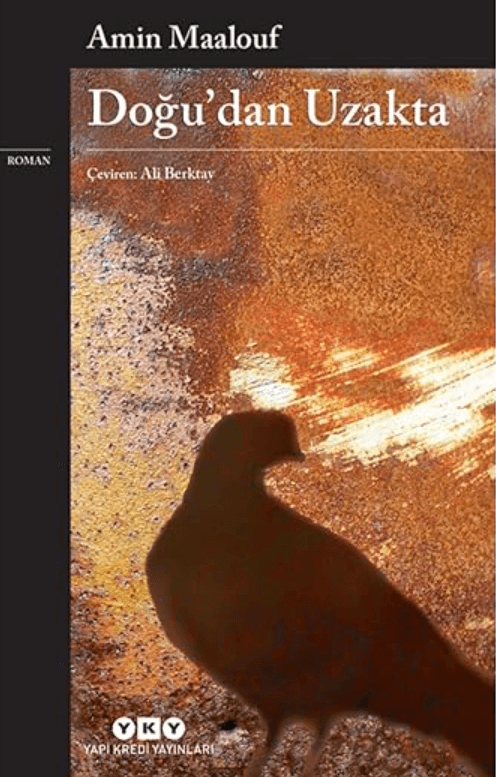
Far to the East (Book)
Amin Maalouf's novel "Far from the East" tells the story of a group of friends scattered across different countries after the Lebanon Civil War who reunite years later for the funeral of their old friend Murad and confront their shared past in the process. Roman delves into the depths of individual and collective memory to reveal the lasting impact of war on people and their relationships. Far from the East " image-alternate="" image-element-format="right"> Book Content Return Home and Confro
EN
Ahsen Karakaş
 Li
LiLight Comes from the East (Book)
Cemil Meriç’s Light work Işık Doğudan Gelir is a book that examines the worlds of East and West thought, comparing the cultural and intellectual legacies of these two civilizations. First published in 1984, the book draws attention for Meriç’s admiration of Eastern civilization and his critiques of Western claims to intellectual superiority. Work invites the reader to explore the depth of Eastern wisdom, spirituality and insight, while also discussing the impact of Western scientific and technol
ENAhsen Karakaş
FrFrom Nomadism to Civilization (Book)
Cemil Meriç’s work From Umran to Civilization, thought, is a magnum opus that has left deep imprints on our world, offering an in-depth examination of the concepts of civilization, culture and history. First published in 1974, this work is a study in which Meriç interrogates the relationship between cultures and civilizations and analyzes the processes of society important. Author draws inspiration from Ibn Khaldun to employ the concept of umran and treats civilization as one of the fundamental
ENAhsen Karakaş
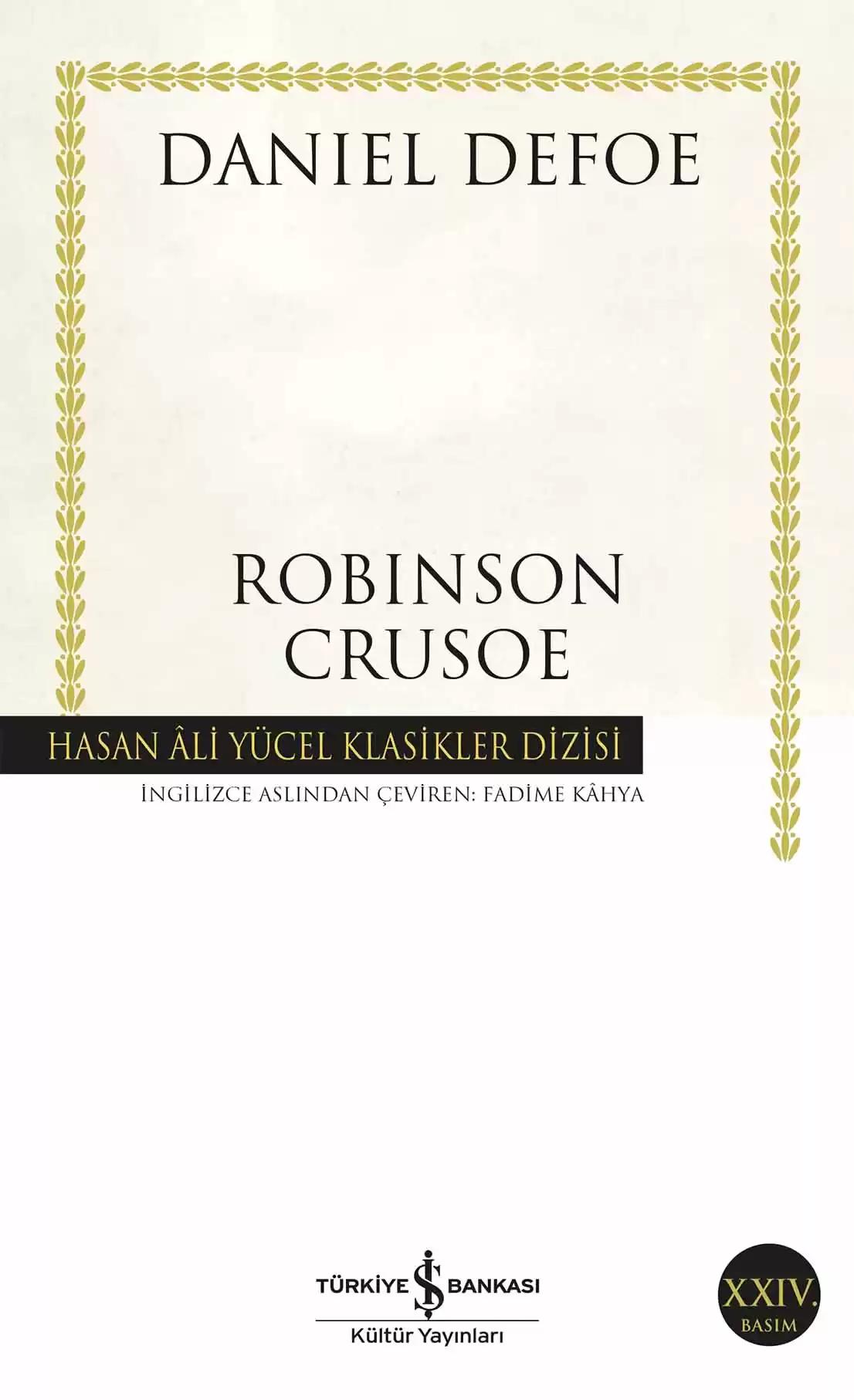
Robinson Crusoe (Book)
Robinson Crusoe is a novel written by the English author Daniel Defoe and first published in 1719. Regarded as the first modern English novel in literary history, the work narrates the struggle for survival of a solitary man on a deserted island. Inspired by real events that befell a seafarer, the novel explores themes such as individuality, civilization, faith, and the relationship between humans and nature. It has generated significant cultural resonance beyond literature and has been translat
EN
Emirhan Fındık

Principles of Turkism (Book)
The Principles of Turkism is a theoretical and practical manifesto of nationalism, written by Ziya Gökalp, which redefines the cultural, social, and political identity of the Turkish nation with the goal of modernization. First published in 1923, this work played a significant role in the ideological construction of the Republic of Türkiye and contributed to the intellectual foundations of some of the reforms during the Atatürk era. Ziya Gökalp’s work The Principles of Turkism is a comprehensive
EN
Mehmet Salih Çoban
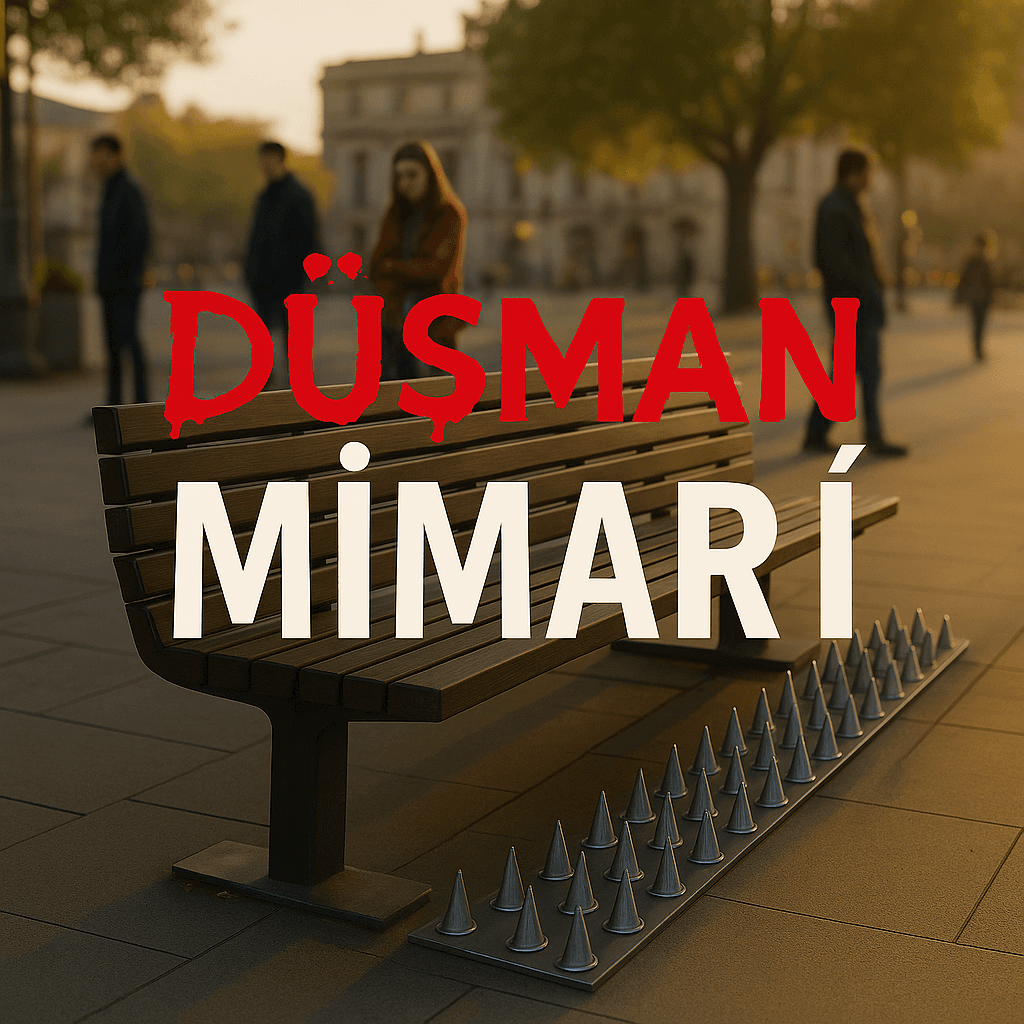
Enemy Architecture
Exclusionary Architecture (Hostile Architecture) is an urban design strategy that deliberately restricts and controls the use of urban and public spaces for specific groups and behaviors. Hostile architecture is regarded as one of the most visible tools for implementing social exclusion. Public spaces in modern cities are not only assessed for their architectural aesthetics but also as physical manifestations of social relations, power dynamics, and societal priorities. In this context, hostile
EN
Yahya B. Keskin
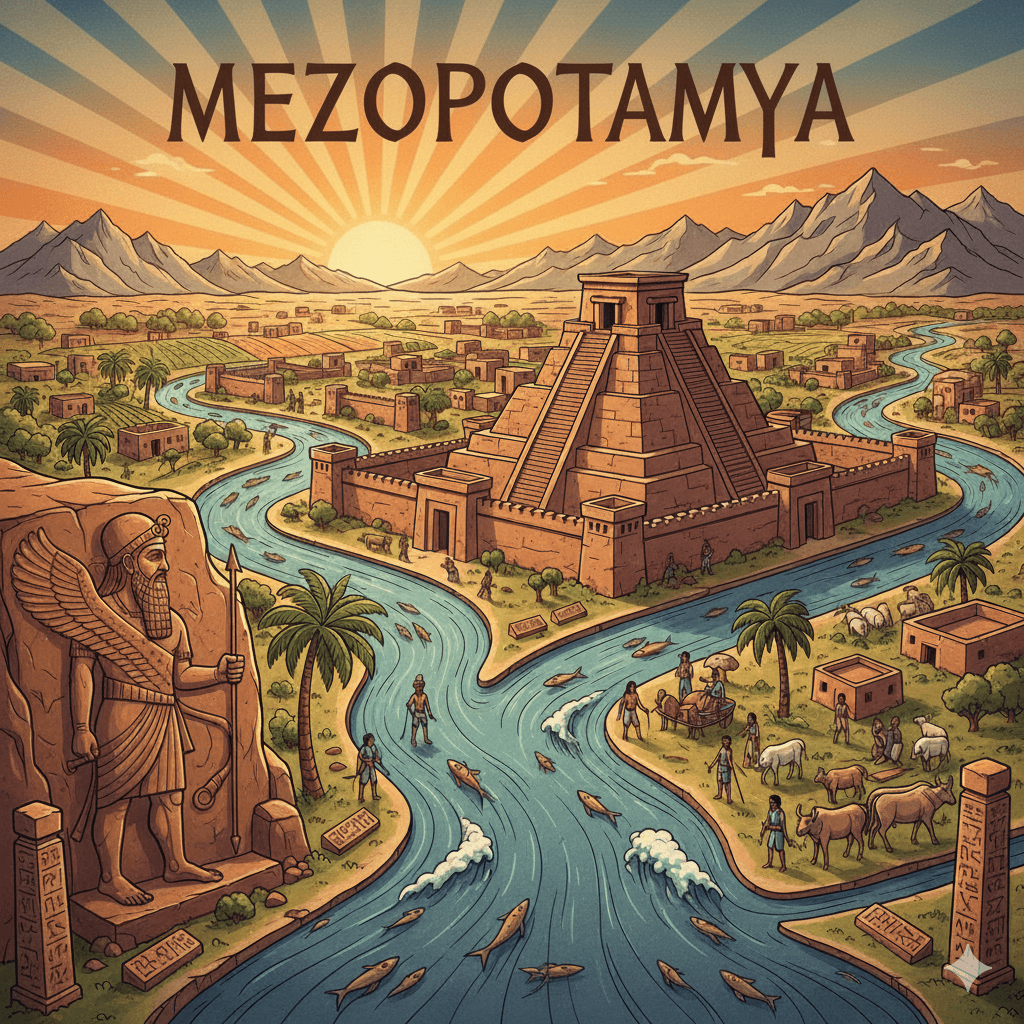
Cradle of Civilizations: Mesopotamia
Mesopotamia derives its name from the Tigris and Euphrates rivers. This region, meaning “land between two rivers,” is where humanity’s earliest civilizations emerged. Today, these lands extend as far as Iraq, Syria, and southeastern Türkiye. In Türkiye, the provinces of Şanlıurfa, Adıyaman, Gaziantep, Diyarbakır, Batman, Siirt, and Mardin are considered part of the Mesopotamian cultural region. The rich historical remains found in these areas reveal the earliest steps of civilization in Anatolia
EN
Nida Öztürkmen
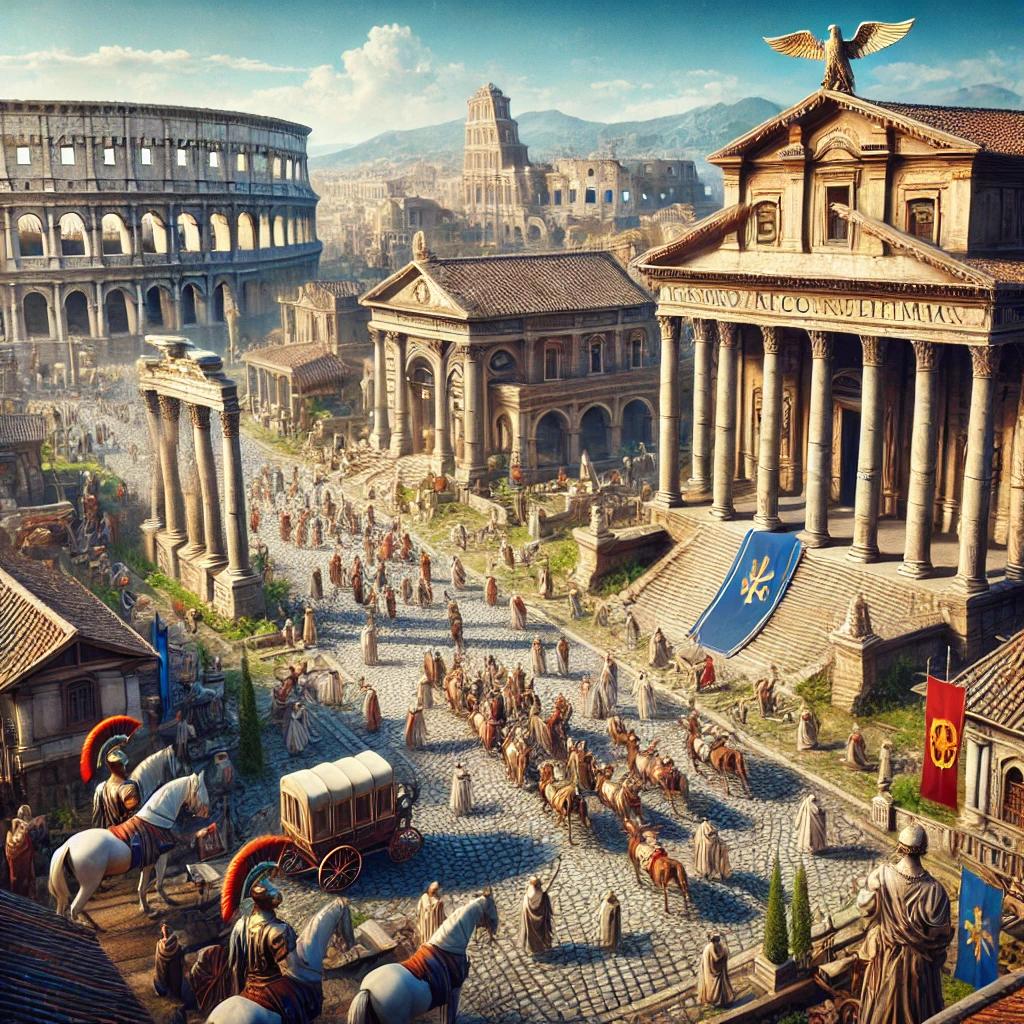
Some Words About the Roman Empire
Throughout history, humanity has established many great states and empires. Yet among them, the Roman Empire stands out as one of the world’s most distinguished, particularly in terms of continuity and institutional strength. While the empire of Genghis Khan may first come to mind as the “largest empire,” Rome carved out a unique place in history not through its territorial extent, but through its durability, legal system, cultural diversity, and capacity for integration. Rome’s long lifespan li
EN
Mustafa Cem İnci
Do We Have a Philosophy of Technology?
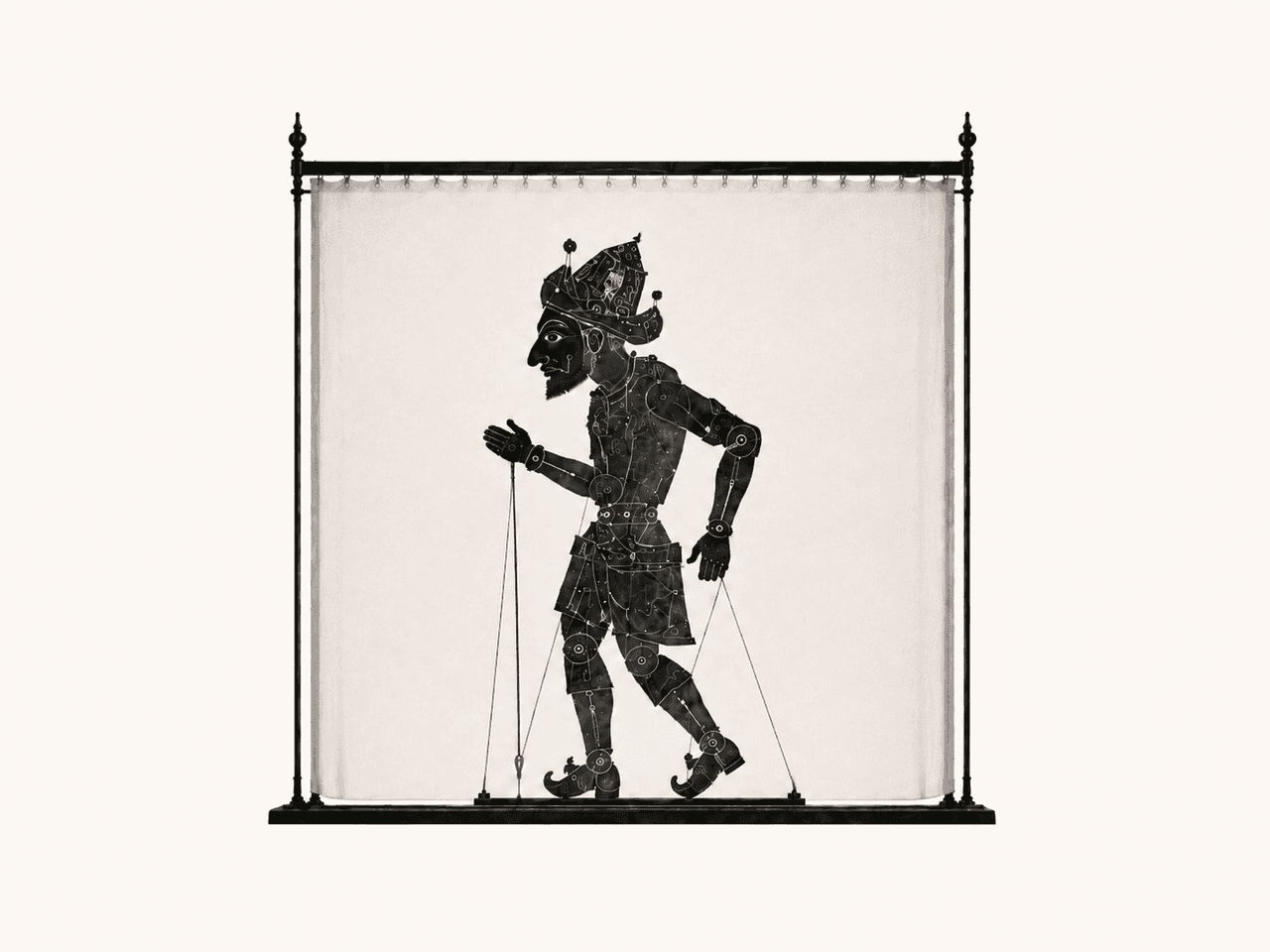
Today, talking about technology is no longer merely about new devices, software, applications, or artificial intelligence models. Technology has become a vast environment that transforms how humans think, learn, work, remember, make decisions, and even determine what they accept as real. Therefore, the question of technology cannot be confined to the domain of engineers, entrepreneurs, or investors. Technology is now directly and fundamentally a question of humanity, society, knowledge, truth, a
EN
Ali Ömer Yurddaş

The "Fire" of Gaza Affected Us All
The Qur’an-ı Kerim states, as commanded by Allah (c.c.): “Do not sit with the wrongdoers, lest the fire also consume you; since you have no friends other than Allah, you will find no help from any quarter!” (Hûd/113)【1】 It is known that between October 2023 and May 2025, more than 50,000 children in Gaza were killed or injured.【2】 Official institutions report that by the end of 2025, more than 171,000 Palestinians had been injured and approximately 11,000 people were still missing, presumed trap
ENNida Öztürkmen