

`church-architecture` Related Article Results
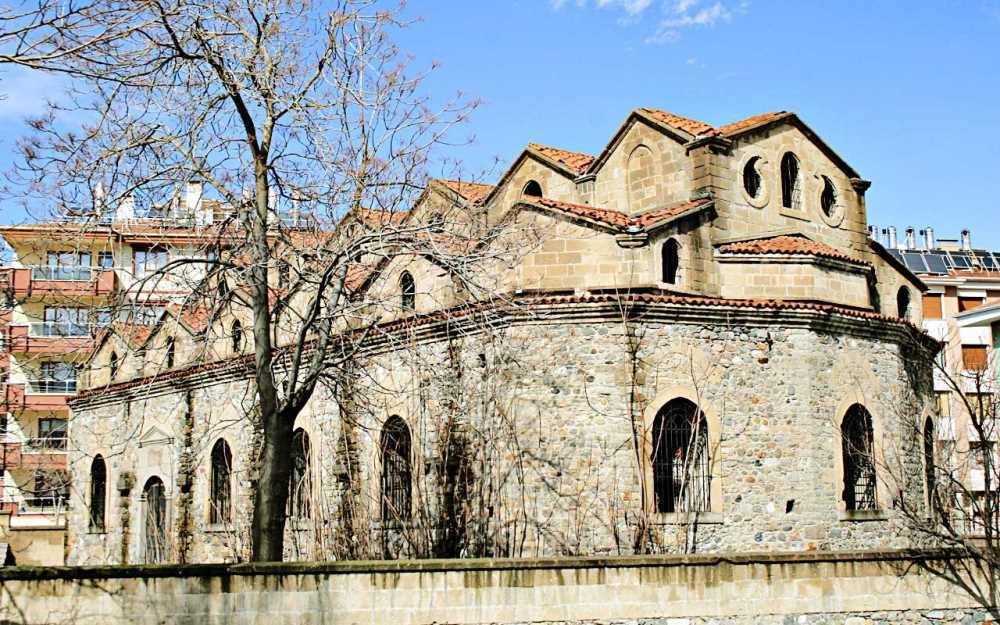
Church of Aya Baniya (Aya Payana)
The structure located in the Turan Neighborhood of Isparta is believed to have been constructed in the 1750s and is an Orthodox church. Although dated to the Late Ottoman period the building has entrance doors on its north west and east sides. History The structure is generally accepted to have been built in the middle of the 18th century around the 1750s.【1】 It functioned as an Orthodox church during the Late Ottoman period. Although dated to the 18th century its architectural plan continues th
EN
Özlem Çetin
 By
ByByzantine Architecture
Byzantine architecture is an architectural tradition that transformed both public and sacred spaces through structures imbued with technical skill and symbolic meaning, reflecting the cultural political and religious identity of the Eastern Roman Empire. This architectural style began to take shape after 330 CE when Emperor Constantine declared Constantinople (Istanbul) the imperial capital. Byzantine architects inherited the spatial organization and construction techniques of Roman architecture
EN
Esra Özkafa
ByByzantine Architecture
Byzantine architecture is an architectural tradition that transformed both public and sacred spaces through structures imbued with technical skill and symbolic meaning, reflecting the cultural, political, and religious identity of the Eastern Roman Empire. This architectural style began to take shape with the declaration of Constantinople (Istanbul) as the imperial capital in 330 by the Roman Emperor Constantine. Byzantine architects inherited the spatial organization and construction techniques
EN
Esra Özkafa