

`ceramic` Related Article Results
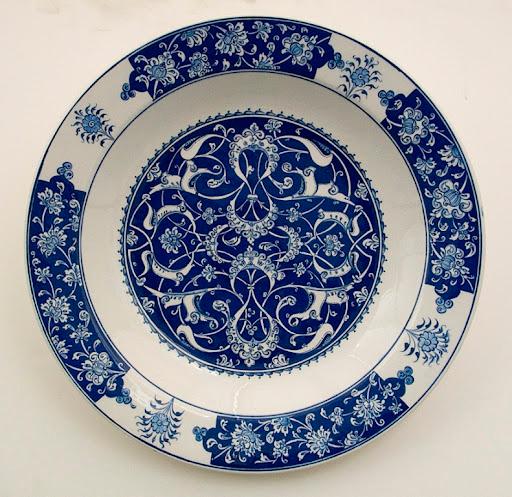
Iznik Ceramic
Iznik Tile is a traditional ceramic type produced in the district of Iznik, within Bursa Province in Türkiye. It is distinguished by its high quartz content, white slip layer, and glossy transparent glaze. Iznik tiles, widely used in Ottoman architecture between the 15th and 17th centuries, attract attention for both their aesthetic and technical qualities. Thanks to the original raw materials and underglaze decoration techniques employed, vibrant colors and intricate motifs are preserved beneat
EN
Sabiha Meyra Şahinler
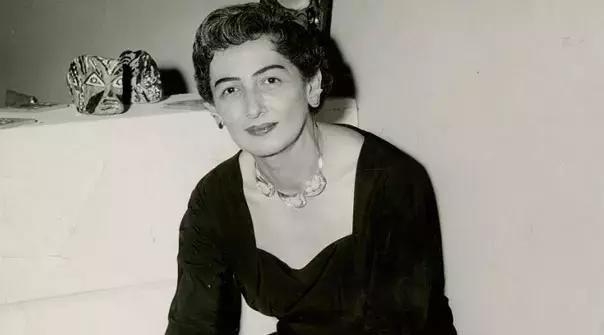
Füreyya Koral
Füreya Koral was born on 12 June 1910 in the Büyükada district of Istanbul. Her father was Mehmet Emin Paşa and her mother was Hakkiye Hanım. Koral was a granddaughter of the renowned Ottoman pasha Şakir Paşa through her mother’s line and was raised in a culturally and artistically rich family environment. Among her relatives were the painters Fahrünnisa Zeyd and Aliye Berger, her aunts, and the writer Cevat Şakir Kabaağaçlı (Halikarnas Balıkçısı), her uncle. This artistic milieu profoundly infl
EN
Rumeysa Doğan
 Gö
GöGökyüp Çömleği
Gökeyüp pottery consists of ceramic vessels produced in the village of Gökeyüp, located in the Salihli district of Manisa, using traditional methods. No potter’s wheel is used; women shape the clay by hand on a rotating table and fire the vessels in open fires. History Gökeyüp pottery is a tradition dating back to ancient times. The local population recounts that their ancestors brought this knowledge with them from Horasan. Archaeological findings reveal traces of Lydian and Roman cultures in t
EN
Sevgi Kıraç
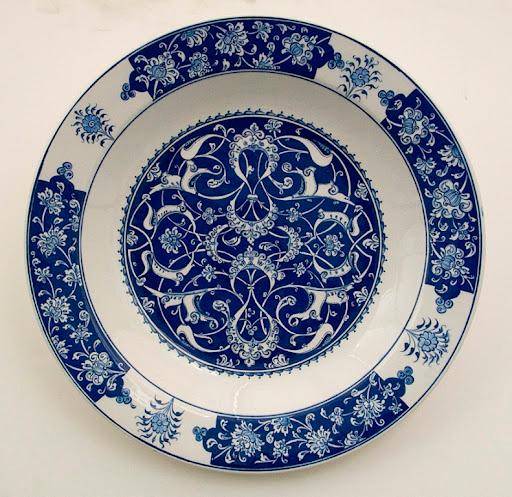
Iznik Ceramics
İznik Çinisi is a traditional ceramic type produced in the İznik district of Bursa province in Türkiye, distinguished by its high quartz content, white slip layer, and glossy transparent glaze. İznik tiles, widely used in Ottoman architecture between the 15th and 17th centuries, attract attention for both their aesthetic and technical qualities. Thanks to the original raw materials and underglaze decoration techniques employed, vibrant colors and intricate motifs are preserved beneath a brillian
EN
Sabiha Meyra Şahinler
CeCeramic Materials
Ceramics are materials that are inorganic and typically have a crystalline structure, processed at high temperatures, and are hard, brittle, and heat-resistant. They are generally electrically insulating. They are one of the four main material groups in materials science. Ceramics stand out due to their structural strength, thermal and wear resistance, and chemical stability. They are used in both high-temperature applications and traditional applications. In materials engineering, the mechanica
EN
Emircan Şahin
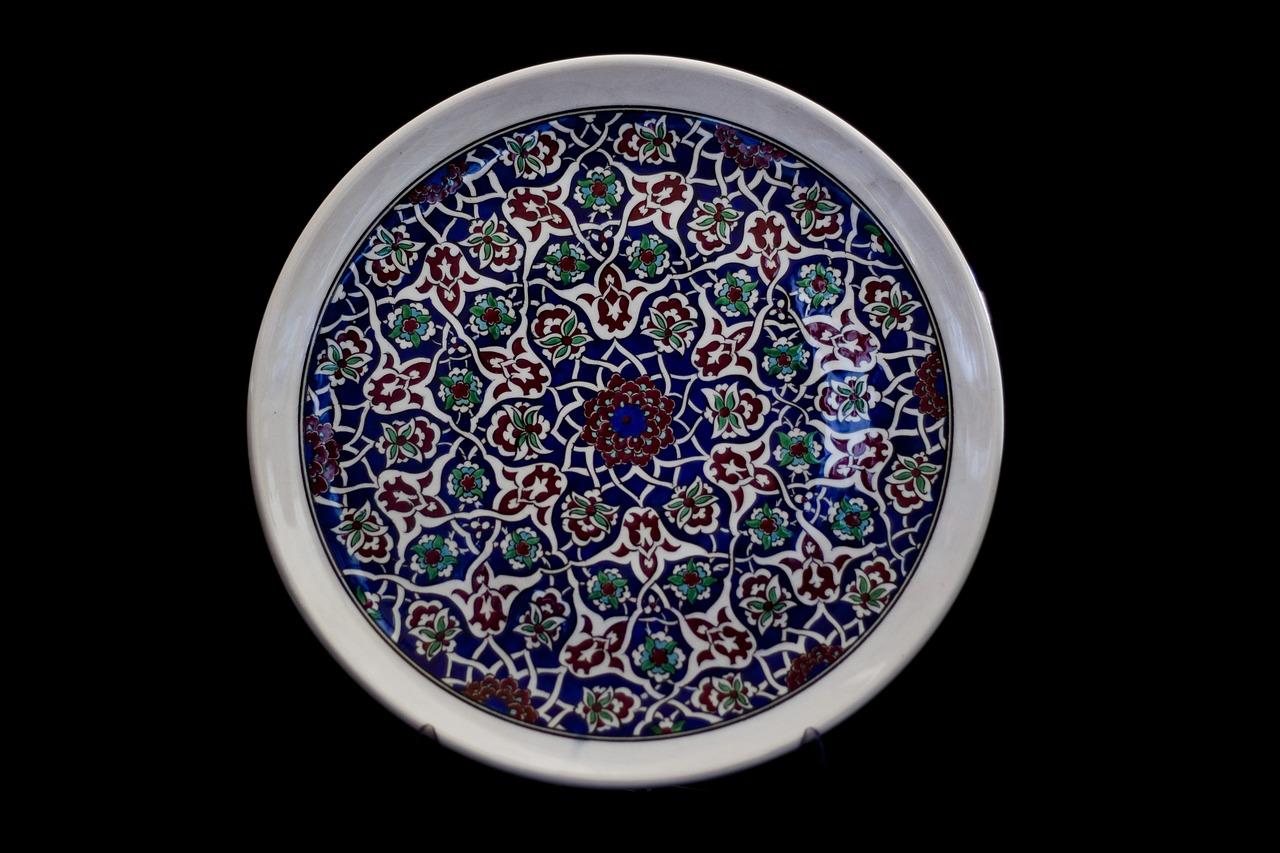
What is Çini?
Ceramics: colorful decorations made from ceramic material. They have a glossy surface similar to glass and typically use vivid colors such as blue, red, and green. During the Ottoman period, ceramics were widely used in mosques, palaces and fountains. Materials Used in Ceramic Production 🏺🖌️ Special materials are used to make ceramics. Pigments: Bright colors such as blue, red and green are used. Glaze: A special coating that gives ceramics a glossy, glass-like and durable finish. Furnace: Cer
EN
Meryem Şentürk Çoban
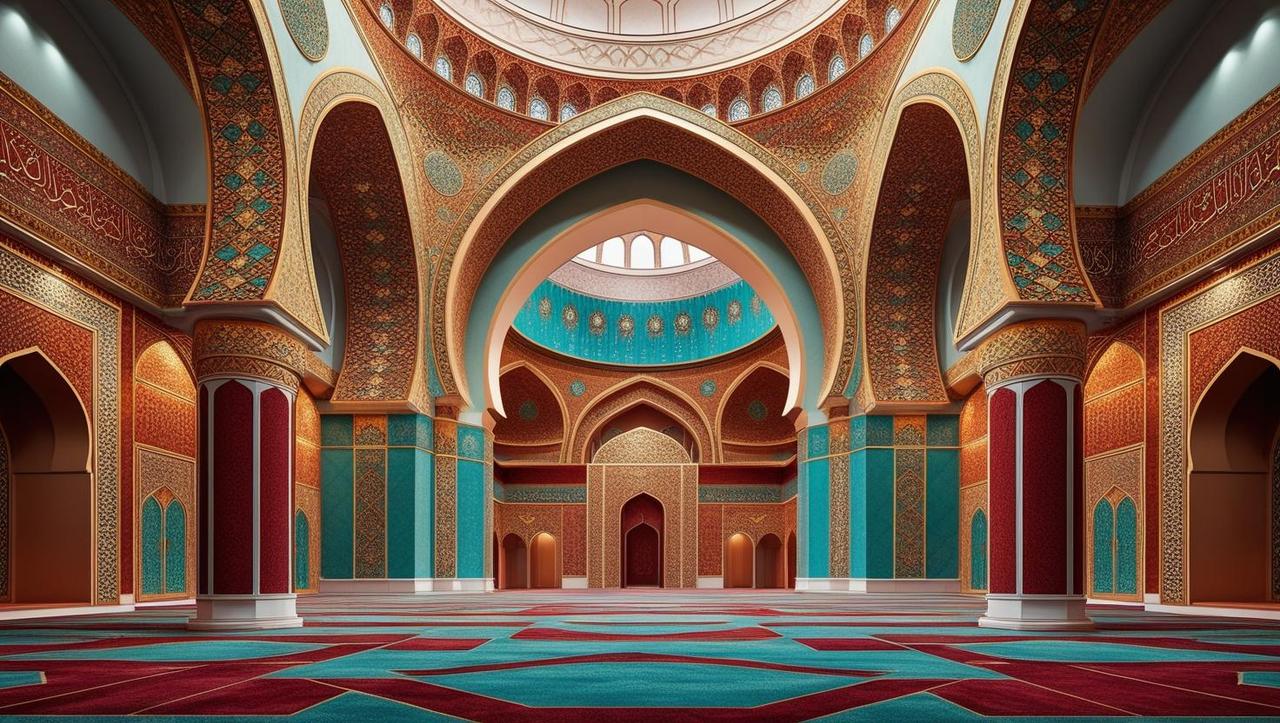
What is Decoration?
Ornamentation is the art of decoration used to adorn and make something beautiful and visually striking. The patterns you can find in books, mosques, palaces, ancient manuscripts, and tiles are part of ornamentation, featuring gold embellishments and colorful motifs. There are many different types of ornamentation. Calligraphy: The art of beautiful writing. Especially in ancient books and mosques, decorations are made using Arabic letters. Ceramic Decoration: Decorations made with colored cerami
ENMeryem Şentürk Çoban
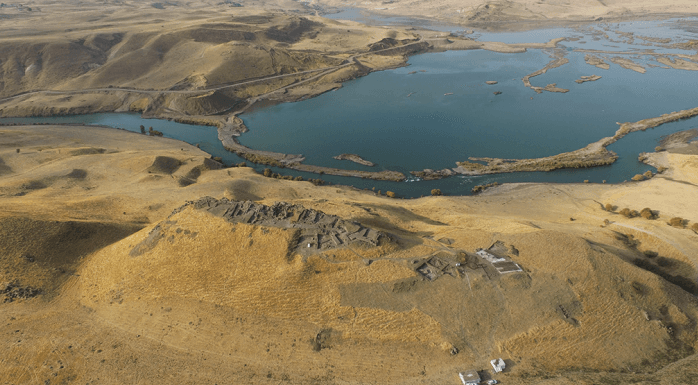
Kayalıdere Ancient Castle – Muş
Kayalıdere Ancient Castle is located within the boundaries of the Varto district of Muş province in Eastern Anatolia, approximately 15–20 km from the district center. It is situated on a rocky ridge oriented northwest-southeast, 3 km west of Kayalıdere Village (formerly Hınzor), on the eastern bank of the Murat River. The region features a two-terrace topography, comprising two main settlement levels: the Upper Citadel and the North Slope Settlement (lower terrace). Archaeological Excavations an
EN
Neriman Çalışkan
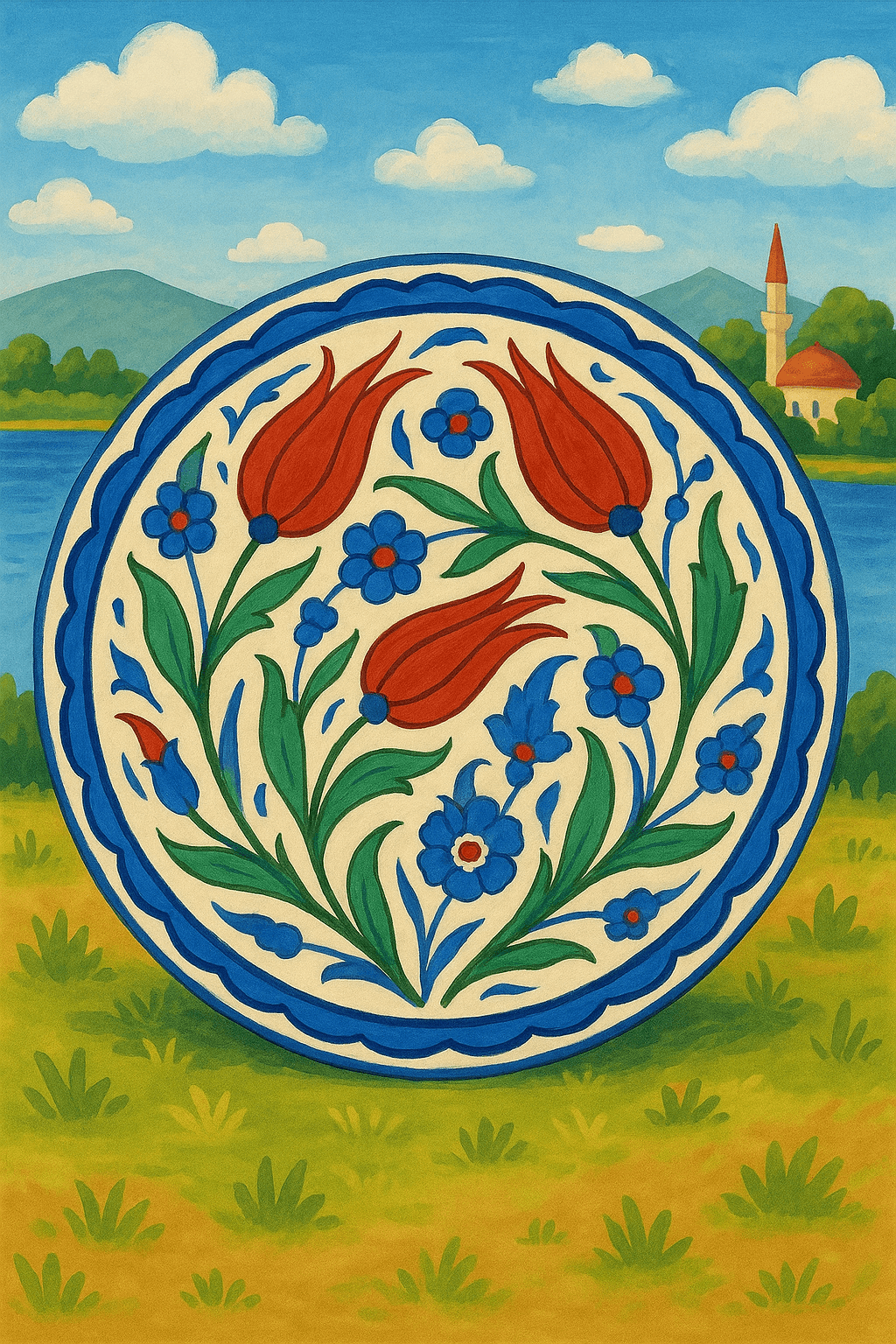
What is Iznik Pottery?
Iznik pottery is the name given to ornamental ceramics produced for centuries in the town of Iznik in Türkiye. These ceramics became especially famous during the Ottoman period. Used in mosques, palaces, and fountains, these ceramics attract attention with their vibrant colors such as blue, red, and green. How Is It Made? Iznik ceramics are made from a special type of clay called quartz. Quartz is very hard and durable. First, the clay is shaped, then dried and fired. Afterward, patterns are dra
EN
Çiğdem Tekin
CeCeramic Art
Ceramic art is one of the oldest art disciplines of humanity and has been shaped over history by different cultures and artistic approaches. Ceramic production, which began in Neolithic Era around 10,000 BCE, evolved over time into functional and artistic forms, acquiring technological and aesthetic innovations within this process. As Historical, Mesopotamia, Egypt, China and Anatolia like regions developed ceramic art through distinct techniques, producing works that reflected the cultural, rel
EN
Ahsen Karakaş