

`breeding` Related Article Results
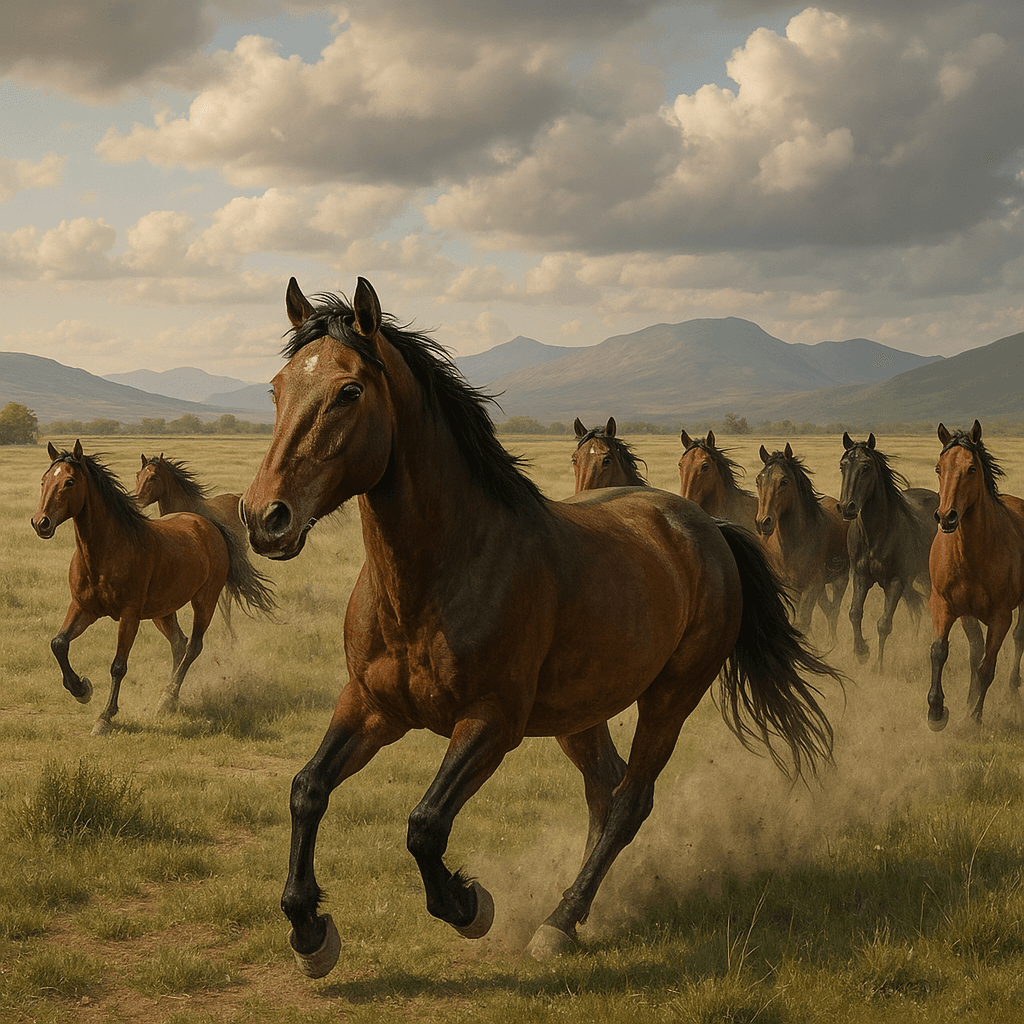
Yılkı Horses
Wild horses refer to populations of horses that have been released into the wild or live feral due to specific reasons, descending from domesticated at lineages but adapted to wild life. In Turkish culture and historical processes, wild horses have occupied a significant place in important, particularly in Anatolia regions where they have survived through natural selection as resilient animals. These horses have attracted attention throughout history from ancient times to the present day due to
EN
Feyza Afra Taşkın
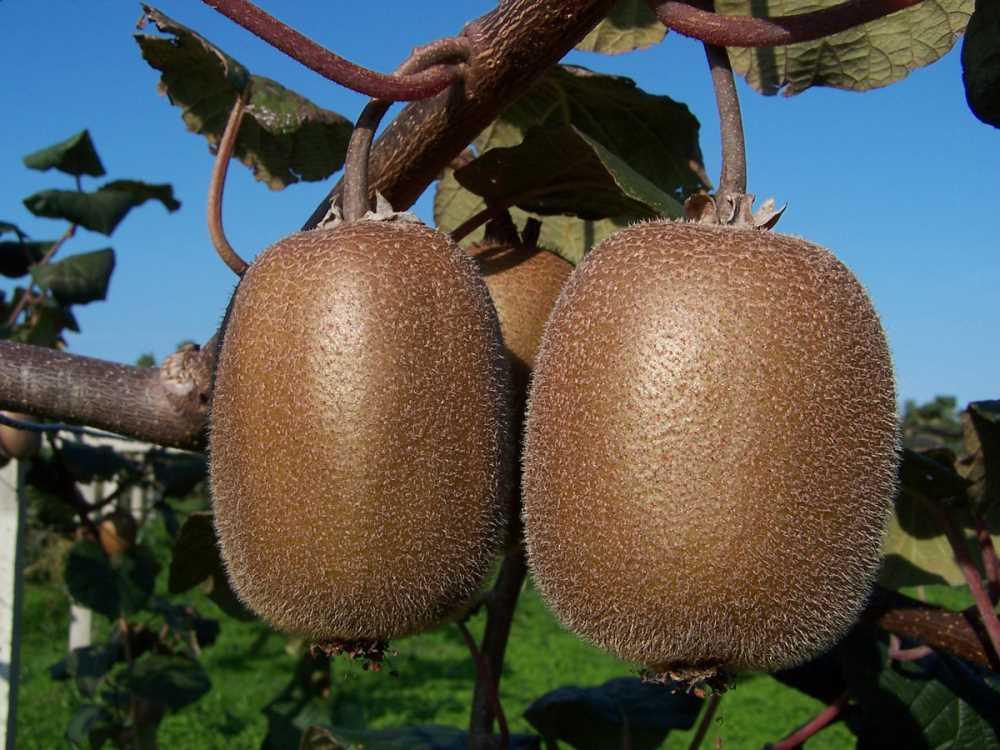
Army Flag
Ordu Kiwi is a registered fruit variety belonging to the ‘Hayward’ cultivar of Actinidia deliciosa, cultivated in Turkey’s Black Sea Region, particularly in the province of Ordu. This product was officially registered with a Geographical Indication Certificate by the Turkish Patent and Trademark Office on 10 December 2009. The region’s climate and soil characteristics directly influence the fruit’s flavor profile and nutritional value. Ordu Kiwi has a thin, brownish, fuzzy skin; its flesh is eme
EN
Efecan Pelit
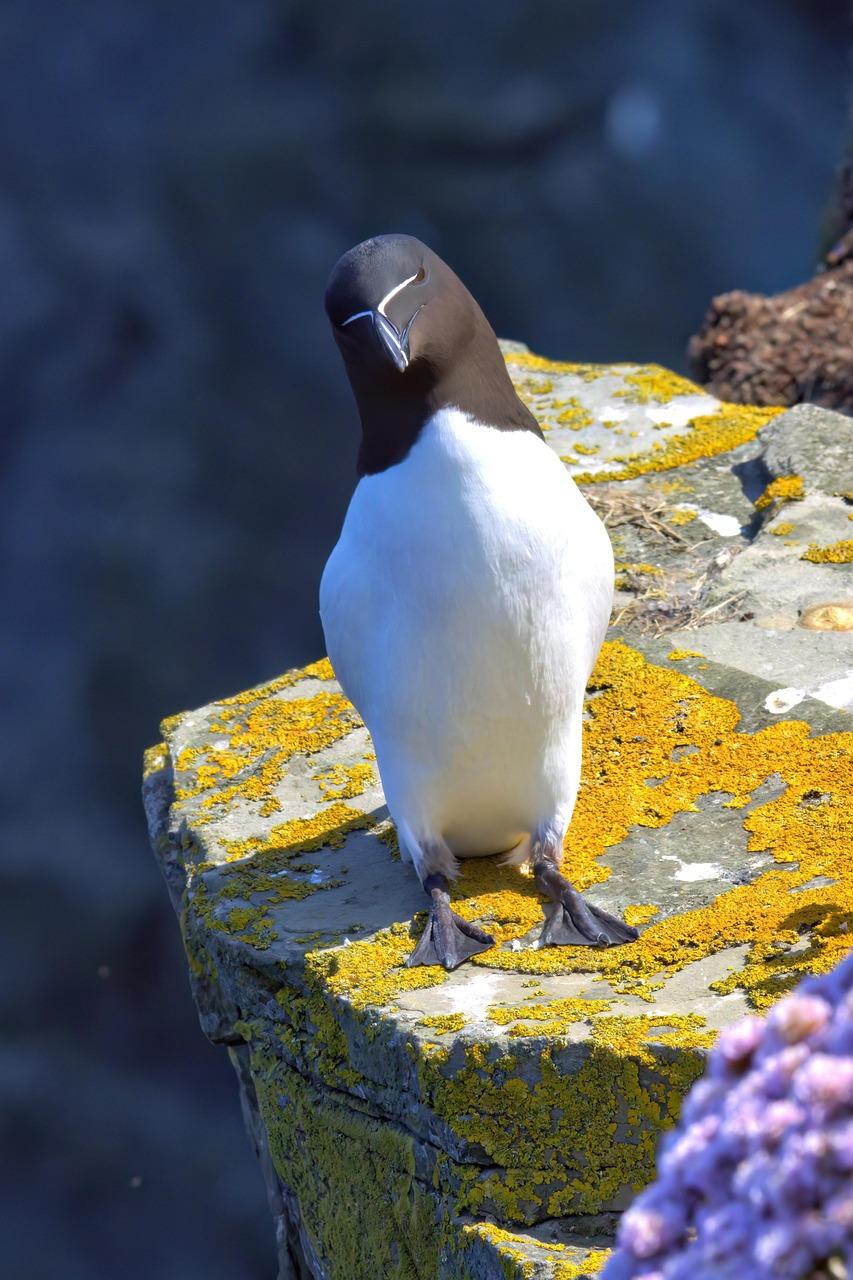
Razorbill (Alca torda)
The Razorbill is a bird species known for its black and white coloration and distinctive thick, blunt-tipped bill. It inhabits the cold seas of the Northern Hemisphere. Its beak is black with a horizontal white stripe across the middle, and the inside of the mouth is a vivid yellow. The upper body is black, while the underparts are white. During the breeding season, the entire face is black, but in winter, the throat and sides of the face turn white. Morphological Characteristics The average win
EN
Beyza Yurttutan
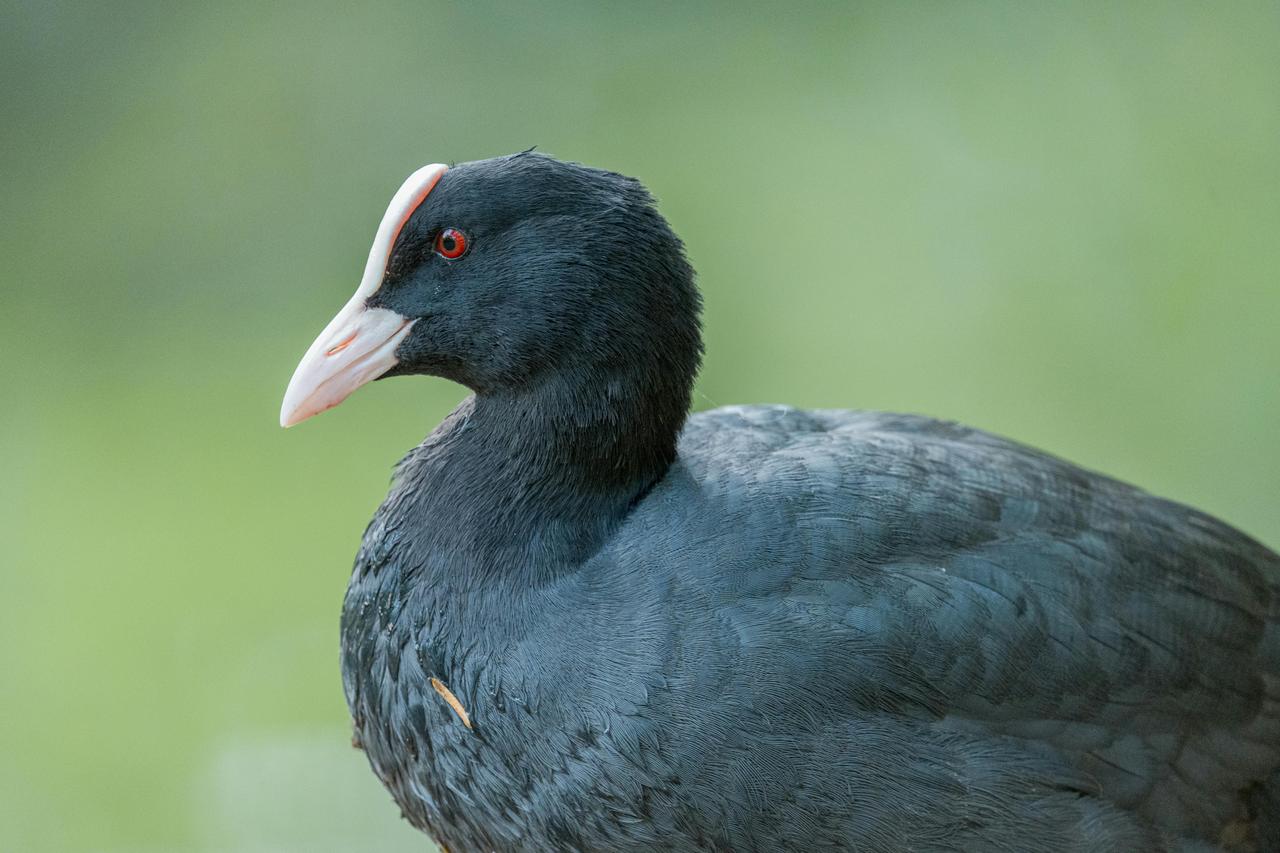
Eurasian Coot (Fulica atra)
Eurasian Coot (Fulica atra) belongs to the rail family (Rallidae) and is a common, recognizable bird species inhabiting aquatic habitats. It is one of the most frequently observed waterbirds in Türkiye, with a wide distribution range. Description and Physical Characteristics The Eurasian Coot is a stout, round-backed waterbird with a short tail and a dark greyish-black body. The most distinctive feature of adult individuals is the bright white bill and frontal shield, which contrast with the bla
ENBeyza Yurttutan
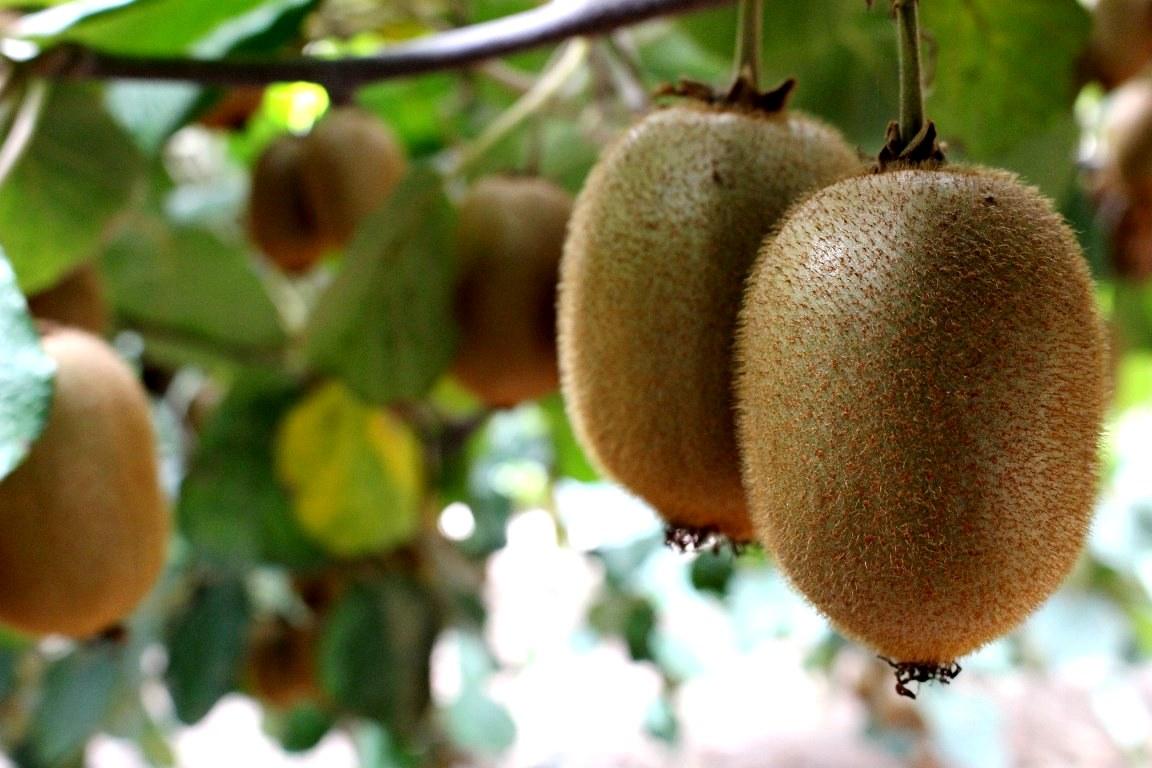
Yalova Kivisi
Yalova Kiwi is produced from Tomuri or Matua kiwi plants used as pollinators alongside the Hayward variety. The skin is brownish-green and covered with short, soft hairs. The flesh is bright green, slightly tart, and moderately sweet. The fruit measures 4–6 cm in width, 6–9 cm in length, and weighs 80–150 g. Harvesting takes place at the end of October and beginning of November; the fruit can be stored in cold storage for up to nine months. Distinctive Characteristics The Yalova Kiwi is distingu
EN
Zelal Çakar
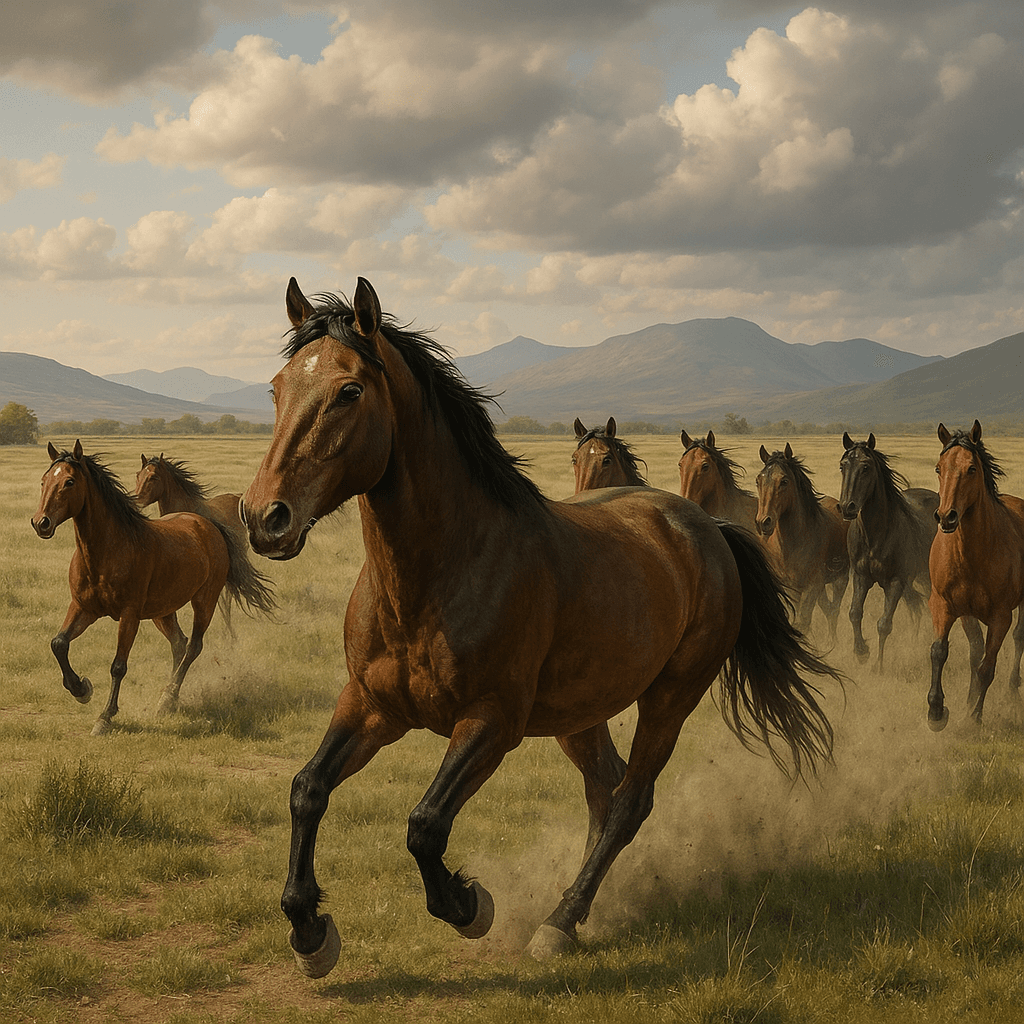
Yılkı Horses
Yılkı horses refer to populations of domesticated horses that have been released into the wild or live feral due to specific reasons, and have adapted to a wild existence. In Turk culture and throughout historical processes, yılkı horses have held an important place. Particularly in the Anatolia region, they are known as resilient horses that have survived through natural selection processes. These horses have drawn attention since ancient times for their free-spirited nature, strong endurance,
EN
Feyza Afra Taşkın