

`bosnia` Related Article Results
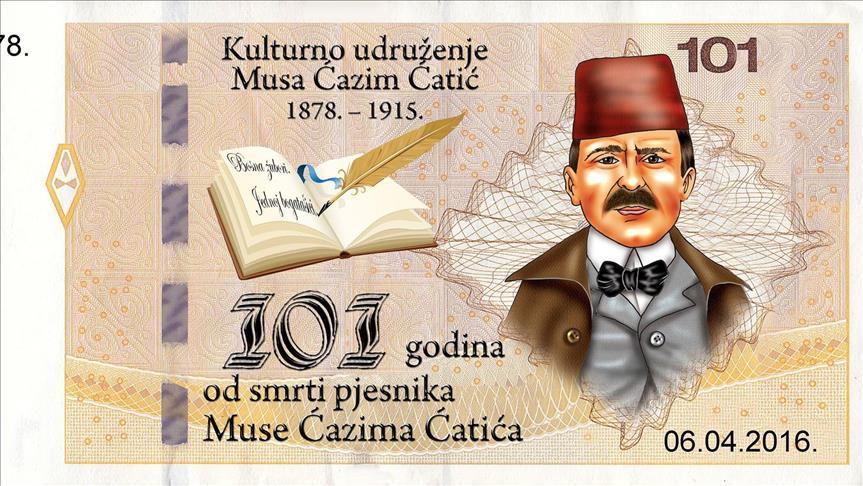
Musa Ćazim Ćatić
Musa Ćazim Ćatić (Musa Kazım Çatiç) (1878, Modriça – 6 April 1915, Tešanj), one of the important poets of Bosnia and Herzegovina. Ćatić possessed a unique artistic sensibility that blended the Ottoman-influenced classical culture with the European centered modern literary sensibility. He is also known for his literary essays, poetic translations, and cultural contributions. With a deep interest in both Eastern and Western literatures, particularly through his studies on Turkish literature, Ćatić
EN
Meryem Şentürk Çoban
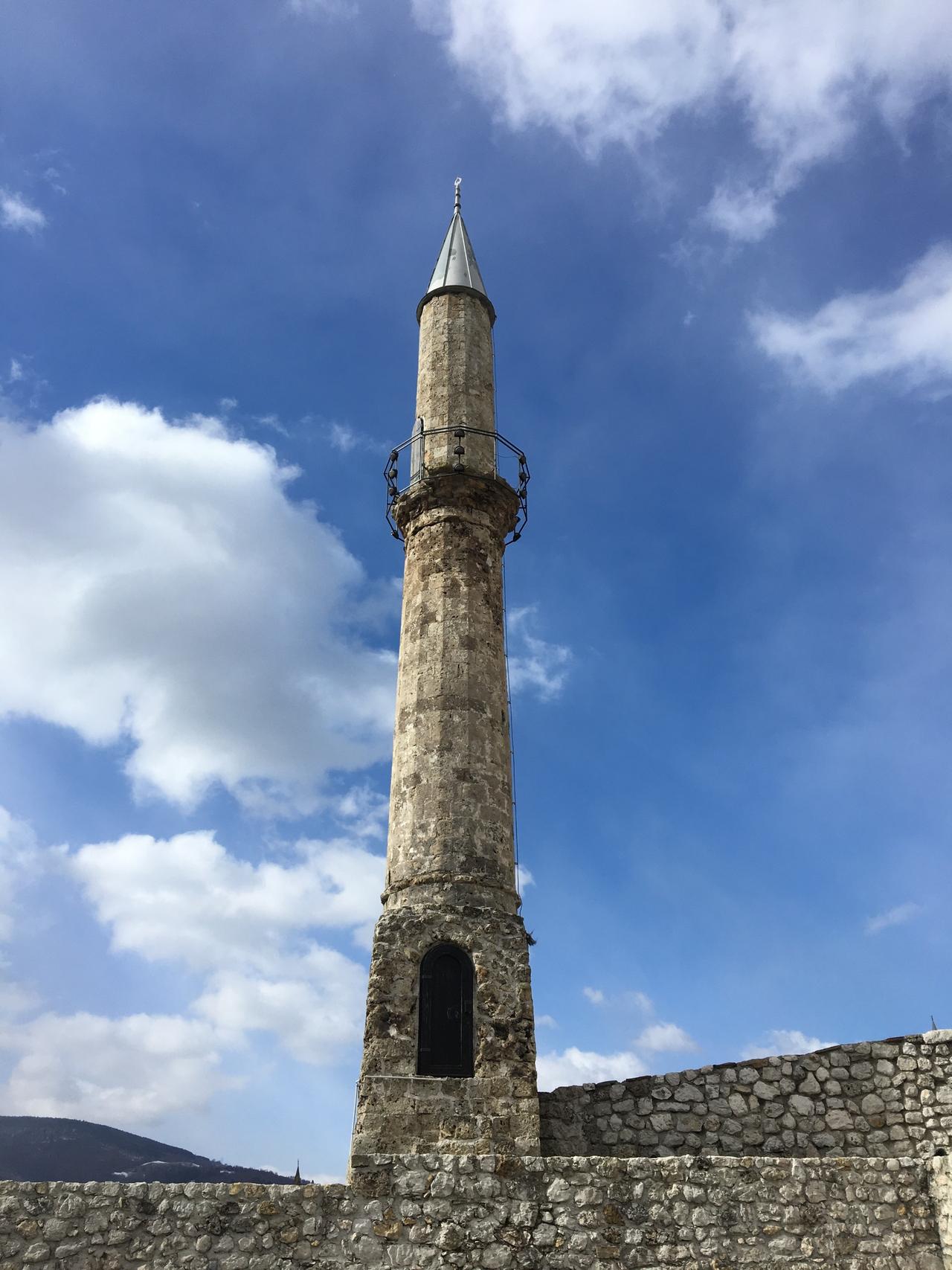
Travnik Castle
Travnik Castle is a medieval fortification situated on a steep, inaccessible rocky hill overlooking the Lašva valley, with origins likely dating back to the conflicts of the 1430s. It came under Ottoman control following Fatih Sultan Mehmed’s campaign in Bosnia in 1463. Originally a hilltop fortress covering less than one hectare, it was garrisoned after attacks in 1480, and Sultan Bayezid II ordered the construction of a wooden mosque within its walls. This mosque was destroyed in a fire; only
EN
Duygu Şahinler
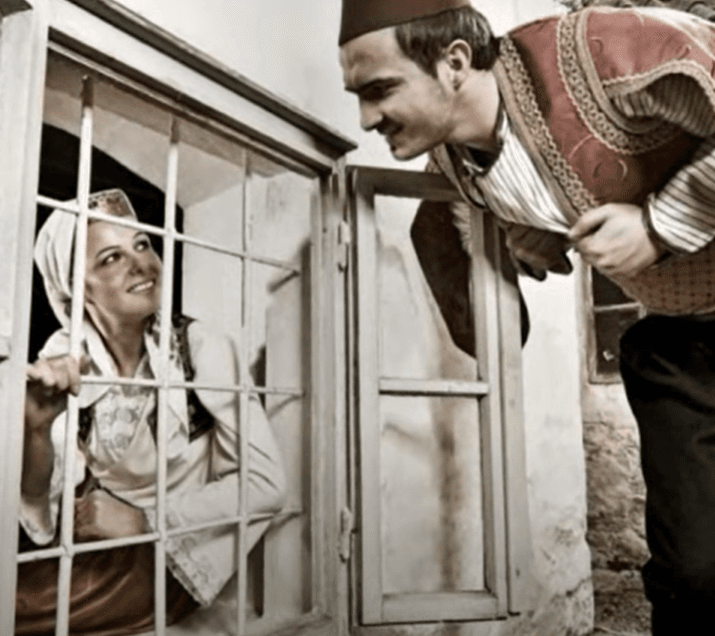
Sevdalinka
Sevdalinka is an anonymous lyrical folk song genre, deriving from the Bosnian term sevdah, which itself originates from the Arabic word sevda/sawda (meaning black bile or melancholy), and translates as “Bosnian love songs.” It is considered one of the most widespread lyrical forms within Bosnian anonymous folk literature. Performed with music and maqam, it is based on the interplay between lyrics and stringed instruments. Within the social context shaped by Ottoman urban life, it is distinguishe
ENDuygu Şahinler