

`birds` Related Article Results
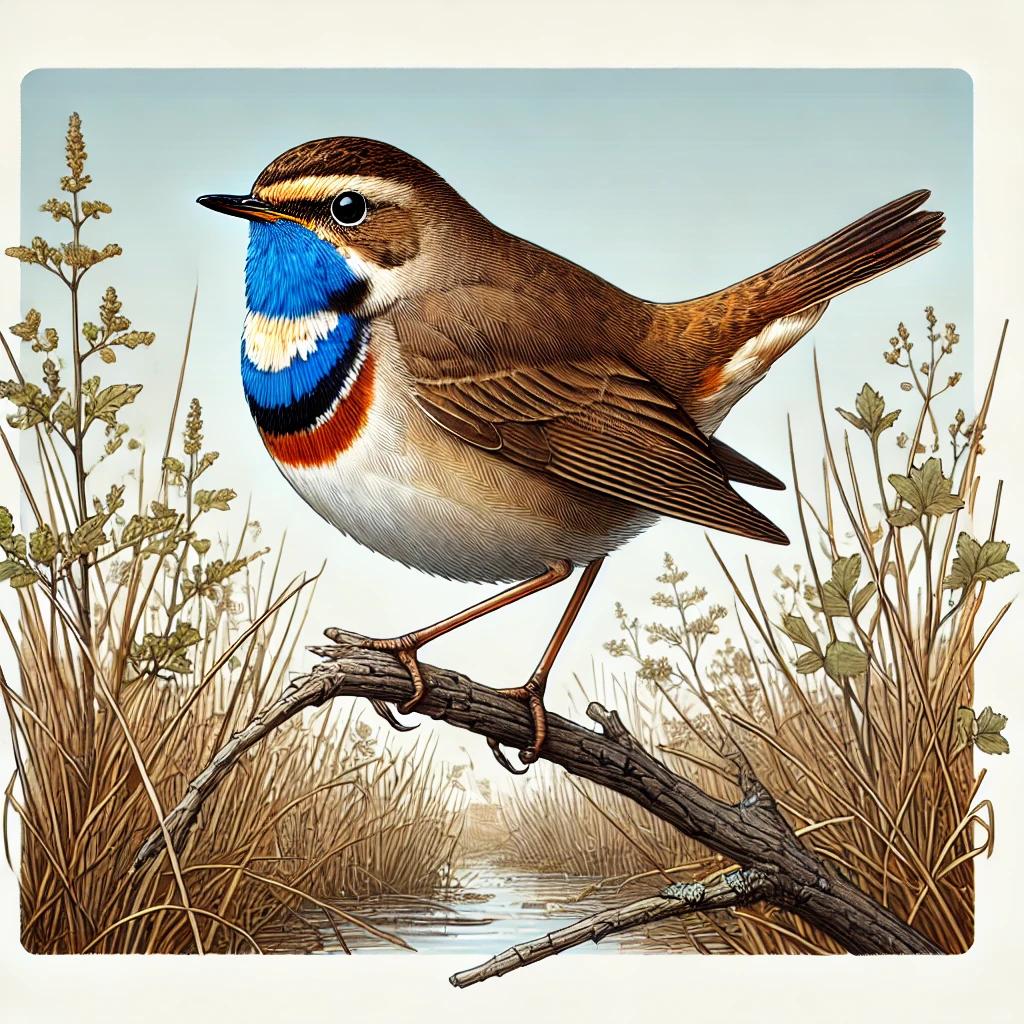
Bluethroat
The Bluethroat (Luscinia svecica) is a small passerine bird from the family Muscicapidae, known for the striking blue feathers on the throat of the male individuals. This species breeds across Europe, Asia, and the tundra regions of Alaska, and spends the winter in parts of North Africa, South Asia, and the Middle East. In Türkiye, it can be observed in nearly all regions, typically inhabiting reed beds and shrublands near water sources. Characteristics The Bluethroat (Luscinia svecica) is an el
EN
Nazlı Kemerkaya
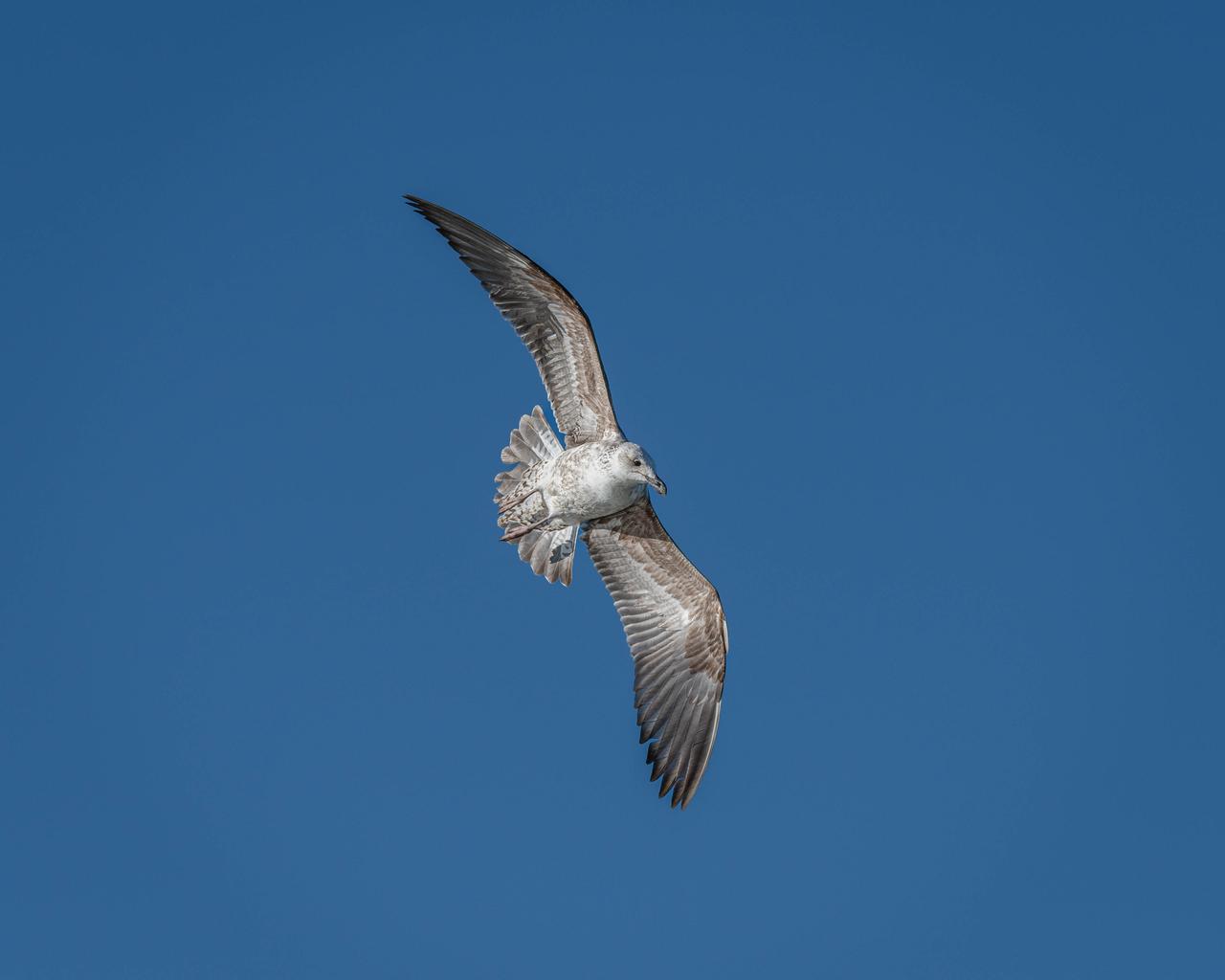
The Miracle of Bird Flight: How Do Birds Fly?
Birds are beings that, by their very creation, possess the ability to fly, distinguishing them from other vertebrates through this unique characteristic. This ability granted to them depends not only on their physical structure but also on their capacity to utilize aerodynamic principles to control their movement through the air. When flapping their wings and directing their bodies, birds harness the four fundamental forces that also form the basis of aircraft design: thrust, lift, drag and weig
EN
Mehmet Bağcı
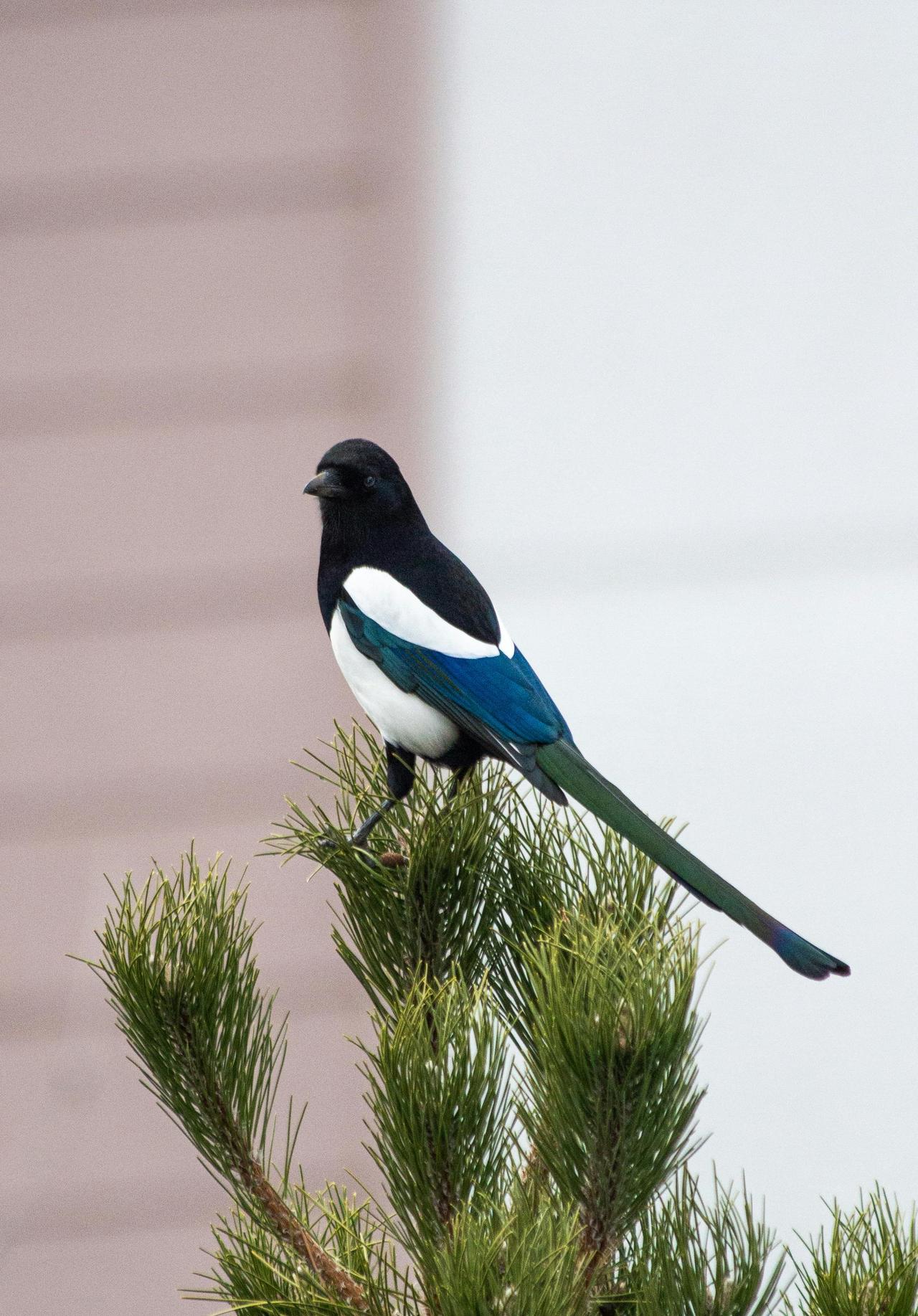
Black-billed Magpie (Pica hudsonia)
Black-billed Magpie (Pica hudsonia) is a bird species commonly found in western regions of North America, noted for its social structure and intelligence. Belonging to the Corvidae family, this bird prefers habitats such as shrublands, open areas, and rural regions. It has a distinctive appearance characterized by a long tail, white wing patches, and glossy black plumage. It communicates through loud and conspicuous calls, often producing sounds like “chak, chak, chak”. Morphological Characteris
EN
Beyza Yurttutan
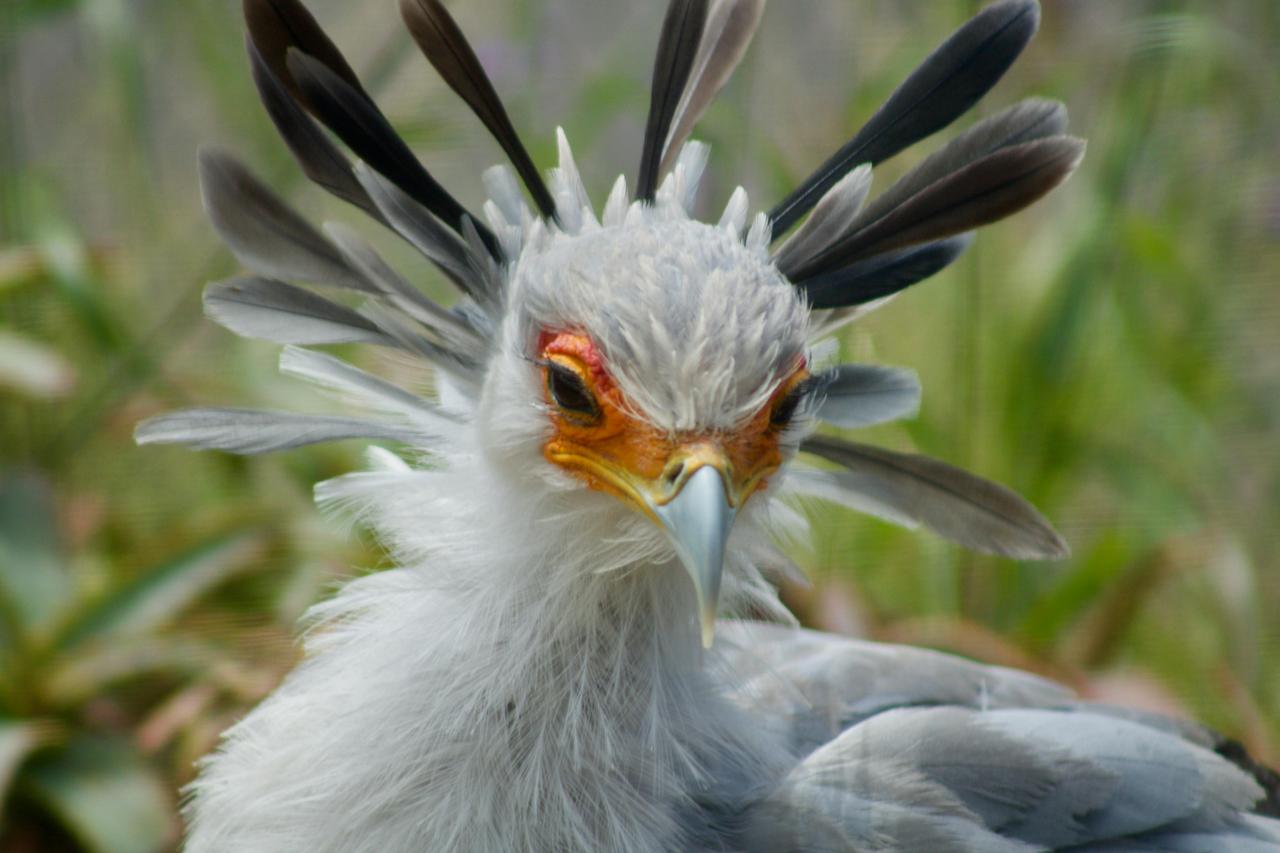
Secretary Bird (Sagittarius serpentarius)
Secretary bird (Sagittarius serpentarius) is the only terrestrial predator in the order Accipitriformes. It is recognized by its long legs and elegant posture. Its average height ranges from 1.2 to 1.5 meters, with a wingspan of 1.26 to 1.35 meters in males and 1.2 to 1.32 meters in females. Weights typically range from 2.3 to 4.3 kilograms. Its plumage is gray, with black wingtips and crown feathers. The bare skin on its face is brightly orange or red. Females are generally smaller than males.
ENBeyza Yurttutan
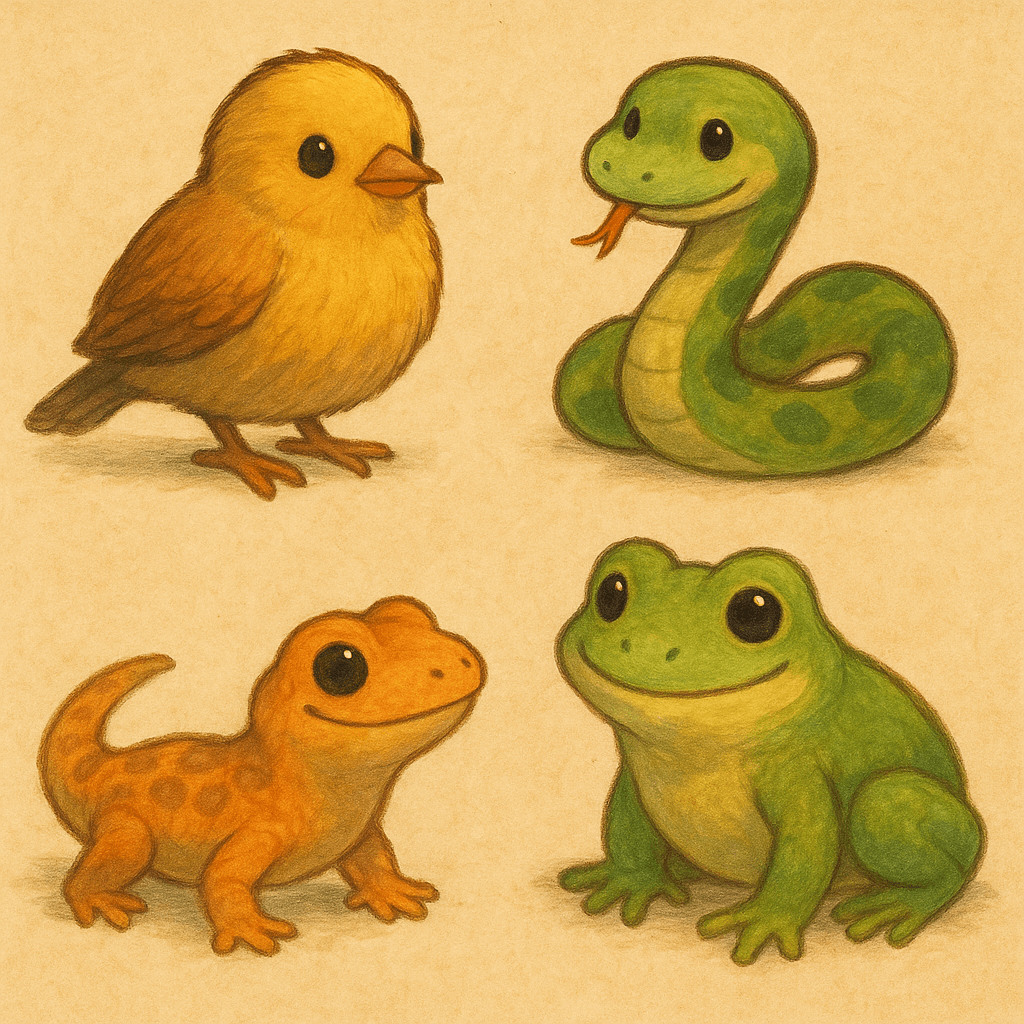
They Don't Go to the Bathroom: Animals Without a Bladder
Yes, some animals lack a urinary bladder (urinary bladder)! These animals eliminate waste through different mechanisms and sustain their lives very efficiently without this system. Imagine if, in our bodies, waste were expelled directly without being stored anywhere—how would life be? This idea may seem strange to you, but in nature, some organisms live exactly this way. So who are these “bladderless” creatures? Why Do Birds Lack a Urinary Bladder? Birds are the first animals that come to mind w
EN
Merve Kuktaş
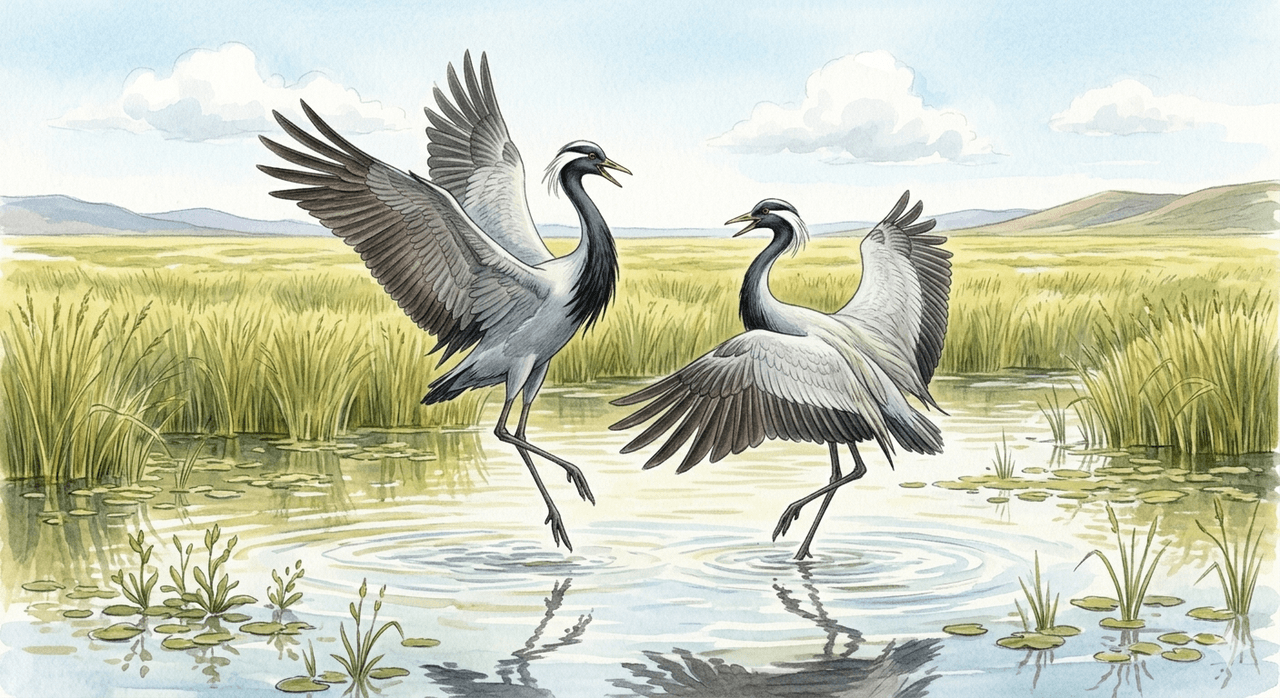
Telli Turna
Are you ready to meet one of the most elegant birds gliding across the sky? The legendary bird featured in Anatolian folk songs and fairy tales: the Telli Turna! They are not only beautiful but also special guests that travel immense distances. Have you ever seen a flock of birds flying in a V-shape across the sky? One of these magnificent travelers is the Telli Turna. Gökyüzünde V şeklinde uçan Telli Turna kuşları Yapay zeka ile oluşturulmuştur. " image-element-format="right" image-height="768"
EN
Tülin Yıldız
 Bl
BlBlue Rock Thrush (Monticola solitarius)
The Blue Rock Thrush (Monticola solitarius) is a lithophilic (rock-dwelling) bird species belonging to the Muscicapidae (flycatcher) family within the Passeriformes (songbirds) order. It is distributed across the rocky and mountainous ecosystems of the Palearctic region. Males are distinguished by their characteristic slate-blue plumage and exhibit high adaptability to human-made structures such as ancient ruins and isolated stone buildings, in addition to natural cliffs and canyons. The Blue Ro
EN
Mehmet Çağlar
RaRaven Crow
Carrion Crow is a bird species belonging to the genus Eurasia. Its Latin name is "Corvus cornix," derived from the words corvus, meaning "raven," and cornix, meaning "crow." Carrion Crows are on average 48 to 52 cm in length, have a wingspan of 98 cm, and weigh approximately 510 grams. Most of their feathers are metallic glossy black, with this head, neck, upper chest, wings, and tail being dominated by this color. The back, belly, chest, and nape areas are gray. Juvenile Carrion Crows have dull
EN
Ahmet Eren
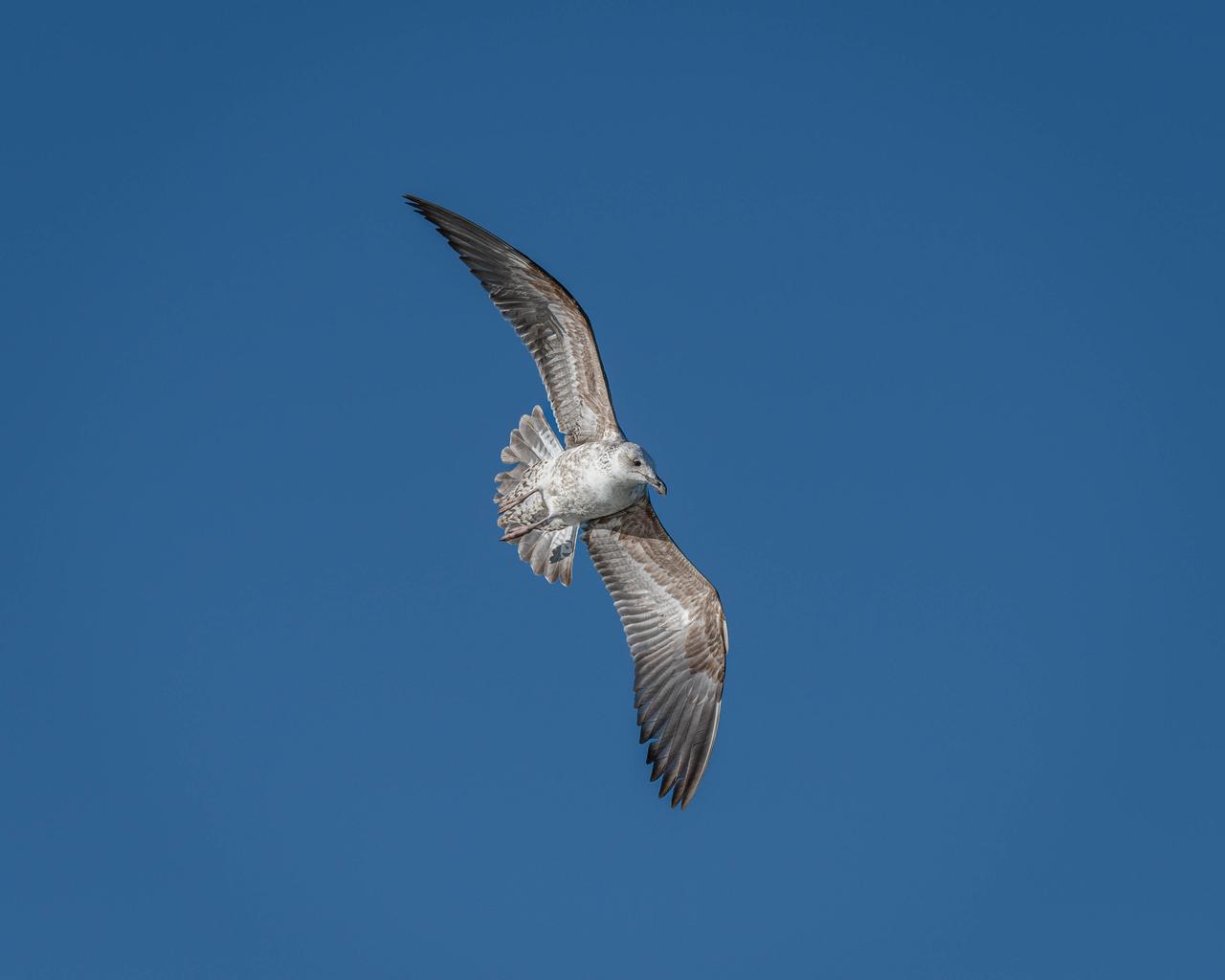
The Miracle of Bird Flight: How Do Birds Fly?
Birds are beings endowed by their very creation with the ability to fly, distinguishing them from all other vertebrates through this unique capacity. This ability is not solely dependent on their physical structure; it also relies on their capacity to utilize aerodynamic principles to regulate their movements in the air. When flapping their wings and directing their bodies, birds harness the four fundamental forces that form the basis of aircraft design: thrust, lift, drag, and weight. The delic
EN
Mehmet Bağcı
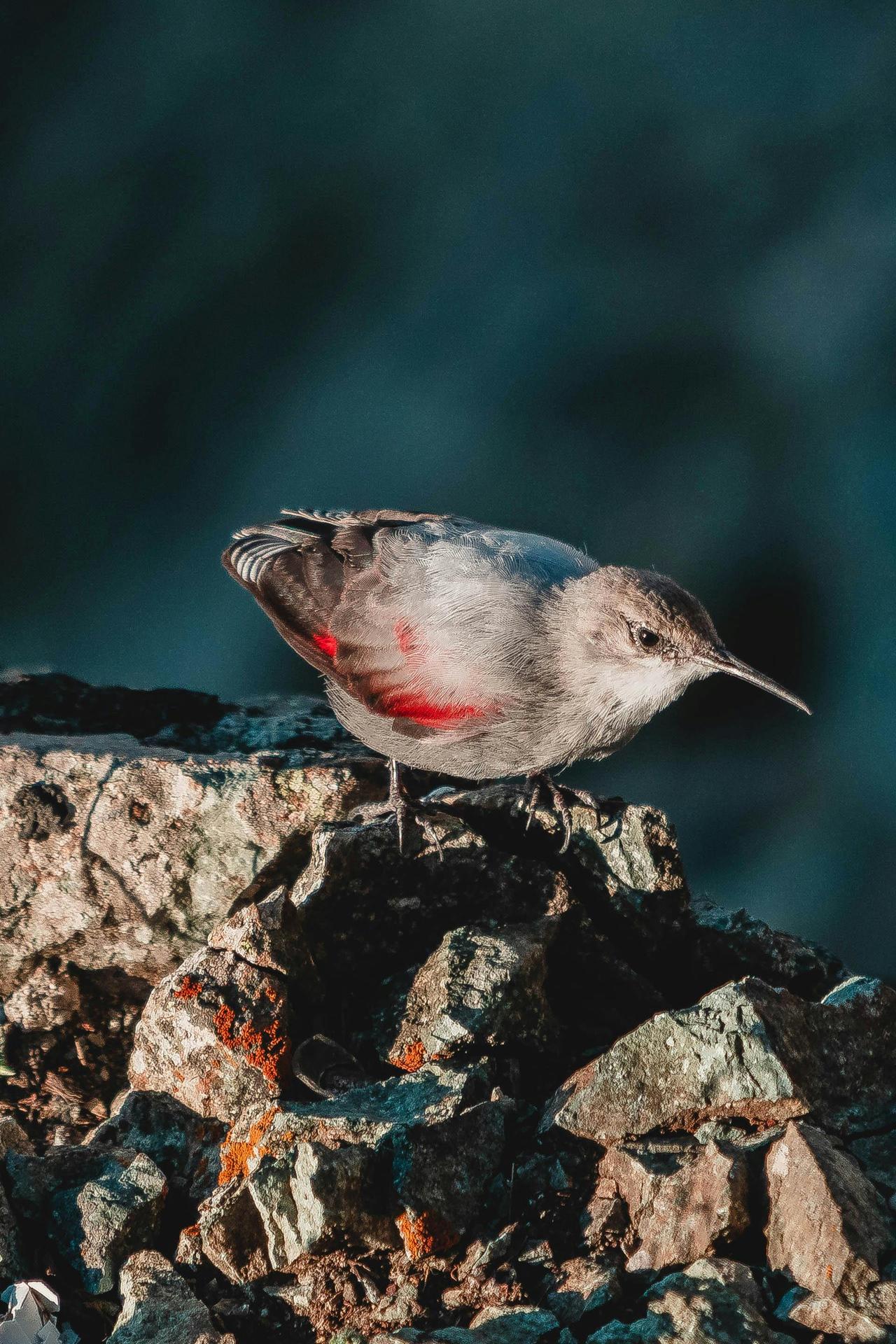
Wallcreeper (Tichodroma muraria)
Wallcreeper (Tichodroma muraria) is a songbird distinguished by its long slender bill and colorful wings, which inhabit rocky surfaces and steep terrain. It is of medium size, recognized by its gray body and striking red-black wing patterns visible during flight. It typically moves by climbing on rocks and walls, a behavior that sets it apart from other birds. Taxonomy The wallcreeper belongs to the order Passeriformes, the songbirds. Its scientific name is Tichodroma muraria. It is a polytypic
EN
Hanifenur Yaman