

`behavioralsciences` Related Article Results

Hawthorne Effect
Hawthorne effect is a phenomenon in which individuals improve their performance when they are aware that they are being observed or monitored by researchers or supervisors. This situation implies that people tend to alter their behavior when they realize they are subjects in an experiment, due to the attention they receive from the experimenters. In simple terms, it is the tendency of people to change or improve their behavior because they know they are being watched.Simply Psychology. "Hawthorn
EN
Nida Üstün

Histrionic Personality Disorder
Histrionic Personality Disorder is a chronic psychiatric condition that emerges in early adulthood and is characterized by excessive emotionality and a persistent need to be the center of attention across many areas of life. Individuals display dramatic, extroverted, and seductive behaviors in social professional and personal relationships. The disorder has an ego-syntonic structure meaning the individual does not perceive their own behaviors as problematic. Due to the lack of insight and inabil
ENNida Üstün

Asch Conformity Experiment
The conformity experiment, developed by Solomon Asch in the 1950s, is a study in social psychology that examines how individuals shape their behavior under pressure from majority opinion. The experiment aimed to understand the power of social influence and its impact on individual decision-making by revealing individuals’ tendency to conform to an obviously incorrect viewpoint Origin and Design of the Experiment The Asch paradigm is a series of experiments designed by Solomon Asch to investigate
EN
Elif Laçin
Hanlon's Razor: Malice or Simple Mistake?
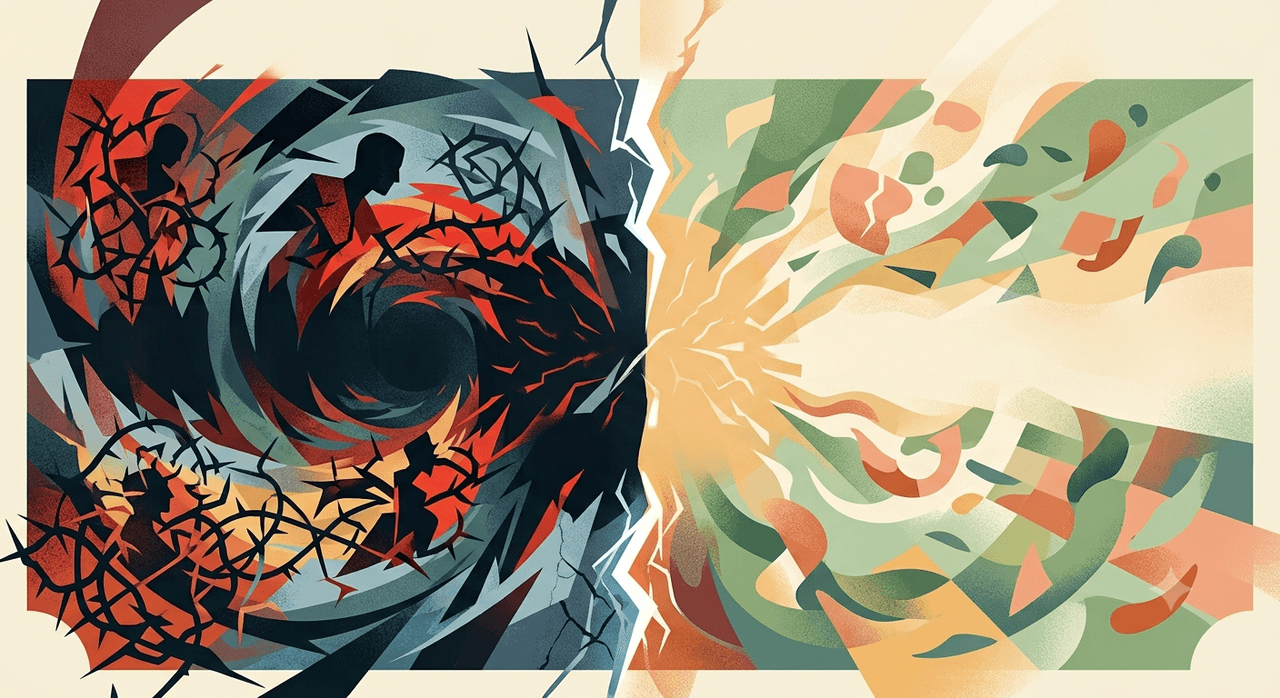
A colleague has not replied to your email for days. The car in front of you in traffic changes lanes without signaling. Your manager acts as if they never heard the idea you raised in the meeting. In all these moments, the same question arises in our minds: “Are they doing this to me on purpose?” More often than not, the answer is far more mundane and far less personal than we imagine. The person across from us is probably not even thinking about us; they have simply forgotten, distracted themse
EN
Ömer Said Aydın