

`antibiotic` Related Article Results
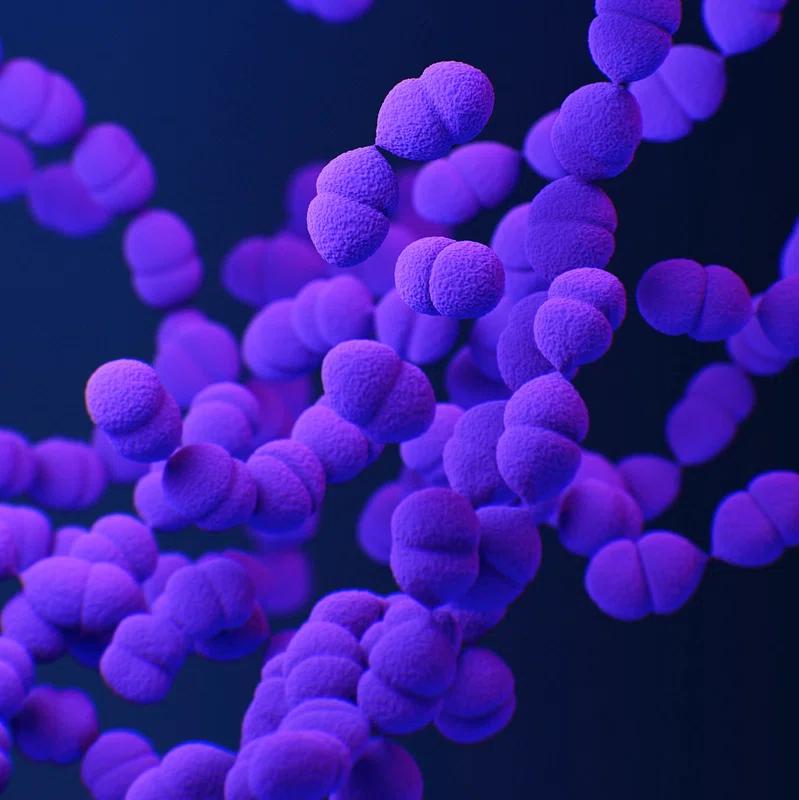
Streptococcus pneumoniae
Streptococcus pneumoniae (pneumococcus) is a Gram-positive, oval-to-lancet-shaped diplococcus; it is a facultative anaerobe that forms α-hemolytic colonies and is pathogenic only in humans. More than 100 capsular serotypes have been identified on the surface, linked covalently to teichoic acids【1】 via phosphorylcholine【2】; the capsule is both the key to immune evasion and the target of current vaccines. Serotype Diversity and Capsule Biology The structural diversity of the glycocalyx【3】 distingu
EN
Bekir Öztürk
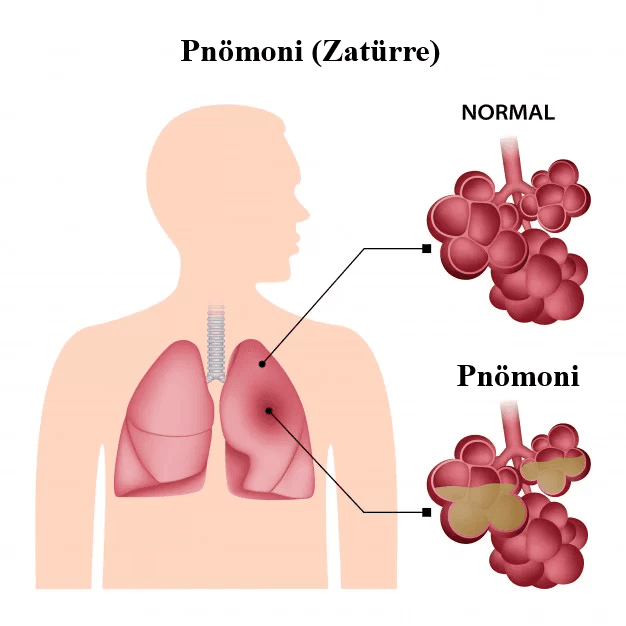
Pneumonia (Lobar Pneumonia)
Pneumonia (Zatürre) is a disease characterized by fluid accumulation in the lungs as a result of an inflammatory process. This inflammation is triggered by infectious organisms (bacteria, viruses) or respiratory irritants (such as aspirated substances). Infectious pneumonia types include community-acquired pneumonia (CAP), hospital-acquired pneumonia (HAP), and pneumonia in immunocompromised patients. Pneumonia can lead to respiratory failure by impairing gas exchange. It generally has a favorab
EN
Yaren Sevim
 Fu
FuFungal Secondary Metabolites
Fungal secondary metabolites are biologically active small molecules produced by fungi not directly required for their primary life functions such as growth reproduction or energy production but synthesized to adapt to environmental conditions compete defend themselves or interact with other organisms. Properties of Fungal Secondary Metabolites Fungal secondary metabolites are low molecular weight compounds typically synthesized during specific developmental stages or under environmental stress
EN
PINAR GÜNER
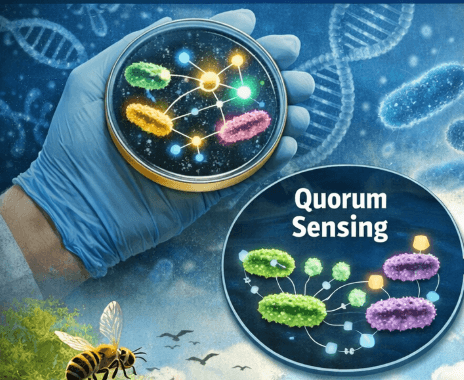
Perception of Sufficient Quantity
Environmental Sensing System(Quorum Sensing) is a cell-density-dependent gene regulation mechanism that enables microorganisms to communicate with each other through chemical signaling molecules called autoinducers, which they continuously secrete into the external environment. This system allows bacteria to detect their own population density in the environment and, upon reaching a specific threshold (quorum), simultaneously alter gene expression to exhibit collective behavior. This mechanism e
EN
Samet Buğrahan İçoğlu