

`animal` Related Article Results
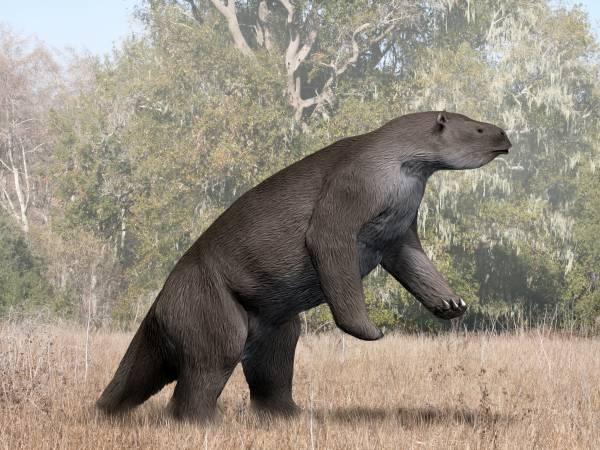
Megatherium
Megatherium is a genus of extinct animals belonging to the family Megatheriidae that lived during the Pleistocene epoch. The species was first discovered in 1788 in the Luján region of Argentina and described by Cuvier. The most well-known species of this genus is Megatherium americanum, which is regarded as one of the largest land mammals of prehistoric times, reaching weights of approximately four tons and lengths of up to six meters. The genus name derives from the Greek for “great beast.” Me
EN
Ertuğrul Erdağlı
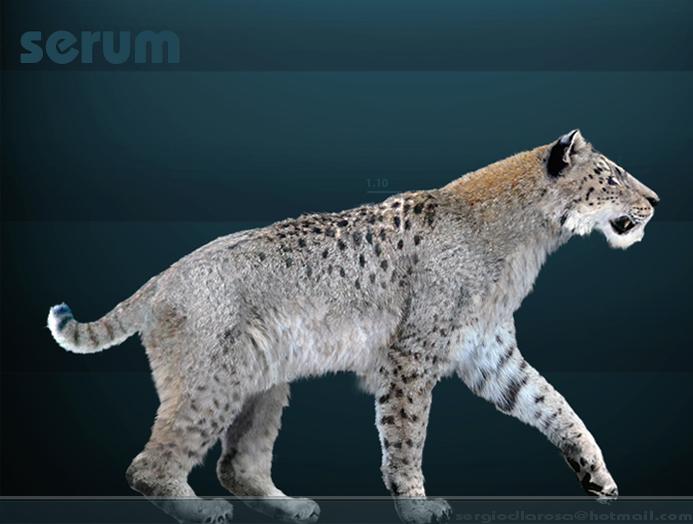
Homotherium
Homotherium is an extinct genus of saber-toothed cat belonging to the subfamily Machairodontinae within the family Felidae and the tribe Homotherini. This genus was first described by Fabrini in 1890. Homotherium persisted from the Pliocene until the end of the Pleistocene and was widely distributed across Eurasia, Africa, and North America. As one of the best-known machairodontine genera, Homotherium is commonly referred to as a saber-toothed cat, yet it possesses distinct and specialized morph
ENErtuğrul Erdağlı
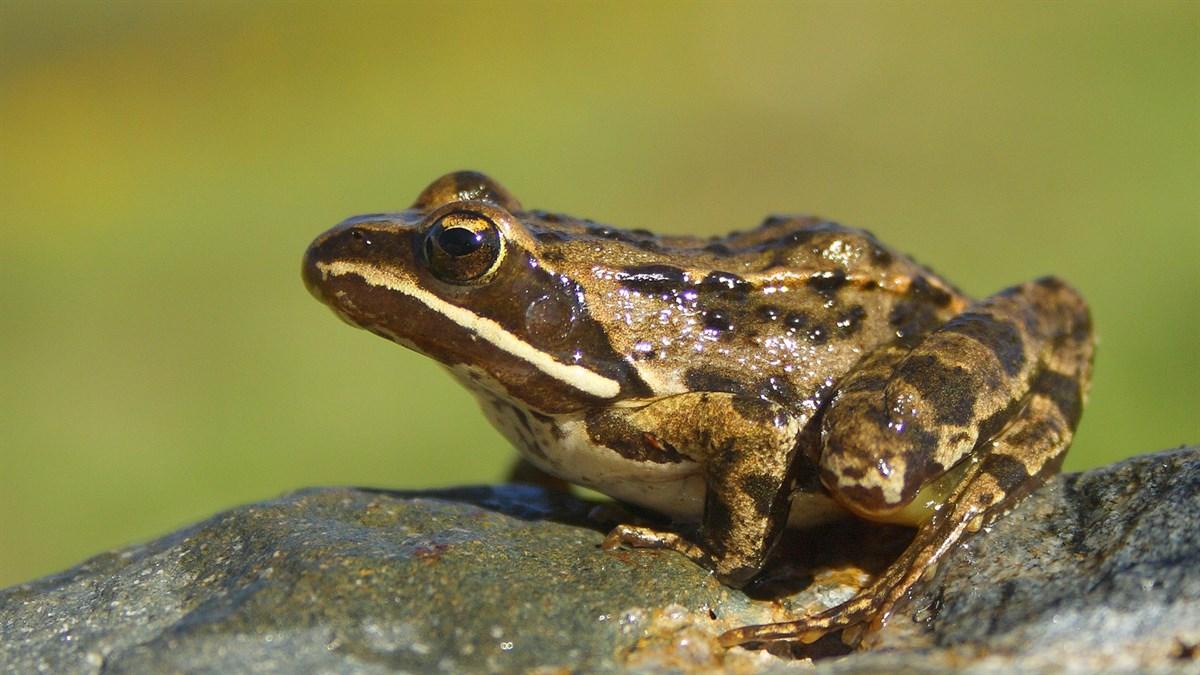
Taurus Frog (Rana holtzi)
Toros Frog (Rana holtzi) is an endemic frog species found only in Türkiye, belonging to the family Ranidae. It is observed exclusively in the glacial lakes within the boundaries of the Bolkar Mountains in the Ulukışla district of Niğde. First introduced to the scientific community approximately 150 years ago, this species has been under international protection since the signing of the Bern Convention in 1984. Toros Frog (District Governorship of Ulukışla, Republic of Türkiye) " image-alternate=
EN
Meltem Saraç
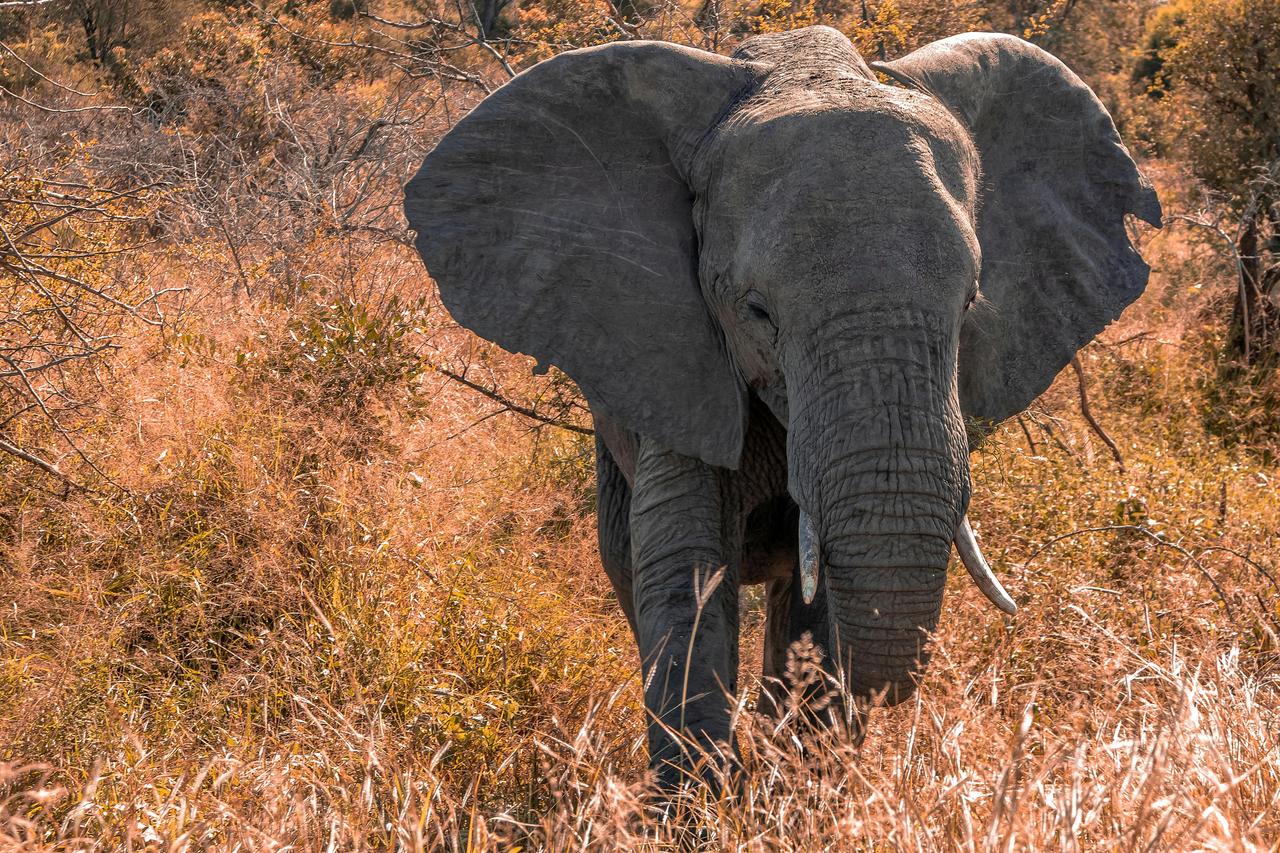
African Elephant
The African elephant (Loxodonta africana) is considered the largest land mammal on Earth. These massive creatures inhabit the savanna, forest, and desert ecosystems of the African continent and hold significant biological and cultural importance. Recognized by their large bodies, wide ears, and long tusks, African elephants play a crucial role in maintaining the balance of ecosystems. African Elephant-Loxodonta Africana (pexels.com) " image-element-format="right" image-source="https://cdn.t3pedi
EN
Dilara Cihan
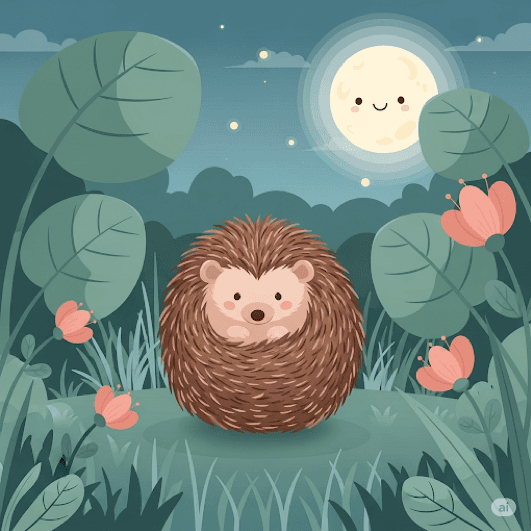
Hedgehog
Hedgehogs are nocturnal mammals known for their spiny backs. At first glance, they may appear as quiet, slow-moving creatures, but they possess a highly specialized defense system to protect themselves. These spiny companions are, in fact, an important part of our gardens and natural ecosystems. Let us take a closer look. Body Features and Spines The most striking feature of a hedgehog is the hundreds of spines covering its back. These spines are in fact hardened hairs filled with keratin. When
EN
Nida Üstün
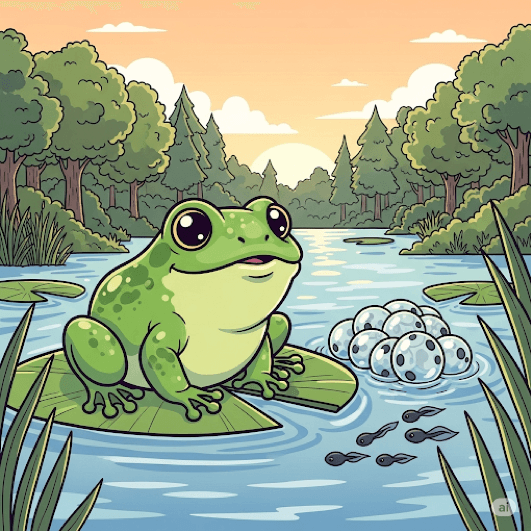
Frog
Frogs belong to a group of animals called amphibians, which can live both on land and in water. The word "amphibian" comes from the Greek for "two lives". These animals spend the first stage of their lives in water, growing and developing before moving onto land to continue their lives. Where Do They Live? Frogs live on nearly every continent except Antarctica. You can find frogs in a wide variety of habitats, from deserts to forests, high mountains to riverbanks. However, most prefer moist and
ENNida Üstün
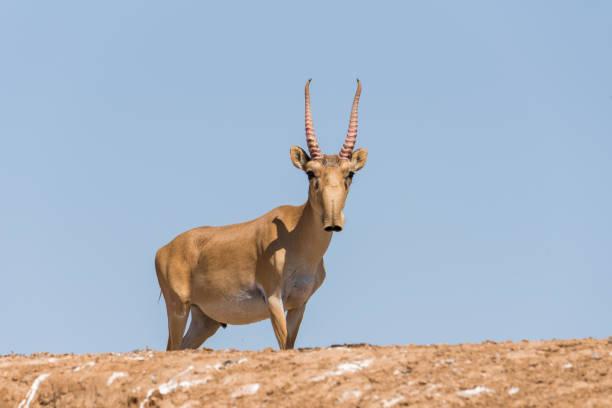
Saiga Antelope (Saiga tatarica)
The saiga antelope (Saiga tatarica) is a unique mammal species native to the vast and arid steppes of Asia, currently endangered. Its most striking physical feature is its large, drooping nose resembling a trunk. This nose structure plays an important role in adapting to its environment. Physical Characteristics and Adaptations The saiga antelope’s nose filters dusty steppe air to protect its lungs and warms cold air during winter to keep respiratory passages warm. Its light-colored coat, slende
EN
Abdulkadir Tamkoç
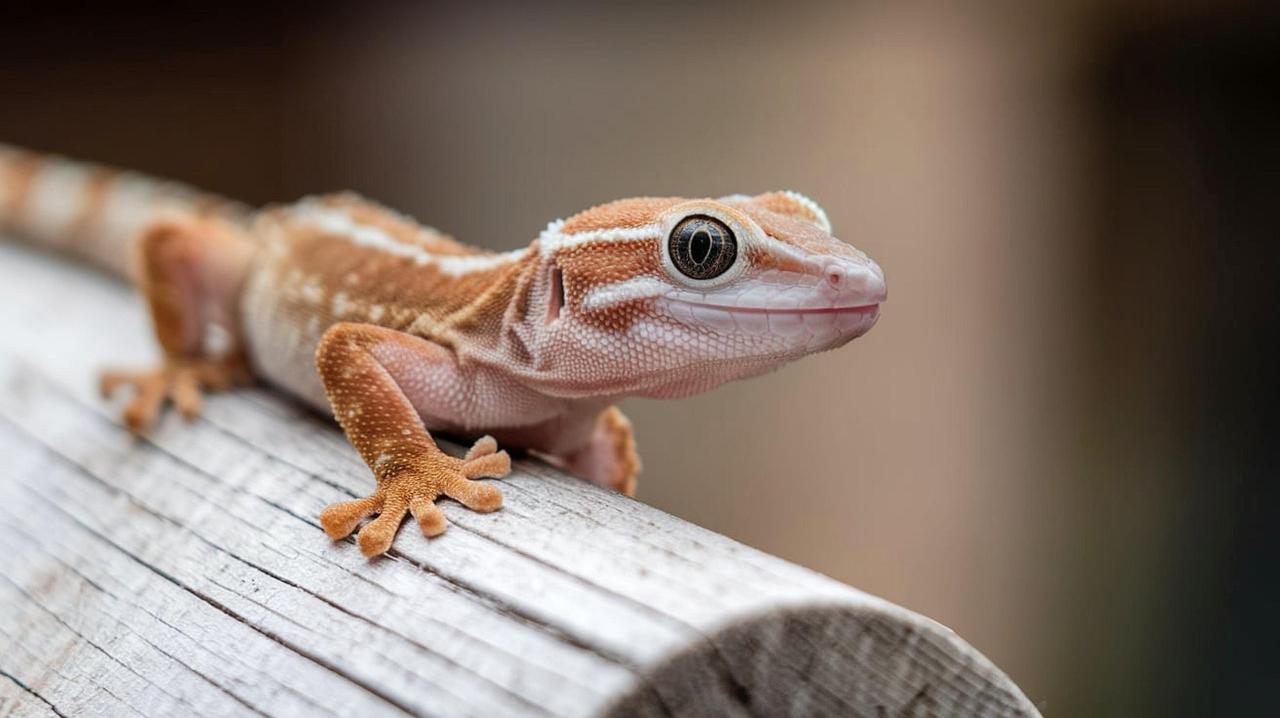
Geckos: Nature's Masters of Climbing
Geckos are reptiles that can live on all continents except Antarctica. They can find homes in many different environments, from rainforests to hot deserts and even cold mountain slopes. How do you think our cute friend stays on that tree without falling? (Generated by Artificial Intelligence) " image-element-format="right" image-height="1536" image-source="https://cdn.t3pedia.org/media/uploads/2026/02/26/CBktBQ89KDnmyZzKXxvN8PKKqpzWv0LL.png" image-width="2816"> Interesting Features of Geckos
EN
Muhammed Efe Çuhadar
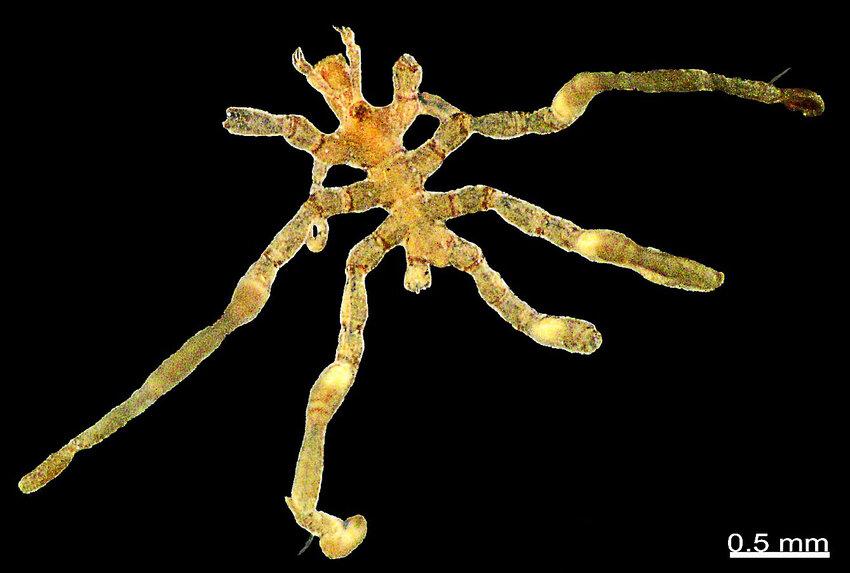
Sea Spider (Pycnogonida)
Sea Spider (Pycnogonida) is a group of marine organisms belonging to the phylum Arthropoda, commonly called sea spiders due to their morphological resemblance to terrestrial spiders of the class Arachnida. General Characteristics and Morphology They are generally small-bodied organisms; most species measure 1–10 mm in length, although some deep-sea species can have a leg span of up to 6 cm. They possess exceptionally long legs relative to their body size (typically four to six pairs). Their bodi
ENAbdulsamet Suçeken
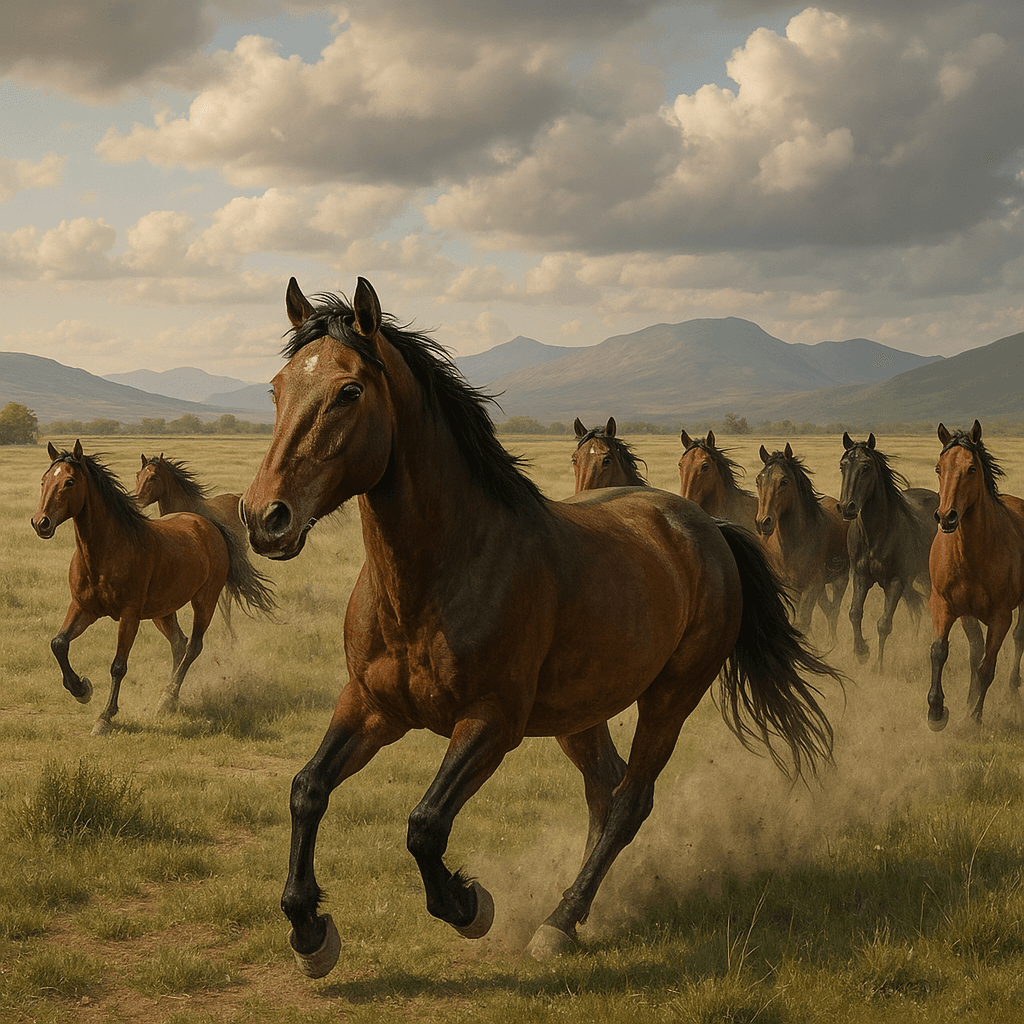
Yılkı Horses
Wild horses refer to populations of horses that have been released into the wild or live feral due to specific reasons, descending from domesticated at lineages but adapted to wild life. In Turkish culture and historical processes, wild horses have occupied a significant place in important, particularly in Anatolia regions where they have survived through natural selection as resilient animals. These horses have attracted attention throughout history from ancient times to the present day due to
EN
Feyza Afra Taşkın