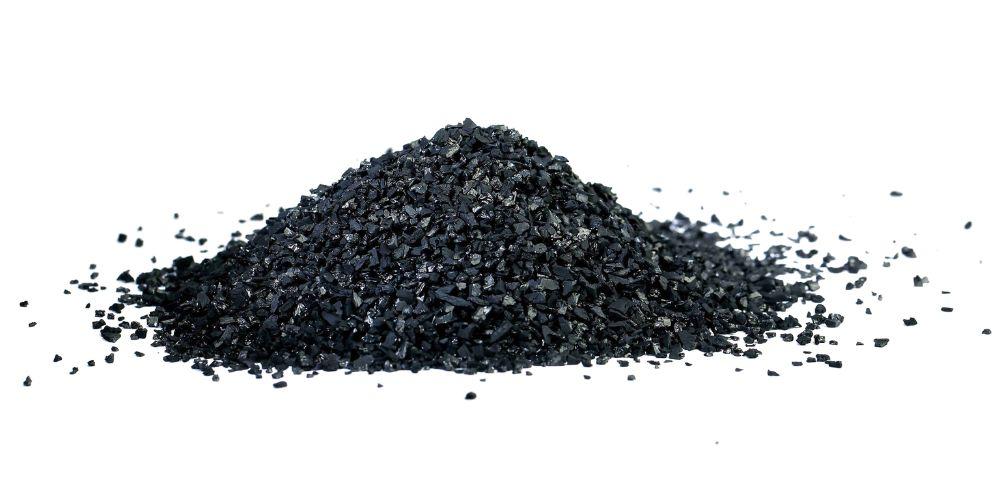
SuThe development of supercapacitor electrodes from food waste involves converting carbon-rich biomass into high-performance porous carbon materials. This process provides a sustainable and low-cost alternative to conventional electrode materials derived from fossil fuels. Various types of food waste, such as fruit peels, nut shells, and coffee grounds, are used as precursors. The conversion is typically achieved through pyrolysis and an activation process, resulting in activated carbon with a hig
EN
Muhammed Hasan

Activated carbon is a carbon-based adsorbent material characterized by high porosity and a large internal surface area. It is typically produced by subjecting carbon-rich raw materials such as coal, wood, coconut shell or peat to a process called activation at high temperatures. This activation process develops the material’s microscopic pore structure, enhancing its ability to adsorb gases, liquids and dissolved substances on its surface. These unique adsorption properties have made activated c
ENRamazan Bayat