

`accountability` Related Article Results
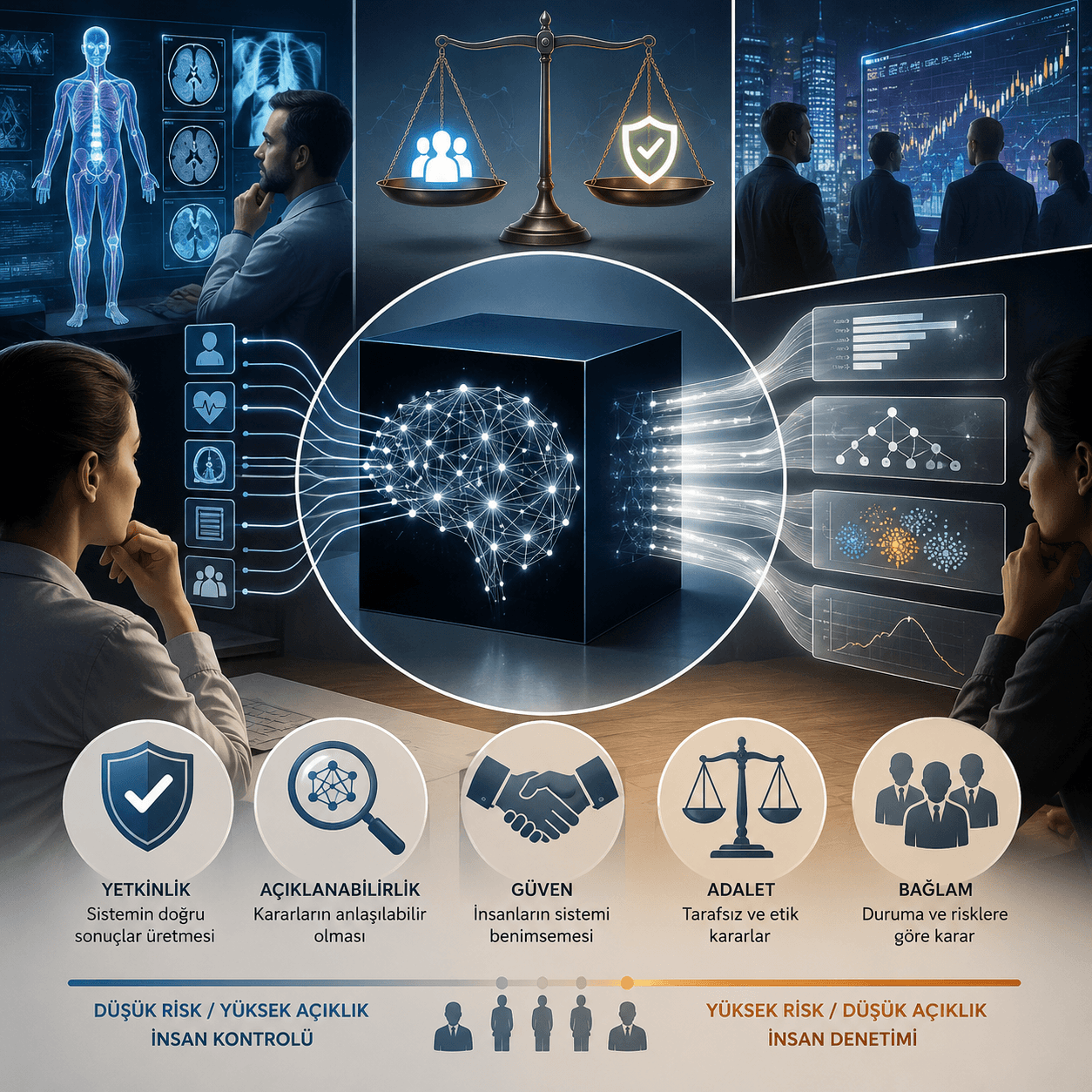
When Do People Surrender Their Decisions to Black Box Algorithms?
Artificial intelligence systems have moved beyond merely suggesting films or displaying advertisements. Today, many critical decisions—from credit applications to medical diagnoses, hiring processes to autonomous vehicles—are made or guided by AI-supported systems. However, this advancement brings forward a crucial question: How much trust can people place in algorithms whose workings they do not understand? At the heart of this question lies the “Black Box,” that is, opaque algorithms. Particul
EN
Ömer Said Aydın

62nd Session of the United Nations Human Rights Council (2026)
Sixty-Second Session of the United Nations Human Rights Council is the meeting period scheduled to begin on 15 June 2026 in Geneva, Switzerland, and continue until 7 July 2026. The session will last four weeks. The Presidency of the Council for 2026 is held by Ambassador Sidharto Reza Suryodipuro, Permanent Representative of Indonesia to the UN Office in Geneva. The session is expected to address the human rights situation in conflict zones. Schedule and General Framework Ambassador Suryodipuro,
EN
Edanur Karakoç
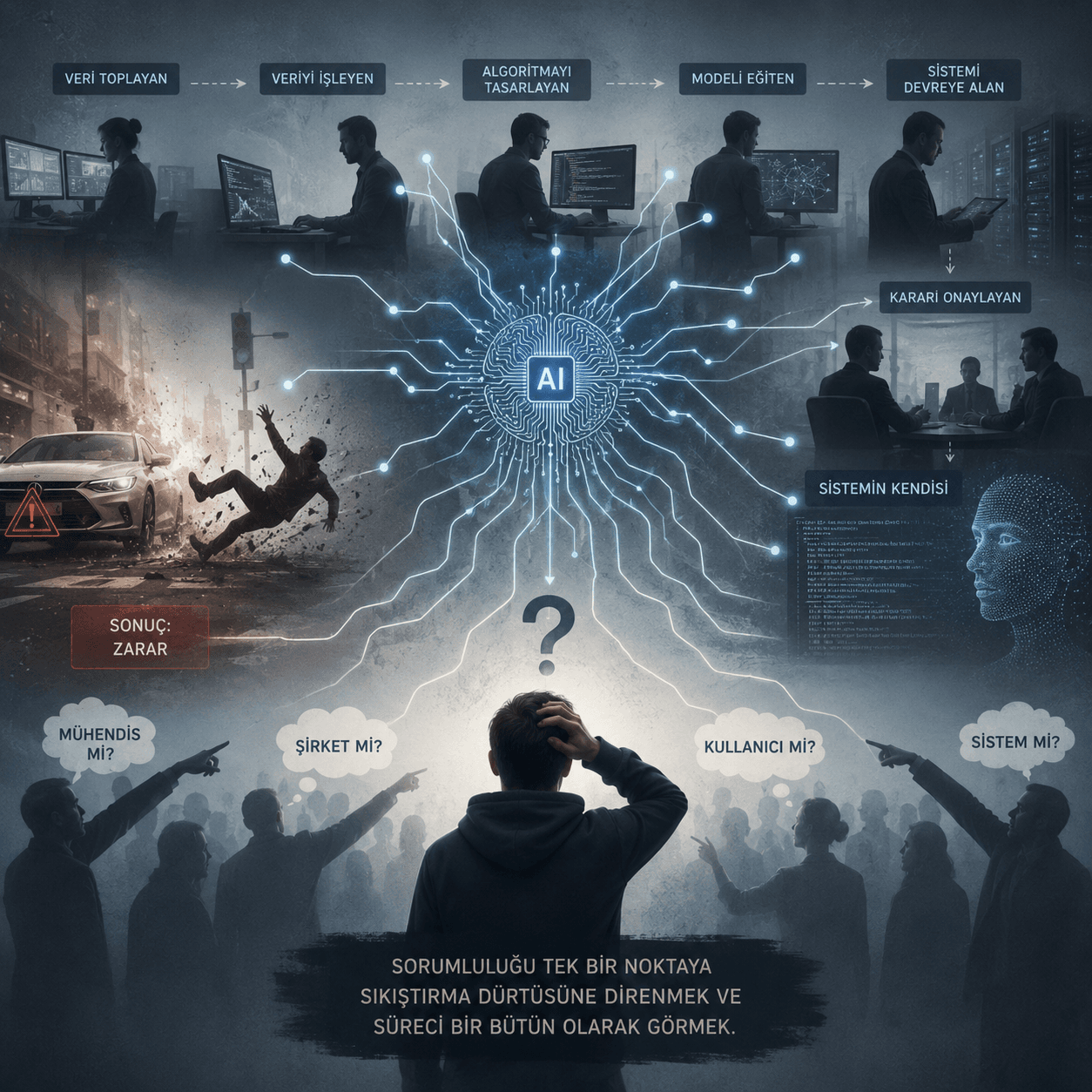
Ambiguity of the Moral Agent: Who Is the Agent in AI Decisions?
Consider the sudden maneuver an autonomous vehicle makes at the moment of collision. Or the decision of an algorithm that rejects a credit application. Or a system that prioritizes targets on a battlefield. The common thread in these scenarios is this: there is a "decision," there is a "result," but there is no "agent" in the traditional sense. The entity making the decision cannot feel regret, cannot be held accountable, and cannot be punished. The human mind has evolved over thousands of years
ENÖmer Said Aydın

Robot Ethics
Robot Ethics is an interdisciplinary field that examines value conflicts, risks, and responsibility relationships arising during the design, development, deployment, and everyday use of robots. The ability of robots to perceive, make decisions, and perform physical actions distinguishes them from purely software-based systems and directly ties ethical debate to real-world potential for harm, controllability, and social impact. Therefore, robot ethics addresses both technical safety and verificat
ENÖmer Said Aydın