


This article was automatically translated from the original Turkish version.
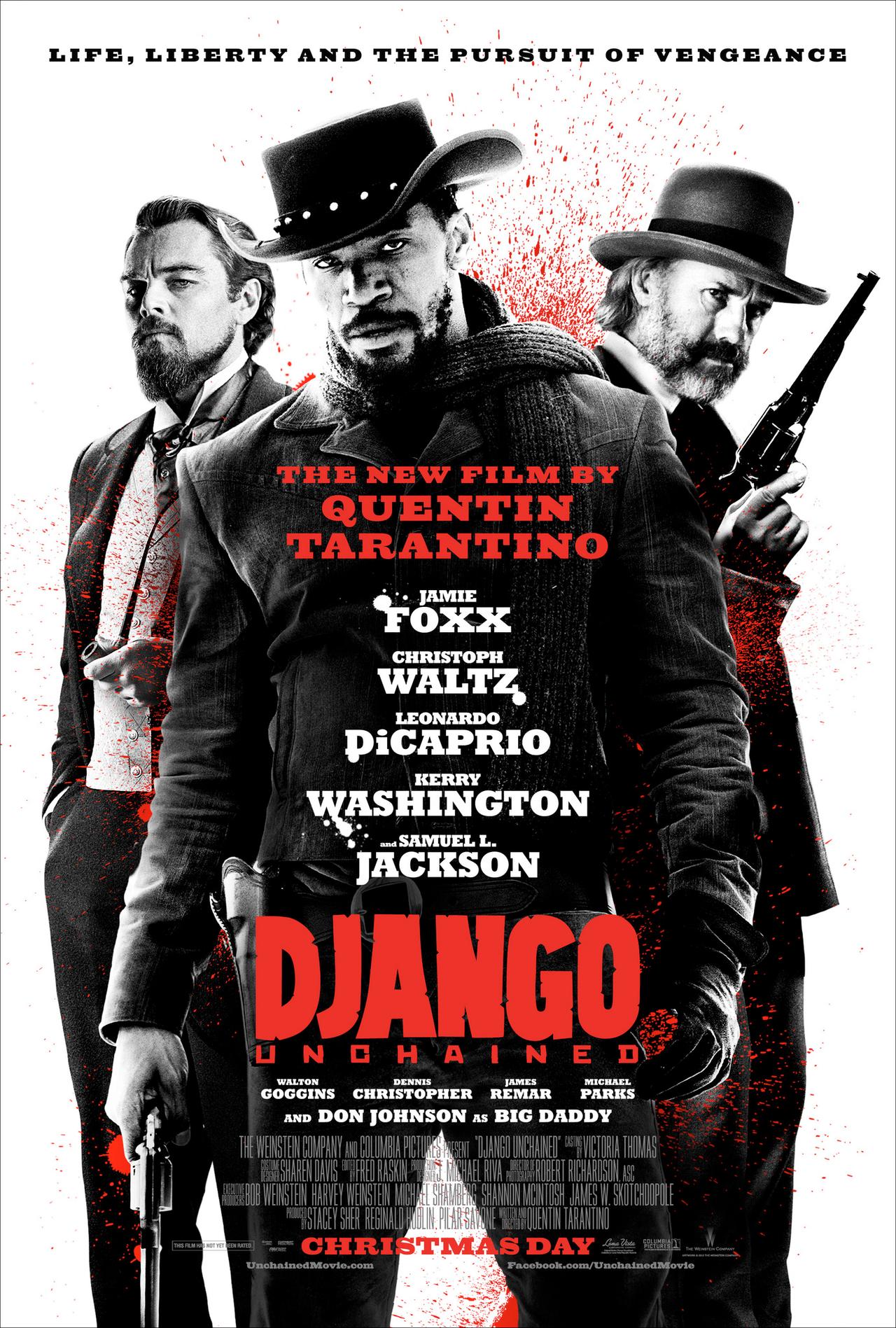
Chainless
Original Name | Django Unchained | ||||||||
|---|---|---|---|---|---|---|---|---|---|
Director | Quentin Tarantino | ||||||||
Screenplay | Quentin Tarantino | ||||||||
Genre | Drama Action Western | ||||||||
Production Year | 2012 | ||||||||
Duration | 165 minutes | ||||||||
IMDb Rating | 8.5 | ||||||||
Actor | Jamie Foxx (Django Freeman) Christoph Waltz (Dr. King Schultz) Leonardo DiCaprio (Calvin Candie) Kerry Washington (Broomhilda von Shaft) Samuel L. Jackson (Stephen) | ||||||||
Unchained is a freedom and revenge story set in the Southern states where slavery was intensively practiced before the American Civil War. Freedom The film centers on Django (Jamie Foxx), a former slave, as he fights to rescue his wife from slavery. Django is freed by Dr. King Schultz (Christoph Waltz), a German dentist and bounty hunter, who recognizes that Django possesses information about some fugitives he is pursuing and offers him partnership.
Their journey leads them to Calvin Candie (Leonardo DiCaprio), one of the most brutal plantation owners in the South. Django’s goal is to rescue his wife Broomhilda, who is held as a slave on Candie’s plantation called “Candyland.” However, this journey forces them to confront the brutal realities of slavery and the deep roots of racism.
With Tarantino’s signature distinct aesthetic of violence and black humor, Unchained offers both a modern reinterpretation of the classic Western genre and a sharp critique of historical injustices.
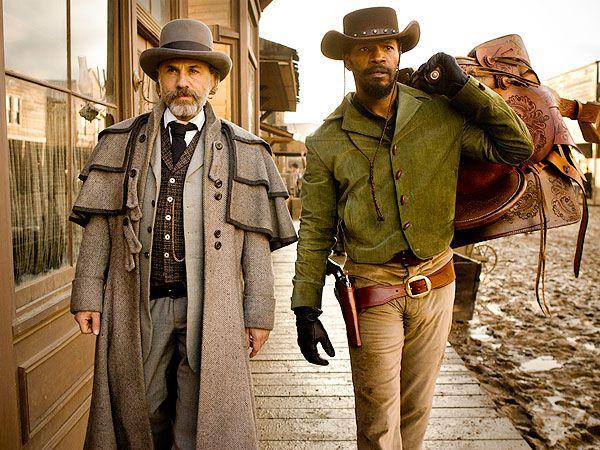
Still from the film Django –People.com
The film critiques the historical reality of slavery and the systemic nature of white supremacy. Tarantino vividly and fictitiously exposes the dark side of the past. The characters in the film represent both the victims and the willing enforcers of the slave system.
Django’s story is more than a classic revenge narrative. His journey is an effort to rebuild his identity and reclaim his human dignity. Django’s actions constitute not only a rebellion against slavery but also a personal struggle for love and justice.
Tarantino employs an unusually bold tone when addressing a heavy subject. The stylized depiction of violence, the musical selections, and the dialogue distinguish the film from a typical period drama. While this approach may disturb some viewers, it strengthens the film’s critical impact.
The character of Dr. Schultz contributes to Django’s fight for freedom as a white ally. However, the film suggests that even Schultz’s actions are morally complex. This prompts the viewer to reconsider the limits of the “good white man” cliché.
The film pays homage to the Spaghetti Western genre. While reinterpreting the Western aesthetics of the 1960s and 1970s, Tarantino places the racial realities largely ignored by the genre at its center.
Filming took place in various Southern states of the USA, using sets meticulously designed to reflect the period. The soundtrack features pieces by Ennio Morricone alongside hip-hop and blues influences, giving the film a timeless energy.
Jamie Foxx delivers a charismatic and powerful presence as Django, compellingly portraying the character’s transformation. Christoph Waltz imbues Dr. Schultz with intellectual depth and ironic sensitivity, winning the Academy Award for Best Supporting Actor. Leonardo DiCaprio portrays Calvin Candie as a cold, ruthless, and compelling villain. Samuel L. Jackson enhances the film’s impact with his portrayal of Stephen, a character who has internalized the slave system.
Unchained stands out both for its subversive structure that redefines the classic Western genre and for its courageous engagement with the heavy subject of slavery. Tarantino merges cinematic language with political and historical content to create a work that is both entertaining and disturbing. The film has earned its place among modern cinema’s important examples by supporting its critical power with its aesthetic and narrative style.
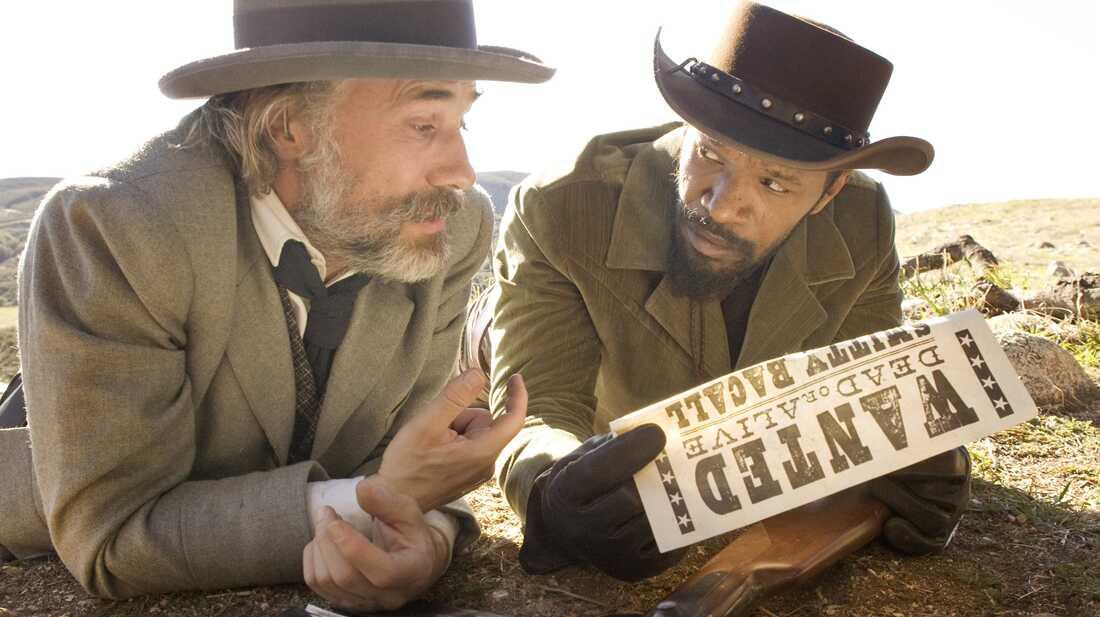
Django (Jamie Foxx) with King Schultz (Christoph Waltz), the bounty hunter who buys his freedom –NPR
Best Original Screenplay – Quentin Tarantino
Best Supporting Actor – Christoph Waltz
Best Picture
Best Cinematography – Robert Richardson
Best Sound Editing
Best Screenplay – Quentin Tarantino (Won)
Best Supporting Actor – Christoph Waltz (Won)
Best Original Screenplay – Quentin Tarantino (Won)
Best Supporting Actor – Christoph Waltz (Won)
Beyazperde. “Zincirsiz (2012).” Accessed March 26, 2025.
DergiPark. "Tarantino Sinemasında Şiddet Estetiği: Django Unchained Örneği." Accessed March 26, 2025.
DergiPark. "Tarihsel Gerçeklik ve Sanatsal Özgürlük: Zincirsiz Üzerine Bir Değerlendirme." Accessed March 26, 2025.Link
IMDb. "Django Unchained (2012)." Accessed March 26, 2025.
Sinemalar.com. "Zincirsiz." Accessed March 26, 2025.

Chainless
Original Name | Django Unchained | ||||||||
|---|---|---|---|---|---|---|---|---|---|
Director | Quentin Tarantino | ||||||||
Screenplay | Quentin Tarantino | ||||||||
Genre | Drama Action Western | ||||||||
Production Year | 2012 | ||||||||
Duration | 165 minutes | ||||||||
IMDb Rating | 8.5 | ||||||||
Actor | Jamie Foxx (Django Freeman) Christoph Waltz (Dr. King Schultz) Leonardo DiCaprio (Calvin Candie) Kerry Washington (Broomhilda von Shaft) Samuel L. Jackson (Stephen) | ||||||||
Themes and Analysis
1. Racism and Historical Injustice
2. Revenge and Freedom
3. Black Humor and Tarantino’s Aesthetic
4. White Alliance and Moral Paradox
Production Process and Technical Features
Performances
Awards and Nominations
Academy Awards (Oscars, 2013)
Wins:
Nominations:
Golden Globe Awards (2013)
BAFTA Awards (2013)