


This article was automatically translated from the original Turkish version.
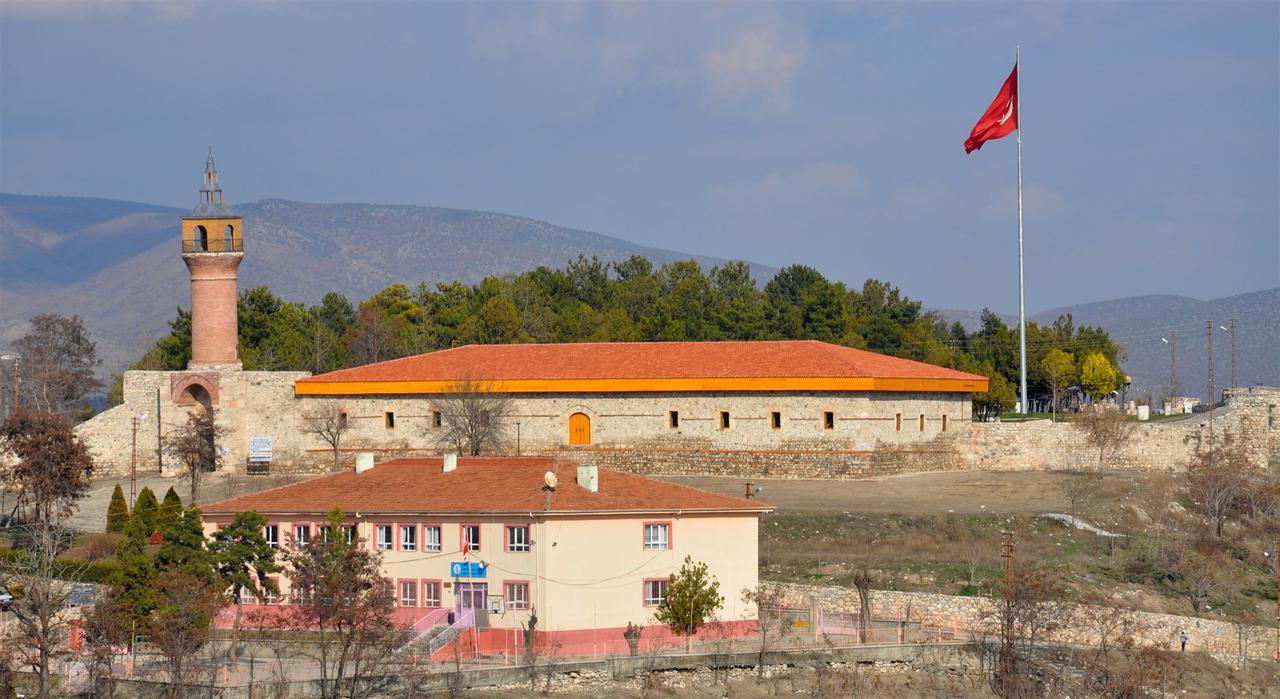
Zile Castle
Province/District | Tokat / Türkiye | ||||||||
|---|---|---|---|---|---|---|---|---|---|
Castle Type | Akropol Kale | ||||||||
Surface Area | Approximately 3.5 hectares (35,000 m²) | ||||||||
Elevation | 710 Metres | ||||||||
Historical Note | Veni Vidi Vici – Julius Caesar | ||||||||
Construction Period | 1st century AD (Roman Period) | ||||||||
Zile Castle, Tokat Province’s Zile district center, is a Roman fortress built atop an ancient höyük and possessing the characteristics of an acropolis. This structure rises at the exact center of the district and is visible from every point in the city due to its commanding position over the Zile Plain. Historical sources generally accept that the castle was constructed during the 1st century AD in the Roman period.
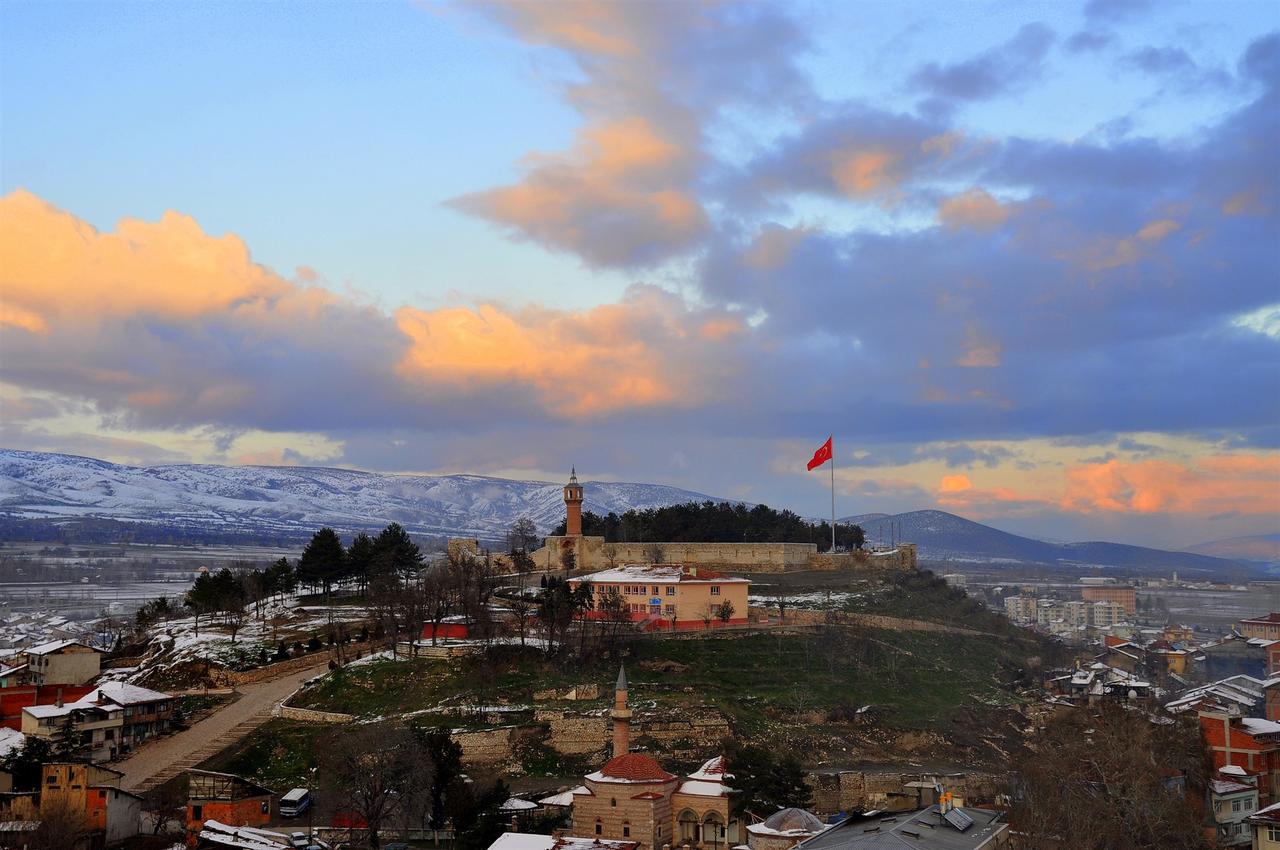
Zile Castle (Zile Municipality)
The historical origins of Zile Castle extend to antiquity. It is recorded that before the Roman period, King Mithridates of the Seleucids constructed a castle here, featuring underground passages and military sections. The castle’s most famous historical event is associated with Roman Emperor Julius Caesar’s declaration of “Veni, Vidi, Vici” (I came, I saw, I conquered) following his victory over King Pharnaces II of Pontus in 47 BC. It is traditionally believed that these words were first uttered at Zile Castle. The castle continued to be used in subsequent periods and was repaired in 1336 during the reign of Alâeddin Bey of the Ertena Beylik, who added a zaviye and various extensions to the structure.
The castle was constructed using cut and rubble stone. Its walls were reinforced with circular towers for defensive purposes. Within the interior, inscriptions and architectural fragments from the Roman and Byzantine periods are scattered. To the northeast, there remains a small theater carved into Roman-era rock. Inside the castle, there is also a clock tower and a restored water cistern.
Today, Zile Castle is an open cultural tourism site. Its structure attracts interest due to its preservation of traces of both ancient Roman architecture and the layered historical fabric of Anatolia. The municipality has restored the water cistern to its original state and preserved the historical remnants surrounding the castle. Visitors to Zile district can reach the castle via the route known as “Caesar’s Road.”
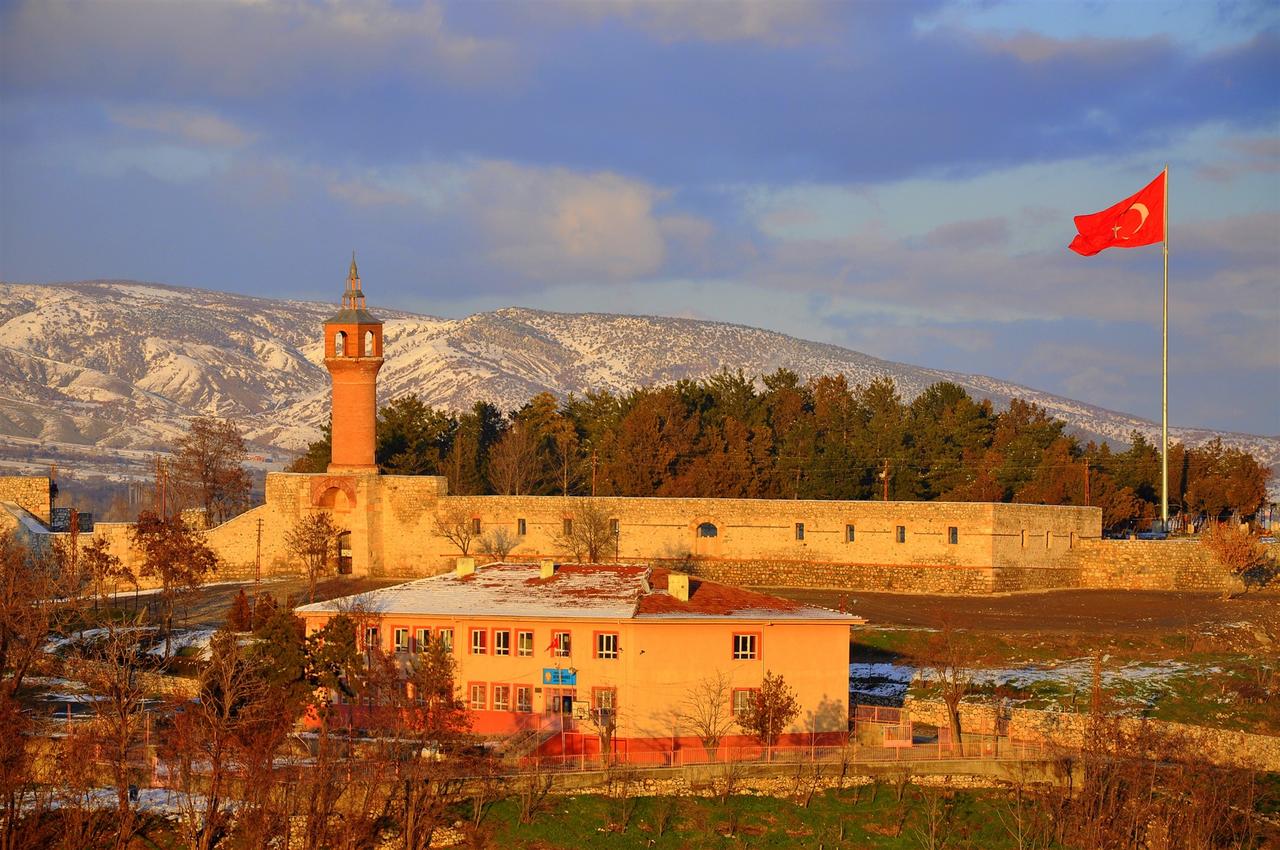
Zile Castle (Zile Municipality)
T.C. Ministry of Culture and Tourism. "Zile."Tokat İl Directorate of Culture and Tourism. Accessed April 12, 2025.https://tokat.ktb.gov.tr/tr-141157/zile.html
T.C. Zile Belediyesi. "Zile Kalesi." Zile Belediyesi. Accessed April 12, 2025.https://site.zile.bel.tr/index.php/2021/02/01/zile-kalesi/
Türkiye Kültür Portalı. "Zile Kalesi - Tokat." Türkiye Kültür Portalı. Accessed April 12, 2025.https://www.kulturportali.gov.tr/turkiye/tokat/gezilecekyer/zle-kales

Zile Castle
Province/District | Tokat / Türkiye | ||||||||
|---|---|---|---|---|---|---|---|---|---|
Castle Type | Akropol Kale | ||||||||
Surface Area | Approximately 3.5 hectares (35,000 m²) | ||||||||
Elevation | 710 Metres | ||||||||
Historical Note | Veni Vidi Vici – Julius Caesar | ||||||||
Construction Period | 1st century AD (Roman Period) | ||||||||
History
Architectural Structure
Current Condition