


This article was automatically translated from the original Turkish version.

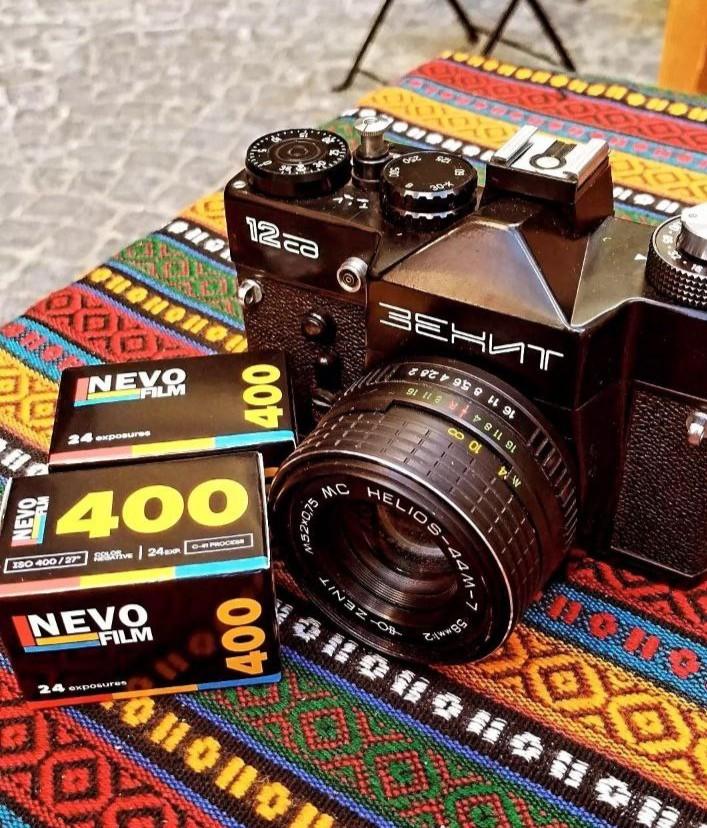
Digital age’s conveniences have made photography more accessible, yet many still seek the tactile sensation and process offered by analog cameras. The Zenit 35mm film compact photography cameras are not merely tools for capturing images; they are also a gateway to the past, transforming visual memory into a tangible door and offering a mechanical experience that makes the fleeting moment hale.
class=\
For many people overwhelmed by the speed and immediacy of the digital world, analog photography has become a renewed center of attraction. Rather than impatiently awaiting results after each shot, those who wish to focus on the process itself, embrace the slow passage of time, and make deliberate choices are drawn to the magic of film cameras. As one of the pioneers of this revival, Zenit occupies a place in photographic history not merely as a technical device but as a cultural symbol carrying the spirit of its era.
The Zenit brand was first produced in the 1950s by the Krasnogorsk Mechanical Plant (KMZ) in the Soviet Union. Initially notable for their single-lens reflex (SLR) design, Zenit cameras gradually expanded their user base through a range of models. Zenit’s 35mm film compact models, in particular, feature a structure that appeals to newcomers to photography thanks to their simplicity and durability.
With their mechanical simplicity and nostalgic texture, these cameras stand as a response to the sterility of the digital age. The direct and physical relationship between photographer and machine encourages users to invest effort into each frame, fostering a deeper understanding of light and time. In this regard, Zenit is not merely a camera; it is a school of photography that elevates patience, care, and creativity.
Today, Zenit still finds its place in the hands of many analog enthusiasts, standing as one of the rare brands that bridge the aesthetics of the past with contemporary pursuits. Especially when paired with Soviet-made Helios lenses, Zenit cameras produce not only images but also emotion. This makes them valuable not only technically but also emotionally.
class=\
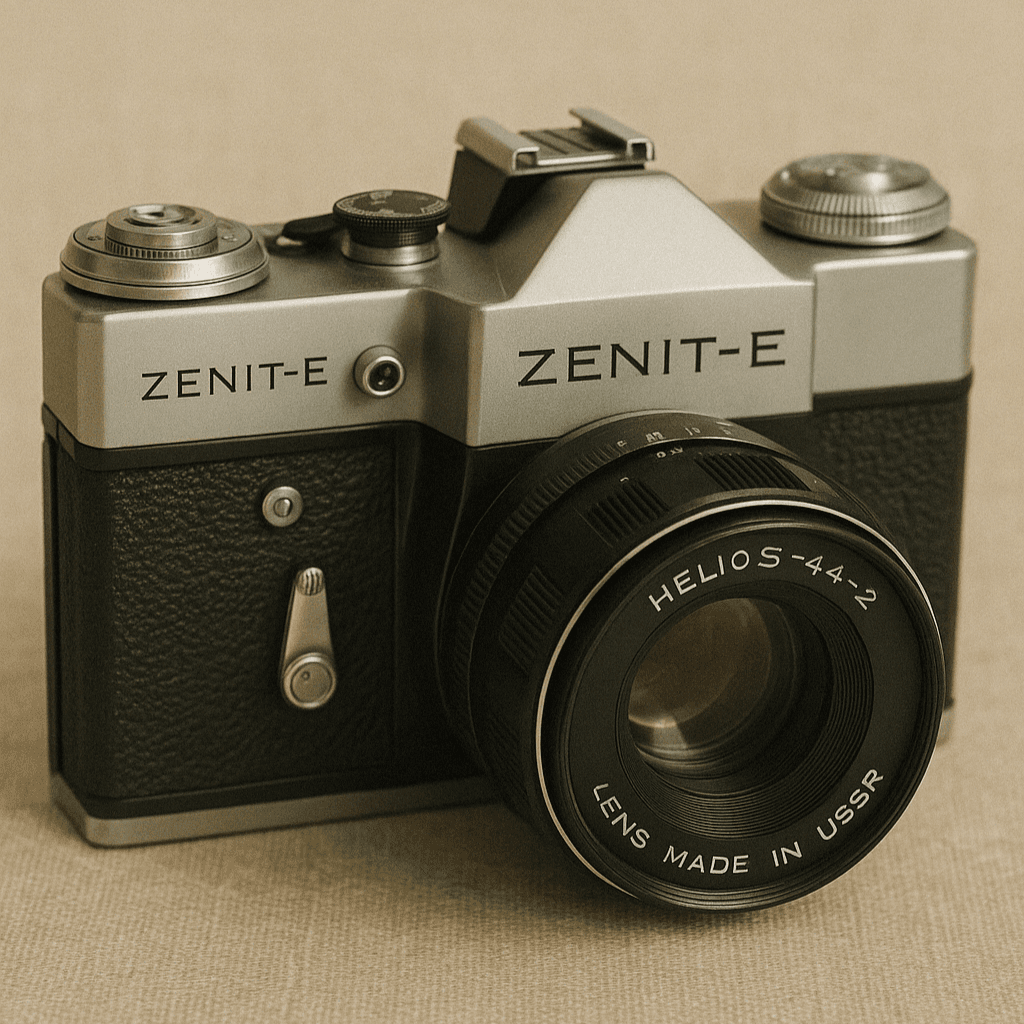
Zenit’s 35mm compact models offer designs that have withstood the test of time, particularly in their appearance and functionality, instilling confidence in users. These cameras are typically constructed with a metal body, providing a robust structure resistant to hard impacts. The control levers, film winding knobs, and adjustment rings are simple yet functional, allowing direct physical interaction from the user. Manual adjustment options enable photographers to directly control fundamental elements such as shutter speed, aperture, and focus. This ensures that each frame results from a conscious decision.
Zenit’s compact design enhances portability while making the camera easy to hold and fostering a sense of unity with the user during use. With its minimalist aesthetic, free from unnecessary details, these cameras do not distract users with menus or complex digital settings; instead, they encourage focus on the essentials: composition, light, and main subject.
The shutter sound is deep, powerful, and satisfying; each press delivers a physical feedback and reinforces the seriousness of capturing a frame. The camera’s optical viewfinder provides sufficient accuracy for framing and creates an ideal viewing experience for those who focus on visual composition. Most Zenit models lack digital assistance mechanisms such as autofocus, autoexposure, or light meters. This is not merely due to technical limitations but also a philosophical choice: Zenit demands the user’s full participation in the process, requiring them to invest their effort and attention into every frame. This understanding treats photography as a craft, a form of attention, and a practice of awareness.

class=\
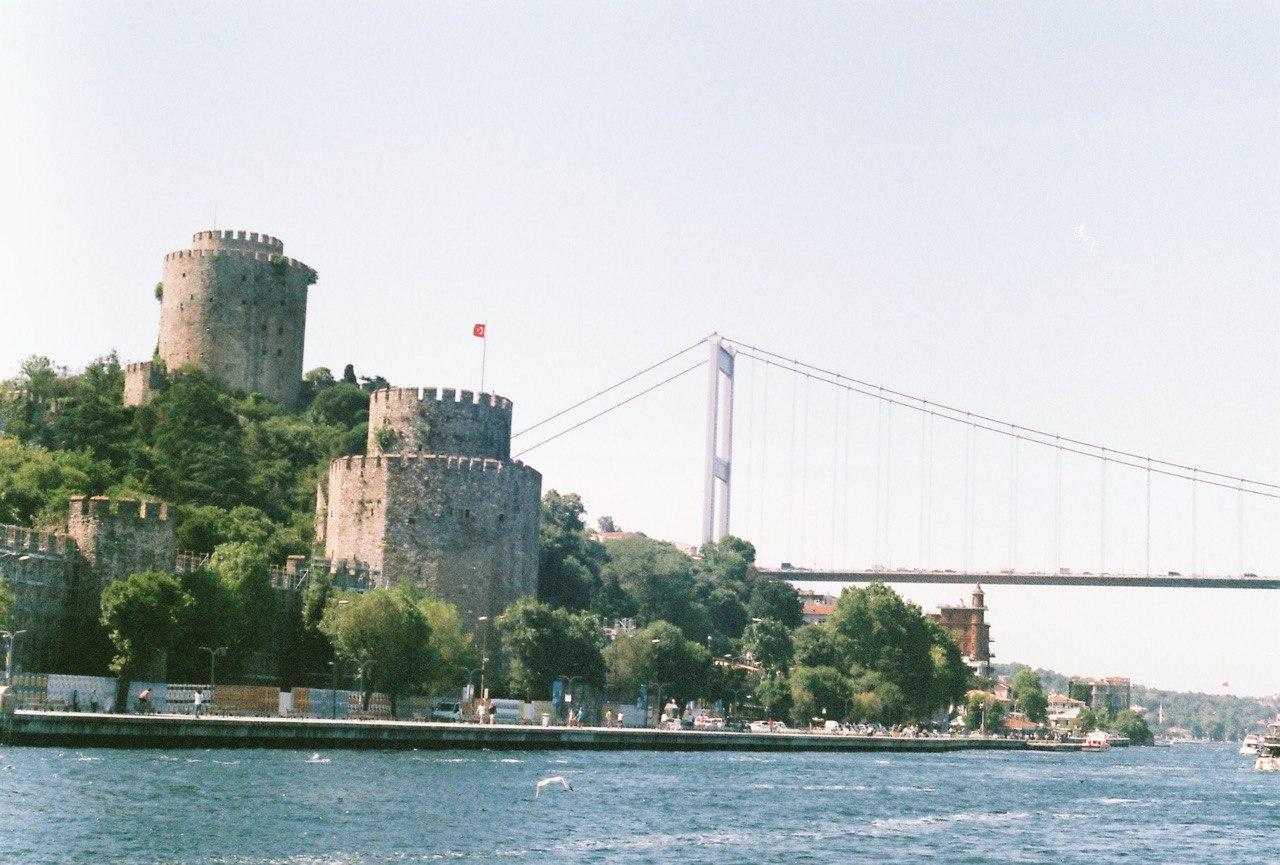
Zenit cameras often use Soviet-made lenses such as Helios or Industar. These lenses are known for their distinctive “bokeh” effect in portraits and characteristic contrast. Some Zenit compact models are produced with fixed lenses, typically with a focal length of 35mm or 50mm and an aperture around f/2.8.
The resulting images may not be technically flawless, but they evoke a emotionally charged and cinematic feeling—among the primary effects sought by those who prefer analog photography.
Zenit’s 35mm film compact cameras appeal to a broad audience, from those new to photography to experienced analog enthusiasts. They offer an ideal starting point for individuals accustomed to the speed and automation of the digital age but who wish to return more consciously to the essence of photography—the art of writing with light.
Zenit models, with their fully manual operation, involve users in every stage of the process. This makes them an exceptional learning environment for students learning photography, creative individuals interested in visual arts, or young artists seeking to build an analog-based portfolio. Zenit’s limitations become powerful tools for creative expression—not restricting you, but encouraging mindful creation by placing responsibility for every decision in your hands.
At the same time, Zenit offers a meaningful alternative for collectors drawn to nostalgia, social media content creators who value retro aesthetics, or everyday users who simply wish to capture a few frames during a quiet walk in the city or nature. For anyone who carries aesthetic sensitivity, values slowness as a value, and desires to make conscious choices with each frame, Zenit is a symbol of a visual fidelity and patience long forgotten in the digital age.
In short, Zenit is not merely a machine; it is a quiet yet powerful companion on the journey of anyone who wishes to sharpen their observation skills, learn to capture moments, and draw closer to the craft of photography.

class=\
The primary advantage of Zenit’s 35mm film compact cameras is their full manual control. This allows users to set shutter speed, aperture, and focus themselves, making them highly educational from a technical standpoint. Their robust, mostly metal construction ensures they can be used for many years. In addition, their distinctive image quality and vintage aesthetic provide an atmosphere that digital cameras struggle to replicate. Despite all this, these cameras remain available at affordable prices on many secondhand markets, making them attractive in terms of value for money.
However, Zenit cameras do have some drawbacks. The absence of a light meter and automatic modes in many models can be challenging for beginners. Additionally, the costs of film and developing accumulate over time and can become more expensive than digital alternatives. Finally, in some regions, availability of spare parts and technical service support is limited, which may cause difficulties in maintenance and repair.
class=\
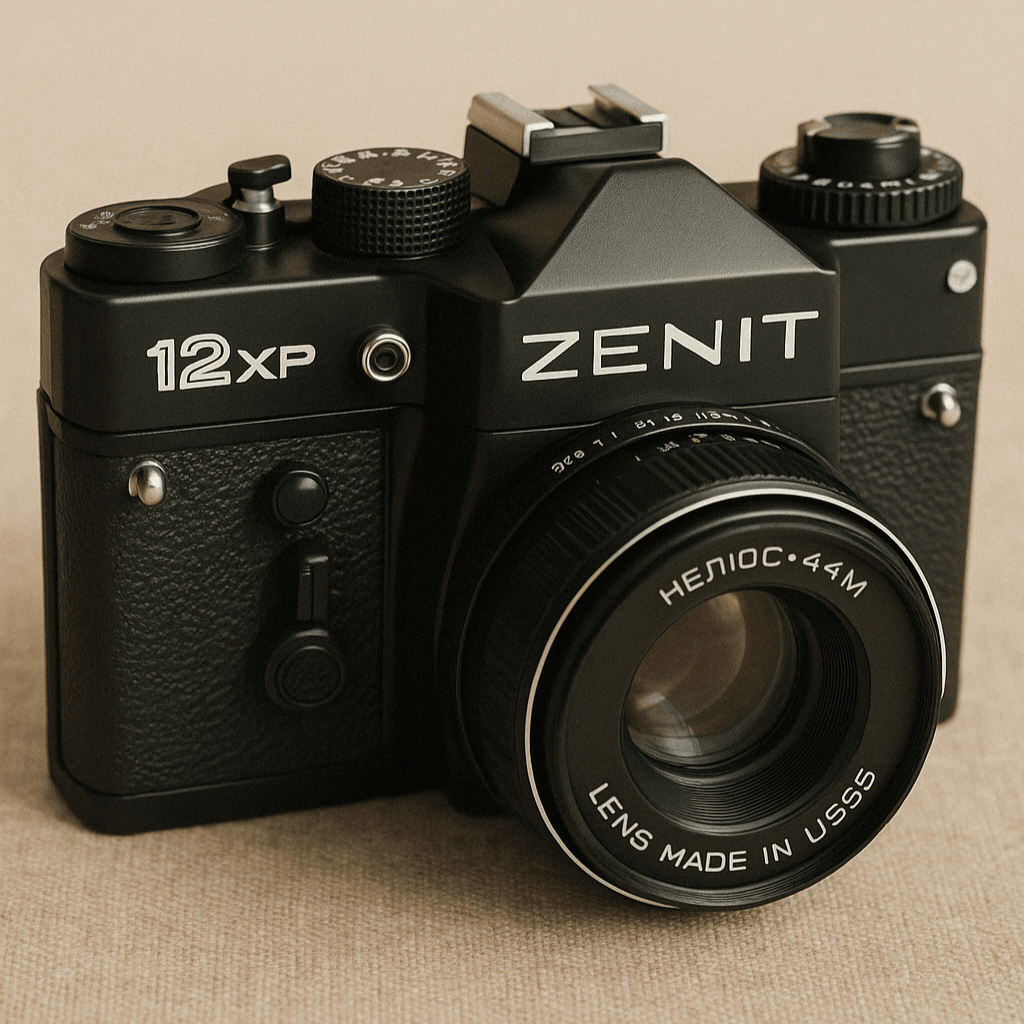
Over many decades, the Zenit brand has developed numerous models, each shaped according to the technological and aesthetic expectations of its time and targeting different user profiles. Below are some of Zenit’s prominent 35mm film SLR models:
Each of these models reflects a stage in Zenit’s technical evolution. Series that introduced TTL metering systems or more compact bodies offer alternatives for different user profiles. For collectors and analog enthusiasts, these models hold both functional and historical value.
class=\
Zenit’s 35mm film compact analog cameras are not merely photographic tools; they are time machines. Consciously selecting each frame, hesitating before pressing the shutter, and seeing results only days later add profound value to your analog photography.
For those drawn to analog photography, Zenit is both a tool that aids the technical learning process and the starting point of an emotional journey. In today’s digital intensity, Zenit remains a powerful alternative for anyone seeking to slow down and notice the moment.
Analoghane. "Zenit 6." Analoghane. Accessed April 21, 2025.https://www.analoghane.com/p/zenit_6.html.
Mihrimah Sahaf. "Zenit 11 Analog Fotoğraf Makinesi İncelemesi." Mihrimah Sahaf. Accessed April 21, 2025.https://www.mihrimahsahaf.com/zenit-11-analog-fotograf-makinesi-incelemesi/.
Photography Academy. "Analog Fotoğraf." Photography Academy. Accessed April 21, 2025.https://fotografakademi.com.tr/analog-fotografcilik/analog-fotograf-makinesi.
History and Legacy
Design and Use
Lens Quality and Image Character
Who Is It For?
Advantages and Disadvantages
Advantages
Disadvantages
Models