

Death Year | 1851 | ||||||||
|---|---|---|---|---|---|---|---|---|---|
Birth Year | 1765 | ||||||||
custom_key_1118192 | Sultan Memduh | ||||||||
custom_key_1118191 | Ayşe Hatun | ||||||||
custom_key_1118190 | Şeyh Mustafa Fani | ||||||||
Zemzem-ül Hassa Hatun was a prominent female figure in 18th and 19th century Anatolia known for her religious life. She was born in 1765 (Hijri 1178) in Siirt. Her father was Sheikh Mustafa Fani and her mother was Aisha Hatun. She was both the wife and the niece of Sultan Memduh, who was also known as Gavs-ül Memduh. According to her mother, during her pregnancy a hidden spiritual being foretold that Zemzem-ül Hassa would be a righteous child. Shortly after her birth, when she was only fifteen days old, her body was observed to be enveloped in a divine light, a phenomenon interpreted by her father as a sign that she would become a spiritually significant figure.
Zemzem-ül Hassa spent her childhood and youth under the religious upbringing of her parents. She demonstrated deep devotion to worship and remembrance of God, dedicating her life to earning His pleasure. At the age of sixteen she married Gavs-ül Memduh. It is recorded that she authored a divan, a collection of poetic works, which reflects her religious and literary dimensions.
During her marriage to Gavs-ül Memduh, she frequently experienced spiritual phenomena. For instance, during a conversation she claimed to have seen the Virgin Mary, but upon her husband’s inability to perceive her, she fainted. In another incident, her voice rose loudly during dhikr, causing gossip among those nearby. When warned through her brother Molla Hamid, she stated that Gavs-ül Memduh would soon enter a similar spiritual state, and this indeed occurred a month later.
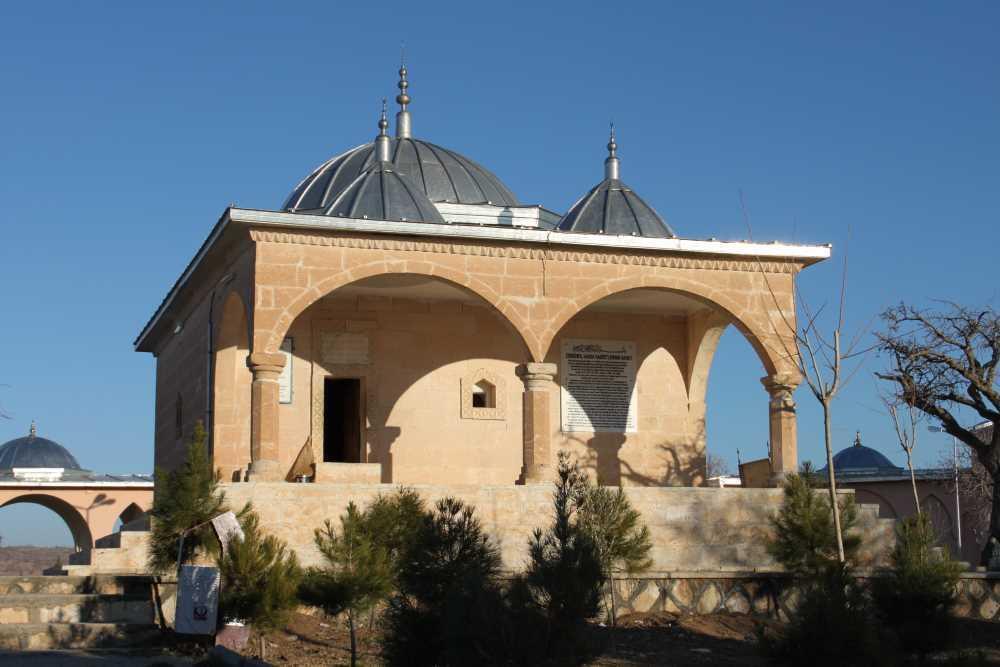
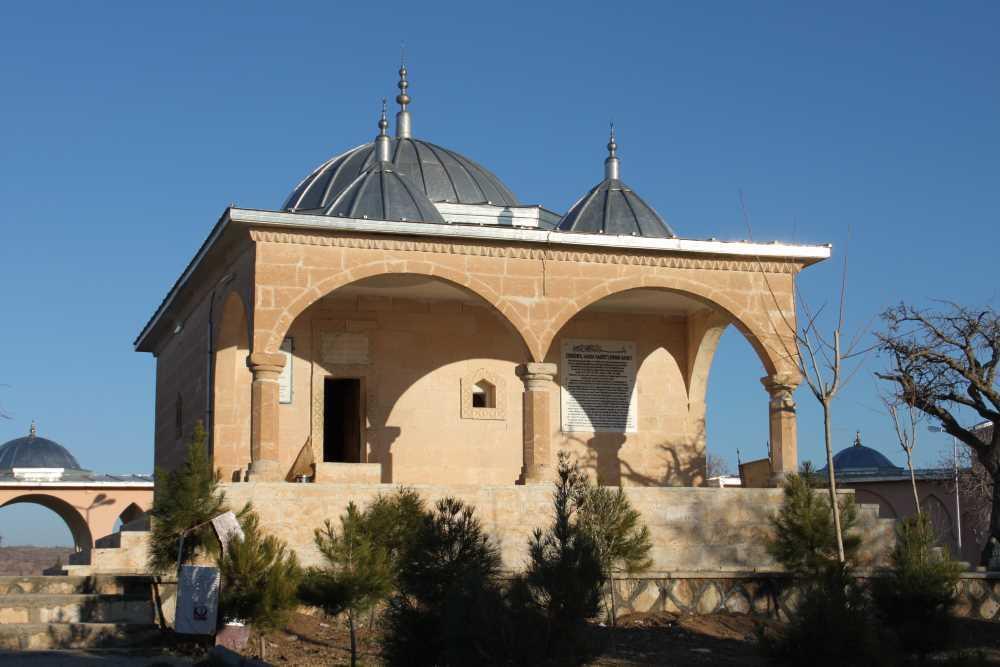
Zemzem-ül Hassa had a small mosque built on Tuvayle Hill in the Tillo region of Siirt. Some local scholars criticized the mosque for resembling the Kaaba and demanded its demolition. However, Zemzem-ül Hassa asserted that the mosque bore the name “Alem-ül Hüda” (The Sign of Guidance) and had been constructed solely for the worship of God. This explanation prevented its destruction. During a visit by the qadi of Siirt, Haji Omar, her firm stance and emphasis on the spiritual significance of the mosque silenced the scholars’ objections. Later, the mosque was rebuilt on a hill approximately three kilometers from Tillo and expanded into a külliye.
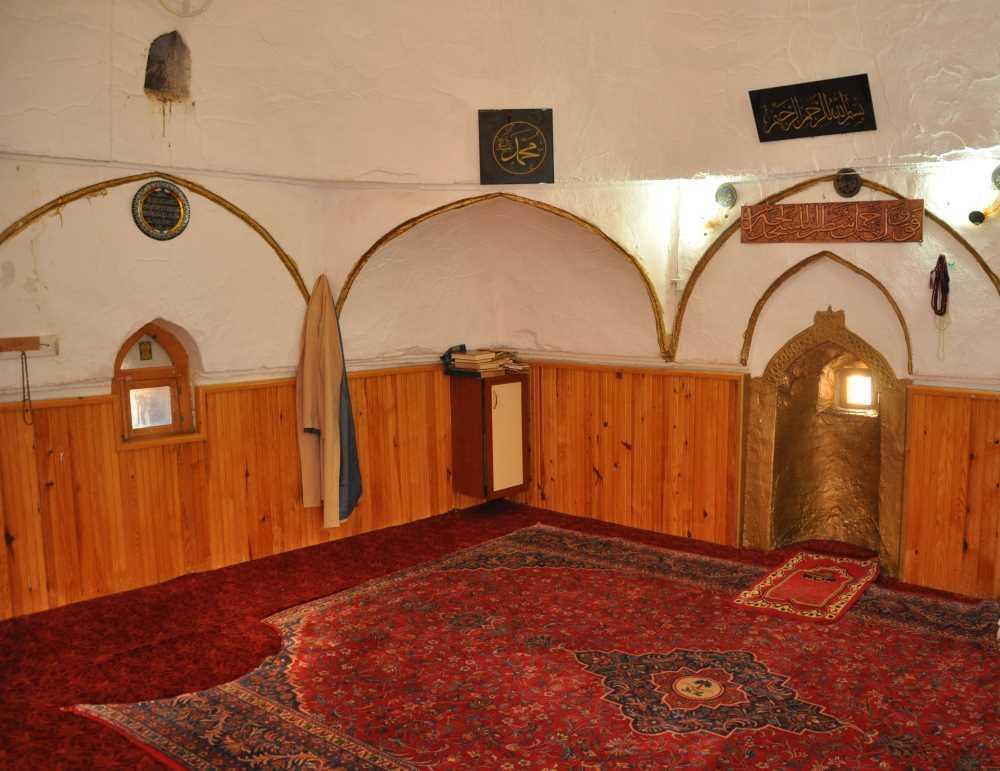
Zemzem-ül Hassa Hatun CamiiSiirt Provincial Directorate of Culture and Tourism
Zemzem-ül Hassa died in Siirt in 1851 (Hijri 1268). She was buried beside the tomb of Gavs-ül Memduh, and her grave has remained a site of visitation to this day. The Zemzem-ül Hassa Hatun Camii in Tillo preserves her memory. It is also known that in 1890, Bediüzzaman Said Nursi resided at the Kubbe-i Hasiye in this region and memorized his work Kamus-u Okyanus. Zemzem-ül Hassa’s life and religious devotion have secured an important place among the female saints of Anatolia.
Ehli Sünnet Büyükleri. "Zemzem-i Hassa." Evliyalar Ansiklopedisi. https://www.ehlisunnetbuyukleri.com/Evliyalar-Ansiklopedisi/Detay/Turkiye-Siirt-ZEMZEM-I-HASSA/564. Accessed June 19, 2025.
T.C. Ministry of Culture and Tourism, Siirt Provincial Directorate of Culture and Tourism. "Zemzemül Hassa Hatun Camii." Accessed June 19, 2025.

Death Year | 1851 | ||||||||
|---|---|---|---|---|---|---|---|---|---|
Birth Year | 1765 | ||||||||
custom_key_1118192 | Sultan Memduh | ||||||||
custom_key_1118191 | Ayşe Hatun | ||||||||
custom_key_1118190 | Şeyh Mustafa Fani | ||||||||
No Discussion Added Yet
Start discussion for "Zemzem-ül Hassa Hatun" article