+2 More

Date of birth | 1931-12-06 | ||||||||
|---|---|---|---|---|---|---|---|---|---|
Date of death | 1996-09-24 | ||||||||
Occupation | Composer Poet Actor Singer | ||||||||
Music genre | Turkish art music, Classical Turkish music | ||||||||
Education | Istanbul Boğaziçi High School Istanbul State Academy of Fine Arts - Department of High Decoration (Graduate 1954) Bursa 2nd Middle School Bursa Osmangazi Primary School | ||||||||
Major achievements | 1991: Title of 'State Artist' 1955: First Gold Record award in Türkiye with 'Manolya' More than 600 records and cassettes More than 300 compositions 44 works in TRT repertoire 1976: First Turkish artist to perform at Royal Albert Hall | ||||||||
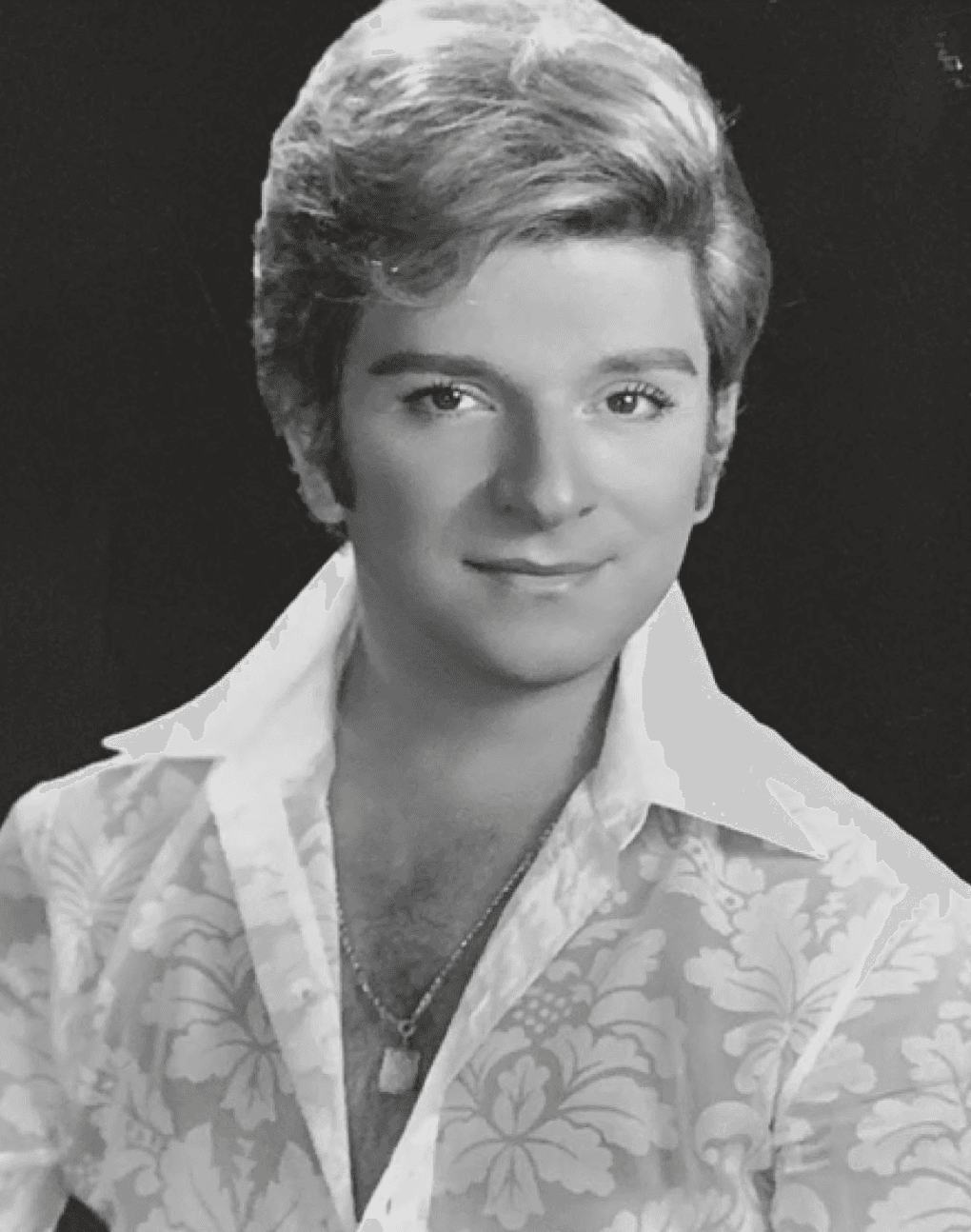
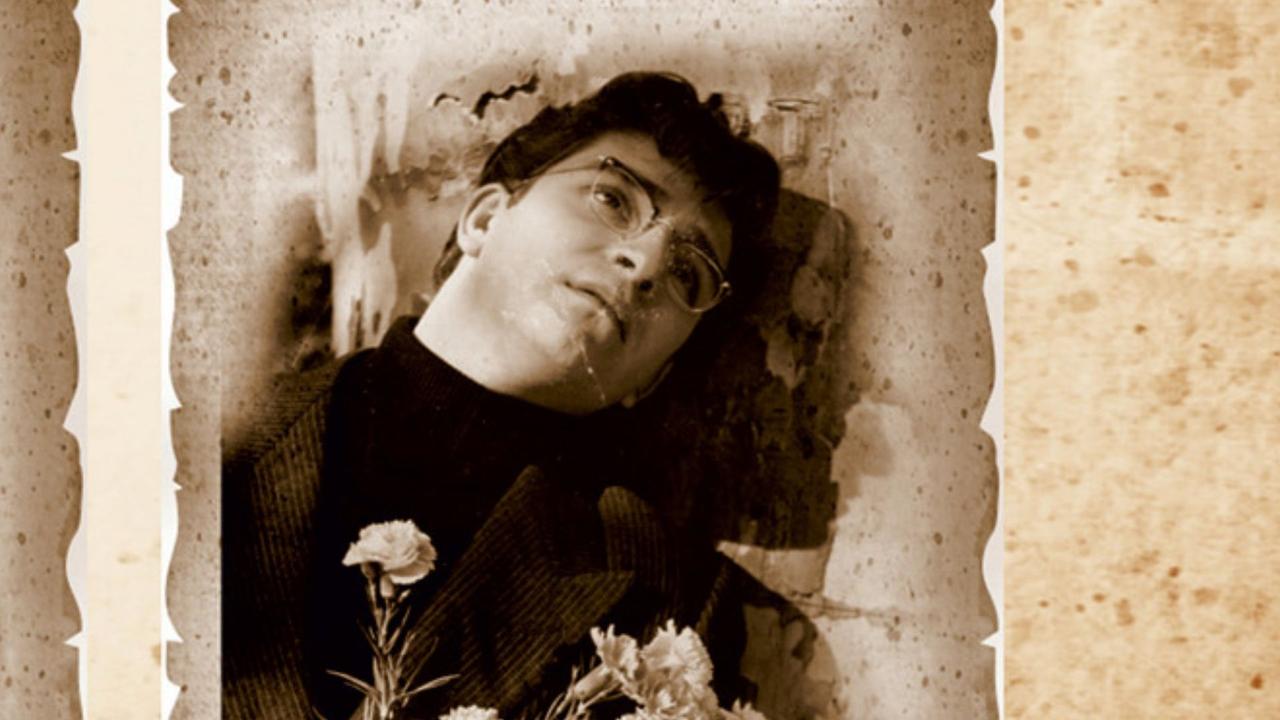
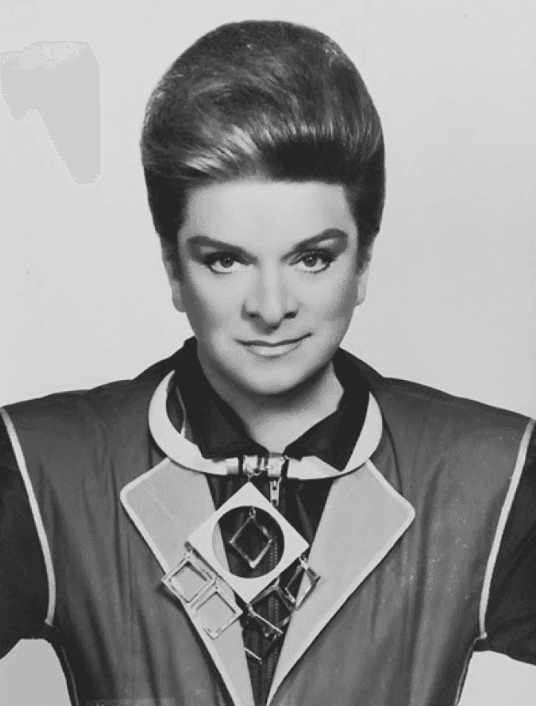
Zeki Müren (6 December 1931, Bursa – 24 September 1996, İzmir) was one of the most renowned artists of Turkish art music, as well as a composer, performer, poet and actor. He began his musical career in 1950 after passing an examination at Istanbul Radio, and produced hundreds of recordings and cassette works alongside composing numerous compositions. Müren also appeared in cinema and theatre, leaving a lasting mark on Turkey’s artistic life through his distinctive stage designs and costumes.
Zeki Müren was born on 6 December 1931 in Bursa. The house where he was born is a two-story wooden mansion located in the Hisar neighborhood on Ortapazar Street. His father, Kaya Müren, was a timber merchant and his mother, Hayriye Müren, was a homemaker. The family had migrated from Üsküp to Bursa. Müren grew up as the only child in the family. In childhood, his delicate build, fragile appearance and calm personality drew attention around him.
Müren had the opportunity to attend theatre performances, concerts and parties during visits to Istanbul with his grandparents, especially his grandmother Hayriye Hanım. These experiences formed the foundation of his interest in art and the stage. The lullabies sung by his mother Hayriye Hanım with her beautiful voice further strengthened his musical inclination. According to Müren’s own accounts, his grandfather also had a powerful voice, and vocal beauty was passed down through generations in the family.
In his childhood, Müren sang songs in front of mirrors, assumed different roles in his games and never parted from his doll, which he named Tomris. These early experiences became important elements in shaping his later stage persona and theatrical demeanor.
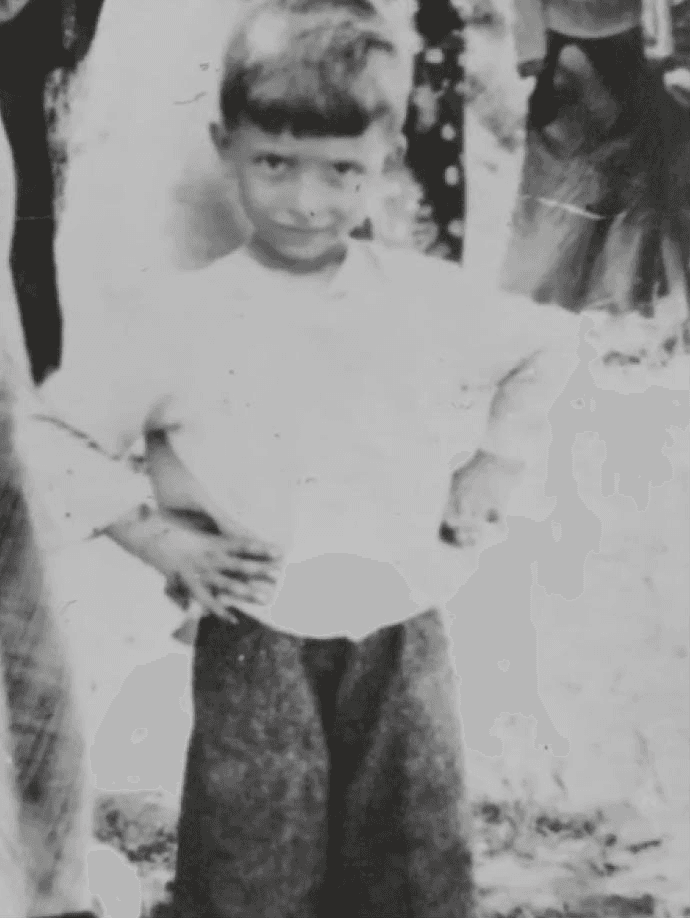
Zeki Müren's childhood. (Çoban, Cezmi. Atılgan, Zeynep. - "Bodrum'un Sanat Güneşi Zeki Müren.")
Zeki Müren began primary school at Osmangazi Primary School in Bursa, where he attracted the attention of his teachers with his powerful voice during school concerts. His first role was as a shepherd in a school performance. While girls around him danced, he sang in a rustic shepherd costume and cried as required by the role. This experience marked his first encounter with the stage.
He completed his secondary education at the 2nd Middle School in Tahtakale, Bursa. During this period, his interest in music became more pronounced, and he began developing his musical knowledge by taking solfège and rhythm lessons from tamburi İzzet Gerçeker.
After middle school, driven by his fascination with the big city and his artistic aspirations, he wished to move to Istanbul. With his father’s approval, he enrolled as a boarding student at Boğaziçi High School. The education he received there strengthened both his academic and artistic abilities. Concerts, cultural evenings and moral nights at Boğaziçi High School provided him with a platform to gain stage experience. Encouraged by his friends, he frequently sang during class breaks, and his teachers and peers noticed the beauty of his voice.
During his high school years, he took lessons from renowned teachers in Istanbul to further his musical training. He learned notation and rhythm from Şerif İçli, classical repertoire from Refik Fersan, and various makam knowledge from Agopos Alyanak and Udi Krikor Efendi. During this period, his repertoire expanded rapidly, and he memorized nearly 4,000 pieces.
Zeki Müren began his musical education in middle school in Bursa with lessons from tamburi İzzet Gerçeker. After moving to Istanbul, he further developed his knowledge through private lessons from leading musicians of the era. He learned notation and rhythm from Şerif İçli, classical repertoire from Refik Fersan, and various makams and compositions from Agopos Alyanak and Udi Krikor Efendi, rapidly expanding his repertoire to an extraordinary degree.
Even during his high school years, his vocal power and vast repertoire drew attention. In 1949, he composed his first piece, beginning with the verse “Zehretme Bana Hayatı Cânânım” in the Acemkürdi makam, marking a significant turning point in his career as a composer.
In his final year of high school, he recorded his first disc, singing Şükrü Tunar’s composition “Bir Muhabbet Kuşu”. This recording helped him gain recognition both in Istanbul and throughout Anatolia.
Zeki Müren - Bir Muhabbet Kuşu (1951). (Coşkun Plak YouTube Channel)
His most important step came in 1950 when he won the soloist examination opened by Istanbul Radio. Selected first among 186 candidates, he impressed the jury with his ability to memorize nearly 4,000 songs.
On 1 January 1951, he gave his first live concert on Istanbul Radio. The concert was met with great interest from both art music listeners and a broader public. During his debut performance, he sang not only classical pieces but also a folk song, demonstrating his ability to appeal to diverse tastes. Following the concert, Istanbul Radio received numerous letters and phone calls, leading to the assignment of regular radio programs to Müren.
From 1951 to 1959, through weekly live broadcasts, he reached audiences across Turkey and quickly became a nationally recognized figure. TRT’s dominance as the most powerful communication medium in Anatolia during those years played a crucial role in expanding Müren’s fame to mass audiences.
In 1955, the artist won Turkey’s first-ever Gold Record award for his song “Manolyam”. During this period, the recordings he made were mostly his own compositions, bridging classical Turkish music with the emerging Turkish art music tradition.
Zeki Müren - Manolyam (Official Audio). (Avrupa Müzik YouTube Channel)
In the 1960s, Müren increased his recording output and began performing works aligned with the popular music trends of the time. In addition to his own compositions, he incorporated songs by other composers into his repertoire, and the records released during this period reached wide public audiences.
During the 1970s, his recording activities continued, and he expanded his repertoire to include arrangements, tangos and folk music adaptations alongside Turkish art music. Many of the songs he performed in cabarets were later recorded, further diversifying his repertoire.
"Senede Bir Gün" (1970), "Pırlanta 1" (1973), "Pırlanta 2" (1973), "Pırlanta 3" (1973), "Pırlanta 4" (1973), "Hatıra" (1973), "Anılarım" (1974), "Mücevher" (1975), "Güneşin Oğlu" (1976), "Nazar Boncuğu" (1977), "Zirvedeki" (1977), "Sükse" (1978) were among the albums he released during this period.
Zeki Müren - Nasıl Geçti Habersiz (1972). (Grafson YouTube Channel)
The 1980s were a period in which Zeki Müren reduced his live performances but continued producing records and cassettes. The albums released during these years preserved the classical style of art music while also adapting to the popular music sensibilities of the time.
"Eskimeyen Dost" (1982), "Hayat Öpücüğü" (1984), "Masal" (1985), "Helal Olsun" (1986), "Aşk Kurbanı" (1987), "Gözlerin Doğuyor Gecelerime" (1988), "Ayrılık İşte" (1989), "Karanlıklar Güneşi" (1989), "Şarkılar" (1989), "Dilek Çeşmesi" (1989), "Bir Tatlı Tebessüm" (1990), "Doruktaki Nağmeler" (1991), "Sorma" (1992) were among the albums he released during these years.
Throughout his artistic career, he recorded over 600 albums and cassettes and composed more than 300 songs. Approximately half of these were entirely his own compositions in both lyrics and music. Forty-four of his works remain in the TRT repertoire and are still performed today.
Among Müren’s compositions, the most well-known include “Zehretme Bana Hayatı Cânânım” (1949), “Şimdi Uzaklardasın”, “Elbet Bir Gün Buluşacağız”, “Bir Demet Yasemen”, “Hep O Şarkı” and “Kalbimin Sahibi”.
Additionally, songs such as “Beklenen Şarkı”, “Kırık Plak” and “Son Beste”, which were featured in films, have become enduring parts of the era’s cultural memory.
Müren’s music served as a bridge between classical Turkish music and Turkish art music from the 1950s to the 1970s, incorporating both traditional and popular elements to win the public’s affection.
Zeki Müren - Elbet Bir Gün Buluşacağız (Original Record). (Plak Sevdası YouTube Channel)
The most frequently used makams in Müren’s compositions were Muhayyerkürdî and Nihavend. He also composed works in Acemkürdi, Uşşak, Hicaz, Suzinak and Kürdilihicazkâr makams. His compositions favored a simple, accessible language and easily recognizable melodies that resonated with the general public. In terms of rhythm, he primarily used Düyek and Semai meters, and also incorporated Nim Sofyan, Curcuna and Aksak rhythms.
The most common theme in his songs was love and affection, often followed by motifs of “sadness” (separation, pain, longing) and “nature-flowers.” He generally used syllabic meter in his lyrics, avoiding heavy Ottoman Turkish constructions in favor of plain Turkish. This approach facilitated the widespread acceptance of his works by broad audiences.
Zeki Müren’s stage career began with his first major concert at the İzmir Fair in 1954. This concert became the precursor to the regular fairs and cabaret programs that followed in later years. The same year, his agreement with the Küçük Çiftlik Park Cabaret in Dolmabahçe marked the beginning of his professional stage life.
When performing in cabarets, Müren aimed to stand out not only through his voice but also through visual presentation and stage design. Aware that his audience were also spectators, he introduced striking changes to his stage presentation:
Zeki Müren’s stage demeanor extended beyond costumes. When addressing his audience, he adopted a warm and intimate tone, using expressions such as “My beloved listeners, my loves, the beauties of the world”.
In 1976, he performed at London’s Royal Albert Hall, becoming the first Turkish artist to appear on that stage. The concert attracted international attention and solidified his identity as a global stage artist.
He typically structured his cabaret programs into three segments:
This program flow reflected both his commitment to classical tradition and his adaptation to popular culture.
Zeki Müren's Advice | TRT Archive. (TRT Archive YouTube Channel)
In addition to his stage and recording career, Zeki Müren was also active in cinema and theatre. His film career began in 1954 with the film “Beklenen Şarkı”, produced by İhsan Doruk. The film, in which he shared leading roles with Cahide Sonku and Jeyan Mahfi Tözüm, took its title from his own composition and achieved major box-office success. It is regarded in Turkish cinema history as the first popular film in which a singer played the lead role.
Between the 1950s and 1960s, he appeared in a total of 18 films, most of which featured his own songs. Films such as “Kırık Plak” (1959), “Son Beste” (1955), “Berduş” (1957) and “Altın Kafes” (1958) held a significant place among the melodramas of the Yeşilçam era. These films are among the most popular examples of the musical cinema tradition of the time.
In theatre, he played the lead role in the 1965 Arena Theatre production of “Çay ve Sempati”, thereby testing himself on the theatrical stage as well.
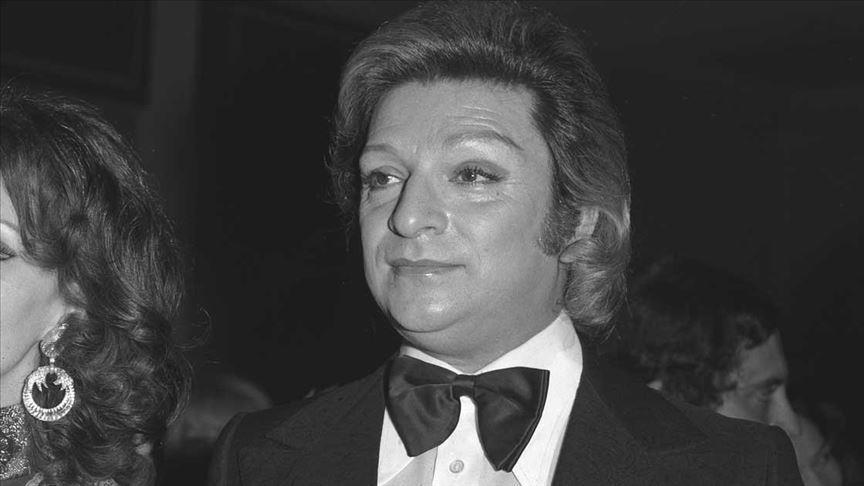
Zeki Müren. (Anadolu Agency)
In addition to his musical career, Zeki Müren was also engaged in literature and painting. As part of his education at the Higher Decoration Department of the Istanbul State Academy of Fine Arts, he created pattern designs and exhibited them in various shows. The plastic arts knowledge he gained at the academy later influenced his stage décor and costume designs.
In literature, his only published work is the poetry book “Bıldırcın Yağmuru”, published in 1965. The book explores themes of love, longing and nature. In addition, he wrote a significant portion of his own song lyrics. The majority of his approximately 300 compositions feature lyrics written by him. In his song texts, he employed plain Turkish and avoided heavy Ottoman Turkish constructions.
Throughout his artistic life, Zeki Müren was affectionately called “The Sun of Art” and “Pasha” by the public. In 1991, he was honored with the title of State Artist. His artistic vision extended beyond music, leaving a lasting impact on Turkish music and stage culture through his innovations in stage design, costumes and performance style.
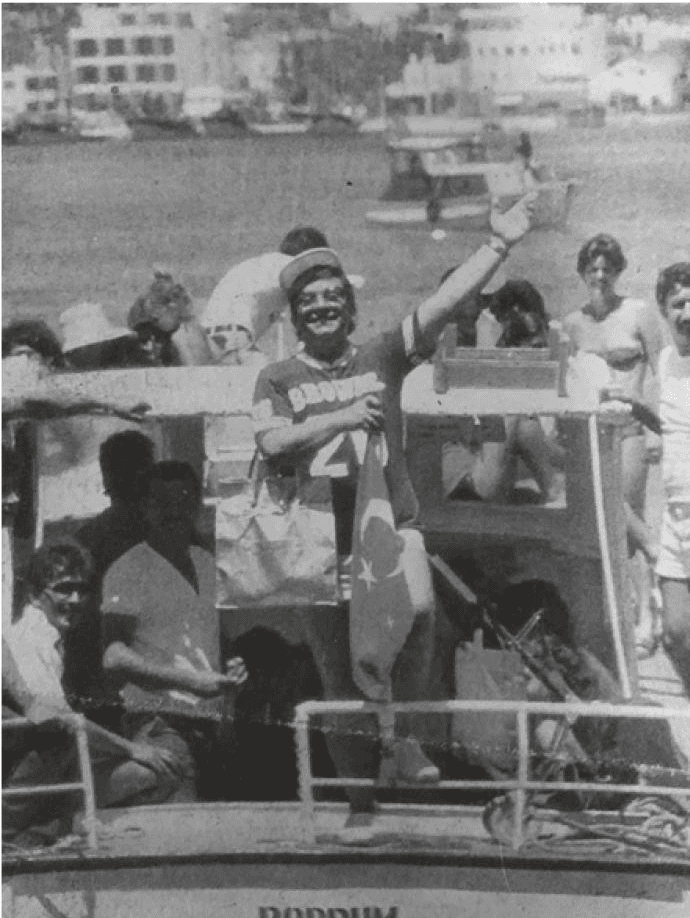
Zeki Müren on a boat in Bodrum. (Çoban, Cezmi. Atılgan, Zeynep. - "Bodrum'un Sanat Güneşi Zeki Müren.")
Zeki Müren attracted attention through his lifestyle and stage demeanor. He received intense affection from diverse segments of society and was revered throughout his life. Müren spent his final years in his home in Bodrum. His later years were marked by health problems. After suffering from heart issues in the 1980s, he decided to stop performing in cabarets and limited his concert activities. Nevertheless, he continued producing records and cassettes until the 1990s.
Before his death, he bequeathed all his assets to the Turkish Education Foundation and Mehmetçik Foundation. His house was converted into a museum after his death. It is now known as the Bodrum Zeki Müren Art Museum.
Zeki Müren suffered a heart attack on 24 September 1996 during a program recording at TRT studios in İzmir and passed away. He is remembered as one of the unforgettable figures of Turkish artistic life, through the songs he left behind, his stage legacy and his distinctive style.
Zeki Müren - Ben Zeki Müren (Official Video). (MüzikPlay YouTube Channel)
Anadolu Ajansı. “Türk Sanat Güneşi Zeki Müren.” Anadolu Ajansı. Accessed September 23, 2025.https://www.aa.com.tr/tr/kultur/turk-sanat-gunesi-zeki-muren/3695826
Avrupa Müzik. “Zeki Müren - Manolyam (Official Audio).” YouTube. Accessed September 23, 2025.https://www.youtube.com/watch?v=-FtnCHuIFZ4&list=RD-FtnCHuIFZ4
Berktaş, Semra. “Zeki Müren’in Şarkılarının Çok Boyutlu İçerik Çözümlemesi.” *Sosyal ve Mesleki Araştırmalar Dergisi* 50 (2021): 2398–2414. Accessed September 23, 2025.https://smartofjournal.com/files/smartjournal/1294532246_15_50_ID1085_Berktaş_2398-2414.pdf
Coşkun Plak. “Zeki Müren - Bir Muhabbet Kuşu (1951).” YouTube. Accessed September 23, 2025.https://www.youtube.com/watch?v=C0BiLAS4GGQ&list=RDC0BiLAS4GGQ
Grafson. “Zeki Müren - Nasıl Geçti Habersiz (1972) | #Grafson.” YouTube. Accessed September 23, 2025.https://www.youtube.com/watch?v=Vi96E7e2eDA&list=RDVi96E7e2eDA
MüzikPlay. “Zeki Müren - Ben Zeki Müren (Official Video).” YouTube. Accessed September 23, 2025.https://www.youtube.com/watch?v=QGgk_6JVlpc
Plak Sevdası. "Zeki Müren - Elbet Bir Gün Buluşacağız (Orjinal Plak Kayıt)." YouTube. Accessed September 23, 2025.https://www.youtube.com/watch?v=t01KTUFz5NQ&list=RDt01KTUFz5NQ
T.C. Kültür ve Turizm Bakanlığı. “Bodrum Zeki Müren Sanat Müzesi.” *muze.gov.* Accessed September 23, 2025.https://muze.gov.tr/muze-detay?SectionId=ZEK01&DistId=MRK
TRT Arşiv. “Zeki Müren’den Tüyolar | TRT Arşiv.” YouTube. Accessed September 23, 2025.https://www.youtube.com/watch?v=W87Qnh6iz9I
TRT Arşiv. “Zeki Müren’in Kendi Dilinden Hayatı | TRT Arşiv.” YouTube. Accessed September 23, 2025.https://www.youtube.com/watch?v=URH63ZWMrUQ
Tanır, Mehtap. “Bir Değişim Döneminin Sembolü: Zeki Müren.” *Evrensel Kültür* 21 (2005). Accessed September 23, 2025.https://d1wqtxts1xzle7.cloudfront.net/31081071/Zeki_Muren-_Mehtap-libre.pdf
Yavuz, Burçin Nazife. “Zeki Müren’in Sahne Giysilerinin Analizi ve Eş Zamanlı Tasarım Eğilimleri.” Master's thesis, Anadolu Üniversitesi, 2017. ProQuest Dissertations & Theses, 28633550. Accessed September 23, 2025.
Çoban, Cezmi, and Zeynep Atılgan. *Zeki Müren: Bodrum’un Sanat Güneşi*. Araştırma-Derleme Kitap. Accessed September 23, 2025.https://play.google.com/store/books/details?id=c6I9EAAAQBAJ

Date of birth | 1931-12-06 | ||||||||
|---|---|---|---|---|---|---|---|---|---|
Date of death | 1996-09-24 | ||||||||
Occupation | Composer Poet Actor Singer | ||||||||
Music genre | Turkish art music, Classical Turkish music | ||||||||
Education | Istanbul Boğaziçi High School Istanbul State Academy of Fine Arts - Department of High Decoration (Graduate 1954) Bursa 2nd Middle School Bursa Osmangazi Primary School | ||||||||
Major achievements | 1991: Title of 'State Artist' 1955: First Gold Record award in Türkiye with 'Manolya' More than 600 records and cassettes More than 300 compositions 44 works in TRT repertoire 1976: First Turkish artist to perform at Royal Albert Hall | ||||||||
Early Life and Family
Education
Music Career
Beginning of the Career
The 1950s and First Gold Record
The 1960s, 1970s and Expanding Repertoire
The 1980s, 1990s and Adaptation to Popular Culture
Total Recordings and Cassettes
Popular Works
Makam, Theme and Rhythm Preferences
Stage Performances and Innovations
Theatre and Cinema Work
Literature and Painting
Titles and Social Impact
Personal Life
Death