


This article was automatically translated from the original Turkish version.
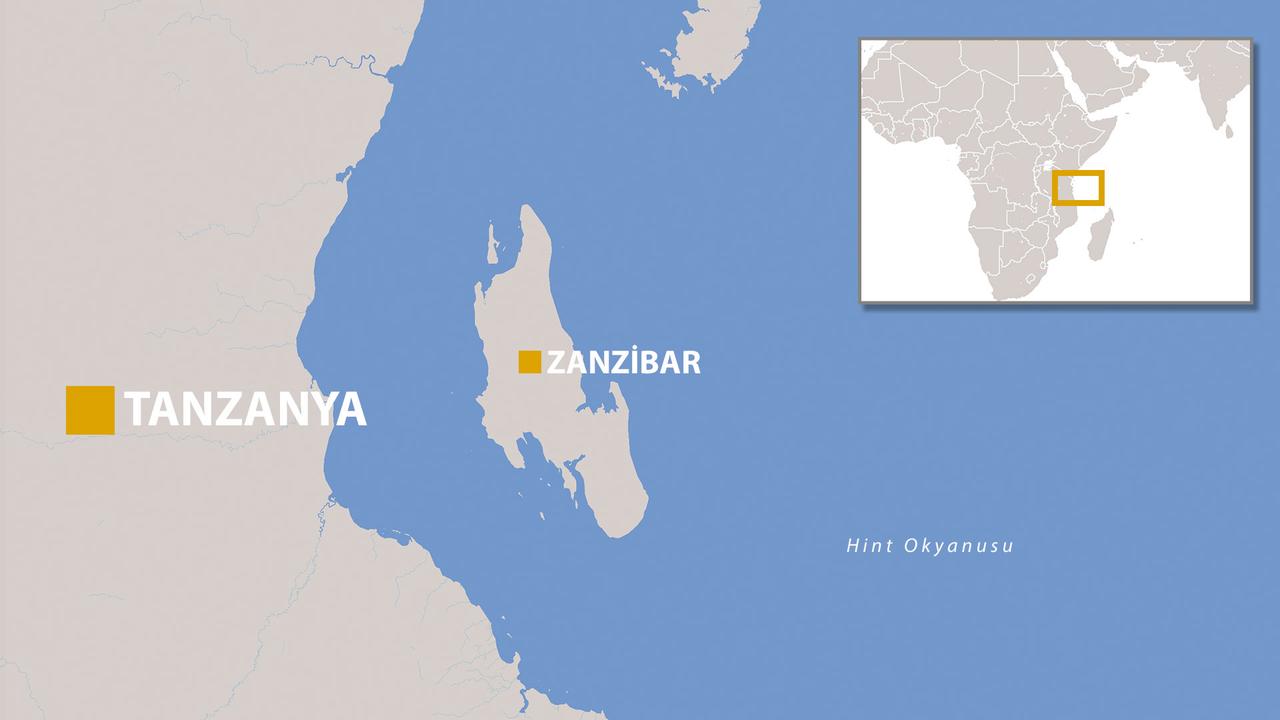
Zanzibar is an island group and semi-autonomous region located off the eastern coast of Africa, part of Tanzanya. Situated in the Indian Ocean, Zanzibar is renowned especially for its magnificent beaches, spice plantations, and historical richness. It consists of two main islands, Zanzibar Island (Unguja) and Pemba Island, along with several smaller islands. Its capital is Stone Town, which is listed on the UNESCO World Heritage List.【1】 Zanzibar has historically been an important trading center in the Indian Ocean and has served as a home to various civilizations throughout history.
Throughout history, Zanzibar has been a meeting point of African, Arab, Indian and European cultures. Since the 8th century, it has been used as a trading center by Arab merchants. In the 16th century, it came under Portuguese control and was later governed by the Omani Sultanate in the 17th century. By the 19th century, Zanzibar had become the center of East Africa’s slave trade and spice production. In 1890 it came under British protection and gained independence in 1963. In 1964 it united with Tanzania to form a federation.
【2】
The Slave Memorial in Zanzibar
Zanzibar’s economy is largely based on tourism, spice production and fishing. Due to its strategic location in the Indian Ocean, it has also been an important trading center throughout history. Swahili is the official language of the region and Islam is the faith of the majority of the population.
Zanzibar stands out for its cultural diversity. The island presents a mosaic of Islamic, African, Indian and European influences. The narrow streets, historic buildings and intricately carved wooden doors of Stone Town bear witness to Zanzibar’s past. The island’s music and dance traditions have been enriched by unique styles such as Taarab.
Stone Town, the historic center of Zanzibar, is known for its 19th-century stone buildings and narrow streets reflecting Arab, Indian and European architectural influences. Among its most important structures are the Sultan’s Palace (Beit al-Ajaib), the house where Freddie Mercury was born and the Old Slave Market. Stone Town is also significant for its museums that shed light on the dark history of the slave trade.
Zanzibar appeals to a wide range of tourists, from honeymoon couples to adventure seekers. The island’s tourism sector has developed alongside sustainability efforts. Diving among coral reefs, dolphin tours and Swahili culture tours are among the most popular activities for visitors.
Beaches: Zanzibar is famous for its white sandy beaches and crystal-clear waters. Nungwi and Kendwa beaches are popular destinations for relaxation and water sports.
Spice Tours: Known as the “Spice Island,” Zanzibar is renowned for spices such as cloves, cinnamon, ginger and vanilla. Tourists can visit the plantations where these spices are grown.
Natural Parks: Jozani Forest is home to the endangered Red Colobus monkey and is an important destination for nature lovers.
[1]
UNESCO Dünya Kültür Mirası Listesi https://whc.unesco.org/en/list/173
[2]
UNESCO Dünya Kültür Mirası Listesi https://whc.unesco.org/en/list/173

History
Economic and Social Situation
Cultural Richness
Stone Town
Tourism
Natural Beauty