This article was automatically translated from the original Turkish version.
+2 More
Other Name(s) | Kurşunlu Camii | ||||||||
|---|---|---|---|---|---|---|---|---|---|
Founder(s) | Yunus Paşa | ||||||||
Province(s) | Sakarya | ||||||||
Period(s) | Yavuz Sultan Selim Period | ||||||||
Construction Date(s) | 1517 | ||||||||
Architectural Style(s) | Classical Architecture | ||||||||
Verse at the Entrance | Surah Rad | ||||||||
Interior Calligrapher | Saim Özel | ||||||||
Interior Area | 144 m² | ||||||||
Total Area | 1.265 m² | ||||||||
Capacity | 180 | ||||||||
Number of Minarets | Single Minaret | ||||||||
Primary Material | Cut Stone / Kufeki | ||||||||
Dome Cladding | Lead | ||||||||
Plan Type | Square | ||||||||
District | Taraklı | ||||||||
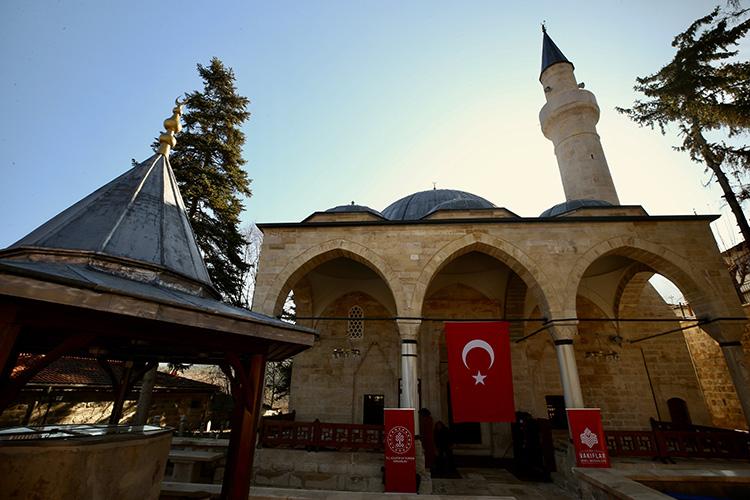
Sakarya Province’s Taraklı district center, located in the Ulucami Neighborhood, is a historical place of worship dating back to the Ottoman period. The building’s dome is covered with lead, and as a result it is widely known among the public as the Kurşunlu Camii.
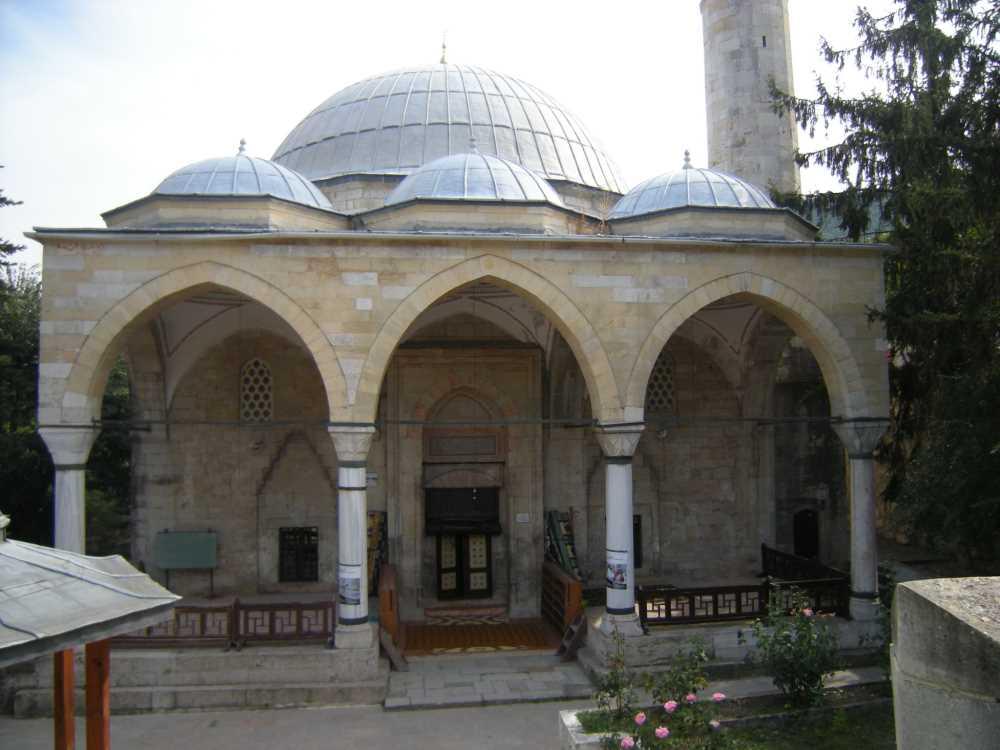
Yunus Paşa Camii (Kültür Portalı)
According to the Turkish inscription at the entrance of the mosque, the structure was built in 1517 by Grand Vizier Yunus Paşa during Yavuz Sultan Selim’s campaign to Egypt.
This historical place of worship, constructed in a classical style with a single minaret, is believed to be a work of Mimar Sinan. The mosque holds significance for faith tourism, has survived to the present day, and remains open for worship.
The mosque is built on a square plan using cut stone and is covered by a dome. The facade walls and eave cornices feature fine-carved kufeki stone.
On the front facade, three iwans are supported by four marble columns, and their interiors are decorated with ornamental details. The interior space is illuminated and ventilated through a two-tiered window system: ten cell-shaped windows with wooden shutters on the lower level and eight arched windows with colored glass on the upper level.
The mosque’s architecture is particularly notable for its exceptional acoustics, allowing access to the balcony from the left side of the courtyard.
Above the main entrance door is an Arabic inscription containing a verse from the 24th verse of Surah Ar-Ra’d, which reads: “Peace be upon you for your steadfastness; what a fine end this is!”. All calligraphic inscriptions within the mosque were written by the late Taraklı calligrapher Hafız Saim Özel.【1】
The mosque occupies a total land area of 1,265 square meters, with an enclosed interior area of 144 square meters and a capacity to accommodate 180 worshippers simultaneously. A fountain is located in the mosque’s courtyard, while graves are situated in the rear courtyard and on the left side.
Anadolu Ajansı. "Sakarya'da restore edilen tarihi Yunus Paşa Camisi yeniden ibadete açıldı." Accessed April 9, 2026. https://www.aa.com.tr/tr/kultur/sakaryada-restore-edilen-tarihi-yunus-pasa-camisi-yeniden-ibadete-acildi/3430166
Millî Eğitim Bakanlığı Yenilik ve Eğitim Teknolojileri Genel Müdürlüğü. "Yunus Paşa (Kurşunlu) Camii." Accessed April 9, 2026. https://okuldisiogrenme.eba.gov.tr/place-detail/yunus-pasa-kursunlu-camii-1473
T.C. Ministry of Culture and Tourism. "Yunus Paşa Camii." Kültür Portalı. Accessed April 9, 2026. https://www.kulturportali.gov.tr/turkiye/sakarya/gezilecekyer/yunus-pasa-camii
Taraklı Belediyesi. "Yunus Paşa Camii." Accessed April 9, 2026. https://www.tarakli.bel.tr/gezilecek-yerler/yunus-pasa-camii
[1]
T.C. Kültür ve Turizm Bakanlığı. "Yunus Paşa Camii." Kültür Portalı Erişim Tarihi : 9 Nisan 2026 https://www.kulturportali.gov.tr/turkiye/sakarya/gezilecekyer/yunus-pasa-camii

Other Name(s) | Kurşunlu Camii | ||||||||
|---|---|---|---|---|---|---|---|---|---|
Founder(s) | Yunus Paşa | ||||||||
Province(s) | Sakarya | ||||||||
Period(s) | Yavuz Sultan Selim Period | ||||||||
Construction Date(s) | 1517 | ||||||||
Architectural Style(s) | Classical Architecture | ||||||||
Verse at the Entrance | Surah Rad | ||||||||
Interior Calligrapher | Saim Özel | ||||||||
Interior Area | 144 m² | ||||||||
Total Area | 1.265 m² | ||||||||
Capacity | 180 | ||||||||
Number of Minarets | Single Minaret | ||||||||
Primary Material | Cut Stone / Kufeki | ||||||||
Dome Cladding | Lead | ||||||||
Plan Type | Square | ||||||||
District | Taraklı | ||||||||
History
Architectural Features
Interior Space and Decorations
Capacity and Landscape Planning