This article was automatically translated from the original Turkish version.
Type(s) | International youth program | ||||||||
|---|---|---|---|---|---|---|---|---|---|
Purpose(s) | and international cooperation social development personal development Young people gaining experience in cultural interaction | ||||||||
Program | Erasmus+ Youth Exchanges | ||||||||
Target Audience | Young people aged 13 to 30 | ||||||||
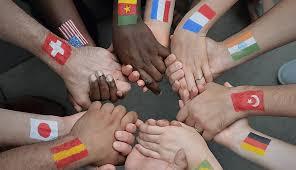
Youth Exchange Projects are mobility initiatives under the Erasmus+ Programme that bring together young people from different countries to share experiences, knowledge, and cultural values. These projects aim to support the social, cultural, and personal development of young people by enabling them to acquire new skills in an inclusive and solidarity-based environment. Youth exchanges provide opportunities for young people to strengthen their life skills, develop intercultural understanding and tolerance, and actively participate in international relations.
Erasmus+ Youth Exchange refers to projects in which groups of young people from different countries come together to carry out joint activities over a specific period. These exchanges include non-formal learning methods such as workshops, group discussions, role-playing, simulations, and cultural activities that support learning outside formal education settings.
The objective is to enhance both the personal development and social awareness of young people. Youth exchange projects enable participants to experience cultural diversity through direct interaction, and raise awareness on issues such as democratic values, solidarity, and environmental consciousness. Projects are structured around defined themes or shared interests and encourage active participation in the learning process.
Projects typically target young people aged 13 to 30. Each group includes at least one group leader, who must be at least 18 years old and provides guidance and organizational support throughout the project. Activities usually last between 5 and 21 days, and each project must include young people from at least two different countries.
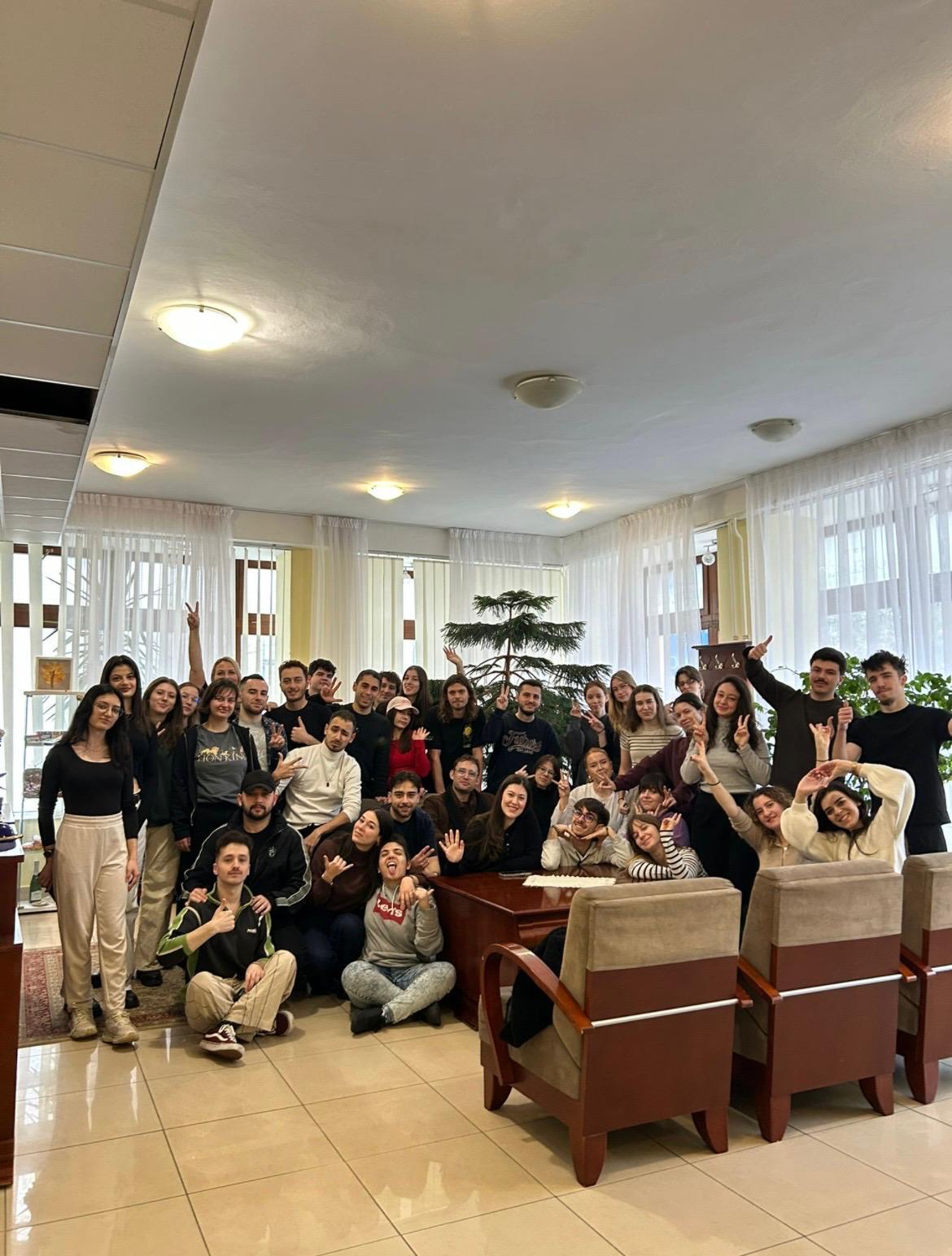
A Youth Exchange Project - Slovakia
(Author Archive, 2026)
Youth exchange projects are implemented using non-formal and informal educational methods. Participants co-design the program and plan activities prior to the exchange. During the project, young people actively engage in implementing the program and evaluating its outcomes. Projects prioritize cultural interaction and group work; preparatory visits may also be organized to ensure the inclusion of young people with specific needs.
The Erasmus+ Programme provides various grant items for youth exchange projects, including travel, accommodation, individual support, and inclusion measures. Grant amounts are determined based on criteria such as the number of participants, project duration, and distance. Financial support ensures that projects are implemented as planned and enables young people to gain international experience.
Youth exchange projects are carried out through joint applications from organizations in multiple countries. Applying organizations must meet eligibility criteria and clearly define the learning outcomes for participants. At least two organizations from different countries must be involved in each project.
The Programme promotes inclusive and accessible projects, with particular emphasis on the participation of young people with fewer opportunities. Projects are designed to contribute to Erasmus+ priorities such as digital transformation, environmental sustainability, social inclusion, and diversity.
The implementation and coordination of Youth Exchange projects under the Erasmus+ Programme at the national level are carried out by National Agencies operating in each participating country. National Agencies are institutional bodies responsible for translating the Programme’s objectives into action at the national level and play a guiding role throughout all stages of the project cycle.
One of the key responsibilities of National Agencies is to manage the application process for youth exchange projects and provide financial support to selected projects. These institutions announce calls for proposals, evaluate applications, and select projects according to quality criteria established by the European Union. They also offer information and advisory services to applicants on preparing applications, finding partners, and designing projects.
During programme implementation, National Agencies monitor beneficiary organizations’ projects and conduct evaluation processes. They regularly assess elements such as financial management, alignment of activities with programme objectives, and the quality of learning outcomes. In addition, National Agencies organize training seminars, information meetings, and capacity-building activities to enhance the institutional competencies of organizations working in the youth field.
In Türkiye, the National Agency is the institution responsible for implementing European Union education, youth, and sport programmes at the national level. Established within the framework of financial cooperation between Türkiye and the European Union, the Agency coordinates activities under the Erasmus+ Programme. Its primary goal is to ensure that individuals and organizations in Türkiye benefit from international learning, mobility, and cooperation opportunities.
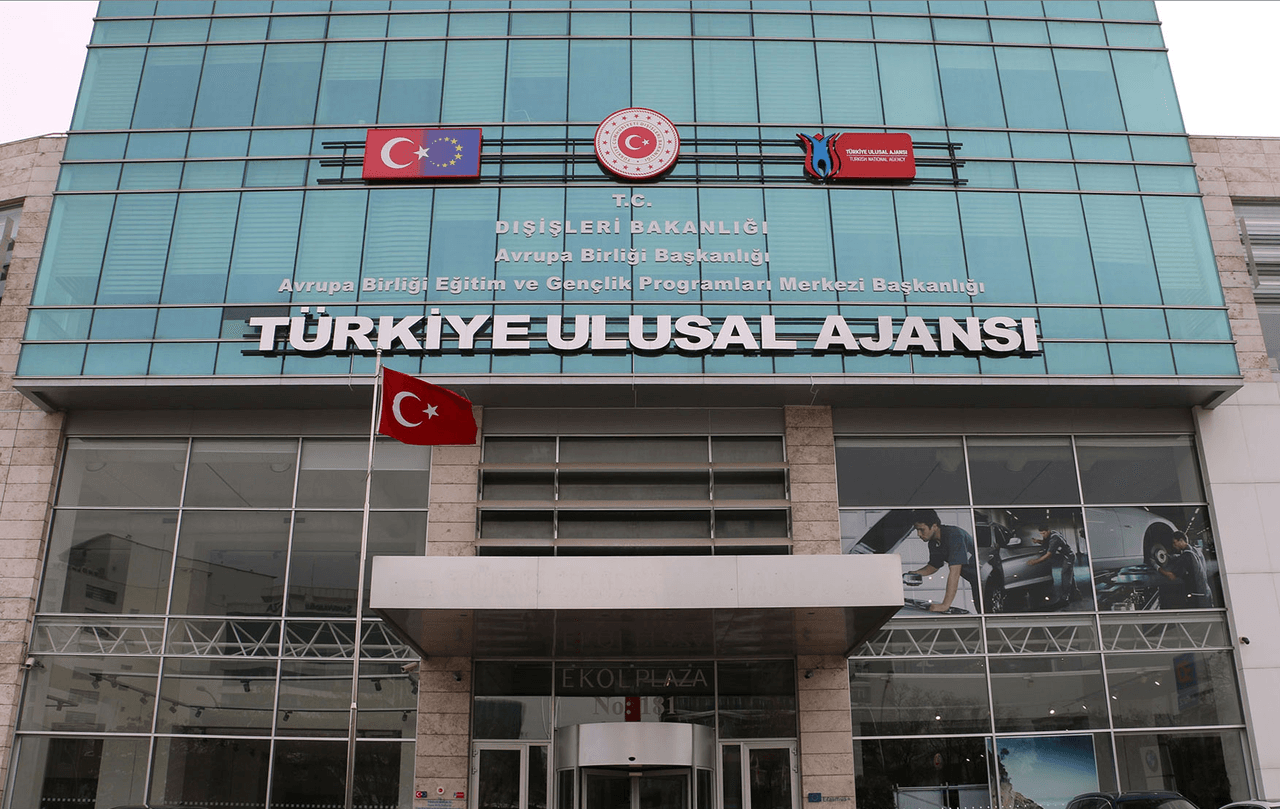
National Agency Presidency in Türkiye
The National Agency accepts project applications in the fields of youth, education, and sport under the Erasmus+ Programme, manages the evaluation process, and provides financial support to selected projects. It oversees various project types including youth exchanges, mobility of youth workers, strategic partnerships, and capacity-building activities. The Agency also offers information and guidance services to project applicants on application preparation, project writing, partner search, and project management.
The responsibilities of the National Agency in Türkiye extend beyond financial support. It also carries out project monitoring, reporting, and evaluation to ensure the effective and transparent implementation of the Programme. During this process, the alignment of projects with programme objectives, learning outcomes, and budget usage are regularly reviewed. Furthermore, through information meetings, training seminars, and capacity-building activities organized by the National Agency, the institutional competencies of organizations active in the youth sector are strengthened.
In Türkiye, the activities of the National Agency are regarded as a vital instrument in supporting young people to gain international experience, interact with different cultures, and develop active citizenship skills. Through Erasmus+ youth projects, young people not only have the opportunity to meet peers from other countries but also develop a range of competencies such as intercultural communication, teamwork, problem-solving, and entrepreneurship.
In this context, the National Agency in Türkiye plays a central role in promoting Erasmus+ youth exchange activities within the country and expanding young people’s access to international learning opportunities. The Agency’s activities contribute to giving youth policy an international dimension and provide substantial support to the social, cultural, and educational development of young people in Türkiye.
European Commission. "Erasmus+ Programme Guide: Part B – Key Action 1 – Youth Exchanges." Accessed March 4, 2026. https://erasmus-plus.ec.europa.eu/programme-guide/part-b/key-action-1/youth-exchanges
Türkiye National Agency. "Türkiye Ulusal Ajansı Resmî Web Sitesi." Accessed March 4, 2026. https://www.ua.gov.tr
Türkiye Ulusal Agency. "KA152-YOU: Youth Transitions." Accessed March 4, 2026. https://www.ua.gov.tr/programlar/firsatlar/ka152-you/
Türkiye Ulusal Agency. "Presidency." Accessed March 4, 2026. https://www.ua.gov.tr/kurumsal/baskanlik/
Volunteer Services Association. "Gençlik Değişimleri." Accessed March 4, 2026. https://gonulluhizmetlerdernegi.org/genclikdegisimleri/

Type(s) | International youth program | ||||||||
|---|---|---|---|---|---|---|---|---|---|
Purpose(s) | and international cooperation social development personal development Young people gaining experience in cultural interaction | ||||||||
Program | Erasmus+ Youth Exchanges | ||||||||
Target Audience | Young people aged 13 to 30 | ||||||||
No Discussion Added Yet
Start discussion for "Youth Change Projects" article
Erasmus+ Youth Exchange (Youth Exchanges)
Objectives and Content
Participant Profile and Age Range
Project Format and Implementation Process
Grants and Financial Support
Project Partnerships and Application Process
Priorities and Inclusion
Role of National Agencies
National Agency in Türkiye