


This article was automatically translated from the original Turkish version.
+1 More
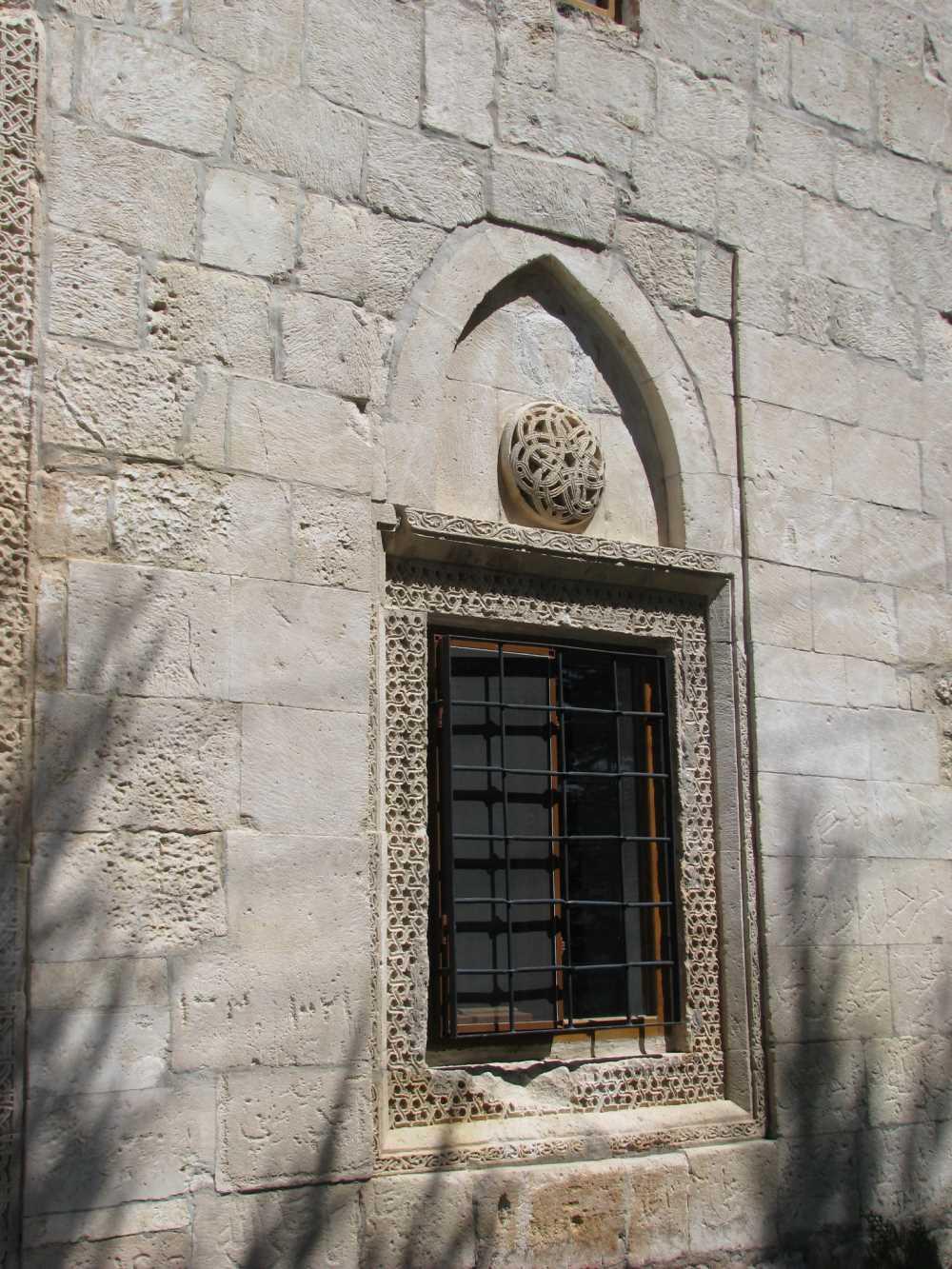
Yelmaniye Camii (Kültürportalı)
Location | Tunceli Tepebaşı neighborhood Çemişgezek district | ||||||||
|---|---|---|---|---|---|---|---|---|---|
Construction Period | Hijri 800–809 / Gregorian 1398–1406 | ||||||||
Founder | Emir Taceddin Yelman ibn Keykubat ibn Halit al-Kurdi | ||||||||
Initial Function | Medrese (educational structure) | ||||||||
Subsequent Function | Mosque | ||||||||
Building Material(s) | Cut stone | ||||||||
Crown Gate | Iwan-shaped, geometrically decorated, octagonal-columned | ||||||||
Architectural Style | Seljuk–Ottoman transition period | ||||||||
Yelmaniye Camii is located on a dominant hill in the Tepebaşı (Medrese) neighborhood of Çemişgezek district, Tunceli province. Due to its position, the mosque holds significance both for defense and public urban development, as it is situated at the central point of the settlement.
An Arabic inscription on the building’s entrance façade provides definitive information regarding the construction date of Yelmaniye Camii. According to this inscription, the structure was built as a medrese between 800–809 AH (1398–1406 CE) during the Timurid period by Emir Taceddin Yelman bin Keykubat bin Halit al-Kurdi. For this reason, the building was long known among the local population as the Medrese Camii. In later periods, it gradually shifted from its original function to serve primarily as a mosque, thus fulfilling both educational and worship roles.
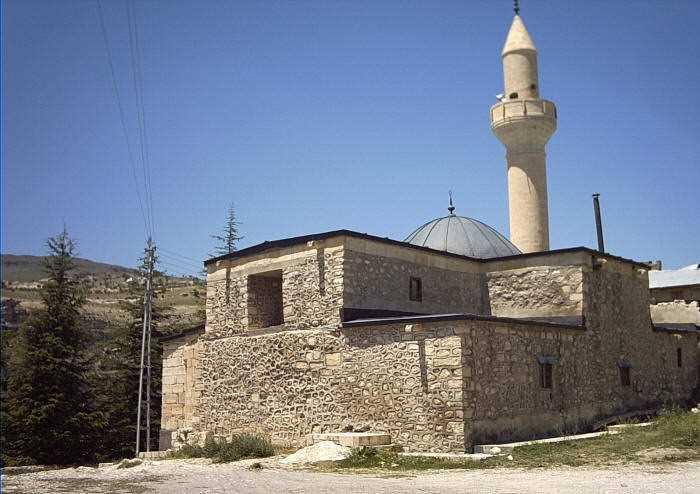
Yelmaniye Camii (Kültürportalı)
Yelmaniye Camii is built on a sloping terrain and constructed entirely of cut stone. Its architectural planning accommodated both medrese and mosque functions; accordingly, the northern and southern sections were organized to serve distinct purposes:
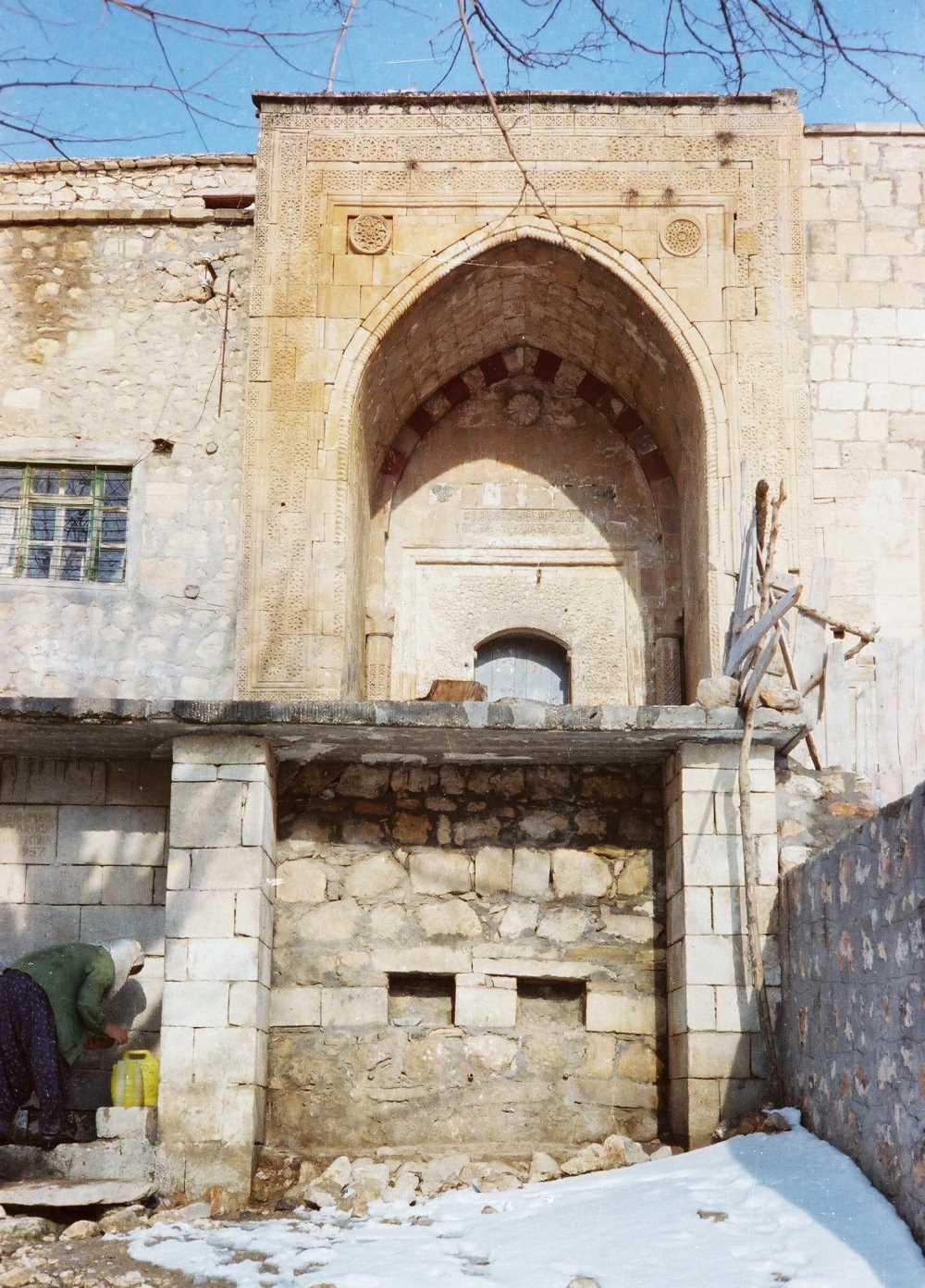
Yelmaniye Camii (Kültürportalı)
The eivan-shaped crown gate on the western façade stands out as the most original architectural element preserved to the present day. The surrounding area is adorned with meticulous stonework featuring geometric decorative motifs. The octagonal columns on either side impart aesthetic balance to the structure, and the crown gate exhibits characteristics reflective of Seljuk and early Ottoman stone craftsmanship.
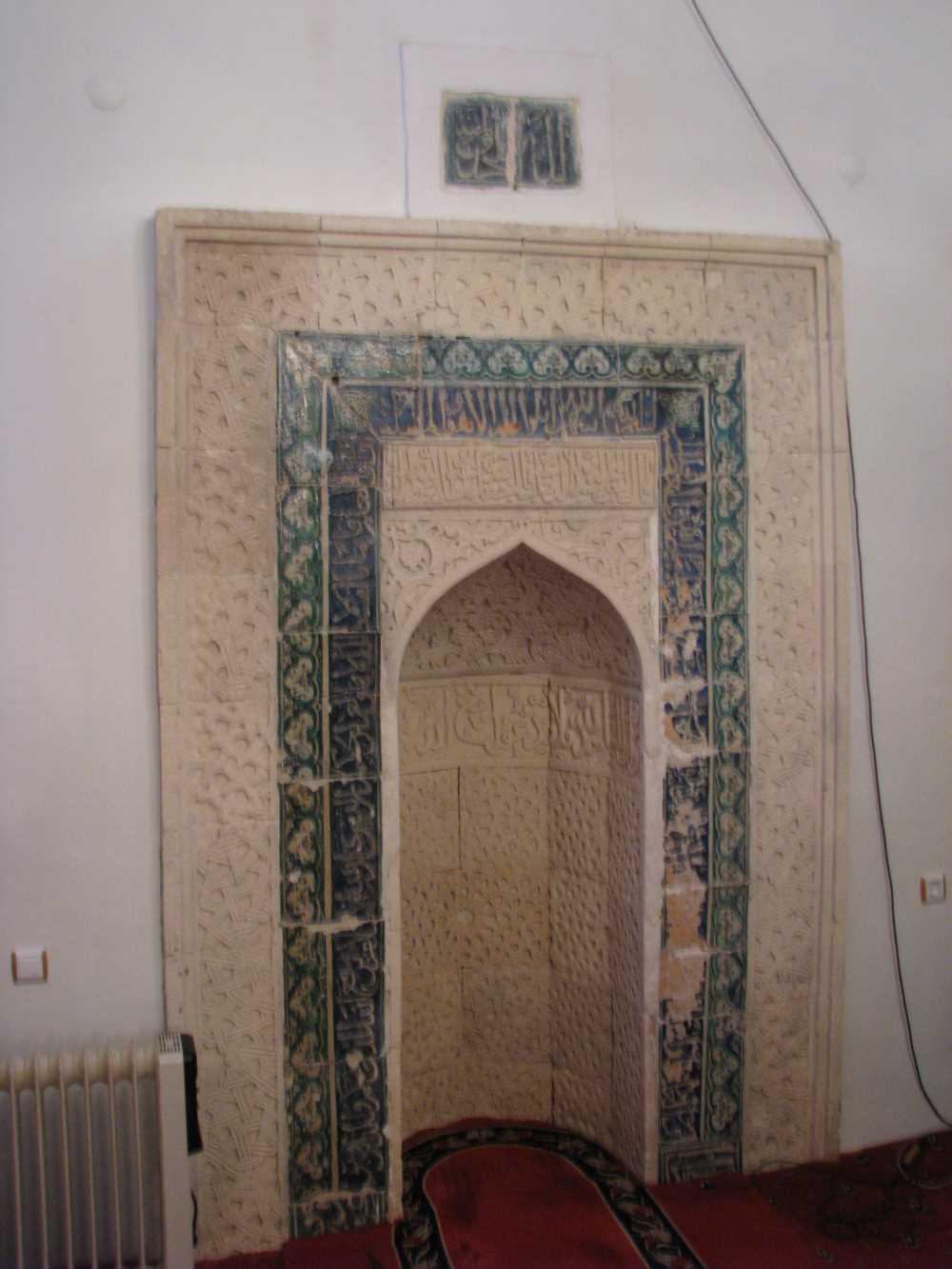
Yelmaniye Camii (Kültürportalı)
The building has a single-dome mosque layout and lacks a minaret. The area surrounding the mihrab is decorated with green glazed tiles, achieving a visual balance between simplicity and ornamentation. The minbar is constructed with a very simple and functional approach. These elements indicate that the structure was designed with priority given to function over aesthetics.
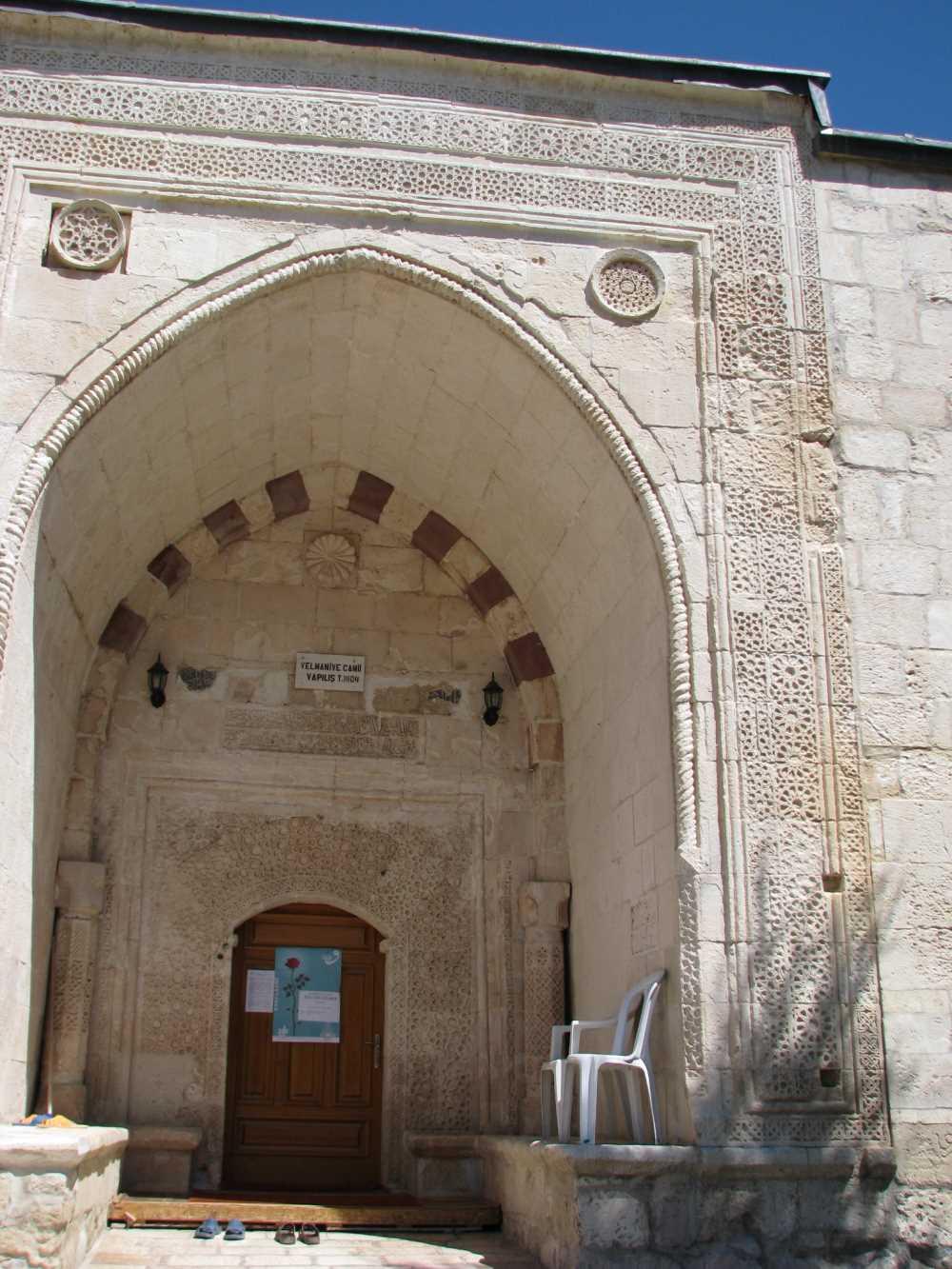
Yelmaniye Camii (Kültürportalı)
Yelmaniye Camii exhibits characteristics of the Seljuk–Ottoman transition period. Seljuk decorative details are evident in the stonework, while the overall layout and material use suggest transitional features toward Ottoman architecture. The coexistence of educational and worship functions within a single structure is regarded as one of the earliest examples of multi-functional buildings in Anatolia.
The structure is under protection by the Tunceli Provincial Directorate of Culture and Tourism. The entrance façade and major load-bearing elements have largely retained their originality. Surrounding foundation remains indicate that the building once functioned as part of a külliye or architectural complex.
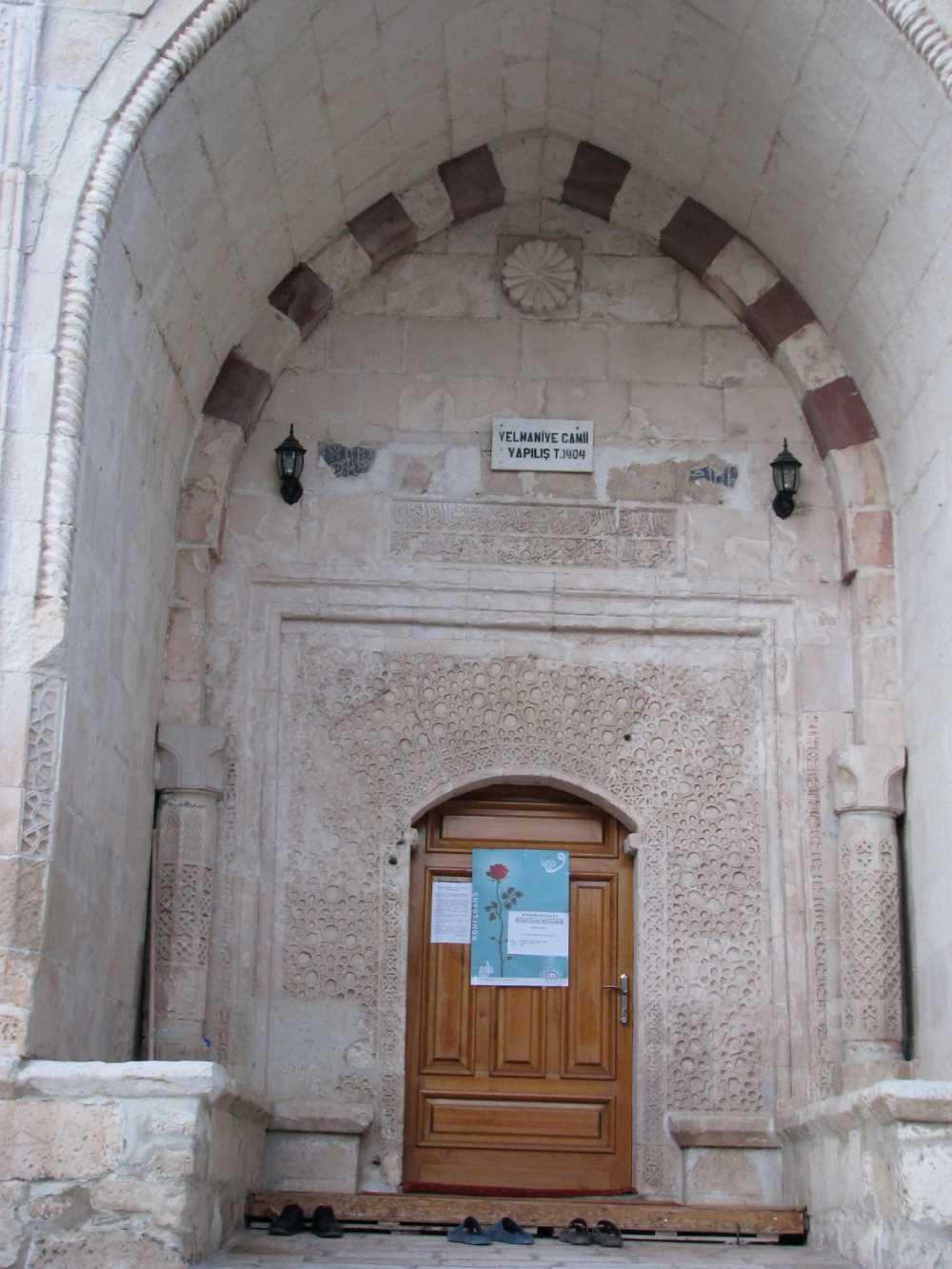
Yelmaniye Camii (Kültürportalı)
T.C. Kültür ve Turizm Bakanlığı. "Yelmaniye Camii / Medrese Camii." Kültür Portalı. Accessed July 15, 2025.https://www.kulturportali.gov.tr/turkiye/tunceli/gezilecekyer/yelmaniye-camii-medrese-camii
T.C.Tunceli İl Directorate of Culture and Tourism. "Cami ve Türbeler." Accessed July 15, 2025.https://tunceli.ktb.gov.tr/TR-57264/cami-ve-turbeler.html
T.C.Tunceli İl Directorate of Culture and Tourism. "Yelmaniye Camii." Accessed July 15, 2025.https://tunceli.ktb.gov.tr/TR-57306/yelmaniye-camii.html
Yelmaniye Camii (Kültürportalı)
Location | Tunceli Tepebaşı neighborhood Çemişgezek district | ||||||||
|---|---|---|---|---|---|---|---|---|---|
Construction Period | Hijri 800–809 / Gregorian 1398–1406 | ||||||||
Founder | Emir Taceddin Yelman ibn Keykubat ibn Halit al-Kurdi | ||||||||
Initial Function | Medrese (educational structure) | ||||||||
Subsequent Function | Mosque | ||||||||
Building Material(s) | Cut stone | ||||||||
Crown Gate | Iwan-shaped, geometrically decorated, octagonal-columned | ||||||||
Architectural Style | Seljuk–Ottoman transition period | ||||||||
No Discussion Added Yet
Start discussion for "Yelmaniye Camii (Medrese Camii)" article
Historical Process and Foundation
Architectural Layout and Construction Techniques
Entrance Portal and Crown Gate Details
Interior Spatial Organization and Artistic Features
Architectural Style and Period Interpretation
Conservation and Current Condition