


This article was automatically translated from the original Turkish version.
Wound dressings primarily contribute to the wound healing process by protecting the wound from microorganisms and infections. Ideal wound dressing materials are flexible, biodegradable, allow gas exchange, and maintain moisture. In addition, they must control the absorption of exudate from the wounded area. While traditional dressings are effective in the initial phase of healing by preventing bleeding and shielding the wound from the environment, their sole use can cause them to dry out and adhere to the wound surface in exudative wounds. Today, natural polymers compatible with human tissue are widely used in wound treatment. Common natural biopolymers applied for wound healing include polysaccharides such as cellulose, alginate, chitosan, heparin, and hyaluronic acid, as well as proteins such as collagen, gelatin, fibrin, keratin, and silk fibroin. In addition to their biological degradability, natural cellular interactions, and structural similarity to the extracellular matrix, biopolymers can respond to physiological signals and activate growth factors that support the natural healing mechanism.
class=\
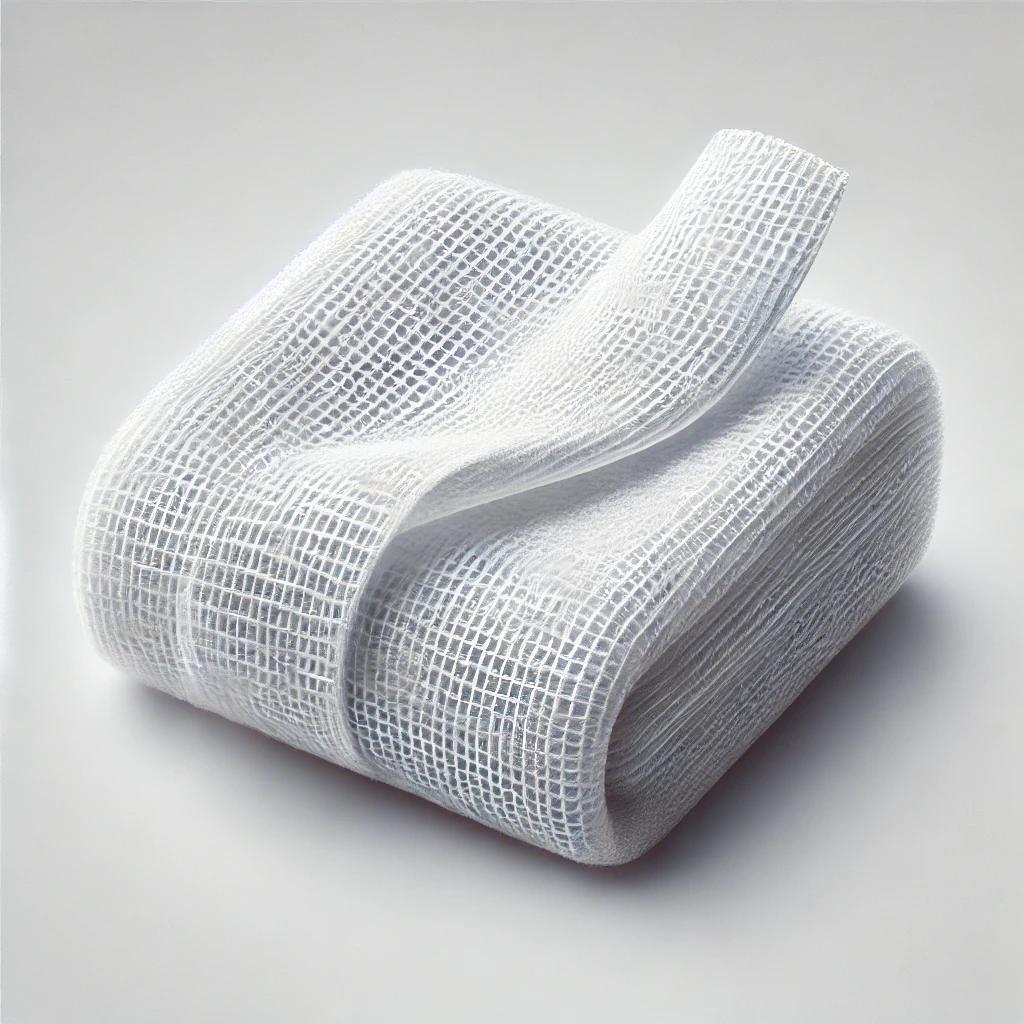
Passive wound dressings protect the wound area from external factors and possess only a few of the ideal dressing characteristics. Examples include gauze and bandages. When such dressings adhere to the wound surface, their removal and replacement become difficult and may cause damage to the wound bed. Therefore, they are generally used as secondary dressings for wound closure.
Interactive wound dressings provide moisture retention, allow gas exchange, and have a transparent structure. They include polymeric films and foams. Their ability to accelerate wound healing, prevent infections, or treat wounds is limited.
Bioactive wound dressings are also known as active dressings. They actively support wound healing through bioactive substances they deliver. These dressings are derived from polymers such as hydrocolloids, alginate, collagen, and chitosan.
These materials are inadequate for maintaining a moist wound bed. Their use results in adhesion to the wound surface after absorbing exudate. Removal or replacement may cause trauma to the wound bed. Their low cost and ease of production increase their usage.
Film dressings, due to their transparent structure, allow observation of the wound healing process. They permit the exchange of O2, CO2, and water vapor between the wound and the environment. However, their impermeability to liquids leads to exudate accumulation, limiting their use.
They consist of two layers. The outer layer acts as a barrier, while the hydrocolloid layer absorbs fluid in the presence of exudate to form a gel. This reaction creates a moist environment for the wound bed and stimulates autolytic debridement.
Alginate has a pharmacological property due to the presence of calcium ions. Upon contact with wound exudate, its high liquid absorption capacity forms a strong hydrophilic gel, maintaining the lesion at an ideal moisture and temperature level. Alginate dressings should not be used on dry wounds because they require moisture; otherwise, they may dehydrate the wound and negatively affect healing. If not removed at the appropriate time, they can cause maceration of surrounding tissues and lead to trauma.
Hydrogel dressings are typically transparent or clear, allowing easy visualization of the wound surface without removing the dressing. When applied to dry wound surfaces, they hydrate the wound and create the moist environment necessary for healing. The degradation rate of hydrogels can also be adjusted, making them suitable for use as drug carriers or biologically active agents. On the other hand, due to their high water content, hydrogels tend to have low absorption capacity. This low absorption can facilitate exudate accumulation, leading to wound maceration and bacterial proliferation. They have low adhesion to the wound bed, necessitating the use of a secondary dressing such as film or foam.
Foam dressings are based on polyurethane or silicone. They are semi-permeable and can be hydrophilic or hydrophobic with a bacterial barrier. They maintain wound moisture by providing thermal insulation and prevent wound damage during removal. The main factor limiting their use is their insufficient ability to prevent bacterial contamination.
Bilgili, A., 2022, INSAC Contemporary Trends in Human and Health Sciences Research, Duvar kitabevi
Negut, I., Dorcioman, G., and Grumezescu, V. (2020). Scaffolds for wound healing applications. Polymers, 12(9), 2010.
Rezvani Ghomi, E., Khalili, S., Nouri Khorasani, S., Esmaeely Neisiany, R., and Ramakrishna, S. (2019). Wound dressings: Current advances and future directions. Journal of Applied Polymer Science, 136(27), 47738.
Özdemir, B., 2021, Bitkisel içerikli Polimerik Nanolif Yapılı Biyomalzeme Üretimi, Karakterizasyonu, ve Yara Örtüsü Olarak Etkinliğinin İncelenmesi
Characteristics of an Ideal Wound Dressing
Wound Dressings According to Their Efficacy in Wound Healing
Passive Wound Dressings
Interactive Wound Dressings
Bioactive Wound Dressings
Currently Used Wound Dressings
Gauze, Cotton Pads, Bandages
Film Dressings
Hydrocolloids
Alginate
Hydrogel
Foam