


What is Obruk?
Obruk are large, deep depressions formed by the collapse of underground cavities. Over time, water dissolves soluble rocks such as limestone beneath the soil, creating voids. Eventually, these cavities can no longer support the weight of the overlying soil and collapse suddenly, forming the large depressions known as obruk.
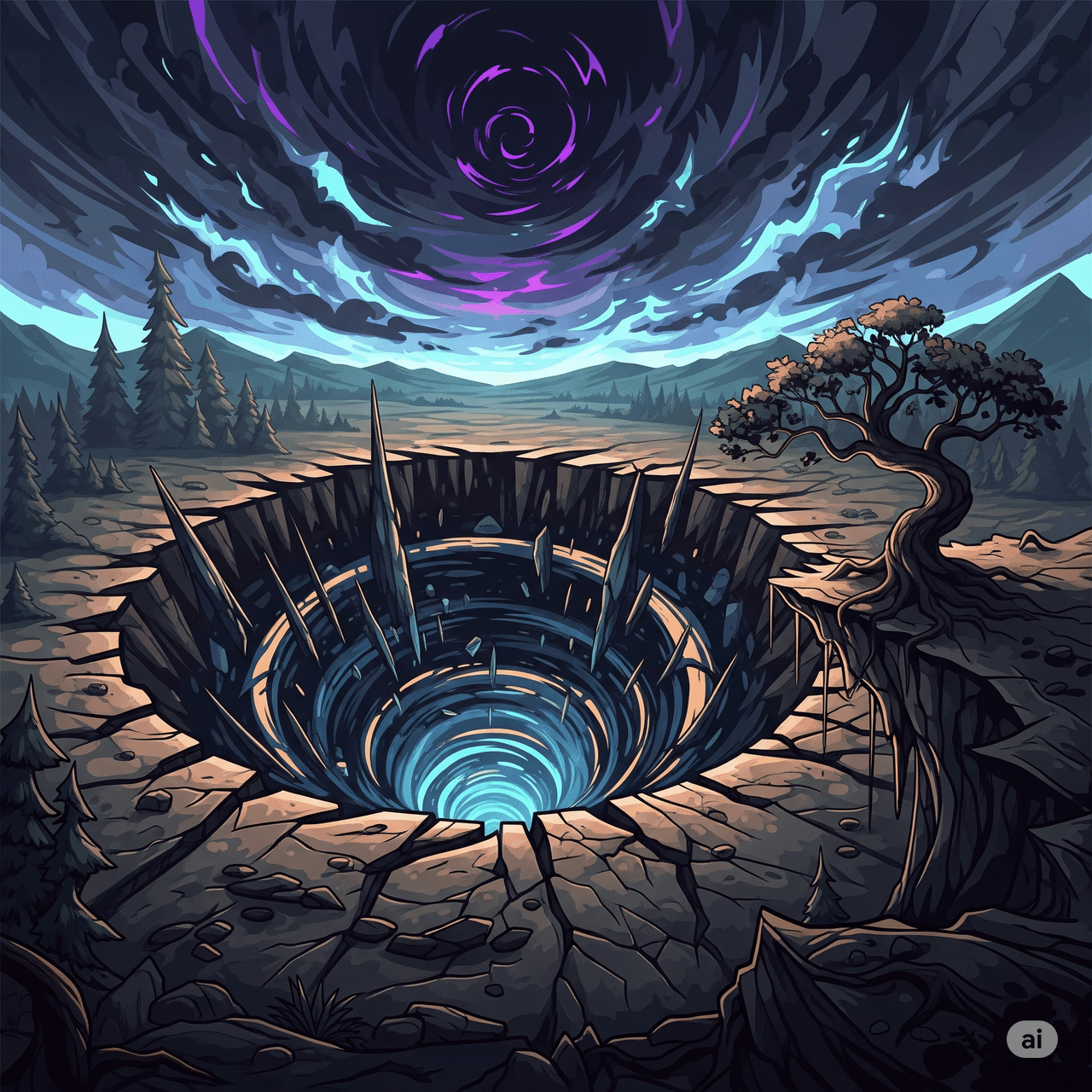
(Generated by Artificial Intelligence.)
Where Are Obruk Found?
One of the areas in Türkiye with the highest concentration of obruk is the Konya Plain and the surrounding Obruk Plateau. In this region, there is an abundance of easily soluble rock layers and groundwater. As a result, new obruk form every year. Scientists study the formation of obruk to identify potentially hazardous areas.
Why Do Obruk Form?
The primary cause of obruk formation is the dissolution of rocks beneath the soil by underground water. However, excessive extraction of groundwater accelerates this process. When large amounts of groundwater are drawn for agriculture, the subsurface becomes hollowed out, increasing the risk of collapse. Therefore, obruk can form both naturally and as a result of human activity.
Are Obruk Dangerous?
Yes, obruk can be dangerous because they often form through sudden and rapid collapses. Obruk that develop near agricultural land, roads, or homes pose risks to human life and property. For this reason, experts carefully assess these areas and inform the public about potential hazards.
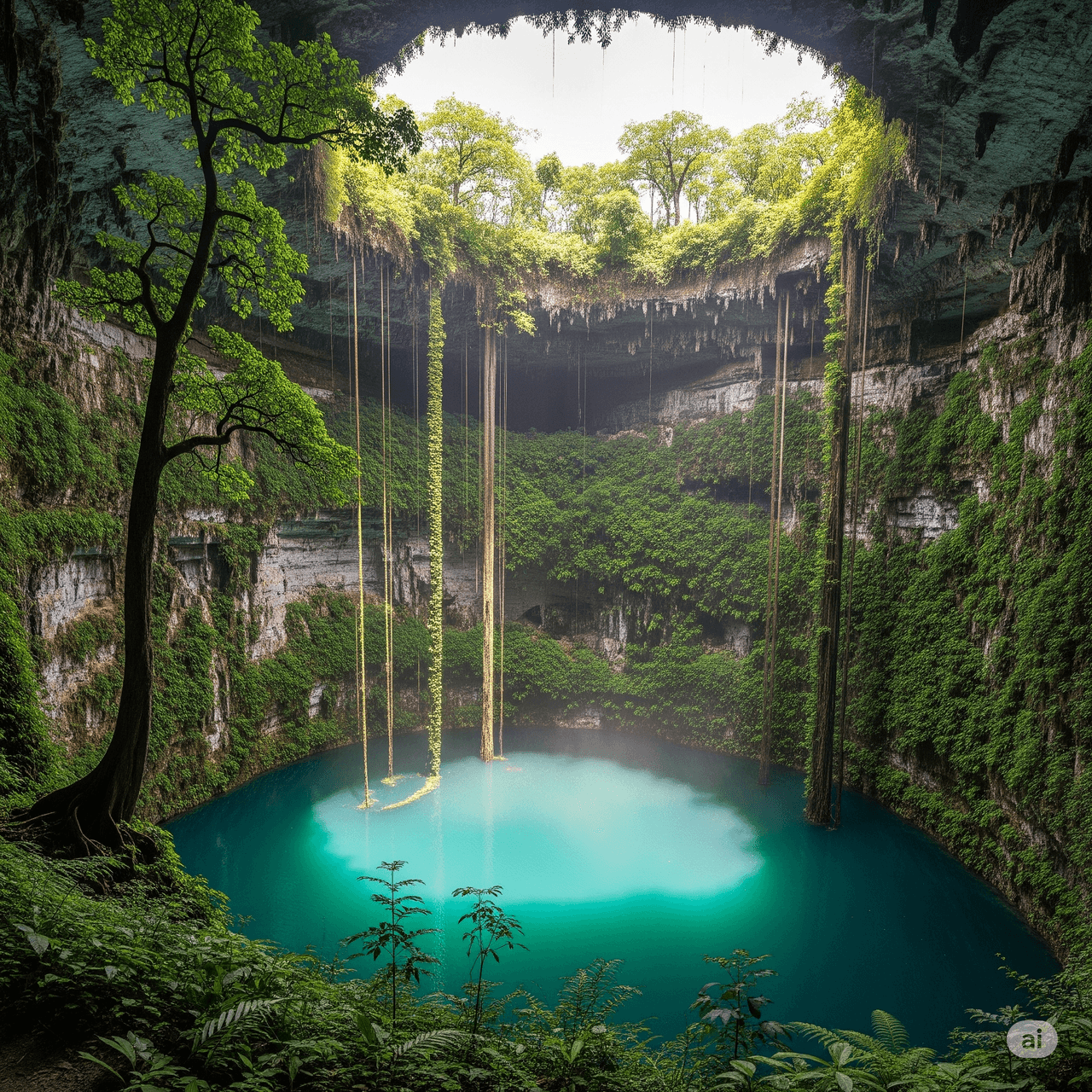
(Generated by Artificial Intelligence.)
Are Obruk Also Natural Beauties?
Some obruk gradually fill with water over time, becoming lakes that provide habitats for plants and animals. For example, the obruk near Obruk Hanı attract attention for their historical and natural beauty. These areas are preserved and contribute to nature tourism.