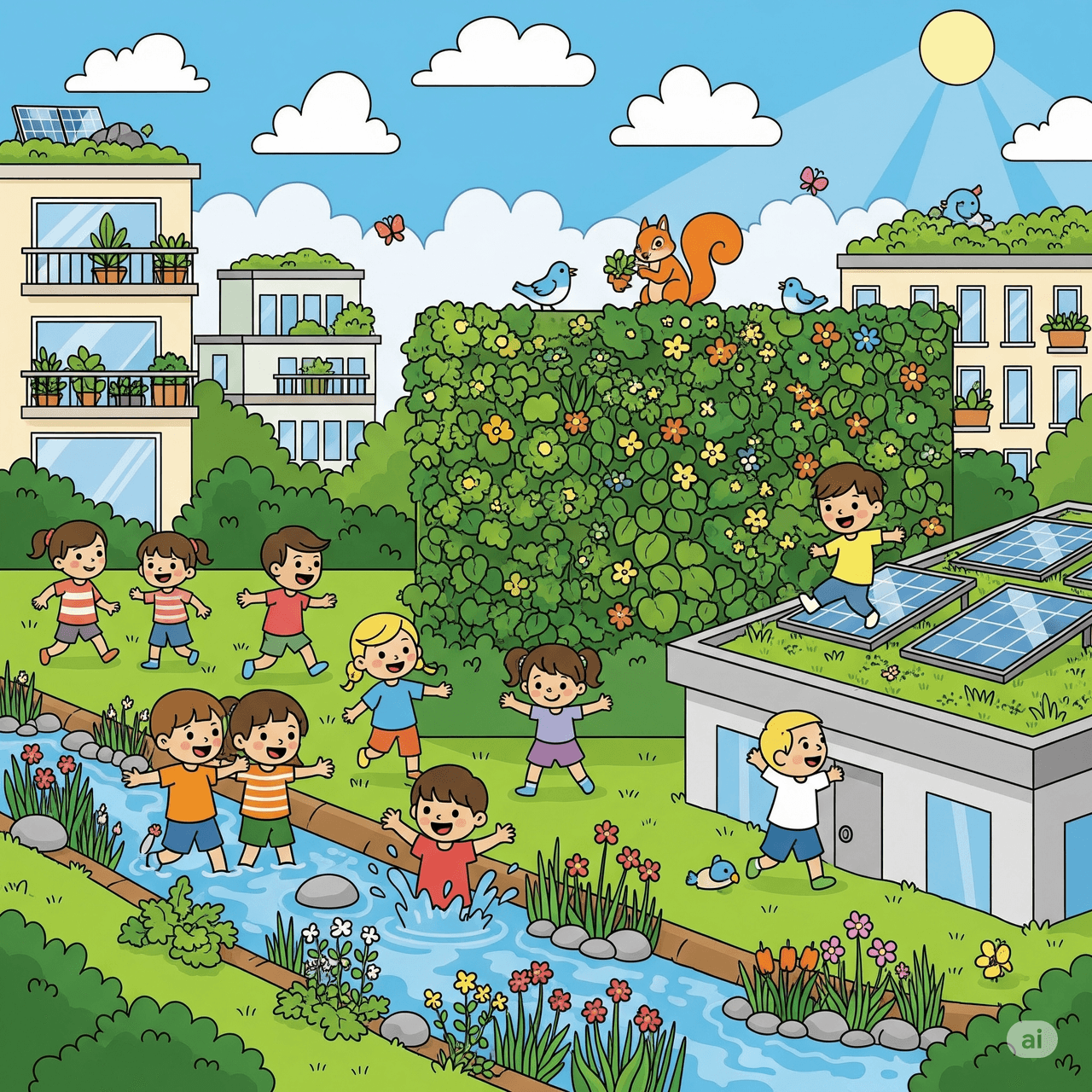


What Is Green Infrastructure?
Green infrastructure encompasses trees, parks, gardens, ponds, and other natural systems found in urban and natural areas. This structure provides not only aesthetic value but also helps preserve natural ecosystems and reduces environmental problems. While creating healthier living environments for people, it also contributes to the maintenance of biological diversity.
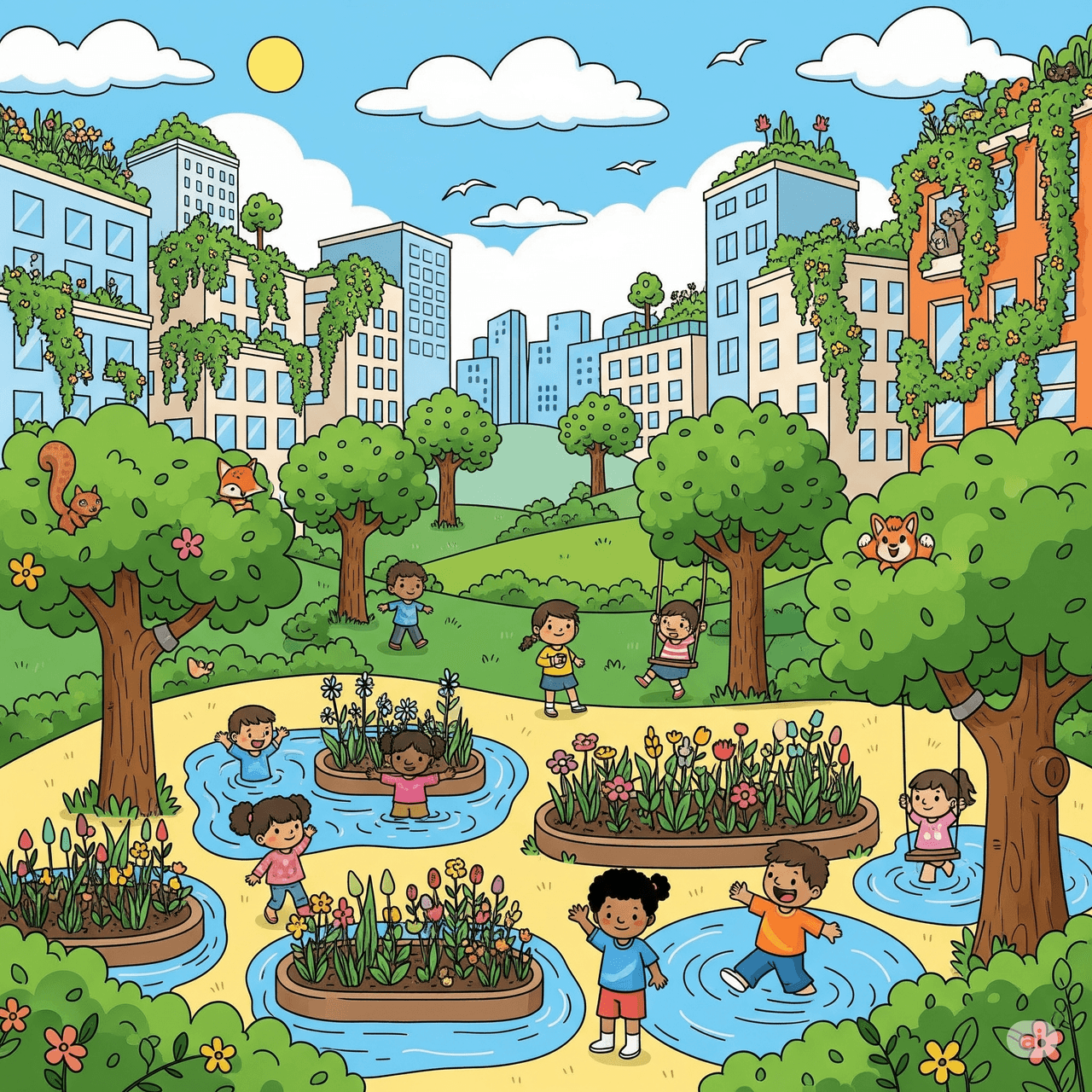
(Generated by artificial intelligence.)
Objectives
The primary objective of green infrastructure is to protect ecosystems and improve human quality of life. Natural areas control flooding, balance temperature fluctuations in cities, and provide safe habitats for wildlife. Additionally, by supporting environmental sustainability, it aims to leave future generations with a healthy living environment.
How It Works
Green infrastructure prevents environmental problems and maintains the ecological balance of cities by utilizing natural processes. For example, parks and gardens absorb rainwater, trees purify the air, and ponds and wetlands regulate water flow. When integrated with engineering solutions, these systems reduce flood risks and make cities safer and more sustainable.
Policy and Planning
European countries prioritize the protection of natural resources and the balancing of societal needs when planning green infrastructure. New projects strengthen the ecological structure of cities while improving human living spaces. This approach ensures both environmental conservation and increased urban livability.
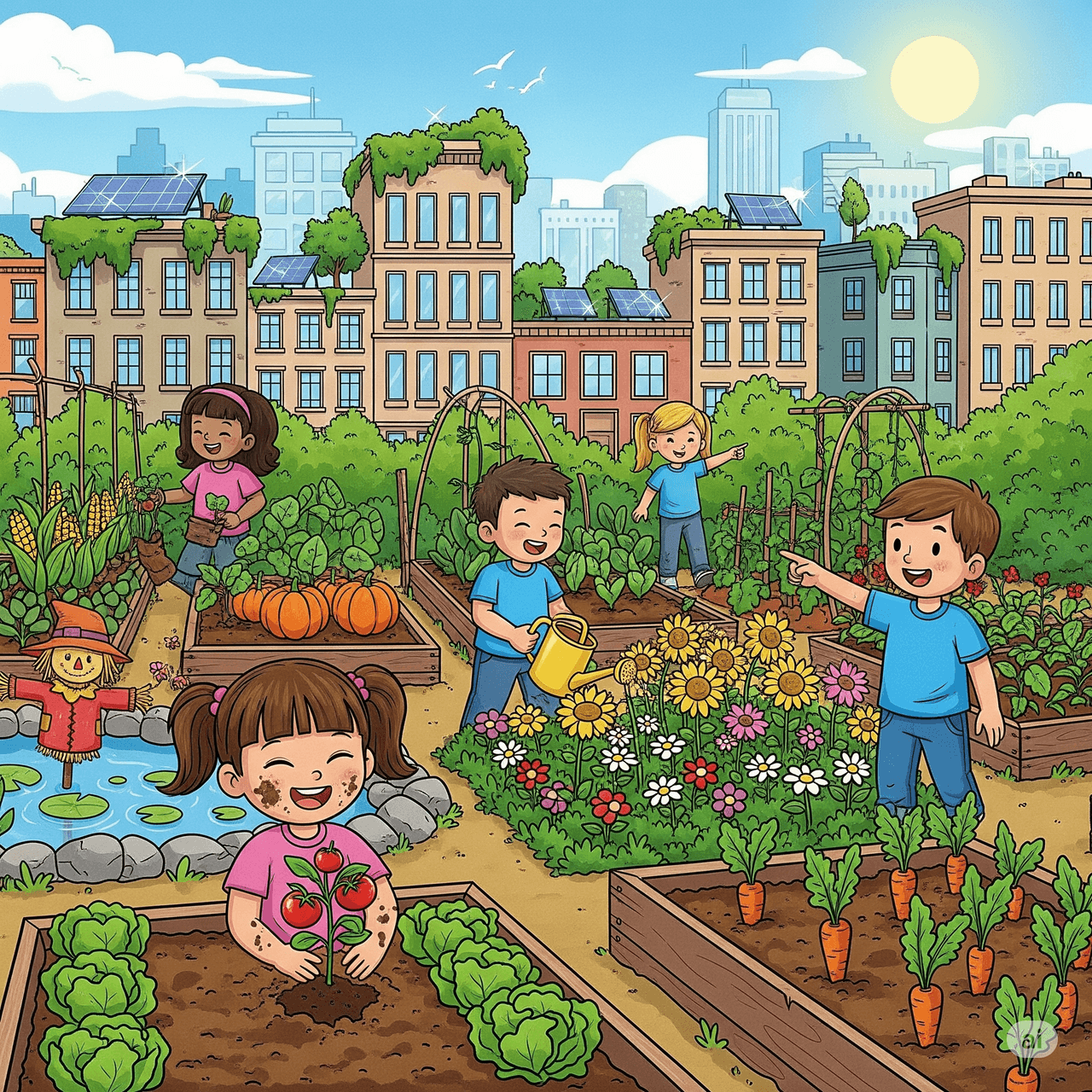
(Generated by artificial intelligence.)
Benefits
Green infrastructure provides numerous environmental and social benefits. It improves air and water quality, cools cities, and creates healthier living environments. At the same time, it establishes natural habitats for animals and plants, prevents flooding, and reduces environmental issues such as erosion. As a result, the sustainability of ecosystems is supported.