


This article was automatically translated from the original Turkish version.
+1 More
Van Museum
Location | Van Eastern Anatolia Region | ||||||||
|---|---|---|---|---|---|---|---|---|---|
Establishment | 1932 (depot), 1945 (Museum Staff), 1972 (Museum Directorate) | ||||||||
New Museum Opening | 2019 | ||||||||
Collection | Paleolithic, Neolithic, Chalcolithic, Urartian, Persian, Roman, Byzantine, Seljuk, Akkoyunlu, Karakoyunlu, Ottoman | ||||||||
Education | Archaeopark Workshops Conferences | ||||||||
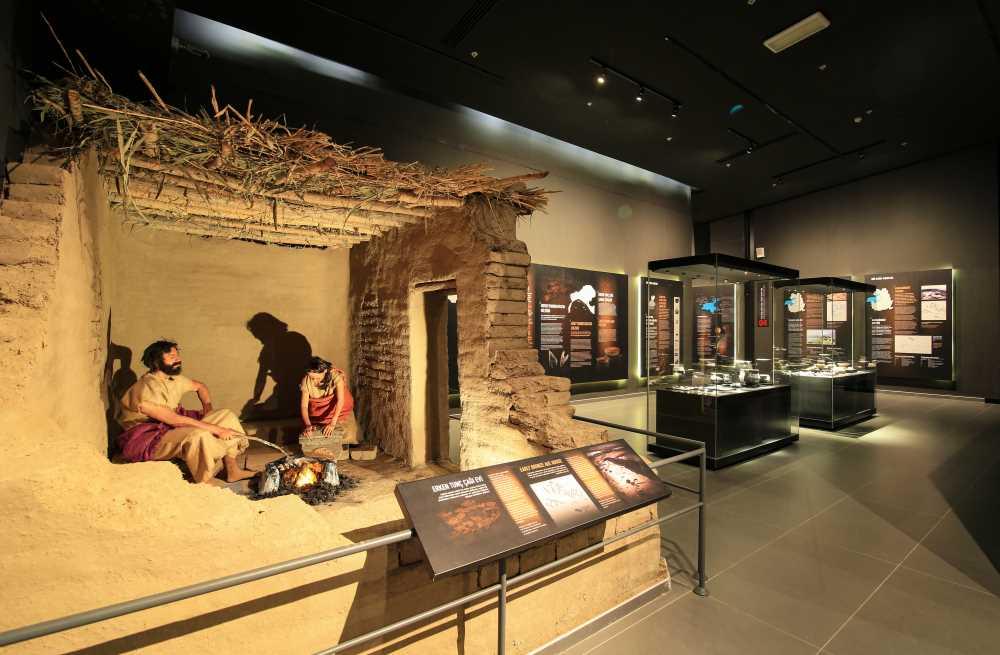
The Van Museum is located in the city of Van, within the Van Lake basin in Eastern Anatolia, Türkiye. It displays artifacts spanning from prehistoric times through the Urartian, Persian, Roman, Byzantine, Islamic, Seljuk, Akkoyunlu, Karakoyunlu, and Ottoman periods. Since 2019, the museum has operated in a modern building designed in accordance with contemporary museological principles.
Van Museum (Turkish Museums)
The museum’s origins date back to 1932, when a storage building was constructed to protect cultural heritage. Early collections included numerous Urartian cuneiform victory stelae and funerary stones featuring ram and sheep motifs from the Akkoyunlu and Karakoyunlu periods. In 1945, the Van Museum Office was established, and by 1972, due to the growing number and diversity of artifacts, it was reorganized as the Van Museum Directorate.
Following the 2011 Van earthquake, the former museum building in the city center sustained damage, prompting the construction of a new facility. The foundation of the new building was laid in 2012 and completed in 2019. It covers approximately 10,000 square meters of indoor space and is situated on a total site of 50,000 square meters. The project was carried out under the Ministry of Development’s “Support for Attraction Centers Program.”
The Van Museum was designed according to contemporary museological principles. Its architecture facilitates visitor circulation both aesthetically and functionally. The complex includes exhibition halls, a conference hall, temporary exhibition spaces, classrooms, a specialized library, children’s play areas, souvenir stalls, and a cafeteria.
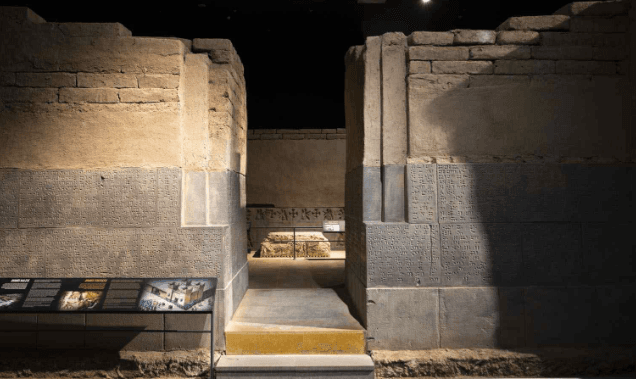
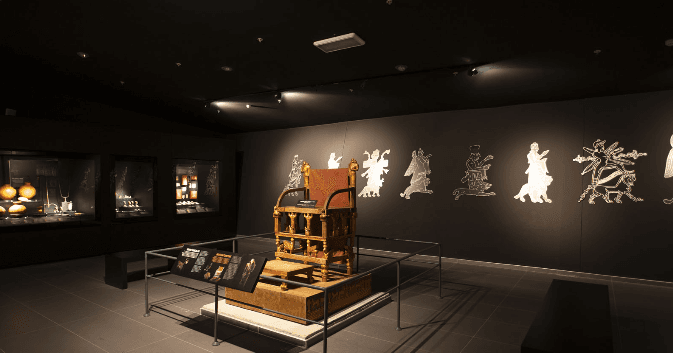
The museum comprises 23 exhibition halls, with artifacts arranged chronologically from the Paleolithic period through to the Ottoman era.
Interior (Turkish Museums)
Interior (Turkish Museums)
This section displays stone tools, obsidian blades, and fired clay vessels from the Paleolithic, Neolithic, and Chalcolithic periods. These artifacts were excavated from various mounds and sites within the province of Van.
The Van Museum houses one of the world’s richest collections of Urartian artifacts. Notable items include bronze, gold, and silver bracelets, armlets, earrings, cuneiform tablets, votive plaques, and small statuettes.
Urartian Bracelets and Armlets: These are adorned with bead sequences and figural motifs, depicting human figures—both male and female—as well as deities.

Urartian Bracelets (Kültür Portalı)
Votive Plaque: Copper plaques recovered from the village of Giyimli in the Gürpınar district depict divine figures and ritual scenes. One notable example features a woman in prayer alongside a sacrificed goat.
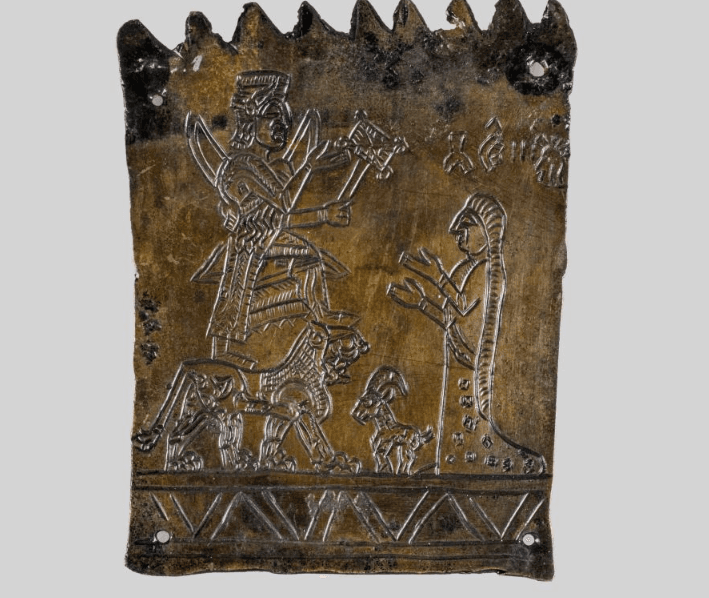
Votive Plaque (Kültür Portalı)
Earrings: Earrings in crescent, ring, and pendulum forms, made of bronze, gold, silver, and lead, were excavated from major Urartian centers such as Ayanis, Altıntepe, and Çavuştepe.
Urartian Lion: A small bronze statuette cast using the lost-wax technique, originally part of a three-legged candelabrum. It was discovered at Aznavur Tepe in Patnos and is now exhibited at the Van Museum.

Urartian Lion (Kültür Portalı)
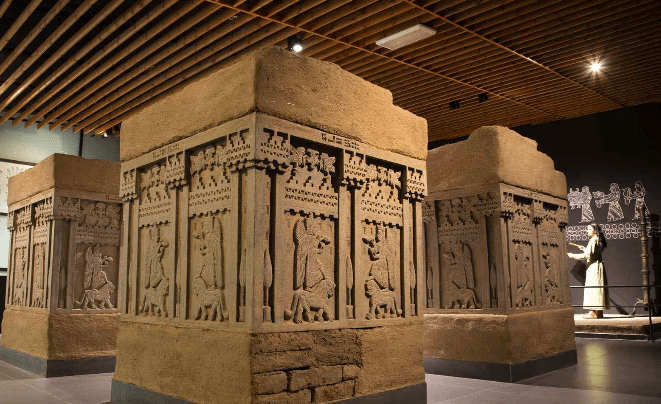
Thirteen limestone stelae, accidentally discovered in 1998 at the foot of Mir Castle in the city center of Hakkari, depict local chieftains and their spouses. The figures are rendered with headdresses, weapons, tents, and wild animals. The stelae were crafted using varied techniques and date to the Early Iron Age.

Hakkari Stelae (Kültür Portalı)
The Van Museum’s inventory includes over 42,000 artifacts, making it one of the largest museums in Türkiye. Approximately 3,000 of these are on display for visitors. The museum houses specialized laboratories for the restoration and conservation of artifacts. It also aims to integrate newly excavated cultural items into its collections.
The museum offers educational programs for both adults and children. Dedicated archaeological play areas, workshops, and children’s play zones are available. A conference hall, temporary exhibition spaces, a cafeteria, and souvenir stalls also serve visitors.
The museum is open to visitors year-round. In 2023, it was visited by approximately 60,000 people. Combined with other tourist sites such as Van Castle and Akdamar Island, visitor numbers reached 55,000 in the first three months of 2024. During visits, various panels, exhibitions, and cultural events are organized.
AA. “Urartu Eserleri Açısından Dünyanın En Zengin Müzesi Çağdaş Mimarisiyle Öne Çıkıyor.” Anadolu Ajansı. Accessed May 8, 2025.https://www.aa.com.tr/tr/kultur/urartu-eserleri-acisindan-dunyanin-en-zengin-muzesi-cagdas-mimarisiyle-one-cikiyor/3222244
T.C. Kültür ve Turizm Bakanlığı. "Van Müzesi." Accessed May 8, 2025.https://muze.gov.tr/muze-detay?SectionId=VNM01&DistId=MRK
T.C. Kültür ve Turizm Bakanlığı. "Van Müzesi." Accessed May 8, 2025.https://turkishmuseums.kprod.kultur.gov.tr/museum/detail/2251-van-muzesi/2251/1
T.C.Kültür Portali. "Van Müzesi." Accessed May 8, 2025.https://www.kulturportali.gov.tr/turkiye/van/gezilecekyer/van-muzesi

Van Museum
Location | Van Eastern Anatolia Region | ||||||||
|---|---|---|---|---|---|---|---|---|---|
Establishment | 1932 (depot), 1945 (Museum Staff), 1972 (Museum Directorate) | ||||||||
New Museum Opening | 2019 | ||||||||
Collection | Paleolithic, Neolithic, Chalcolithic, Urartian, Persian, Roman, Byzantine, Seljuk, Akkoyunlu, Karakoyunlu, Ottoman | ||||||||
Education | Archaeopark Workshops Conferences | ||||||||
Foundation and History
Architectural Features and Physical Structure
Collections and Exhibition Sections
Prehistoric Artifacts
Urartian Civilization
Hakkari Stelae
Current Number of Artifacts and Conservation Activities
Visitor Services and Educational Areas
Visit Information