


This article was automatically translated from the original Turkish version.
+2 More
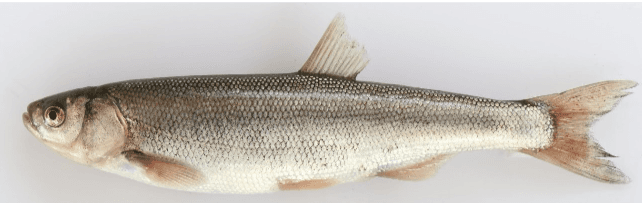
Pearl Mullet
Product / Product Group | Processed and unprocessed meat products | ||||||||
|---|---|---|---|---|---|---|---|---|---|
Applicant/Registrant | Eastern Anatolia Development Agency | ||||||||
Registration Date | 10.04.2025 | ||||||||
File Number | C2024/000178 | ||||||||
Registration Number | 1719 | ||||||||
Van Gölü İnci Kefali is an endemic fish species found naturally only in the Van Gölü basin. This species, scientifically named Alburnus tarichi, belongs to the Cyprinidae family and has been registered with a "Geographical Indication" by the Turkish Patent and Trademark Office.
Van Gölü İnci Kefali is a fish with a fusiform slender and elongated body, a scaleless head, and a body covered with small cycloid scales. Its coloration is grayish-green on the back and silvery-white on the sides and belly. It can live up to seven years and feeds on planktonic organisms. Since it cannot spawn in the lake itself, it migrates into the rivers flowing into Van Gölü between April and July.
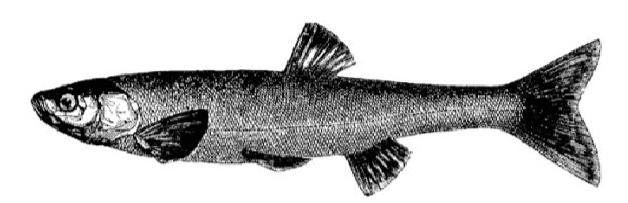
İnci Kefali (Türk Patenti)
Van Gölü İnci Kefali is caught exclusively in the Van Gölü basin using extended nets. Fishing activities are conducted in accordance with Law No. 1380 on Aquatic Products and related regulations. Fishing is prohibited between 15 April and 15 July.
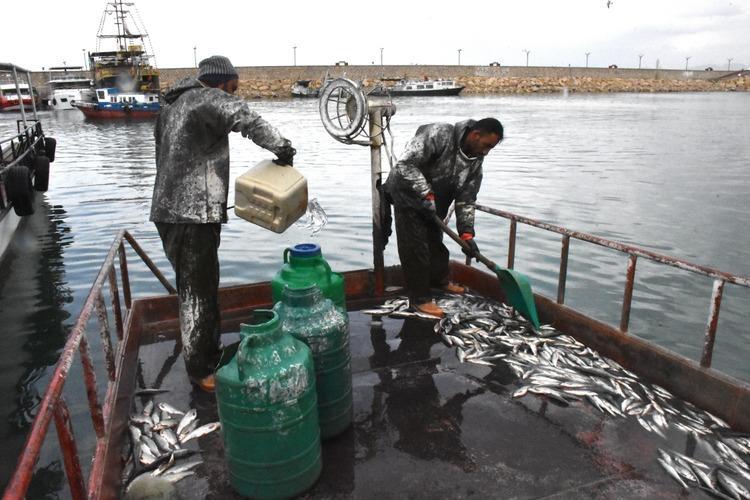
Van Gölü İnci Kefali (AA)
Van Gölü İnci Kefali can be caught only within the Van Gölü Basin. The geographical boundary encompasses the lake’s shoreline and all freshwater sources flowing into it. The fish’s exclusive ability to spawn in this area, along with its adaptation process and physiological traits, establishes a direct link between the product and its geographical origin.
Anadolu Ajansı. "Van Gölü’ndeki İnci Kefali Göç Yolculuğunda Sıkı Şekilde Korunacak." Accessed May 27, 2025.https://www.aa.com.tr/tr/yasam/van-golundeki-inci-kefali-goc-yolculugunda-siki-sekilde-korunacak/3538551
Erciş Kaymakamlığı. "İnci Kefali." Accessed May 27, 2025.http://www.ercis.gov.tr/inci-kefali
T.C. Ministry of Agriculture and ForestryVan İl Directorate. "İnci Kefali." Accessed May 27, 2025.https://van.tarimorman.gov.tr/Sayfalar/Detay.aspx?SayfaId=22
Turkish Patent and Trademark Office. "Van Gölü İnci Kefali." Coğrafi İşaret Sicil Belgesi No: 1725. Accessed June 4, 2025.https://ci.turkpatent.gov.tr/cografi-isaretler/detay/11522
Turkish Patent and Trademark Office. *Coğrafi İşaret Teknik Şartnamesi – Van Gölü İnci Kefali*. Accessed May 27, 2025.https://ci.turkpatent.gov.tr/Files/GeographicalSigns/27472ed4-4db5-42de-b226-446d6a9ac765.pdf.

Pearl Mullet
Product / Product Group | Processed and unprocessed meat products | ||||||||
|---|---|---|---|---|---|---|---|---|---|
Applicant/Registrant | Eastern Anatolia Development Agency | ||||||||
Registration Date | 10.04.2025 | ||||||||
File Number | C2024/000178 | ||||||||
Registration Number | 1719 | ||||||||
No Discussion Added Yet
Start discussion for "Van Lake Pearl Roach" article
Product Description and Distinctive Characteristics
Distinctive Characteristics
Physical Appearance
Production Method
Fishing Process
Composition Characteristics
Chemical Composition (min.–max.)
Fatty Acids (%)
Mineral Content (mg/100 g)
Geographical Boundary and Control