


This article was automatically translated from the original Turkish version.
+2 More
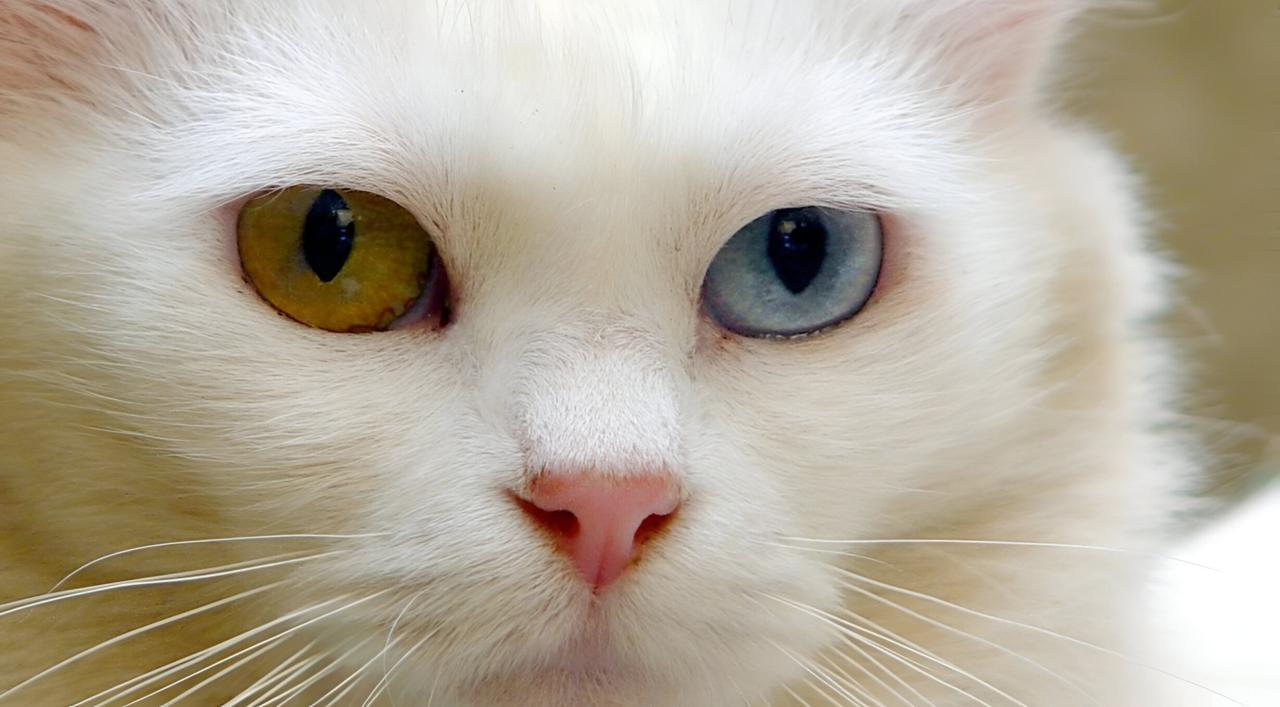
Van Cat
Origin | Türkiye Lake Van Basin | ||||||||
|---|---|---|---|---|---|---|---|---|---|
Type | Safkan cat breed | ||||||||
Recognition | Recognized by the Cat Fanciers' Association and The International Cat Association. | ||||||||
Registration | Registered as a value of Van on 22 April 2006. | ||||||||
Size | 5 kg Medium-large (male: 4 height up to 76 cm) 8-3 female: 2 5-9 kg | ||||||||
Fur | White - silky and thick; colored patches (yellow, black, etc.) may be present on the ears and tail. The winter coat is long and fluffy and may reduce in summer. | ||||||||
Tail | Resembles a long fox tail and is fluffy. | ||||||||
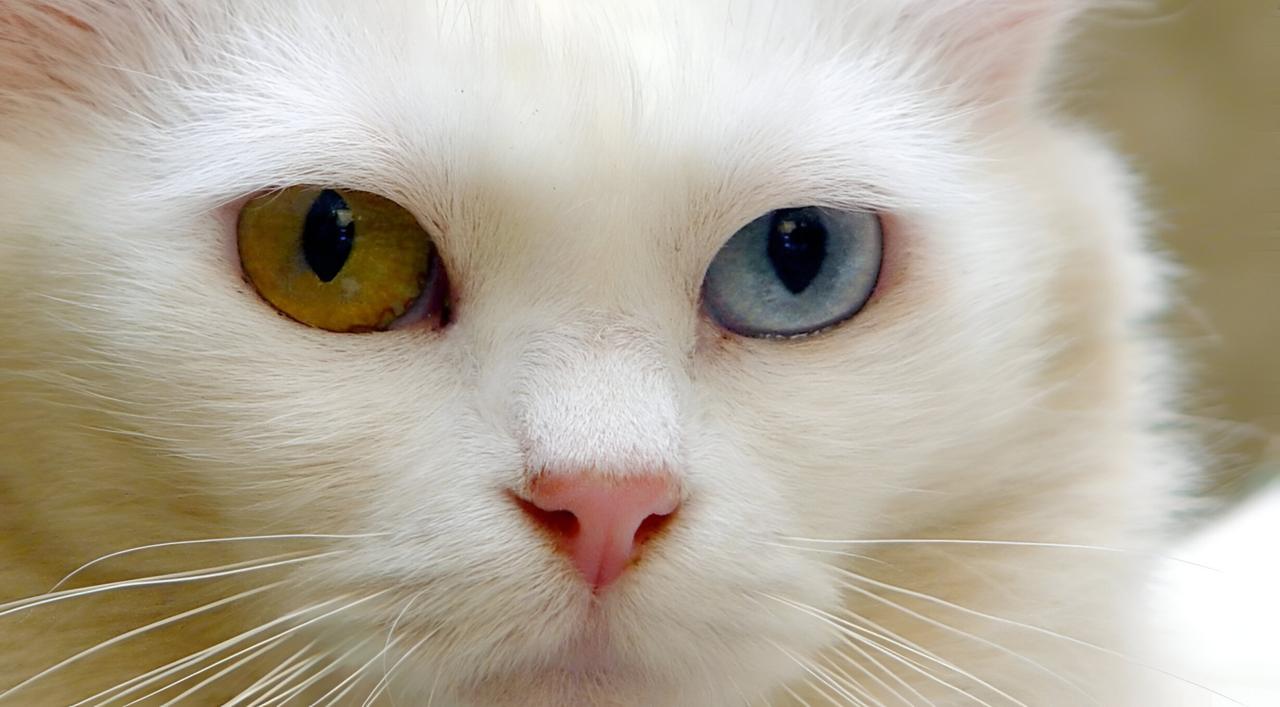
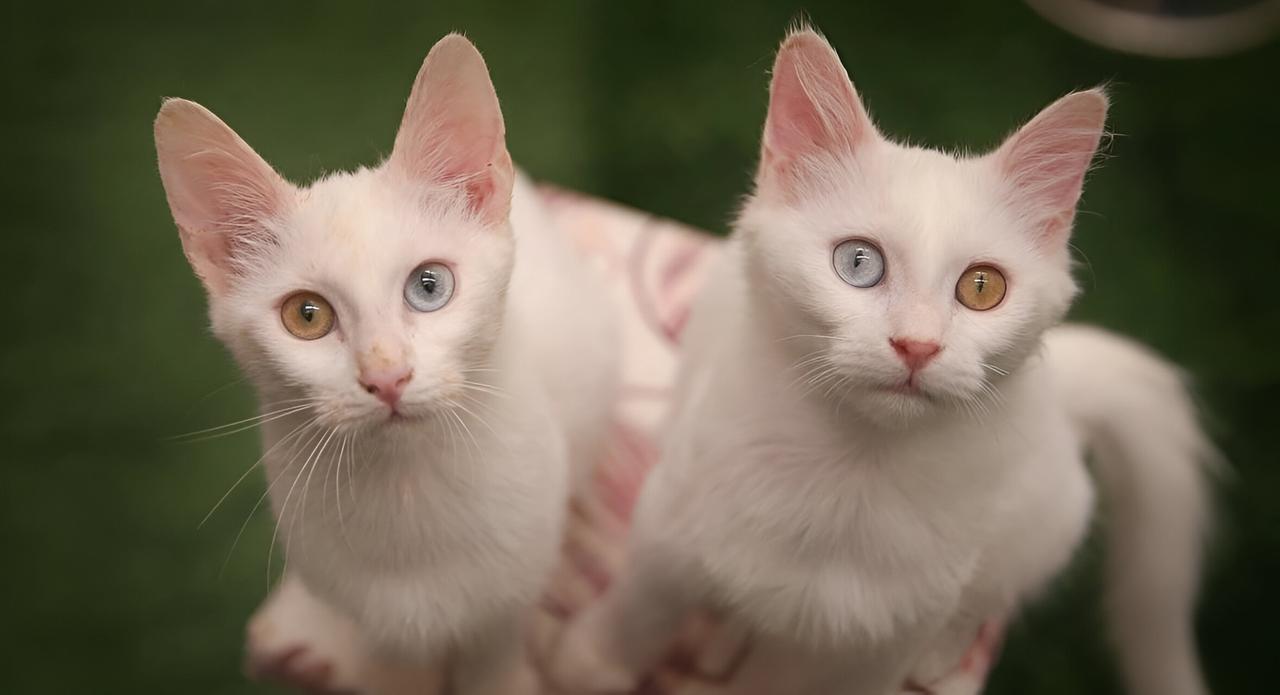
Eyes | Two blue, two amber, one blue and one amber | ||||||||
Van Cat, is a renowned cat breed from Türkiye, specifically a purebred feline native to the Van Lake basin. It is distinguished by its affectionate nature, white coat, lion-like gait, long and fluffy tail resembling a fox’s, heterochromatic eyes, and strong affinity for water. It is regarded as one of the rare animals in the world to have preserved its purity without hybridization, a trait that sets it apart both within the feline world and among other species.
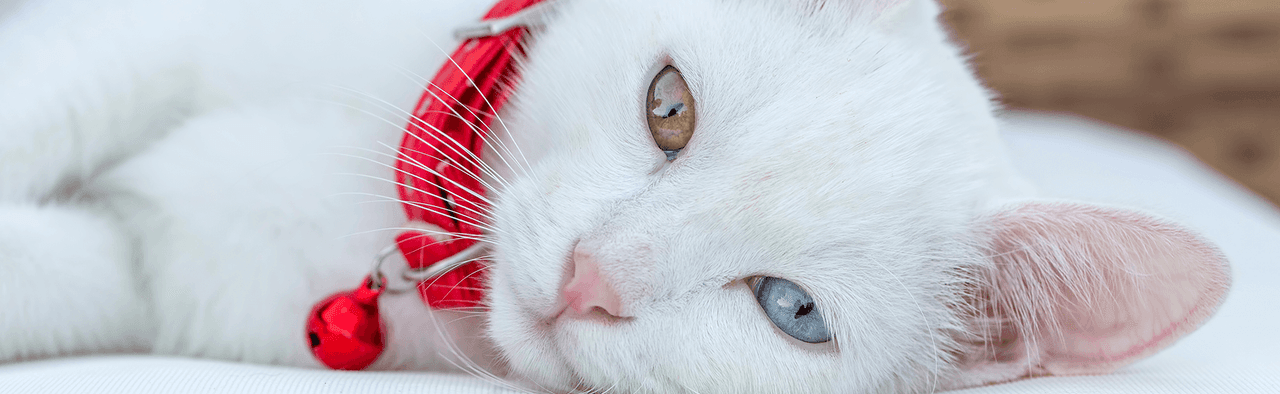
Van Cat (vetamerikan)
Van Cat’s arrival in Anatolia, including the exact time and manner, remains uncertain. However, its origins are believed to extend as far back as 5000 BCE in the Van Lake region; this hypothesis is supported by the presence of figures resembling the Van Cat in ancient artifacts and decorations found in the area. This makes it one of the oldest and most established purebred cat breeds in history.
The Van Cat was first taken outside Türkiye to the United Kingdom in 1955, initially referred to as the “Turk Cat.” To avoid confusion with the Ankara Cat, it was later named the “Turkish Van Cat.” The breed reached the United States of America in 1982 and rapidly gained popularity due to its distinctive appearance and intelligence. Today, it is recognized as a purebred breed by both the Cat Fanciers' Association and the The International Cat Association. In Türkiye, the Van Cat is considered a national treasure; its export is strictly regulated and efforts are ongoing to preserve the breed. In this context, the Van Cat Research Center (VKAM) was established in 1992 under Van 100th Year University, and the Van Cat House project was implemented at the Ankara Forest Farm. On 22 April 2006, the Van Cat was officially registered as a valued asset of Van.
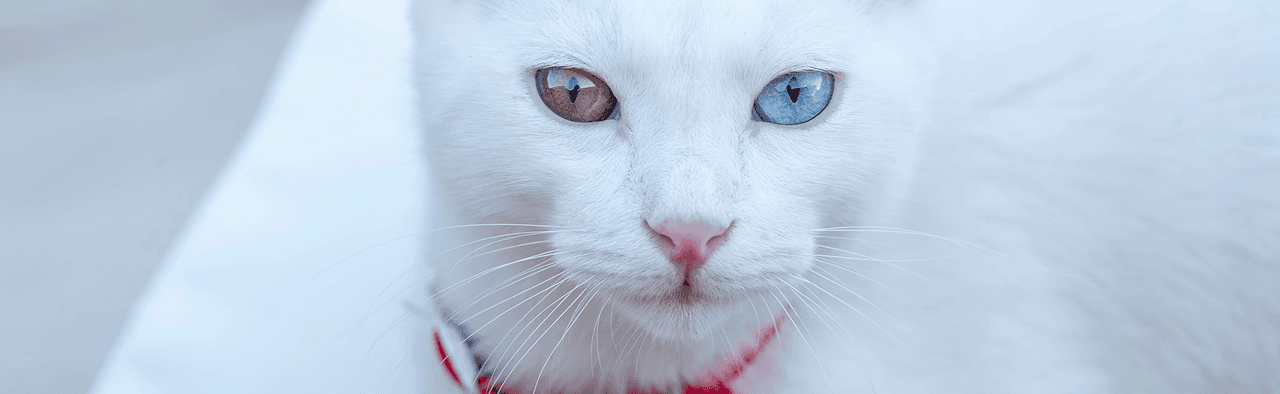
Van Cat (vetamerikan)
The Van Cat is a medium to large-sized breed, reaching full maturity between three and four years of age. Males weigh between 4.5 and 9 kilograms, while females range from 2.8 to 3.5 kilograms. Their body length can reach up to 76 centimeters. The body is long, muscular, and elegant, with robust bones, broad chest, strong legs, and round paws. The tail is of medium length, thickly furred, and resembles a fox’s tail. The head is broad, more pronounced in males than in females; ears are large, pink, widely spaced, and have rounded bases.
One of the most striking features of the Van Cat is its eye color: both eyes may be blue (turquoise tone), both may be amber (in varying shades), or one eye may be blue and the other amber. Kittens are born with grayish eyes; color differentiation begins around 25 days after birth and becomes fully defined by 40 days. The coat is both thick and soft, typically white; however, patches of yellow, black, or other colors may appear around the ears and tail. This two-tone coloring is a characteristic trait of the breed. In winter, the fur grows longer, giving the cat the appearance of a snowball, while in summer, shedding reduces the coat length. Kittens may have one or two black spots between the ears; these spots disappear within a few months and sometimes leave behind only a few black hairs.
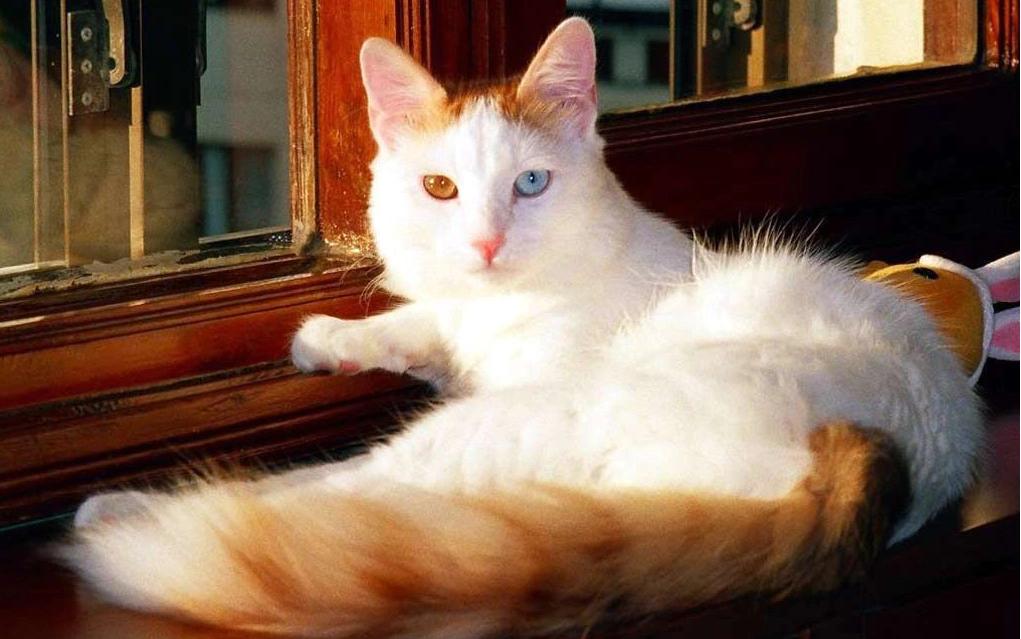
Van Cat (petlebi)
The Van Cat is known for its energetic, social, and affectionate temperament. It enjoys spending time with humans, is loyal to its owners, and has a strong need for attention. It loves to play and explore; due to its intelligence, it can learn to open doors or cabinets. Its fondness for jumping, combined with its powerful legs, makes it essential to provide climbing spaces in the home. Unlike most other cats, it does not fear water; it enjoys swimming, playing with water, and even spending time near faucets. This trait originates from its natural habitat around Van Lake. The single-layered structure of its coat allows it to dry quickly after emerging from water.
The Van Cat is generally quiet and adapts easily to apartment living. It can adjust to a new environment within 20 to 30 days, distinguishing it from other cat breeds. It is intelligent enough to test the temperature of its food with its paws before eating. It gets along well with other pets, including dogs and children; however, it does not enjoy being left alone and may develop separation anxiety if neglected for extended periods.
Van Cat (petlebi)
Veterinary care is recommended for the Van Cat. However, according to general consensus, its coat requires regular grooming; shedding increases significantly during seasonal transitions, and daily brushing is advised. Ear cleaning, nail trimming (once or twice a month), and weekly tooth brushing are essential for maintaining its health. Its diet should be planned according to age, health condition, and activity level. Due to its high energy, it is not prone to weight gain, but high-protein, quality food supports muscle mass. Free feeding is suitable, but overfeeding must be avoided.
The Van Cat is generally a healthy and long-lived breed. However, white-coated individuals have a risk of deafness, which occurs in approximately 2 to 3 percent of blue-eyed cats (this misconception about deafness in cats originated from confusion with the Ankara Cat). Additionally, it may be susceptible to general feline ailments such as cardiovascular diseases and disorders of the eyes and ears.
The Van Cat enters estrus annually in February, March, or June; this period lasts approximately 10 days. Gestation lasts 62 days, and a litter typically consists of four kittens. After the first month of pregnancy, the abdomen swells and the mother cat resists being touched on the belly. She seeks quiet, dark places for giving birth.
The Van Cat is often confused with the Ankara Cat, but there are clear distinctions:
Van Cat (petlebi)
The Van Cat is one of Türkiye’s national treasures. Ongoing efforts to preserve its population and increase its numbers aim to secure the future of this unique breed.
“Van Kedisi.” T.C. Tarım ve Orman Bakanlığı Van İl Müdürlüğü. Accessed April 1, 2025.https://van.tarimorman.gov.tr/Sayfalar/Detay.aspx?SayfaId=21
“Van Kedisi.” T.C. Van Valiliği. Accessed April 1, 2025.http://www.van.gov.tr/van-kedisi.

Van Cat
Origin | Türkiye Lake Van Basin | ||||||||
|---|---|---|---|---|---|---|---|---|---|
Type | Safkan cat breed | ||||||||
Recognition | Recognized by the Cat Fanciers' Association and The International Cat Association. | ||||||||
Registration | Registered as a value of Van on 22 April 2006. | ||||||||
Size | 5 kg Medium-large (male: 4 height up to 76 cm) 8-3 female: 2 5-9 kg | ||||||||
Fur | White - silky and thick; colored patches (yellow, black, etc.) may be present on the ears and tail. The winter coat is long and fluffy and may reduce in summer. | ||||||||
Tail | Resembles a long fox tail and is fluffy. | ||||||||
Eyes | Two blue, two amber, one blue and one amber | ||||||||
History
Physical Characteristics
Temperament
Care and Nutrition
Health
Reproduction
Differences from the Ankara Cat