


This article was automatically translated from the original Turkish version.
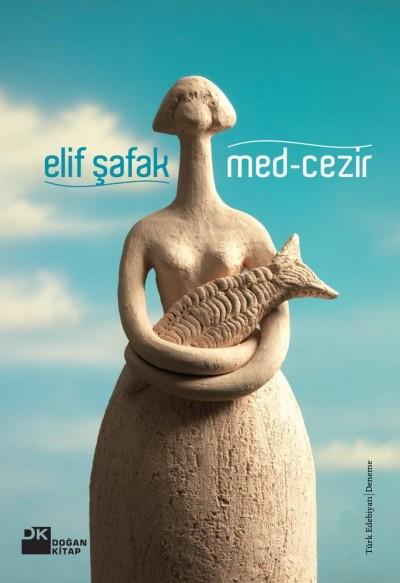
Med-Cezir
Author(s) | Elif Şafak | ||||||||
|---|---|---|---|---|---|---|---|---|---|
Genre | Essay | ||||||||
Publisher(s) | Doğan Kitap | ||||||||
First Publication Date | 2010 | ||||||||
Number of Pages | 280 | ||||||||
Elif Şafak's work titled Med-Cezir stands out as a book composed of essays and writings from different periods of the author’s life, rich with literary and cultural analysis. This review examines the book’s themes, language, approach, and contributions to the reader.
The book offers observations on how individuals construct their identity and how this identity is shaped within the contexts of society, family, and culture. Particularly emphasized are issues of migration, intercultural differences, and affiliation.
Elif Şafak examines the conditions of womanhood and problems related to social gender roles within both personal and cultural contexts. The challenges of being a woman, societal perceptions of women, and ideas of liberation on are brought to the forefront.
The author’s reflections on the literary world and her personal insights into the writing process make this book appealing to literature enthusiasts. Her thoughts on the transformative power of writing draw particular attention.
Şafak frequently explores her own identity quest between East and West cultures, and her efforts to build a bridge between these two world. She argues that cultural diversity and differences should be valued as enrichments.
Evocative and Poetic Expression:
Personal and Intimate Tone:
Metaphorical Expression:
Depth and Universal Relevance:
Target Audience Clarity:
Med-Cezir is a work in which Elif Şafak intertwines her personal experiences with social issues, aiming to offer readers an inner journey. It draws attention as a thought-provoking book on both cultural and individual matters. However, work may not provide sufficient depth for readers expecting more academic or in-depth analysis.
Şafak, Elif. Med-Cezir. İstanbul: Doğan Kitap, 2010.

Med-Cezir
Author(s) | Elif Şafak | ||||||||
|---|---|---|---|---|---|---|---|---|---|
Genre | Essay | ||||||||
Publisher(s) | Doğan Kitap | ||||||||
First Publication Date | 2010 | ||||||||
Number of Pages | 280 | ||||||||
Overall Framework of the Book
The Concept of Med-Cezir
The Essay Form
Themes and Topics
Identity and Belonging
Womanhood and Social Gender
Art and Literature
East and West
Language and Style
Critiques