


This article was automatically translated from the original Turkish version.
+2 More
Three Mile Island Nuclear Reactor Accident
History | 28 March 1979 | ||||||||
|---|---|---|---|---|---|---|---|---|---|
Location | Pennsylvania/USA | ||||||||
Reactor Type | Pressurized Water Reactor (PWR) | ||||||||
Boiler Type | Partial Core Meltdown | ||||||||
Affected Countries | USA | ||||||||
The Three Mile Island Nuclear Reactor Accident was an event that occurred on March 28 1979 at the Three Mile Island Nuclear Power Plant in Pennsylvania State United States and is regarded as a critical turning point in nuclear energy history. Due to technical failures and a chain of human errors in the plant’s second unit (TMI-2), a large amount of radiation was released into the environment. As a result the Three Mile Island nuclear reactor accident is remembered in history as the event that led to the complete rewriting of all nuclear regulations.
In the late 1970s nuclear energy was a rapidly growing electricity production source in the United States. By 1979 more than 70 commercial nuclear reactors were operating nationwide supplying approximately 12% of the country’s total electricity. During this period both the government and the nuclear industry held a confident and complacent attitude regarding plant safety. Within this political environment the Three Mile Island (TMI) nuclear power plant was constructed in Pennsylvania near the city of Harrisburg.
Designed with the aid of artificial intelligence
The TMI facility had two separate pressurized water reactors (PWRs); the first unit designated TMI-1 with a capacity of 819 MWe began operation in 1974 and became one of the best-performing nuclear reactors in the United States until 2019. The second unit TMI-2 had a capacity of 880 MWe and was still very new in 1979.
Following the oil crises nuclear energy was supported as a reliable alternative in energy policy. However the Three Mile Island accident occurred only a few months after TMI-2 began operation dramatically ending the period of growth in commercial nuclear energy use in the United States. The accident accelerated global discussions on nuclear safety.
Three Mile Island Unit 2 (TMI-2) was a pressurized water reactor (PWR) manufactured by Babcock & Wilcox. The reactor had a "low-pressure loop" design. In PWR systems water in the primary circuit is maintained under high pressure; the generated heat is transferred to steam generators to produce steam that drives turbines. In TMI-2 the primary (nuclear) circuit and secondary (steam) circuit were completely separated. Primary circuit pressure was controlled via a pressurizer while main feedwater pumps continuously supplied water to the steam generators ensuring cooling of the reactor core.
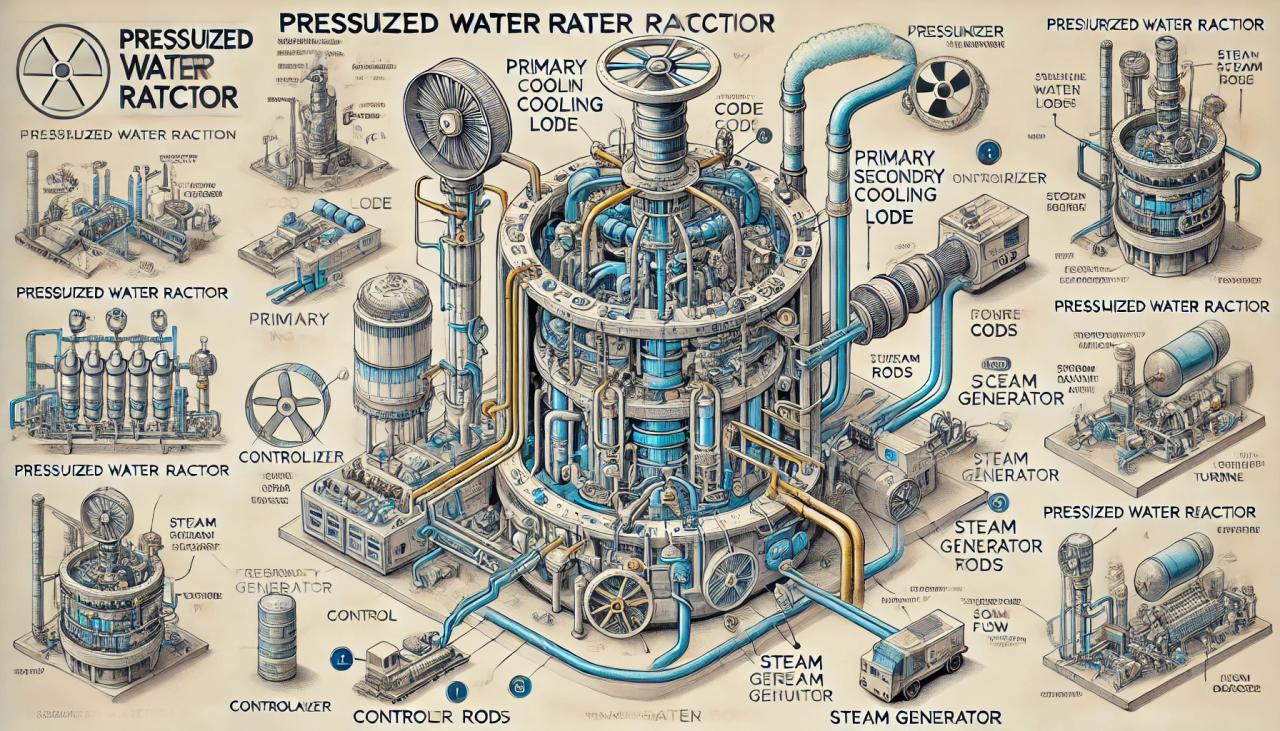
Designed with the aid of artificial intelligence.
The design of the TMI-2 reactor assumed that the core would always remain covered with water; however there was no direct system to measure the water level in the reactor vessel. The reactor had an Emergency Core Cooling System (ECCS) designed to activate automatically and provide additional cooling water in case of coolant loss. Additionally a pilot-operated relief valve (PORV) on the pressurizer was intended to open and reduce pressure if it rose excessively. TMI-2 also featured a protective structure made of steel and concrete (containment building). This structure was designed to prevent potential radioactive leaks and was configured to be fully isolated during emergencies.
At the time of the accident most safety systems activated as designed but failed to achieve the expected outcome due to operator errors and mechanical failures. During the accident the fission chain reaction in the reactor was automatically stopped (SCRAM) and control rods successfully inserted to terminate the nuclear reaction. However after shutdown the decay heat produced in the core (approximately full power capacity’s 6%) needed to be removed by cooling systems but a series of failures prevented adequate heat removal. Consequently the TMI-2 accident is recorded in history as an event that led to core meltdown due to failures in active cooling systems and operator mistakes despite the largely successful passive safety systems of the Babcock & Wilcox PWR design.
March 28 1979 04:00 (Accident Start): While the second unit of Three Mile Island was operating at 97% power a failure occurred in the main feedwater pumps. Due to a probable mechanical or electrical problem water supply to the steam generators ceased. The interruption of feedwater flow prevented heat generated in the reactor from being transferred to the steam circuit and caused the turbine generator to shut down automatically for protection. As a result the reactor automatically entered emergency shutdown mode (SCRAM).
After shutdown fission reactions ceased but radioactive fuel continued to produce decay heat causing pressure to rise in the primary circuit. The pressure relief valve (PORV) designed to control pressure opened but after pressure returned to normal levels around 04:01 the valve malfunctioned and remained open. Indicators in the control room showed the valve as closed but operators failed to recognize its actual open position. Consequently operators did not realize the valve was open and a prolonged loss of steam and coolant from the primary circuit continued.
04:02 – 04:30: After reactor shutdown the emergency cooling system (ECCS) automatically activated and began injecting high-pressure coolant into the core. However operators observed a rapid rise in the pressurizer water level and misinterpreted this as a dangerous condition known as “solidification of the primary circuit” (solid core). Fearing that if the pressurizer became completely filled with water pressure control could be lost operators manually disabled the emergency cooling system. In reality this caused a critical reduction in coolant in the core but operators did not recognize this.
Around 04:15 steam pockets formed in the primary circuit causing violent vibrations in the circulation pumps. Operators interpreted this as potential pump damage and shut down the circulation pumps as well. From this point onward coolant flow into the reactor was nearly completely cut off.
04:30 – 06:00: Due to the cooling system being offline the core temperature rose rapidly. The zirconium alloy cladding of the fuel rods reacted with high-temperature steam producing hydrogen gas. Part of the fuel rods began to melt. Approximately three hours after the accident began (around 07:00) a significant increase in radiation levels was detected inside the containment building and auxiliary building.
Around 08:00 the containment building’s automatic safety system activated isolation mode closing all valves and doors throughout the building. However due to the earlier valve failure radioactive water and steam had already leaked into the auxiliary building. This radioactive water became the primary source of radiation released to the environment in the following days.
14:00: Hydrogen gas accumulated in the containment building reacted with oxygen causing a small scale explosion. The explosion occurred in a controlled manner and did not compromise the integrity of the containment building and operators did not immediately notice it. However analysis the next day confirmed the explosion. On March 29 engineers detected a “hydrogen bubble” in the pressurizer and this misinterpretation led to fears of a new explosion. Initial announcements by the Nuclear Regulatory Commission (NRC) caused panic but subsequent technical analyses revealed no such risk.
Designed with the aid of artificial intelligence
March 30 1979 (Day 3): Technical uncertainties and public fear reached their peak. Pennsylvania Governor Richard Thornburgh recommended on the advice of the NRC that pregnant women and young children evacuate from within an 8 km radius of the plant and schools in the area were closed. This recommendation was interpreted by the media as an “evacuation order” triggering panic and thousands of people fled the area unplanned. On the same day the NRC announced after detailed analysis that there was no hydrogen explosion risk helping to reduce panic.
April 1 1979 (Day 4) and Beyond: U.S. President Jimmy Carter visited Three Mile Island to reassure the public and regain control of the situation. Carter’s walk through the plant without protective clothing was perceived as a calming message. In the first week of April the plant’s cooling system stabilized and the hydrogen bubble shrank and disappeared. On April 9 the Pennsylvania Governor’s office lifted the evacuation advisory and announced that normal life could resume in the area.
The second unit of Three Mile Island was permanently shut down due to the severe damage sustained. After the acute crisis ended detailed investigations radiation measurements and inquiries into the causes of the accident were initiated.
The Three Mile Island accident is recorded in nuclear energy history as a complex sequence of cascading failures offering important lessons. Post-accident technical investigations revealed detailed analyses from thermodynamic nuclear and human factors perspectives.
First although the reactor’s automatic shutdown (SCRAM) halted the chain reaction of fission the decay of radioactive isotopes in the fuel continued to generate heat. This decay heat was approximately 6% of normal operating power immediately after shutdown and was critical for sustained cooling. However equipment failures during the accident prevented this heat from being removed resulting in a rapid rise in core temperature boiling of water and damage to the fuel.
Several thermohydraulic phenomena played a role in the accident’s progression. With no feedwater supplied to the steam generators heat accumulated in the primary circuit causing rapid pressure increase. The safety valve (PORV) on the pressurizer opened to control pressure but due to a mechanical failure it remained open causing significant coolant loss.
This situation resembled a scenario known in literature as a “small break loss-of-coolant accident” (small break LOCA). The Emergency Core Cooling System (ECCS) was designed to activate automatically in such scenarios. However operators disabled the ECCS due to misinterpreted instrument readings causing the primary circuit water level to drop critically and exposing the core. At this stage zirconium alloy fuel rods reacted with steam at temperatures above 1200°C producing hydrogen gas via the reaction Zr + 2H₂O → ZrO₂ + 2H₂. These exothermic reactions further increased core temperature.
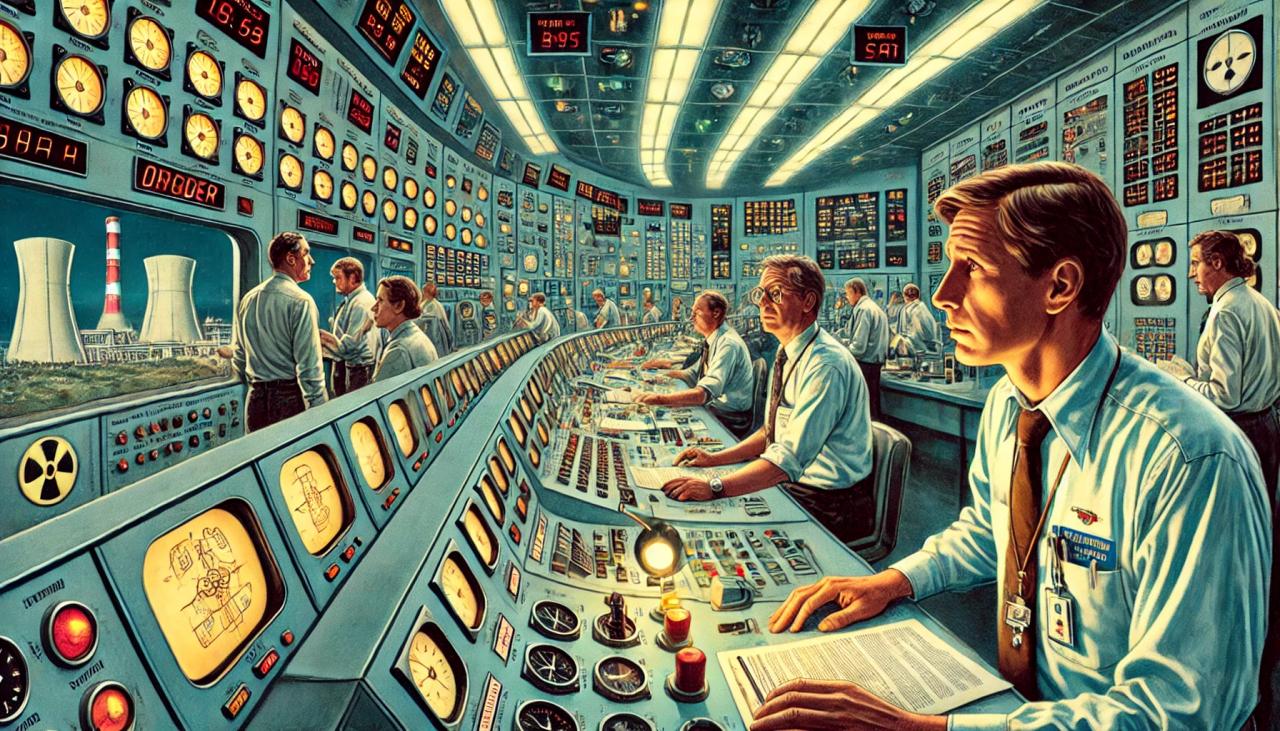
Created with the aid of artificial intelligence.
Partial core meltdown became central to engineering analyses. Within a short time after the core became uncovered fuel temperatures reached approximately 2800°C and portions of the fuel pellets and cladding began to melt. Subsequent analyses determined that about 35-50% of the fuel had melted and settled at the bottom of the pressure vessel. However the pressure vessel maintained its integrity and the molten fuel did not leak out.
This finding demonstrated that the “China Syndrome” fear — the belief that molten fuel would melt through the reactor structure and seep into the ground — had an extremely low probability from an engineering standpoint. Indeed such a scenario did not occur during the TMI accident.
Detailed analyses were also conducted on the human factors involved. At the time of the accident numerous alarms and indicators activated simultaneously causing operators to experience alarm confusion. One of the most critical indicators the PORV status was misleading; operators failed to realize the valve was actually open. Similarly because water level could not be measured directly operators misinterpreted the pressurizer level gauge leading to incorrect interventions.
These deficiencies in the human-machine interface and inadequate operator training were identified as fundamental causes of the accident. In particular operator training manuals did not sufficiently emphasize scenarios in which the PORV might remain open. In fact a similar incident had previously occurred at the Davis-Besse plant in Ohio but this experience was not communicated to TMI operators.
Another important scientific analysis concerned the “hydrogen bubble.” Initially NRC engineers believed the hydrogen bubble formed in the reactor posed an explosion risk; however subsequent thermochemical calculations showed insufficient free oxygen was present within the bubble to support combustion and therefore no explosion risk existed. This hydrogen bubble was later safely removed. However this phenomenon encouraged the development of hydrogen control systems in nuclear power plants.
In conclusion the Three Mile Island accident is a multifaceted example of engineering failure. The accident escalated due to unexpected failures in physical equipment (pumps valves and indicators) and operator misjudgments. However the reactor’s final defense barrier the containment building prevented the accident from becoming a much larger catastrophe. This incident triggered deep investigations in nuclear engineering literature on safety culture human factors and multilayered safety systems and paved the way for significant technological advancements.
The radiation and radioactive materials released during the Three Mile Island accident were extensively studied. At the time of the accident approximately two million people lived within an 80 km radius of the plant. Analyses showed that the average radiation dose received by these individuals was only slightly above natural background radiation levels.
Research conducted by the NRC and other official agencies determined that the average additional radiation dose in the region was only about 1 millirem (0.01 mSv); this value is lower than the dose received during a standard chest X-ray. The highest radiation dose recorded at the plant boundary is estimated to have been slightly above 100 millirem (1 mSv) of natural background radiation. It was stated that this level had no observable effect on human health (for comparison the average American receives about 300 millirem of natural radiation annually).
The vast majority of radioactive materials released into the environment during the accident consisted of radioactive gases from the noble gas family. Radioactive xenon and krypton gases accumulated in the containment building and had to be released in a controlled manner. These gases are biologically inert and rapidly diluted in the atmosphere without causing lasting effects on living organisms.
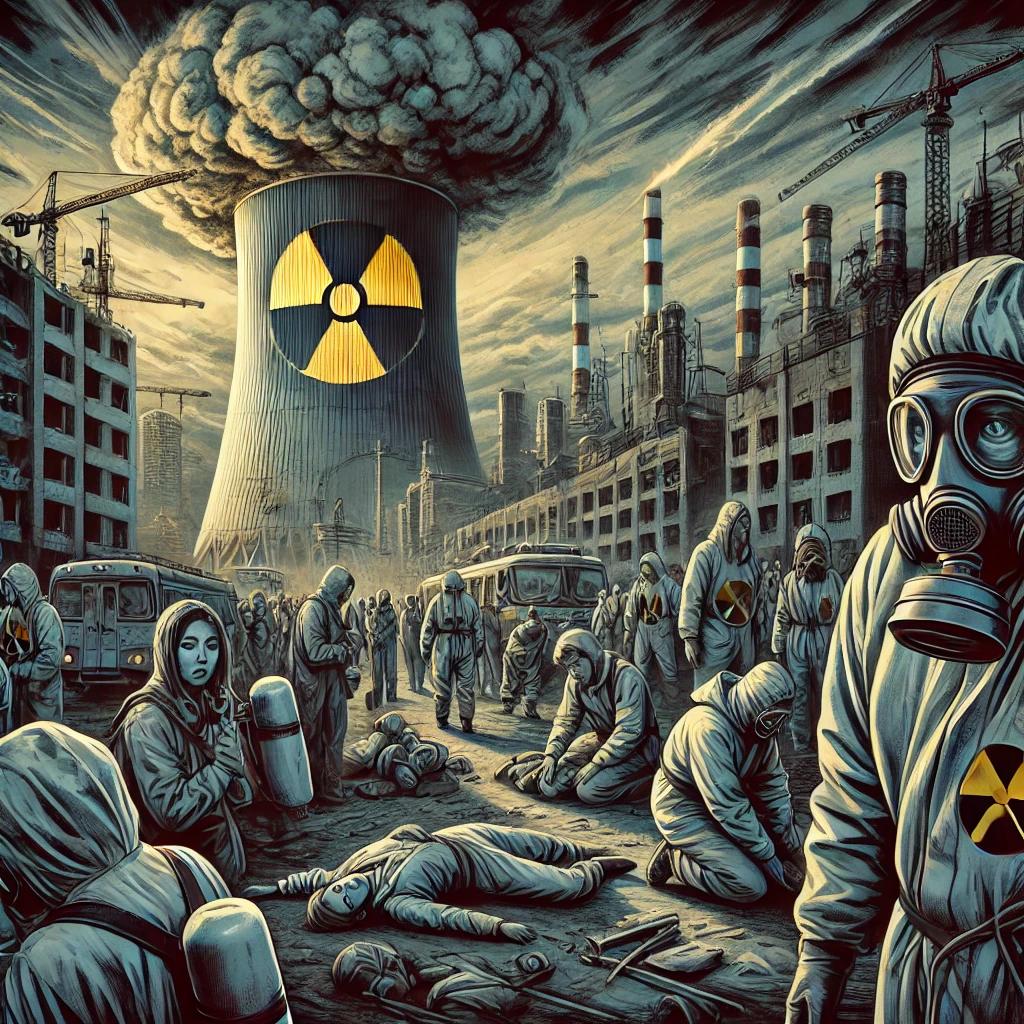
Created with the aid of artificial intelligence.
The majority of the most concerning radioactive iodine (especially I-131) isotopes remained trapped within the containment building; no iodine-related radioactive contamination was detected in environmental measurements. Comprehensive analyses by the NRC and EPA and other agencies found no abnormal levels of radioactive contamination in samples of air water soil plant cover and milk. For example among 377 food samples collected between March 29 and April 30 1979 no radioactivity was detected. These results demonstrated that the radiation released into the environment was at very low levels and had no measurable negative impact on the regional ecosystem.
Although the environmental impact of the accident was generally limited serious radioactive contamination occurred within the plant area. In particular radioactive coolant water leaking from the reactor’s primary circuit caused intense radioactive residue buildup in the auxiliary building and other systems. The cleanup of radioactive water and damaged fuel within the reactor containment structure took years and a large-scale decontamination program lasting approximately 12 years was implemented after the accident. The collected molten fuel and radioactive residues were transported in special containment vessels to the Idaho National Engineering Laboratory.
The total cost of cleanup and decontamination activities was estimated at approximately $973 million. This high cost highlighted the economic dimension of the accident while detailed environmental measurements clearly demonstrated that there were no long-term radioactive effects on soil water and local species in the region.
In conclusion the Three Mile Island accident is considered a minor incident with very low environmental impact compared to major environmental disasters such as Chernobyl (1986) and Fukushima (2011).
The effects of the Three Mile Island (TMI) accident on human health have been extensively studied over many years. After the accident widespread concern arose about possible radiation-related health problems among the local population. Media reports and rumors led to claims of animal deaths and various health issues. To scientifically evaluate these claims the Pennsylvania Department of Health established a health monitoring system covering more than 30 000 individuals living in the region at the time of the accident.
The study which lasted 18 years from 1979 to 1997 found no unusual health problems or trends among the local population. In other words no significant increase in cancer or other health problems was detected among those living near TMI.
Independent epidemiological studies conducted after the accident supported the findings of the state health records. Dozens of comprehensive studies carried out by various institutions and universities found no abnormal increase in cancer cases or mortality rates in the region. For example a study involving 32 000 people over 13 years found no significant health effects attributable to the accident.
Experts noted that the radiation doses released during the accident were extremely low and therefore long-term health effects were not expected. Even theoretical calculations indicated that the additional cancer risk for the most exposed individuals was at a level of only a few per million — negligible compared to the average U.S. lifetime cancer risk of 38-40%. The incremental risk from the TMI accident is not measurable.
Created with the aid of artificial intelligence.
The most prominent health effect of the TMI accident was psychological stress and trauma. Panic and anxiety arose due to fears of explosions and radiation. Surveys conducted by the Presidential Commission and the Pennsylvania State Commission showed that the local population experienced intense stress and anxiety after the accident but these effects diminished over time. Particularly in the first months after the accident psychological stress was widespread among residents but most returned to normal in the following period. However long-term trauma and psychological issues were observed among plant workers.
This situation demonstrated that the psychosocial impacts of the TMI accident were far greater than its physical health effects. Nevertheless legal cases alleging health problems caused by the accident continued for many years. In late 1980s and 1990s legal evaluations found no reliable evidence supporting radiation-related health claims.
In the 1996 class action lawsuit the court rejected plaintiffs’ claims that cancer cases were linked to the accident and concluded that there was no evidence of radiation-related health effects in the region.
In conclusion there is broad consensus within the scientific community that the Three Mile Island accident had negligible measurable health effects. Even years later regional health statistics remained consistent with general population averages. However the accident left important lessons regarding radiation risk communication and the management of psychological trauma revealing that public responses to nuclear accidents are shaped not only by physical risks but also by perceived danger and trust.
Following the Three Mile Island accident comprehensive legal and administrative processes were initiated. First the Presidential Commission established by then U.S. President Jimmy Carter under the leadership of renowned scientist Dr. John Kemeny produced a comprehensive report in October 1979. The Kemeny Commission Report emphasized that the Nuclear Regulatory Commission (NRC) had failed to prevent the accident and identified serious deficiencies in its organizational structure and management culture. The report noted that the NRC had been unable to effectively pursue its safety goals and recommended a thorough review of its structure and practices.
The report also recommended that the nuclear industry adopt a new structure to improve operator training and safety culture. In response the U.S. nuclear industry established the Institute of Nuclear Power Operations (INPO) at the end of 1979.
The NRC also launched its own investigation and evaluation process. The Rogovin Report prepared in 1980 examined technical and administrative shortcomings in detail. As a result the NRC restructured its inspection and operator licensing divisions. Congressional hearings at the federal level questioned the NRC’s accountability and recommended the creation of independent oversight bodies and management committees.
As a result of these processes numerous structural and legal changes were made to the NRC’s operations and regulations for nuclear facilities. In particular from 1980 onward emergency response plans had to be prepared and approved at state and local levels before new nuclear facilities could receive operating licenses. This aimed to prevent the communication and coordination problems experienced during the accident.
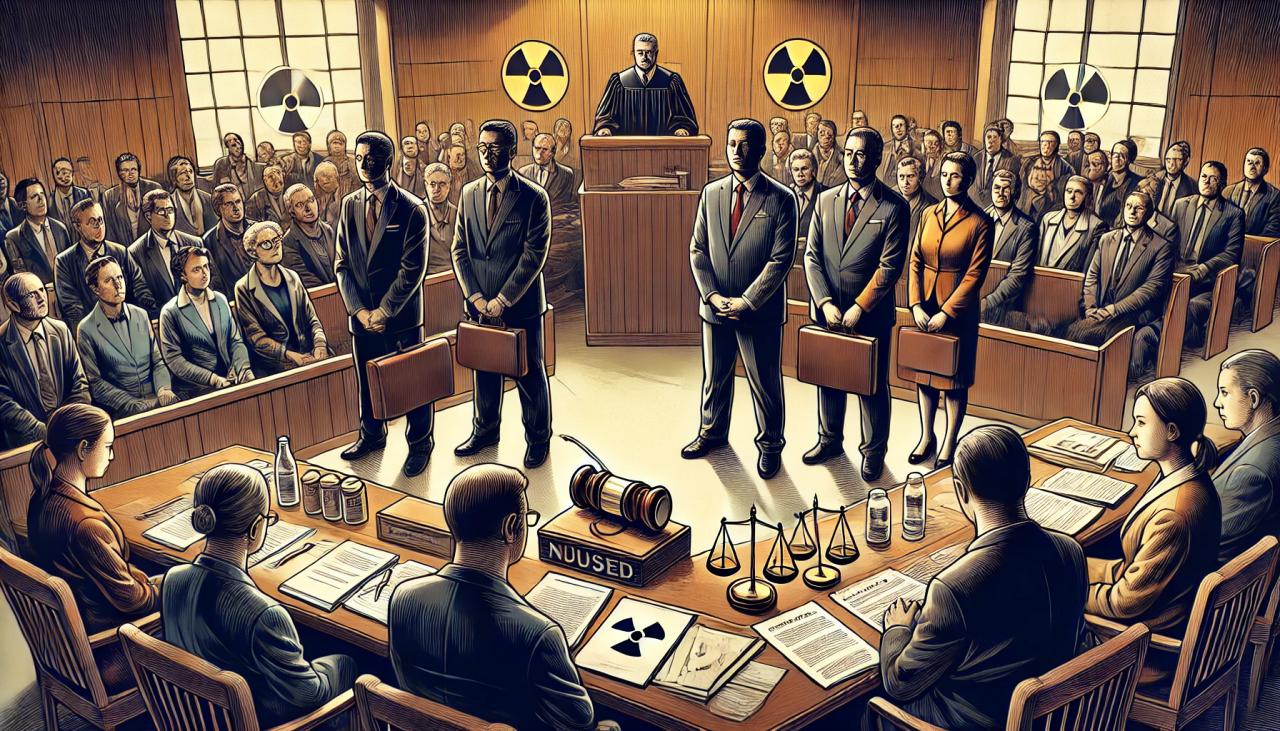
Created with the aid of artificial intelligence.
Legal aspects of the accident included criminal investigations and compensation lawsuits. Metropolitan Edison Company (a subsidiary of GPU Nuclear) faced investigations for technical negligence and providing false or incomplete information to the NRC. In the early 1980s the company was fined administratively for various violations and accepted some charges paying the fines. These penalties set a precedent for transparency and accurate reporting in the nuclear sector.
Residents and businesses affected by the accident also initiated legal action seeking compensation for radiation-related health damages evacuation costs job losses property value declines and moral damages. In 1981 a partial settlement agreement was reached between the parties establishing a $20 million compensation fund for non-health claims and a $5 million public health monitoring fund. Through these funds compensation was paid to more than 15 000 individuals and businesses around the plant. For example payments were made to those who lost income for two weeks and to property owners for losses in real estate value.
Health-related claims were subject to prolonged litigation. A group of plaintiffs filed a lawsuit in the Federal Court between 1993 and 1996 alleging that the accident caused cancer. In a ruling issued by Judge Sylvia Rambo in June 1996 the court rejected the lawsuits stating that the evidence presented over nearly twenty years was insufficient for a jury to consider and no material evidence could prove health problems caused by the accident. The ruling emphasized that the radiation exposure during the accident did not constitute a statistically significant health risk.
In conclusion the legal dimension of the Three Mile Island accident led to significant regulatory changes and raised industry standards. While compensation addressed economic losses no legal liability for health damages was established against the companies.
The Three Mile Island incident played a pivotal role in prompting a reassessment of nuclear liability insurance and compensation systems (Price-Anderson Act). This encouraged the adoption of preventive measures for larger disasters and led to a reevaluation of financial liability limits for companies and insurers.
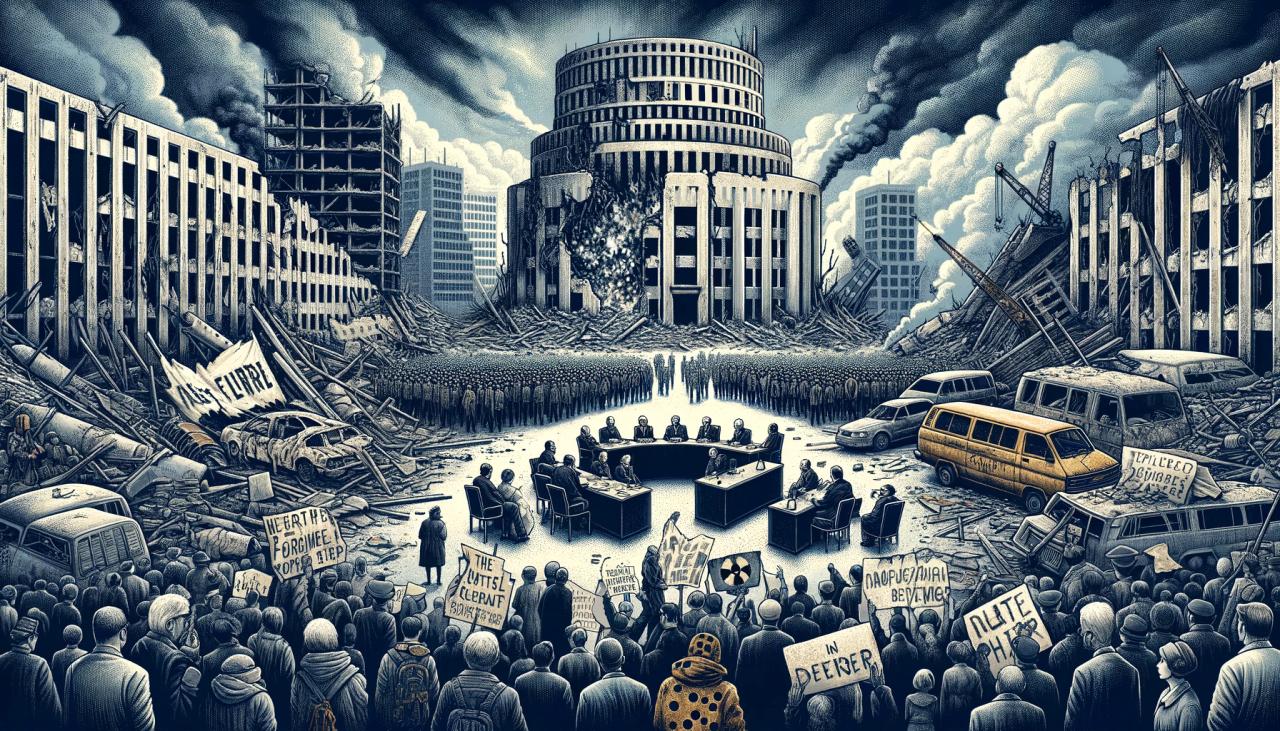
The most prominent social consequence of the Three Mile Island accident was a sharp and sudden decline in public trust in nuclear energy. Before the accident support for nuclear energy in the United States was relatively high; however after the March 1979 event anti-nuclear movements rapidly gained strength at both local and national levels. Just a few months after the accident on September 23 1979 approximately 200 000 people participated in a massive anti-nuclear demonstration in New York.
This event became the largest anti-nuclear protest in U.S. history up to that point. Combined with “No Nukes” concerts at Madison Square Garden these protests were a concrete manifestation of the deep public reaction to the Three Mile Island accident. Similar demonstrations involving thousands of people were held in states such as California Massachusetts and Michigan and many local governments adopted a more cautious stance toward new nuclear power plant projects.
The accident had a long-lasting impact especially on the local population. In the early 1980s major cancellations and delays occurred in nuclear energy investments nationwide. Many planned nuclear projects were suspended or canceled entirely. The nuclear industry struggled to secure new orders and a pronounced stagnation in nuclear power plant construction lasted from the 1980s through the end of the 1990s. During this period no new nuclear plant licenses were issued and some ongoing construction projects were halted due to economic and social pressures.
The Three Mile Island accident also strengthened anti-nuclear movements globally. In particular in Germany and Sweden Western European countries these movements gained momentum and many countries began to reassess their energy policies. For example Sweden decided after a 1980 referendum to phase out nuclear energy. Italy completely ended its nuclear energy program in 1987 following the Chernobyl disaster; however the seeds of such political decisions were sown by the Three Mile Island accident.
Created by artificial intelligence.
In terms of social impact the Three Mile Island accident left lasting impressions on the local population. Civil society organizations such as “Three Mile Island Alert” established after the accident played a significant role in information sharing and advocacy regarding nuclear facilities. Public perception of nuclear technology became more skeptical and questioning. This highlighted the need for the nuclear industry to be more transparent and sensitive in public relations. For example the plant operator GPU Nuclear increased its public relations activities and established committees to strengthen communication with the local community. Similarly the NRC held public meetings and information sessions to rebuild trust.
Politically the Three Mile Island accident accelerated debates on diversifying energy policy. After the accident some states increased investment in diversifying energy sources and energy efficiency programs. At the federal level incentives for nuclear energy were sidelined while fossil fuels and renewable energy sources were brought to the forefront.
Although U.S. President Jimmy Carter’s active response and knowledge of nuclear energy helped to mitigate public reaction public trust was never fully restored. Nuclear energy debates continued during the 1980 presidential election and the industry’s stagnation persisted even under the Reagan administration.
Internationally the Three Mile Island accident prompted institutions such as the International Atomic Energy Agency (IAEA) to improve safety standards. From the 1980s onward the IAEA reviewed its safety protocols and issued new safety recommendations for member countries. Many countries tightened nuclear power plant inspections and for the first time seriously considered “worst-case scenario” analyses. In this regard the Three Mile Island accident laid the groundwork for international preparedness for the later Chernobyl disaster.
In conclusion the Three Mile Island accident was a major social and political turning point against nuclear energy across the United States. The loss of public trust and the resulting protests caused the nuclear industry to remain stagnant for years. This accident demonstrated that energy policy is not limited to economic or technical dimensions but critically depends on social acceptance and political will. The nuclear sector had to invest considerable effort over many years to regain public confidence.
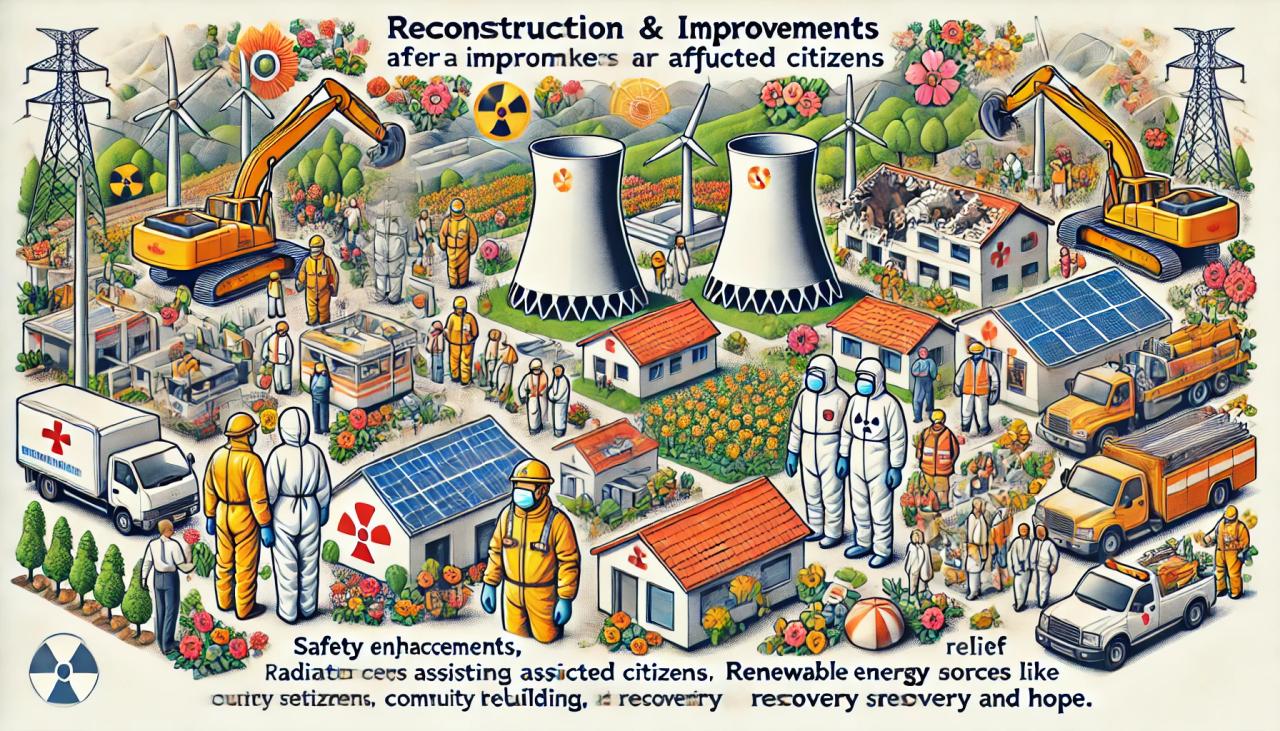
Following the Three Mile Island accident comprehensive reforms were implemented from both technical and managerial perspectives. The weaknesses and deficiencies revealed by the accident were detailed in “lessons learned” reports and shared across the entire nuclear industry. Significant improvements were made in many areas including emergency management operator training human factors engineering and radiation safety.
The first improvement involved updating operator training and emergency procedures. Before the TMI accident operators relied on procedural manuals focused on specific failure scenarios and struggled in complex situations. After the accident the training approach changed; operators were now trained primarily to prioritize reactor cooling and safety. In this new approach operators were guided to rapidly assess key safety parameters (cooling pressure radiation levels etc.) and stabilize the situation.
Another innovation in training was the mandatory use of full-scale control room simulators. The NRC required every nuclear facility operator to undergo regular training on simulators that were exact replicas of their own plant. For example in the 1980s a sophisticated simulator for TMI-1 was built at a cost of approximately $18 million. This allowed operators to experience numerous scenarios such as LOCA (loss-of-coolant accident) power outages and instrument failures in a safe environment. In addition team communication and cooperation training became an integral part of the curriculum.
Created with the aid of artificial intelligence.
In the technical domain design deficiencies related to human factors were addressed. The NRC required all plant control rooms to have instrumentation that was more understandable and easier to interpret. Specifically systems were mandated to directly indicate the actual status of critical valves such as the PORV (Pilot Operated Relief Valve). Alarm systems were also redesigned to be more comprehensible and manageable.
Another important lesson from the accident was hydrogen gas control. Although the hydrogen explosion in TMI-2 was small it became clear that similar accidents could pose greater risks. In response the NRC required the installation of hydrogen recombiners or ventilation systems in the containment structures of pressurized water reactors (PWRs). These systems helped prevent hydrogen accumulation and eliminated explosion risks. Additionally proposals to add filters to pressure relief systems were introduced on international platforms.
Perhaps the most enduring impact of the TMI accident was the birth of the concept of “safety culture.” Post-accident reports criticized not only technical factors but also management approaches and established the need for a continuous safety-oriented culture in the nuclear industry. The U.S. nuclear industry adopted the philosophy of self-assessment and continuous improvement under the INPO umbrella. Regular inspections and evaluations by INPO helped maintain high safety standards at facilities. In 1985 the National Nuclear Training Academy was established and operator training standards were standardized.
The NRC also tightened its inspection processes and began maintaining permanent on-site inspectors. Reporting systems for incidents between facilities were improved and information sharing increased. This reduced the risk of similar events recurring.
These measures produced concrete results. The number of serious incidents at U.S. nuclear facilities dropped dramatically from the 1980s to the 1990s. The average number of serious incidents per year fell from 2.38 in 1985 to 0.1 in 1997. Meanwhile capacity factors of facilities rose from the 60s% to the 90s% during the same period — a clear indicator of improved safety and efficiency.
The improvements and lessons learned after TMI had global repercussions. France Germany and other countries benefited from the TMI experience in areas such as control room ergonomics and symptom-based emergency procedures. In 1989 the World Association of Nuclear Operators (WANO) was established assuming a role similar to INPO on a global scale and facilitating international sharing of the TMI and later Chernobyl experiences.
Designed with the aid of artificial intelligence.
In conclusion the Three Mile Island accident led to lasting and positive changes across a broad spectrum from operator training and technical design to safety culture and international cooperation. Thanks to the lessons learned from this accident nuclear power plant safety was enhanced and the likelihood of similar accidents was greatly reduced. Although TMI-2 was never restarted this costly experience contributed to making nuclear power plants worldwide safer.
"Backgrounder on the Three Mile Island Accident." United States Nuclear Regulatory Commission. Accessed March 13, 2025.Accessed Adresi.
"Schools Near Decommissioned Nuclear Reactors." Department of Public Service. Accessed March 13, 2025.Accessed Adresi.
"TMI-2 Kazası." *Nükleer Enerji Dünyası.* Accessed March 13, 2025.Accessed Adresi.
"Three Mile Island Accident." World Nuclear Association. Accessed March 13, 2025.Accessed Adresi.
"Three Mile Island Kazası." AFAD. Accessed March 13, 2025.Accessed Adresi.
"Three Mile Island: The Most Studied Nuclear Accident In History." United States General Accounting Office. Accessed March 13, 2025.Accessed Adresi.
"Üç Mil Adası-ABD (1979)." *Nükleersiz.* Accessed March 13, 2025.Accessed Adresi.
Corey, G. R. "A Brief Review of the Accident at Three Mile Island." *IAEA Bulletin 21*, no. 5, 54-59. Accessed March 13, 2025.Accessed Adresi
Dalton, David. "Three Mile Island Led To ‘Sweeping And Permanent’ Changes." NUCNET. Accessed March 13, 2025.Accessed Adresi.
Fact Sheet. "Three Mile Island Accident." United States Nuclear Regulatory Commission. Accessed March 13, 2025.Accessed Adresi.

Three Mile Island Nuclear Reactor Accident
History | 28 March 1979 | ||||||||
|---|---|---|---|---|---|---|---|---|---|
Location | Pennsylvania/USA | ||||||||
Reactor Type | Pressurized Water Reactor (PWR) | ||||||||
Boiler Type | Partial Core Meltdown | ||||||||
Affected Countries | USA | ||||||||
No Discussion Added Yet
Start discussion for "Three Mile Island Nuclear Reactor Accident" article
Historical Background
Technical Details and Reactor Characteristics
Accident Progression (Hour-by-Hour Timeline)
Engineering and Scientific Analyses
Environmental Impact and Radiation Dispersion
Effects on Human Health
Legal Proceedings and Legal Outcomes
Political and Social Outcomes
Lessons Learned and Safety Improvements