


This article was automatically translated from the original Turkish version.

Analog photography offers a nostalgic and deliberate alternative to the fast-paced and instantaneous nature of the digital world. If you are taking your first steps into this world, choosing the right camera is one of the most important factors that will shape your experience. Because analog cameras are not merely tools, but also companions on your journey.
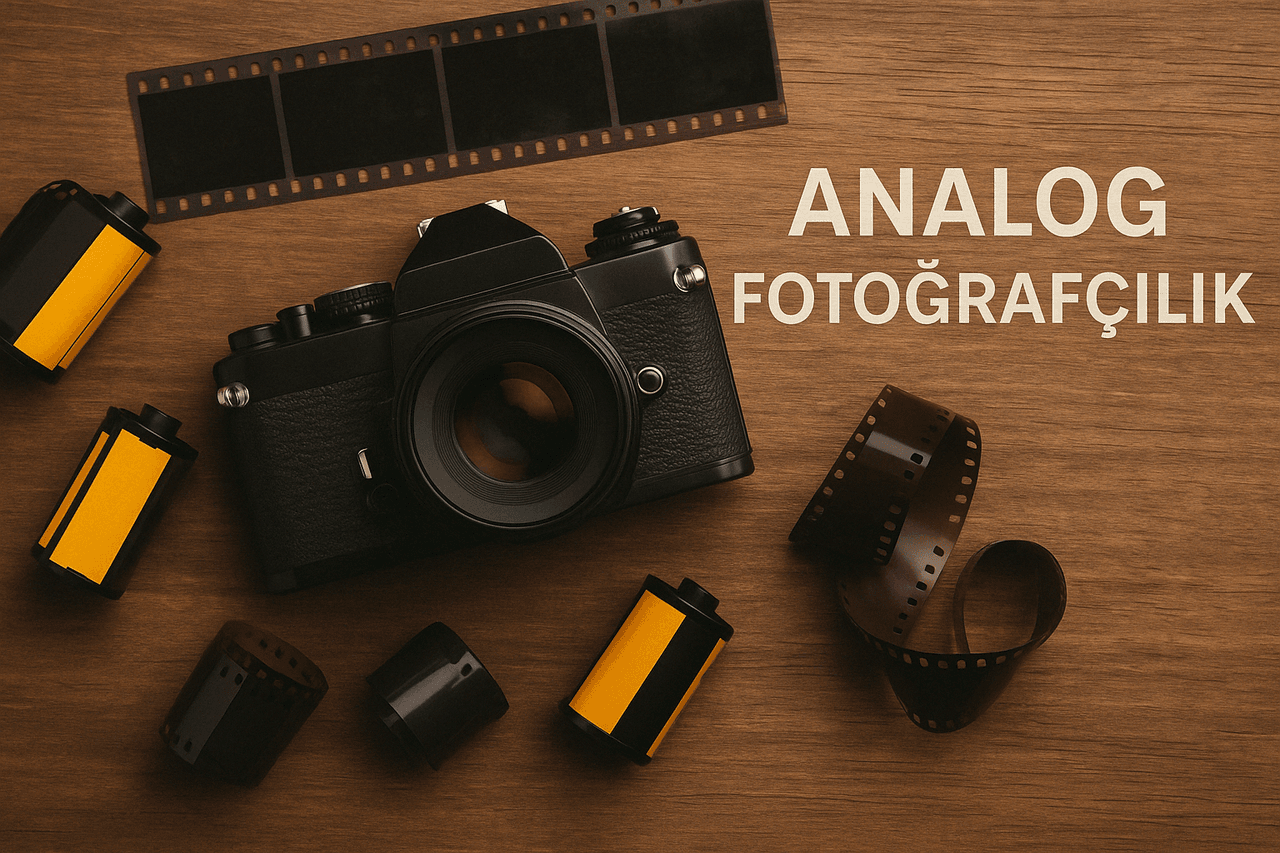
(Generated by artificial intelligence.)
Analog cameras are commonly found on the secondhand market. However, this situation necessitates careful inspection.
The camera’s exterior appearance can be misleading. The best method is to see the camera in operation if possible; if not, obtain detailed information and visual documentation from a trusted seller.
The lens mount system used in analog photography cameras determines which lenses you can attach. Each system has a distinct physical structure and is not compatible with others. Therefore, when choosing a camera body, you must also consider the availability and price range of compatible lenses on the market.
Some systems have large user bases, making lenses easy to find and accessories widely available. In less common systems, this can be restrictive. Evaluating in the long term how many options the system offers will benefit you when you wish to expand your lens variety later.
The light meter, or exposure measurement system, is highly valuable for achieving correct exposure. In many older cameras, this system operates on batteries. If it is faulty, you will need to shoot manually, which can be challenging for beginners.
Alternatively, you can use mobile light meter apps or external light meters, but this adds extra cost and a learning curve.
Some cameras operate on mercury batteries that are no longer produced. Although modern equivalents exist, voltage differences may mislead the light meter. Choosing cameras that use standard modern batteries is a user-friendly option.
Finding a skilled technician to repair your camera is not always easy. Especially for rare models, replacement parts may not be available in Türkiye. Choosing more common cameras with larger user bases reduces this risk.
One of the most critical mechanical components in analog cameras is the shutter system. When you press the shutter release, the shutter must open and close properly, and must not be damaged or torn. If this system is faulty, your photographs may turn out completely dark or overexposed.
Many analog cameras produce different sounds at different shutter speeds. For experienced users, this sound alone can serve as a diagnostic indicator. In case of doubt, professional inspection is recommended.
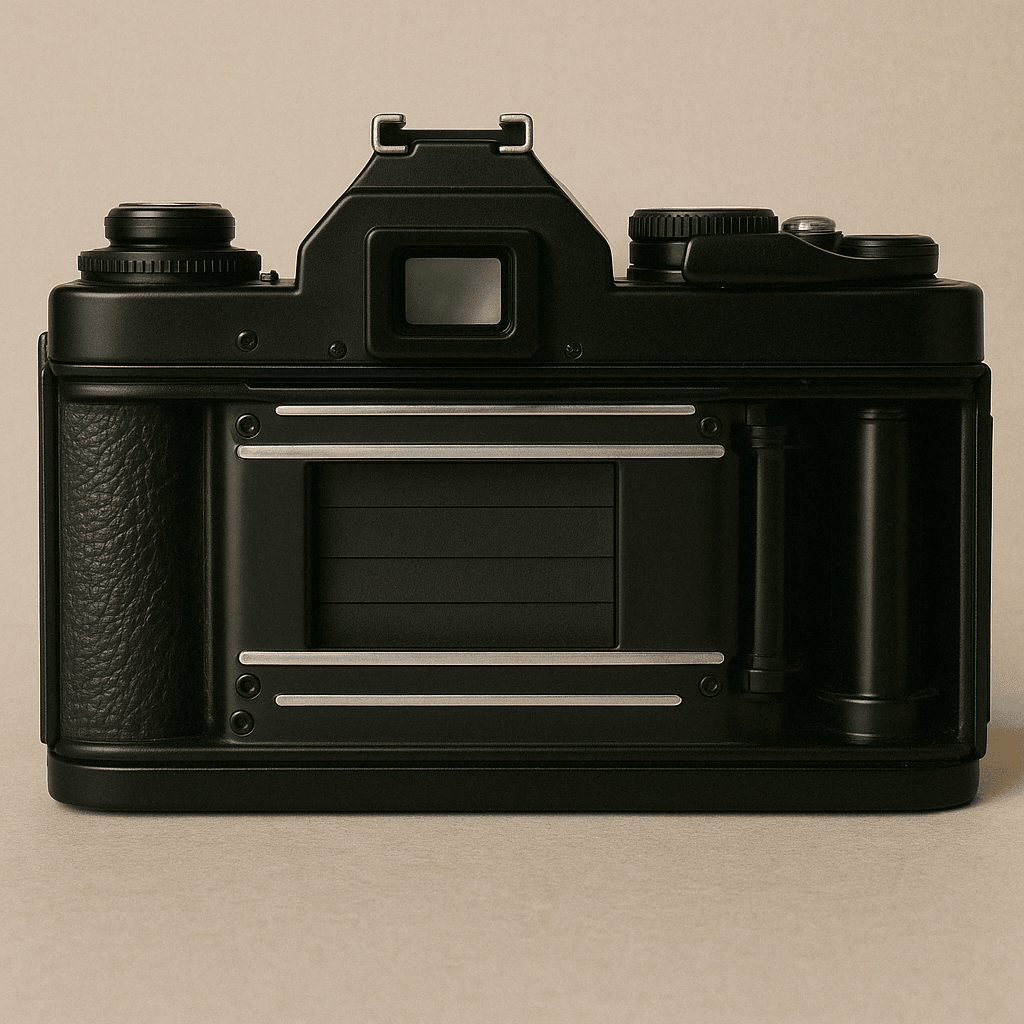
Shutter mechanism in analog cameras (Generated by artificial intelligence.)
Analog cameras operate with different film formats:
The choice of film format affects both usability and cost.
How the camera feels in your hands is also important. The placement of buttons, the viewfinder’s field of view, and ease of carrying are factors that make a significant difference during prolonged use. Additionally, forming a personal connection with a camera that appeals to you visually can enhance your motivation for photography.
Purchasing an analog camera is not merely a technical choice; it is the beginning of a personal experiential journey. The camera’s mechanical durability, lens compatibility, exposure meter system, and ergonomic features directly influence this experience. Each detail should be evaluated according to your individual needs and expectations. Therefore, the purchasing process requires careful research and long-term thinking.
Analoghane. "Analog Fotoğraf Makinesi Alırken Nelere Dikkat Etmeli?" Accessed April 21, 2025.https://www.analoghane.com/2015/02/analog-fotograf-makinesi-alrken-nelere.html.
FotoLife Akademi. "Analog Fotoğraf Makinesi Alırken." FotoLife Akademi. Accessed April 21, 2025.https://fotolifeakademi.com/fotograf-makineleri-ekipmanlari/analog-fotograf-makinesi-alirken.
Fotoptik. "Analog Makine Alırken Dikkat Edilmesi Gerekenler." Accessed April 21, 2025.https://fotoptik.com/egitim/analog-makine-alirken-dikkat-edilmesi-gerekenler/.
Umur Dilek. "Analog Fotoğraf Makinesi Satın Alma Rehberi." Umur Dilek. Accessed April 21, 2025.https://www.umurdilek.com/tr/analog-fotograf-makinesi-satin-alma-rehberi/.
Physical Condition and Cleanliness
Lens Compatibility and System
Light Meter (Exposure Meter) Condition
Battery Type and Power Consumption
Repairability and Part Availability
Shutter Mechanism and Speed Control
Film Format: 35mm or 120?
Ergonomics and Aesthetics