


This article was automatically translated from the original Turkish version.
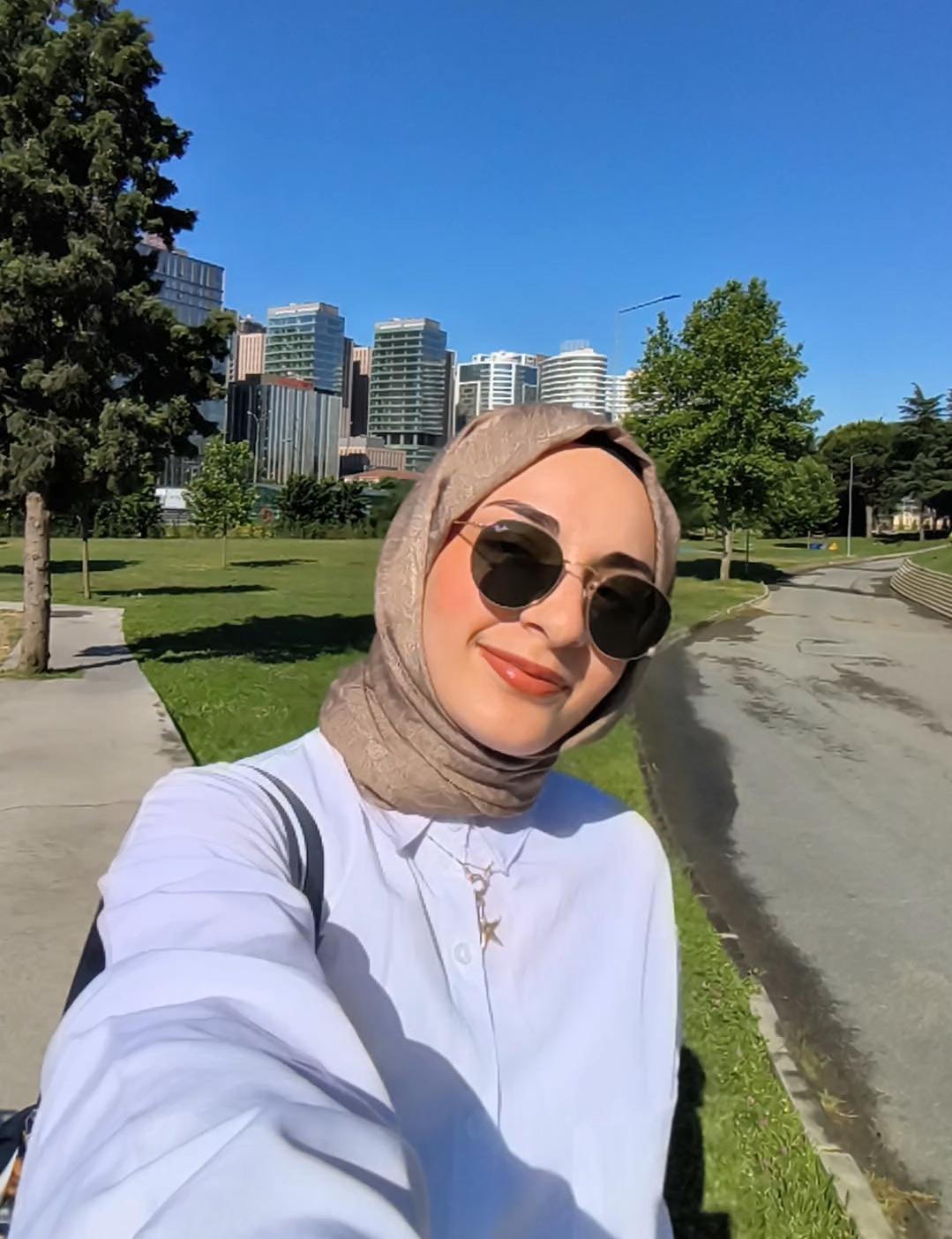
In recent years, a new habit has emerged on social media: transforming ordinary moments into special stories. Videos of preparing morning coffee, reading a book by the window on a rainy day, short clips captured while watching the sunset, or sharing a quiet day at home arranged in an aesthetic setting have become widespread. What were once seen as mundane parts of daily routines are now presented with carefully selected frames and a romantic perspective.
People now value sharing not only major events but also small details. A cup of coffee, a neatly organized desk, a photograph of the sky taken during a walk, or a quiet evening—all these are minor fragments of daily life, yet they are often placed within a more meaningful and aesthetic framework in the digital world. This raises the question in people’s minds: Why do we feel the need to make the ordinary seem more special?
The pace of modern life plays a major role in the popularity of this trend of romanticizing daily life. People are constantly trying to keep up, produce, and adapt to the fast rhythm of life. Daily stress, uncertainty, and mental fatigue lead many to place greater value on small, calm moments.
Watching slowly as a cup of coffee is prepared, sharing a quiet morning at home, or recording the sunset represents paying attention to details in daily life that often go unnoticed. People are trying to make sense of ordinary moments to avoid being lost in the intensity of modern life. Because sometimes, small habits can make a person feel more real than grand moments of happiness.
Social media plays a significant role in the growth of this trend. Especially short video formats and aesthetic content make visible a filtered version of daily life. A simple breakfast, a dimly lit desk, or an image of someone reading a book can present an ordinary moment as a small ritual.
These contents can evoke a sense of calm in viewers. Because in the modern world, people often seek stillness. The romanticization of daily life can give many the feeling that “life is not only made up of big events.” It reminds us that a simple walk, a favorite song, or a quiet evening can also be valuable.
However, this trend has another side. Romanticizing daily life can sometimes carry the risk of distancing oneself from reality. Images seen on social media are often carefully selected. Camera angle, lighting, arrangement, and aesthetic appearance can make an ordinary moment appear more perfect than it truly is. This can create in viewers the feeling that their own lives are not beautiful enough.
For example, someone rushing through their morning coffee to get to work may feel a contrast when viewing calm and orderly morning routines on screen. Sometimes people begin to care not just about living life, but about making their life look beautiful. At this point, the line between romanticizing and performing begins to blur.
Aestheticizing daily life can sometimes raise awareness, but at other times it can increase expectations of perfection. People may focus more on making moments shareable rather than truly enjoying them. Is a walk done because it brings peace, or because it creates a beautiful image? This question is one of the thought-provoking aspects of the trend.
Romanticizing daily life may be an approach aimed at recognizing the value of moments that seem ordinary. Sometimes, when people pause amid the rush to inhale the scent of their coffee, look up at the sky, or simply walk in silence, they rediscover the small aspects of life. From this perspective, romanticizing can mean paying closer attention to life.
But when the issue becomes merely appearing aesthetic, daily life can turn from an experience into a display. People may forget whether they truly felt the moment they lived. Because sometimes what looks beautiful is not the same as what genuinely feels good.
Perhaps what matters is not trying to show life as different from what it is, but recognizing the small meanings within ordinary moments. Because some days are not extraordinary, yet they are still valuable.
Peri, Ebrar Sıla. "Günlük Hayatın Romantize Edilmesi Trendi." Unpublished manuscript, 2025.