


This article was automatically translated from the original Turkish version.
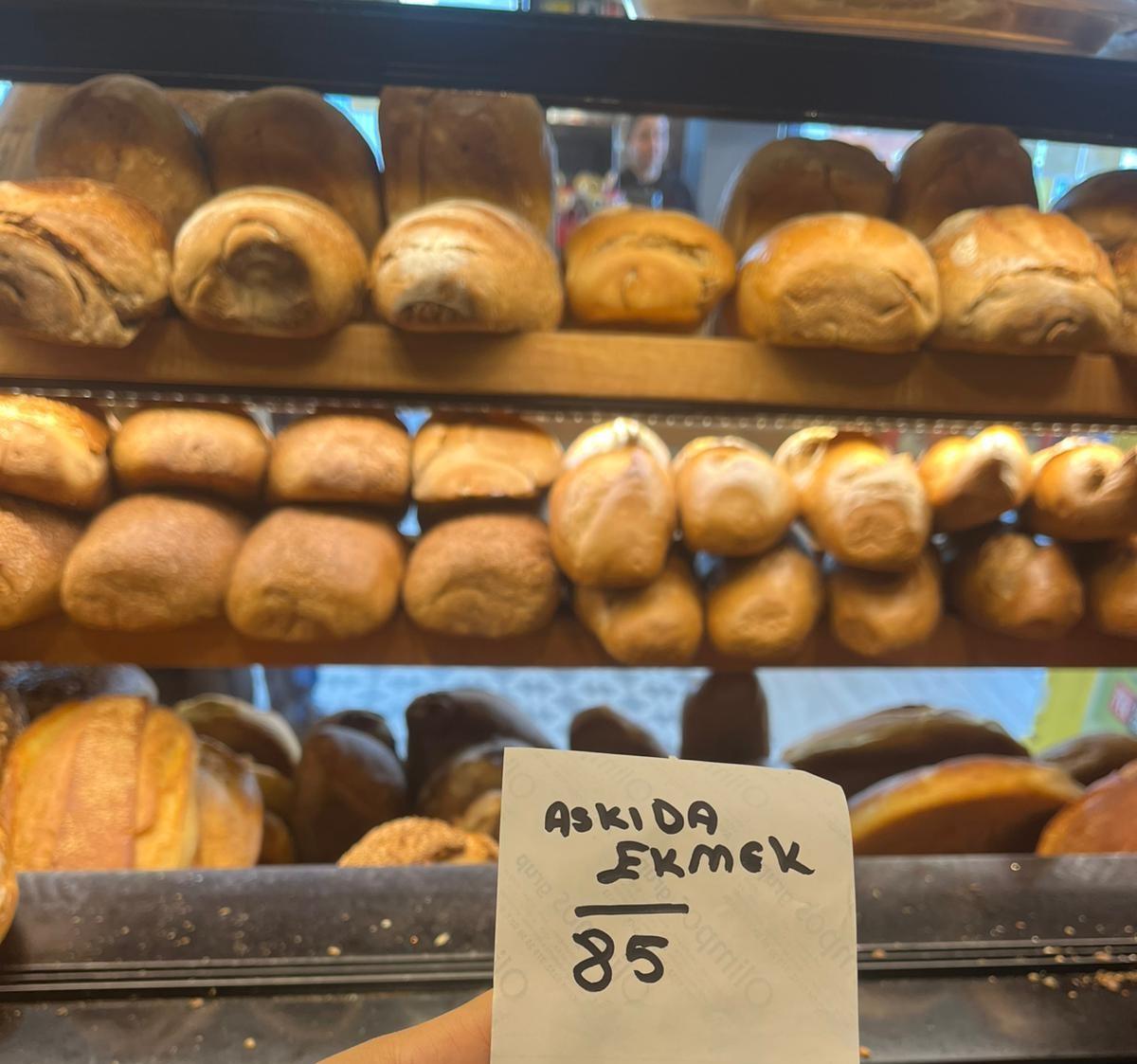
(Photo: Seren Yanık)
The Suspended Bread Tradition
Purpose(s) | Strengthening social solidarity | ||||||||
|---|---|---|---|---|---|---|---|---|---|
Similar Mutual Aid Practices | Suspended food, suspended clothing, etc. practices | ||||||||
The suspended bread tradition is a social solidarity practice in which individuals prepay for extra loaves of bread to bakeries, allowing those with insufficient economic means to obtain these loaves free of charge. This practice is associated with the principles of privacy and the preservation of human dignity, as it occurs without direct contact between the donor and the recipient. Suspended bread is one of the contemporary manifestations of the mutual aid ethos that was widespread in Ottoman society.
In the suspended bread practice, individuals purchasing bread from a bakery pay for one or more additional loaves beyond their own needs. Although these extra loaves are not physically hung on a rack, the bakery owner records them as “suspended.” People with limited financial means can take these suspended loaves without making any payment. During this assistance process, the identity of the donor is not disclosed, and the identity of the recipient is often not questioned.
The origins of the suspended bread tradition are traced back to the Ottoman period. In Ottoman society, mutual aid was not limited to individual charitable acts; it was systematically organized through neighborhood, guild, and foundation systems. The suspended bread practice emerged within this historical context as a method to ensure that bread, a basic foodstuff, reached those in need. It is noted that the practice was particularly sustained through bakeries in urban settings.
When viewed within the framework of social solidarity and mutual assistance practices, the suspended bread tradition represents a voluntary aid mechanism developed outside formal institutions. The suspended bread practice reflects the transformation of individual charity into a collective social practice. Those in need can receive support without having to reveal their circumstances publicly. This feature is one of the key elements distinguishing suspended bread from other forms of assistance.
The suspended bread practice aims to facilitate access to a basic food item within social structures marked by economic inequality. The anonymity of the relationship between donor and recipient is one of the factors supporting the continuity of the practice. In this sense, the suspended bread tradition is not merely a material form of aid but also a manifestation of the culture of social solidarity.
Today, the suspended bread practice continues in various cities across Türkiye. In addition, there are examples of this heritage from the Ottoman era being revived in some countries outside Türkiye, particularly by Turkish entrepreneurs. The continuation of the suspended bread practice in certain bakeries in Brussels demonstrates that the tradition has transcended geographical boundaries.
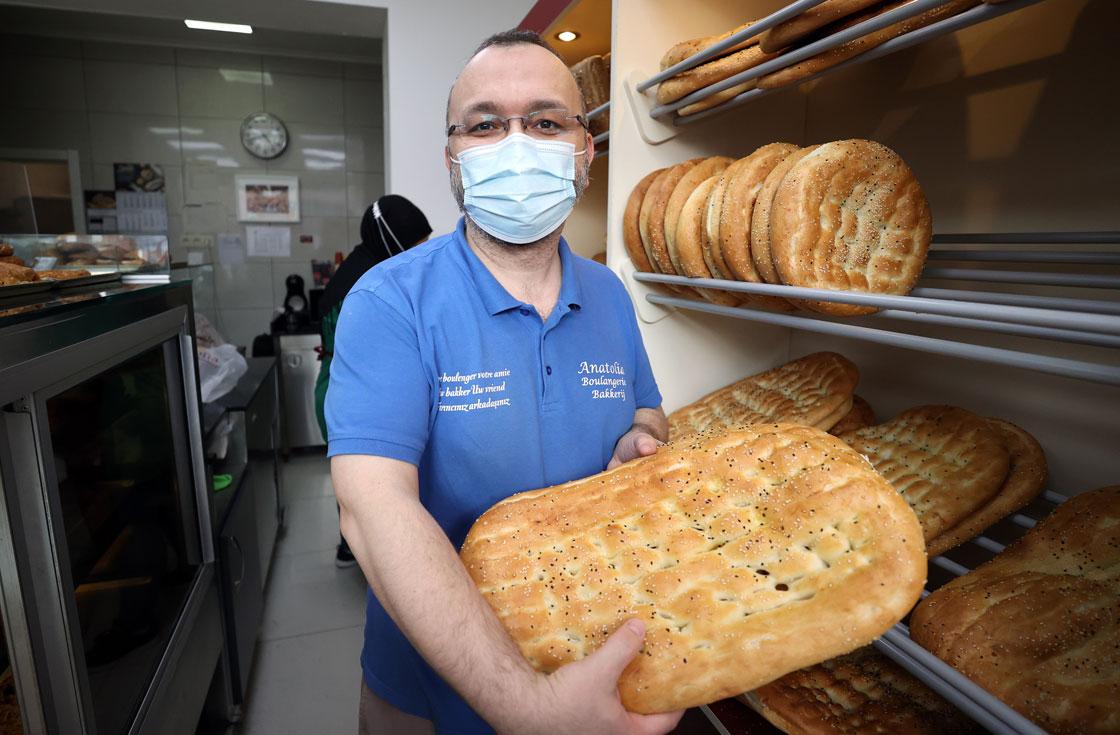
Suspended Bread Tradition Practiced in Brussels (AA)
Over time, the suspended bread tradition has inspired other forms of assistance. Practices such as suspended food and suspended clothing are adaptations of the suspended bread concept to other domains. This demonstrates that suspended bread is not a fixed or unchanging practice but rather a flexible model of solidarity shaped by evolving social needs.
GZT. "Osmanlı’nın Askıda Ekmek Geleneği Brüksel’de." GZT Mecra. Accessed December 29, 2025.
Milli Gazete. "Askıda Ekmek Nedir ve Ne Zaman Ortaya Çıktı?" Milli Gazete. Accessed December 29, 2025.
Yeni Şafak. "Yardımlaşma Kültürünün En Güzel Temsili: Askıda Ekmek." Yeni Şafak. Accessed December 29, 2025.


(Photo: Seren Yanık)
The Suspended Bread Tradition
Purpose(s) | Strengthening social solidarity | ||||||||
|---|---|---|---|---|---|---|---|---|---|
Similar Mutual Aid Practices | Suspended food, suspended clothing, etc. practices | ||||||||
No Discussion Added Yet
Start discussion for "The Suspended Bread Tradition" article
Origins
Place Within the Culture of Social Solidarity
Social Function and Meaning
Suspended Bread Practices Today
Transformation of the Practice and Similar Traditions