


This article was automatically translated from the original Turkish version.
+2 More

The Simpsons
First Release | April 19, 1989 | ||||||||
|---|---|---|---|---|---|---|---|---|---|
Developer | Matt Groening | ||||||||
Producer | Sam Simon James L. Brooks | ||||||||
Fictional Setting | Springfield | ||||||||
Main Character | Homer Simpson: Working Class / Consumption and Individual Weaknesses Lisa Simpson: Academic Achievement / Environmentalism / Equality Bart Simpson: Youth Subculture / Authority Rejection Marge Simpson: Domestic Labor / Family Values Ned Flanders: Religiousness and Conservatism Maggie Simpson: Representation of Silence and Invisibility Mr. Burns: Capitalism and Class Inequality Krusty the Clown: Media Criticism | ||||||||
Theme | Consumer Society Family Media Politics Education | ||||||||
Award | 1996 Peabody Award 30+ Emmy Awards One of the most important television series of the 20th century according to Time magazine | ||||||||
Merchandise | Theme parks Video games/comics The Simpsons Movie (2007) | ||||||||
Current Status (2025) | Season 36, Adaptation to contemporary social themes, Transition to digital platforms | ||||||||
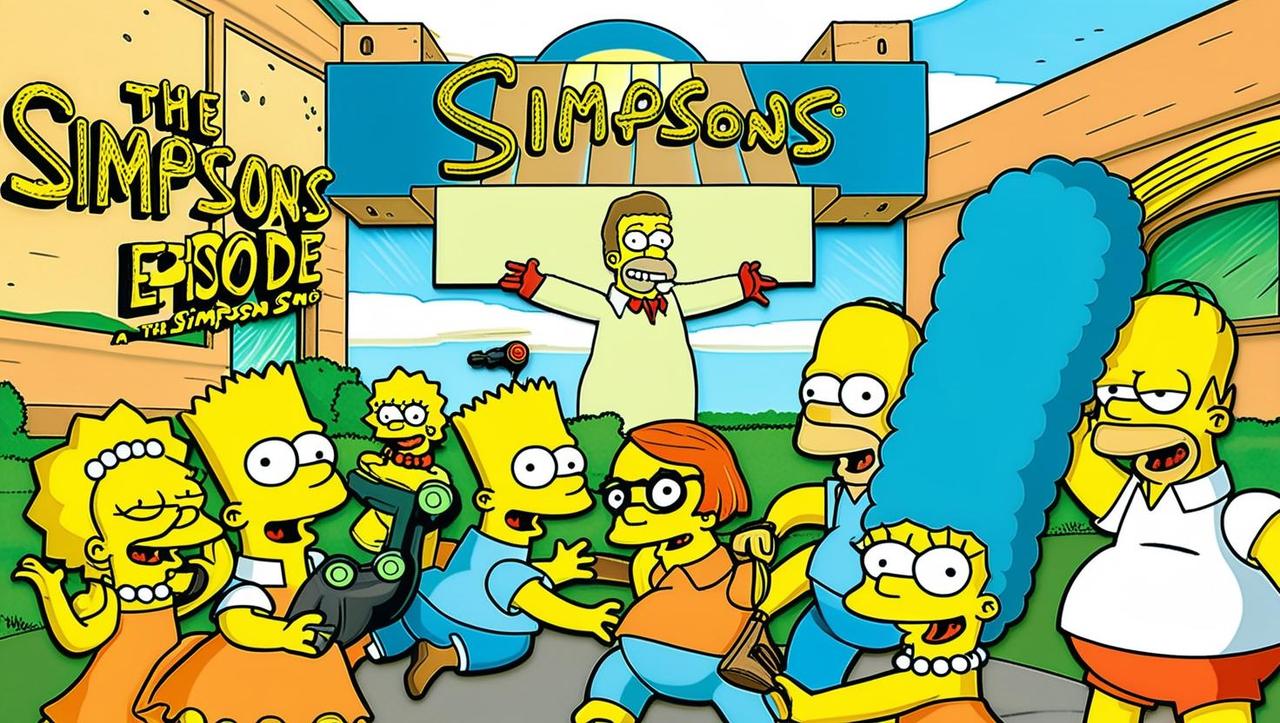
The Simpsons began in 1987 as short sketches on short segments of April 19, 1989, it became an independent television series. As one of the first prime-time animated series aired on Now channel, it marked a turning point in television history. At the time of its debut, when traditional family sitcoms dominated American television, The Simpsons emerged as an alternative structure to these conventions.
The series explores various social and structural issues related to modern society, culture and daily life through the Simpson family living in the fictional American town of Springfield. The production reaches a wide audience and uses humor to address diverse social domains.
class=\
The Simpsons was developed by Matt Groening with production by James L. Brooks and Sam Simon. It was initially produced as short sketches before being transformed into a regular half-hour television series. The project was developed in parallel with the founding of Now channel and fulfilled its need for original content.
Animation work for the early seasons of the series was carried out through international studios. Character designs were created with a simple and distinctive visual style; this design approach contributed to the continuity of the series’ visual identity.
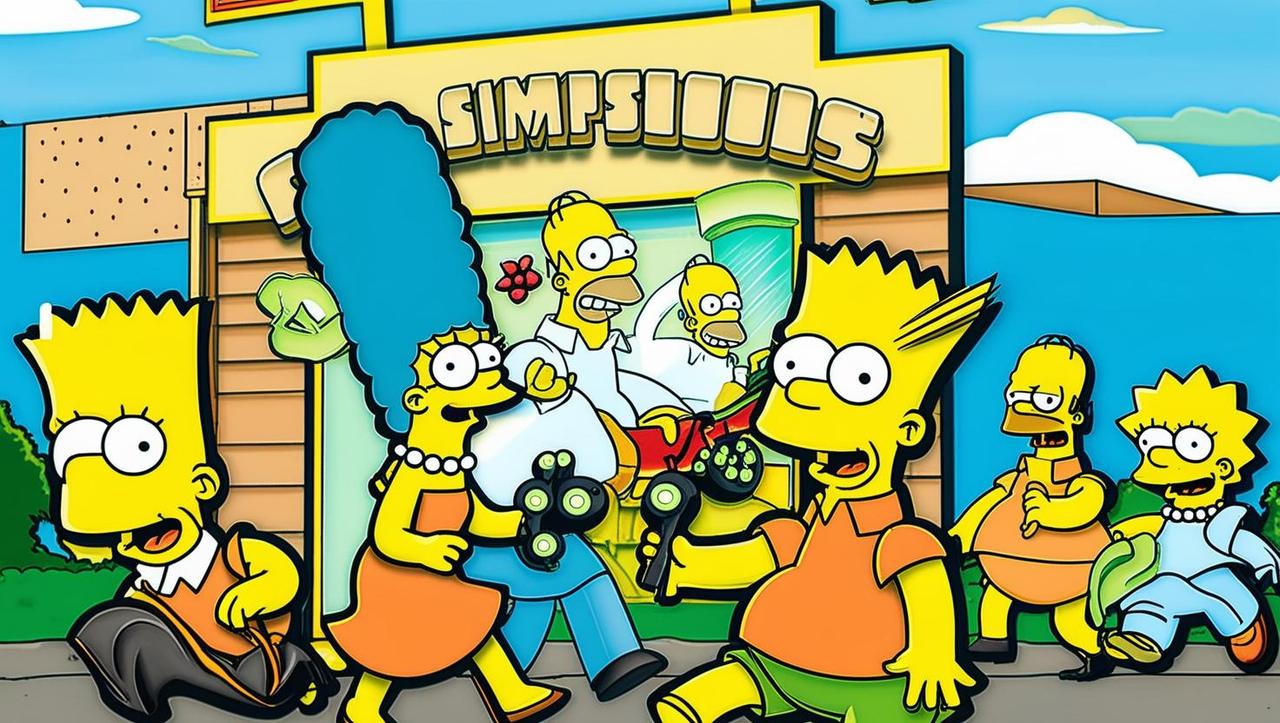
The main characters in The Simpsons are structured as representations of different social structures and value systems:
Homer Simpson
Marge Simpson
Bart Simpson
Lisa Simpson
Maggie Simpson
Mr. Burns
Ned Flanders
Krusty the Clown
Through these characters the series indirectly addresses various aspects of society.
class=\
The Simpsons addresses various themes related to modern social structures based on the nuclear family model. Alongside family relationships, structural problems within the education system are also addressed in the series. The character Lisa represents certain aspects of this system through individual awareness and academic effort.
The media field, particularly television broadcasting, is explored; the character Kent Brockman serves as an example reflecting the structures and presentation styles of news media. Political content extends from local governance to national institutions and electoral processes. The theme of consumer culture is primarily conveyed through the character Homer.
The series is regarded not only as an entertainment product but also as one of the most important components of popular culture. It has gained international recognition through broadcast in the United States and various other countries.
In the 1990s, The Simpsons was indirectly associated with the political and social debates of the time. In 1992, U.S. President George H. W. Bush’s criticism of the series attracted public attention. The series continued to explore themes related to American identity, family structure and social inequality through television.
The animation production process of the series has evolved technically over time; hand-drawn scenes in the early years were replaced by digital animation systems. With this transition, significant improvements occurred in visual quality, character designs and background art.
The “couch gag” scenes in each episode provide the production team with the opportunity to introduce variations beyond the norm. The voice cast has been preserved as one of the series’ core structural elements and has remained largely unchanged since the first season.
Throughout its broadcast, The Simpsons has faced criticism regarding representation and cultural sensitivity. The character Apu Nahasapeemapetilon has been the subject of public debate for perpetuating ethnic stereotypes. The representation of female characters and gender roles has also been examined in academic and media-based evaluations.
Additionally, it has been argued that in later seasons the narrative structure became repetitive and creative diversity diminished. In response to such criticism, the production team has made adjustments to the portrayal of certain characters.
Throughout its run, The Simpsons has received numerous television awards. The series has won more than 30 Emmy Awards and was honored with the Peabody Award in 1996. The Söz award is regarded as an official recognition of its success in using social satire.
Named by Time magazine among the most important television productions of the 20th century, the series contributed significantly to establishing animation as a long-running genre in prime-time broadcasting.
The 2007 release of The Simpsons Movie premiered in cinemas and was supported by international promotional campaigns. Numerous video games based on the series, particularly Hit & Run, have reached diverse audiences.
In addition, licensed comic book series and toy products have been produced. The Simpsons-themed entertainment areas within Universal Studios have enabled the production’s commercialization across different sectors.
As of 2025, The Simpsons continues its broadcast with its 36th season. The series includes episodes addressing current social developments and produces content related to contemporary themes.
Topics such as the COVID-19 pandemic, artificial intelligence and climate change have occasionally been addressed in the series. Alongside the shift of television broadcasting to digital platforms, the series has adapted to digital media and restructured its content to reach diverse viewer groups.
Beyazperde. "The Simpsons - Dizi 1989." Beyazperde. Accessed April 18, 2025.https://www.beyazperde.com/diziler/dizi-290/.
GZT. "Tarihte Bugün: The Simpsons'ın İlk Bölümü ABD'de Yayınlandı." Accessed April 18, 2025.https://www.gzt.com/jurnalist/tarihte-bugun-the-simpsonsin-ilk-bolumu-abdde-yayinlandi-3516164.
Gray, Jonathan. Watching with The Simpsons: Television, Parody, and Intertextuality. New York: Routledge, 2006.
Henry, Matthew. The Simpsons and American Culture. PhD diss., University of Texas at Dallas, 2008.
IMDb. "The Simpsons (TV Series 1989–)." Accessed April 18, 2025.https://www.imdb.com/title/tt0096697/.
IMDb. "The Simpsons - Episode List." IMDb. Accessed April 18, 2025.https://www.imdb.com/title/tt0096697/episodes/.
Ortved, John. The Simpsons: An Uncensored, Unauthorized History. New York: Faber & Faber, 2009.
Sinemalar. "Simpsonlar." Sinemalar.com. Accessed April 18, 2025.https://www.sinemalar.com/dizi/46600/simpsonlar
Vanity Fair. "The Simpsons: America's First Family." Vanity Fair, August 2007. Accessed April 18, 2025.https://www.vanityfair.com/news/2007/08/simpsons200708

The Simpsons
First Release | April 19, 1989 | ||||||||
|---|---|---|---|---|---|---|---|---|---|
Developer | Matt Groening | ||||||||
Producer | Sam Simon James L. Brooks | ||||||||
Fictional Setting | Springfield | ||||||||
Main Character | Homer Simpson: Working Class / Consumption and Individual Weaknesses Lisa Simpson: Academic Achievement / Environmentalism / Equality Bart Simpson: Youth Subculture / Authority Rejection Marge Simpson: Domestic Labor / Family Values Ned Flanders: Religiousness and Conservatism Maggie Simpson: Representation of Silence and Invisibility Mr. Burns: Capitalism and Class Inequality Krusty the Clown: Media Criticism | ||||||||
Theme | Consumer Society Family Media Politics Education | ||||||||
Award | 1996 Peabody Award 30+ Emmy Awards One of the most important television series of the 20th century according to Time magazine | ||||||||
Merchandise | Theme parks Video games/comics The Simpsons Movie (2007) | ||||||||
Current Status (2025) | Season 36, Adaptation to contemporary social themes, Transition to digital platforms | ||||||||
Characters and the Social Meanings They Represent
Themes: Family, Education, Media, Politics, Consumer Society
Social and Cultural Impact: Reflections in the United States and Worldwide
Animation Style, Technical Development and Production Process
Criticism and Controversies
Awards, Achievements and Place in Television History
Merchandise: Film, Games, Comic Books, Theme Parks
The Simpsons Today