


This article was automatically translated from the original Turkish version.
+2 More
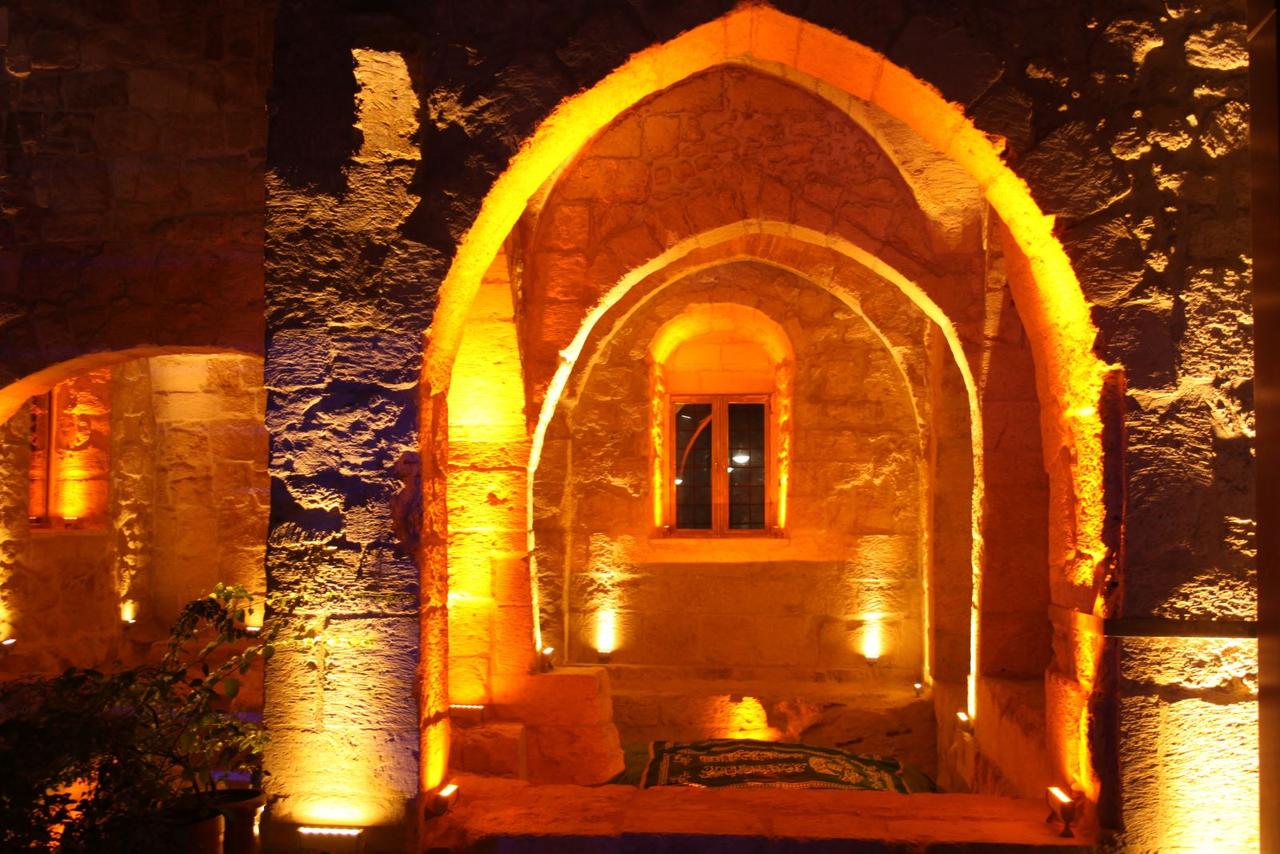
The Shrine of Prophet Daniel
Door | Makam / Ziyaretgâh | ||||||||
|---|---|---|---|---|---|---|---|---|---|
Location | Mersin Tarsus | ||||||||
Other Name | Makam-ı Danyal Camii | ||||||||
Religious Context | Prophet Revered as Sacred by Jews, Christians and Muslims | ||||||||
Dating | 6th century BC (Prophet Daniel), 7th century AD (First Detection), 13th century (Dome), 2014 (Post-Excavation Opening) | ||||||||
Architectural Elements | Tomb, Mosque, Vaulted Graves, Remains of a Roman Bridge, Seven-Pointed Star Relief | ||||||||
Important Figures | Prophet Daniel, Caliph Umar, Abu Musa al-Ashari | ||||||||
Makam-i Danyal is the site of the structure known today as the Makam-i Danyal Camii, located in the city center of Tarsus, Mersin Province, adjacent to the Kubat Paşa Medresesi. According to traditional accounts, this sacred site is believed to house the tomb of Prophet Daniel, who is revered in Jewish, Christian, and Muslim traditions.

Danyal Peygamber’in Makamı (Türkiye Kültür Portalı)
Prophet Daniel (Hz. Danyal) is a figure mentioned in the Torah and certain Islamic traditions, believed to have liberated the Israelites from Babylonian captivity and renowned for his prophetic insights. It is reported that he lived in the 6th century BCE, during the reign of King Nebuchadnezzar II of Babylon in Jerusalem.
According to legend, the king had a dream in which he saw his throne shaken by a child born of the Israelites, and in response he ordered the killing of all male infants. To save him, Daniel’s family left him in a cave. Accounts describe how he was raised there by two lions, one male and one female. Upon reaching adulthood, he returned to his people and distinguished himself through his wisdom. It is believed that Prophet Daniel brought abundance during a time of famine.
%2520(7).JPG&w=1280&q=75)
Danyal Peygamber’in Makamı (Türkiye Kültür Portalı)
According to some accounts, Prophet Daniel was invited to Tarsus by the King of Cilicia during a period of famine to bring prosperity. After gaining the people’s favor, he chose to remain in the city and was buried there upon his death. During the caliphate of Hz. Ömer (17 AH / 638 CE), after the conquest of Tarsus, a chest containing his remains was discovered. Inside the chest, a ring was found bearing an engraving of a child standing between two lions, one male and one female. This depiction was identified as belonging to Prophet Daniel, leading to the reburial of his remains and the redirection of the Berdan River (Kydnos) to flow over the grave.

The Tomb of Prophet Daniel (Türkiye Kültür Portalı)
During a construction project initiated by the Tarsus Municipality in 2006–2007, an arched structure was uncovered beneath the Makam Camii. Rescue excavations conducted by the Tarsus Museum revealed:
Additionally, on a block of stone on the eastern façade of the tomb, a seven-pointed star relief is present.
Descriptions indicate that the stone of the ring attributed to Prophet Daniel depicts a child standing between two lions, one male and one female, with the female lion shown as nurturing the child. This motif is accepted as symbolizing the tradition that Daniel was protected by lions during his infancy.
The Makam-i Danyal is a site of reverence for adherents of the three Abrahamic faiths. As such, it is regarded as both one of the key destinations of faith-based tourism and a shared space of religious memory across different faith communities.
Following excavations, the tomb area was uncovered in 2014 and subsequently opened to visitors after environmental landscaping and restoration work. Today, the structure functions both as a place of worship and as a site for faith-based pilgrimages.
T.C. Kültür ve Turizm Bakanlığı. “Danyal Peygamber’in Makamı (Kabri).” Kültür Portalı. Accessed May 19, 2025.https://www.kulturportali.gov.tr/turkiye/mersin/gezilecekyer/danyal-peygamberin-makami-kabri.
T.C. Tarsus Kaymakamlığı. “Makâm-ı Danyal Camii (Danyal Peygamber Türbesi).” tarsus.gov.tr. Accessed May 19, 2025.http://www.tarsus.gov.tr/makam-i-danyal-camii-danyal-peygamber-turbesi.

The Shrine of Prophet Daniel
Door | Makam / Ziyaretgâh | ||||||||
|---|---|---|---|---|---|---|---|---|---|
Location | Mersin Tarsus | ||||||||
Other Name | Makam-ı Danyal Camii | ||||||||
Religious Context | Prophet Revered as Sacred by Jews, Christians and Muslims | ||||||||
Dating | 6th century BC (Prophet Daniel), 7th century AD (First Detection), 13th century (Dome), 2014 (Post-Excavation Opening) | ||||||||
Architectural Elements | Tomb, Mosque, Vaulted Graves, Remains of a Roman Bridge, Seven-Pointed Star Relief | ||||||||
Important Figures | Prophet Daniel, Caliph Umar, Abu Musa al-Ashari | ||||||||
No Discussion Added Yet
Start discussion for "The Shrine of Prophet Danyal" article
Historical Background
His Arrival in Tarsus and His Tomb
Archaeological Findings and Excavations
The Ring of Prophet Daniel
Religious and Cultural Significance
Current Status