


This article was automatically translated from the original Turkish version.
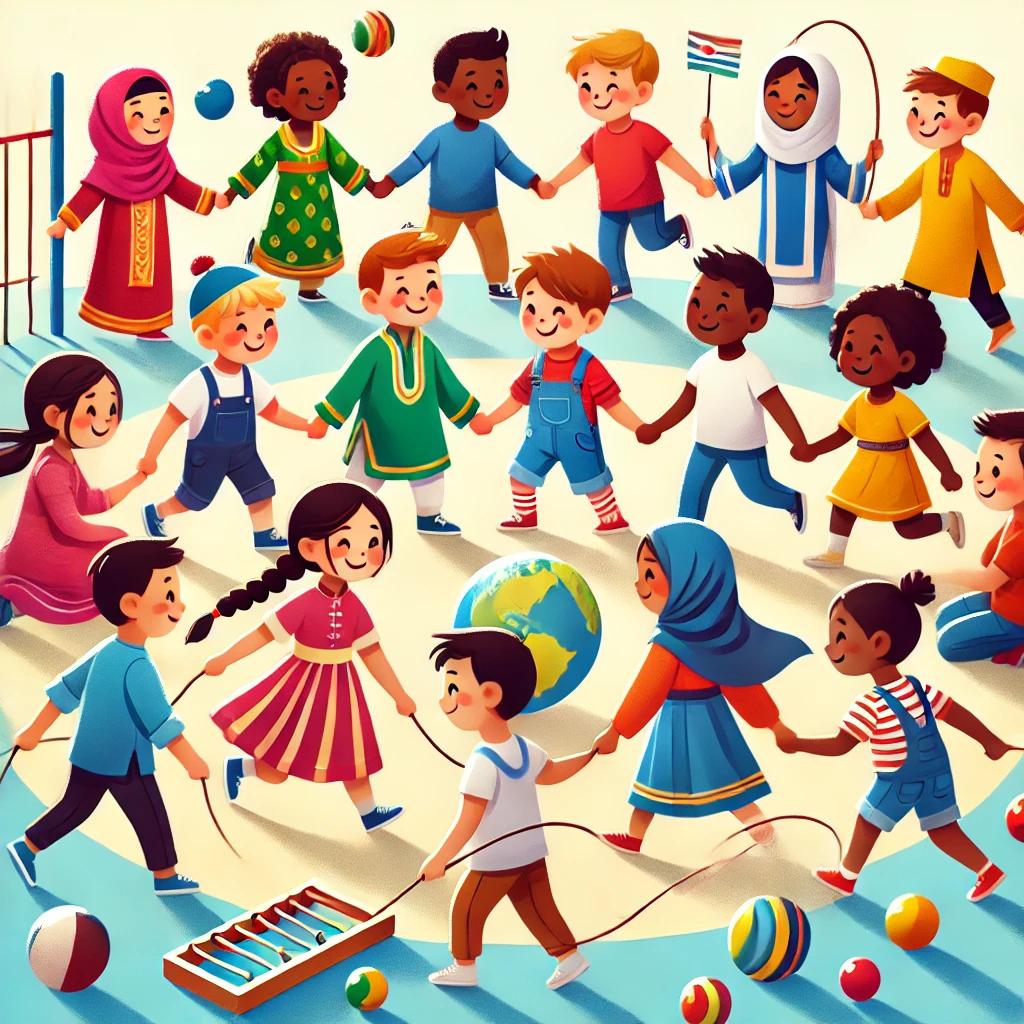
The relationship between culture and child rearing
Description | Culture is the totality of shared patterns of thought, belief, and behavior among a group of people. Parents, while raising their children, are influenced consciously or unconsciously by cultural values and social norms. | ||||||||
|---|---|---|---|---|---|---|---|---|---|
Culture is defined as a set of shared thought, beliefs, and behavior patterns that guide the daily lives of a group of people (Bornstein, 2012; Keller, 2017). Every culture possesses a deep-rooted and widely accepted system of thoughts, beliefs, and behaviors that dictate how its members should think and act. This entire system of thoughts, beliefs, and behaviors is regarded as the most distinctive feature that sets one culture apart from others (Bornstein, 2012; Georgas, Mylonas, Bafiti, Poortinga, Christakopoulou, Kağıtçıbaşı et al., 2001).
Mother fathers, whether consciously or unconsciously, act in accordance with specific values and goals they have established for their children. The family institution is one of the most important building blocks of society. Individuals who decide to form a family learn to adapt to each other’s beliefs, cognitive structures, emotions, and perspectives. Once these individuals become mothers and father, they reflect onto their children the thought and behavior patterns they themselves have accepted and believe to be correct. These patterns and parenting styles reflected to the child are not random or irrational behaviors but rather reflections of a shared culture. From the moment Child is born, both the environment they are in and their parents are individuals influenced by the elements of this shared culture.
In every culture, conceptions of childhood and expectations are shaped by different factors. Differences in parenting attitudes across societies can be explained by cultural variations. Parents’ susceptibility to cultural influences and their motivation to be accepted by their families and communities have affected their parenting styles. Child-rearing attitudes are a product of an individual’s cultural accumulation. This influence shapes not only how individuals behave toward children but also the expectations parents hold for their children.
Expectations of children vary by age and gender across different cultural societies. In some societies, children as young as six are expected to perform house tasks and care for their siblings, while in others, the sole responsibility of a six-year-old is attending school. Some cultures encourage the development of autonomy in boys and expect dominant behaviors from them, while expecting girls to take on the responsibility of caring for their siblings (Edwards, 1988).
Child development is an interactive process. Each child is unique in their interaction with the surrounding world. The things children receive from others and their environment also shape how they think and behave. This shaping occurs through the participation of adults or by observing them. Culture also plays a role in socio-emotional development by encouraging or discouraging specific behaviors. When children of the same age and gender are evaluated across different cultures, significant differences can be observed in their behaviors and interactions with their environment. These differences strongly influence the types of games children play, their responses to events, and the emergence of assertive or hesitant traits. Each culture lives through family structures that reflect its identity and expresses its characteristics within these families.
Cultural differences are not limited to individuals living in different countries. Differences can also be observed among people living within the same country in terms of cultural value. These differences may manifest externally in the form of food, clothing, thought patterns, or emotions. It is important for a woman and a man raised in two different cultures to find common ground in child education. However, the reverse is also possible: living together in the same household and raising a child while coming from different cultures and lifestyles can sometimes bring challenges. In such cases, mutual tolerance from both sides is beneficial (Silver, 2020).
Akgün, D. D. (2020). Türk kültüründe aile ve çocuk. Ankara: Pegem Yayınları.
Ayşe Ayçiçeği Dinn, D. S. (2017). Çocuk yetiştirme tutumları ve bağıntılarının kültür içi
Deniz ŞANLI, C. Ö. (2015). Anne Babaların ÇocukYetiştirme Tutumları Ve Tutumlar
Dergisi, 240-246.
ve kültürlerarası karşılaştırılması. Türk Psikoloji Dergisi , 95-110.
Üzerine Kültürün Etkisi. Dokuz Eylül Üniversitesi Hemşirelik Fakültesi Elektronik

The relationship between culture and child rearing
Description | Culture is the totality of shared patterns of thought, belief, and behavior among a group of people. Parents, while raising their children, are influenced consciously or unconsciously by cultural values and social norms. | ||||||||
|---|---|---|---|---|---|---|---|---|---|
No Discussion Added Yet
Start discussion for "The Relationship Between Culture and Child Rearing" article
Effects of Culture on Children
Cultural Differences and Social Development