


This article was automatically translated from the original Turkish version.
+1 More
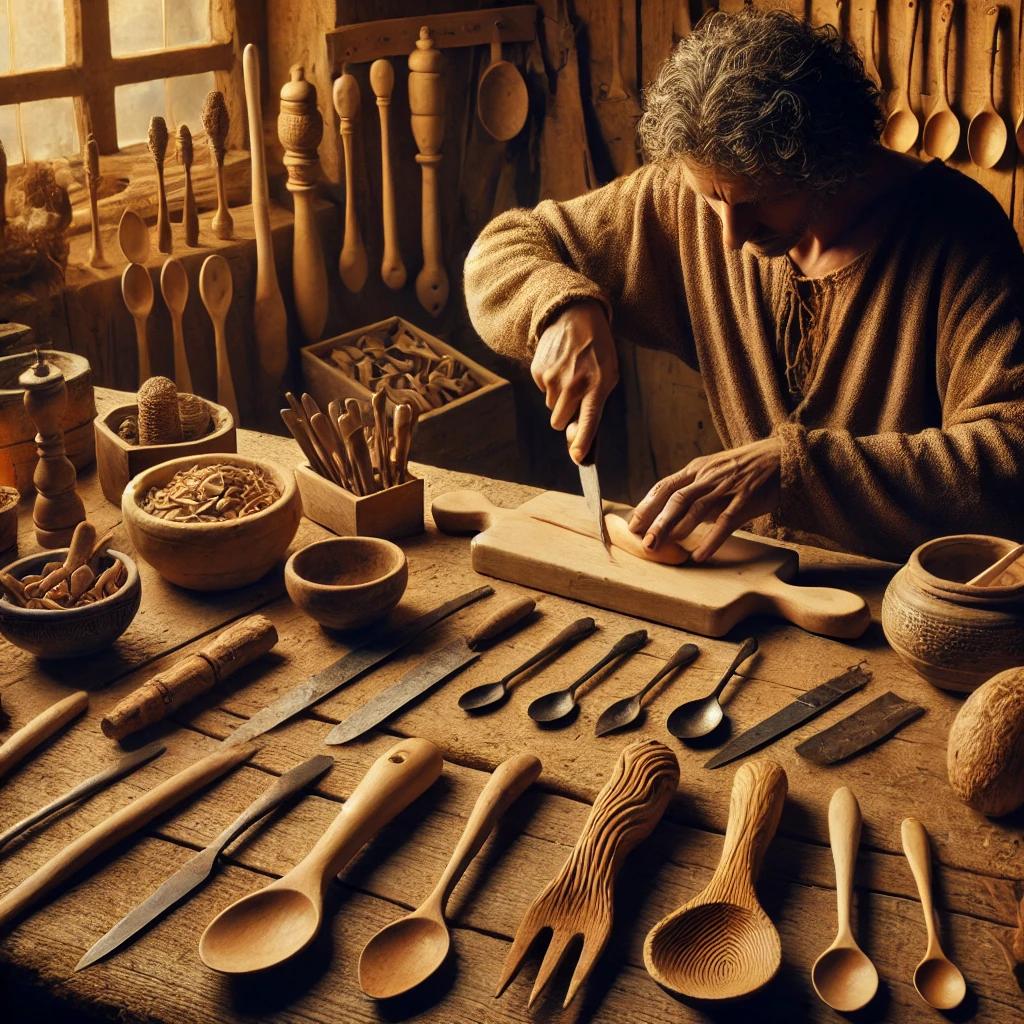
Origin | It emerged in Ancient Egypt around 1000 BCE. | ||||||||
|---|---|---|---|---|---|---|---|---|---|
Materials | Initially, wood, bone, or stone were used. | ||||||||
Usage | It was used in religious rituals and adorned with depictions of deities. | ||||||||
Varieties | Fruit spoon: Suitable for eating short and wide fruits. Dessert spoon: Small, thin, and rounded at the tip. Soup spoon: Deep and rounded. | ||||||||
Cultural Significance | In many cultures, it is recognized not only as a tool for eating but also as an important symbol of hospitality and respect in ceremonies. | ||||||||
Spoon is a dining utensil typically consisting of a concave bowl and a handle, used for consuming liquids or semi-liquid foods. Today, spoons made from various materials are among the fundamental kitchen tools used alongside the fork and knife.
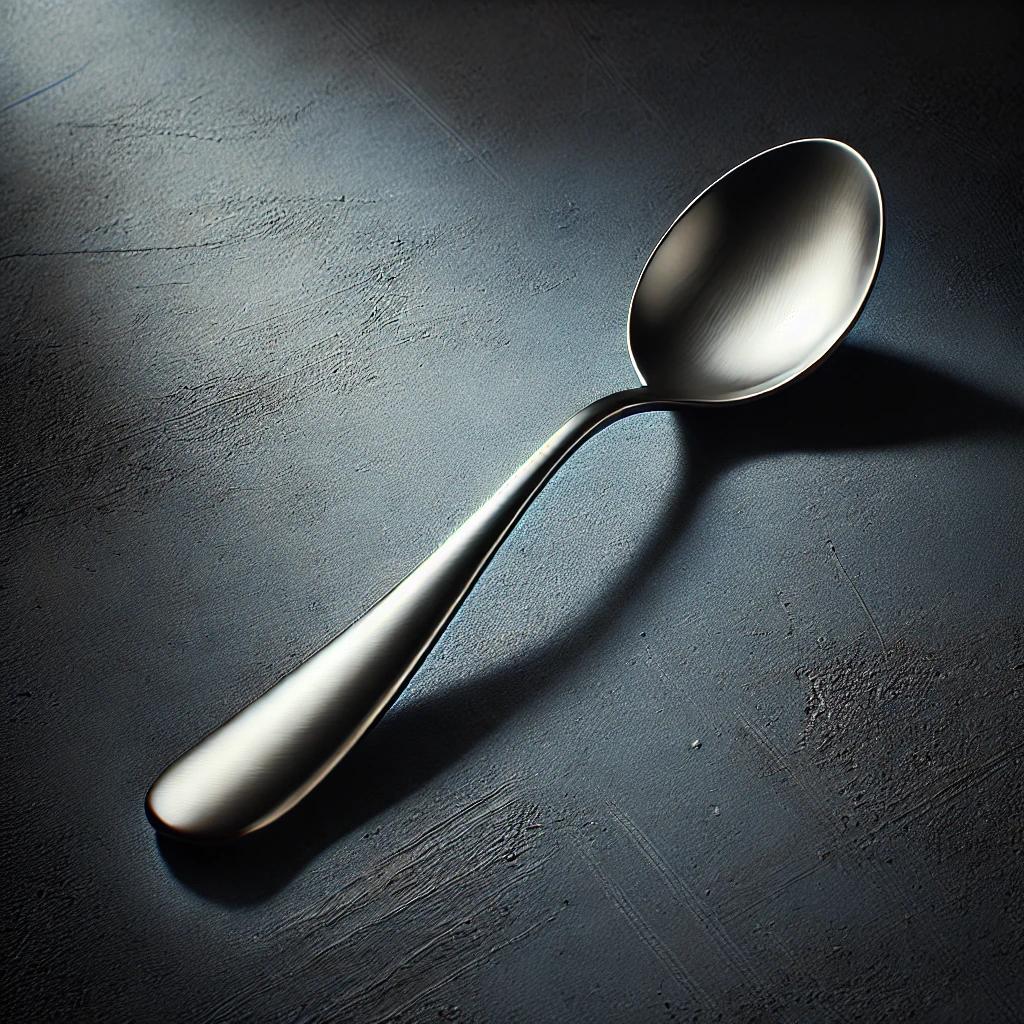
AI-Generated Image of a Spoon
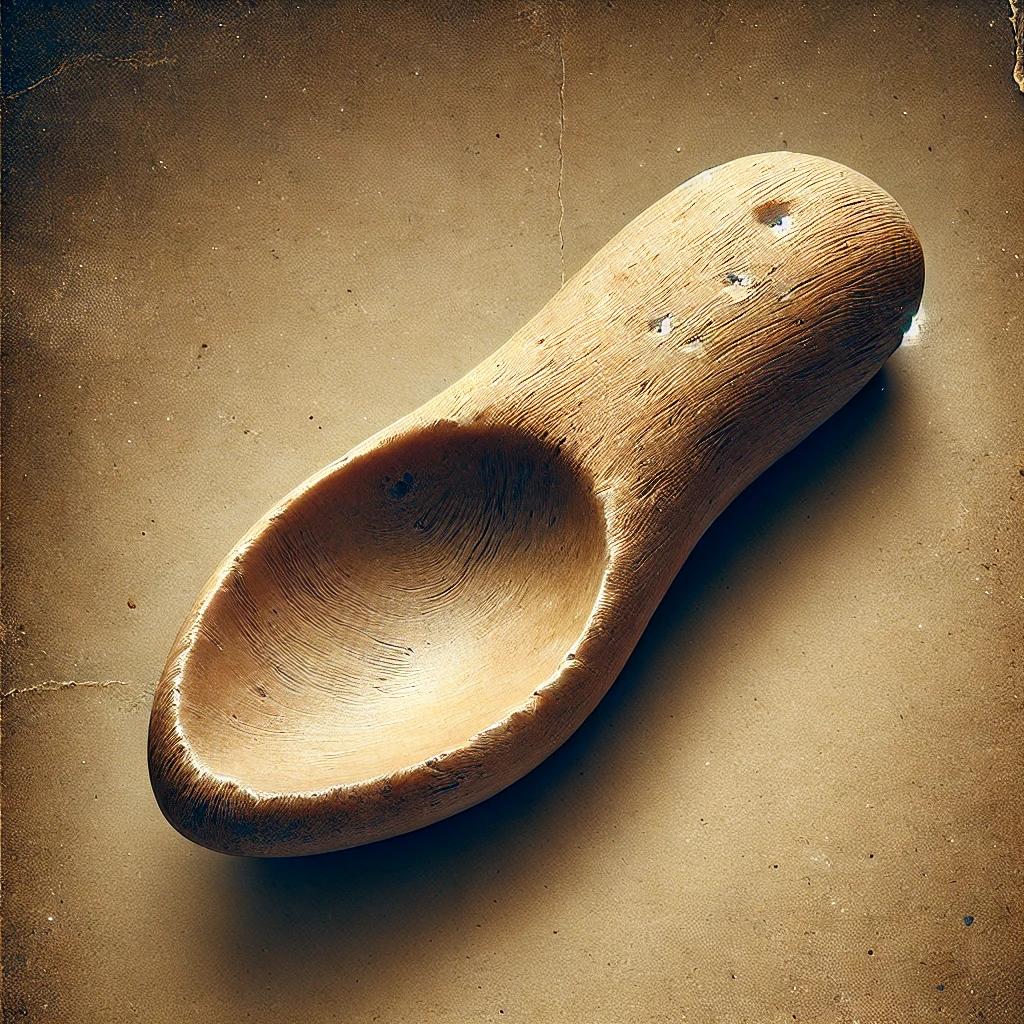
The earliest evidence of spoon use dates back to the Paleolithic Age. Early humans:
Wooden and bone spoons discovered in archaeological excavations belong to the Neolithic Age, indicating that spoons were deliberately manufactured during this period.
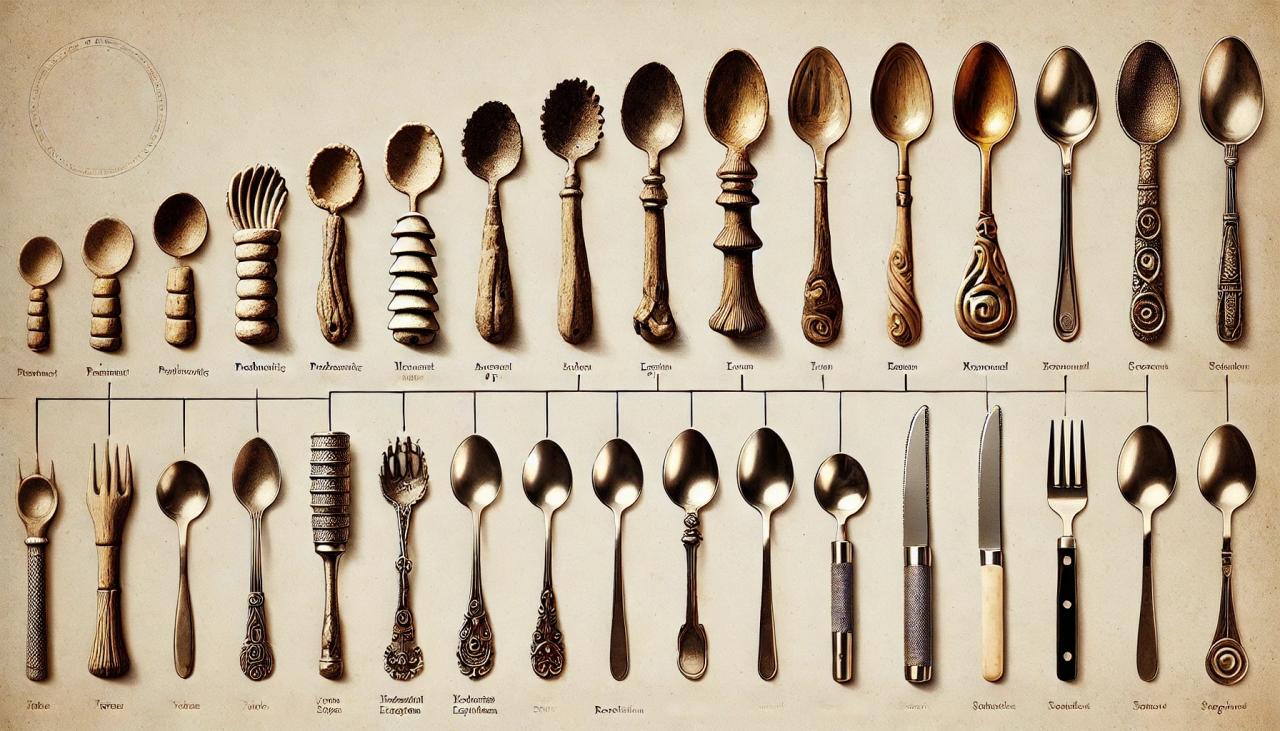
AI-Generated Image of a Spoon
By the 1000s BCE, the use of spoons became widespread in ancient Egyptian, Greek, and Roman civilizations. During this period:
Spoon use continued throughout the European Middle Ages. However, during this time:
With the Industrial Revolution, spoon production became standardized and mass production began. During this era:
AI-Generated Image of a Spoon
In brief, the spoon has undergone significant change throughout history and has served as an important tool reflecting the evolution of human culinary culture. From its earliest use to its modern designs, the spoon continues to exist as both a functional and aesthetic object.
Crump, T. 2001. A Brief History of the Spoon and Other Eating Utensils. Cambridge: Cambridge University Press.
Davidson, A. 1999. The Oxford Companion to Food. Oxford: Oxford University Press.
Wilson, C. A. 2006. Feast: A History of Grand Eating. New York: Harper Perennial.

Origin | It emerged in Ancient Egypt around 1000 BCE. | ||||||||
|---|---|---|---|---|---|---|---|---|---|
Materials | Initially, wood, bone, or stone were used. | ||||||||
Usage | It was used in religious rituals and adorned with depictions of deities. | ||||||||
Varieties | Fruit spoon: Suitable for eating short and wide fruits. Dessert spoon: Small, thin, and rounded at the tip. Soup spoon: Deep and rounded. | ||||||||
Cultural Significance | In many cultures, it is recognized not only as a tool for eating but also as an important symbol of hospitality and respect in ceremonies. | ||||||||
No Discussion Added Yet
Start discussion for "The Invention and History of the Spoon" article
Earliest Use of the Spoon
Spoon in Antiquity
Medieval and Renaissance Periods
Spoon in the Modern Era