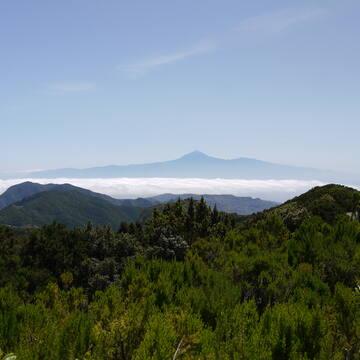
This article was automatically translated from the original Turkish version.
+2 More
Protection Status | UNESCO World Heritage Site | ||||||||
|---|---|---|---|---|---|---|---|---|---|
Country | Spain | ||||||||
Location | Tenerife | ||||||||
Fauna | Limited; mostly insects and birds | ||||||||
Vegetation | Endemic and drought-resistant species | ||||||||
Highest Point | Mount Teide (Spain's highest peak) | ||||||||
Prominent Feature | Mount Teide | ||||||||
Establishment Purpose | Conservation of volcanic landscapes and natural ecosystems | ||||||||
Teide National Park is a natural protected area located on the island of Tenerife, which belongs to Spain, characterized by dominant volcanic formations. The geological structures surrounding Mount Teide, situated at the park’s center, have formed over long-term volcanic processes. Due to its geomorphological features and natural systems, the area has been included in the UNESCO World Heritage List.
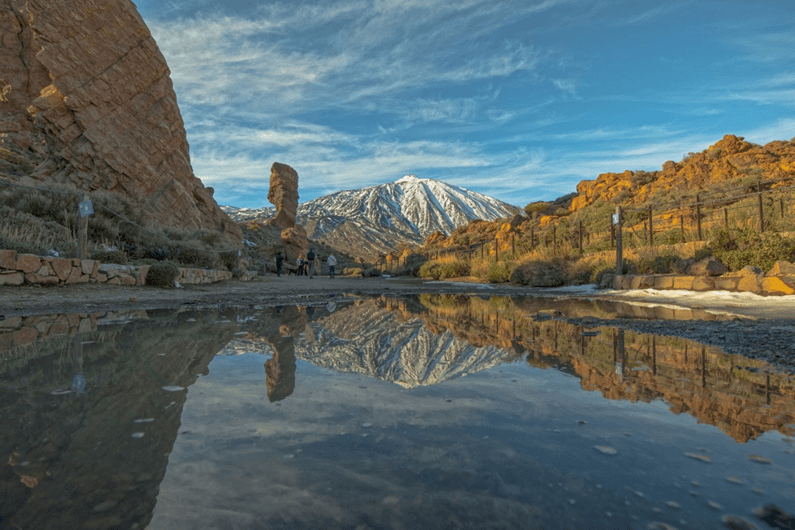
Teide National Park (OAPN)
Teide National Park is located in the central region of Tenerife, one of the Canary Islands. The park is defined by Mount Teide and surrounding volcanic formations rising within a large caldera structure. The area is also significant as it contains Mount Teide, the highest point in Spain.
The park’s geological structure is the result of volcanic activity occurring over different periods. The caldera, shaped by eruptions, lava flows, and collapses, has formed the current landscape features. Various types of volcanic rocks display distinct colors and textures across the terrain.
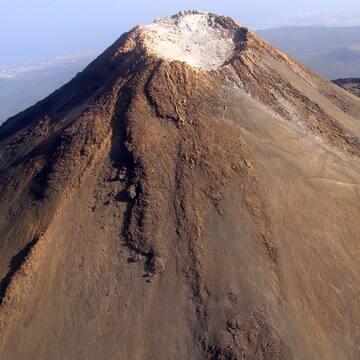
Summit Crater of Pico Teide (UNESCO)
The craters, volcanic cones, and lava fields within the park preserve traces of both ancient and more recent volcanic processes. These formations provide important data for studying the area’s geological development.
The high altitude and volcanic surface conditions in Teide National Park create a distinctive climate. Significant daily temperature fluctuations are observed, along with low humidity and intense solar exposure. These conditions support a limited but highly adapted range of living species.
The park is particularly notable for its endemic plant species. Plants adapted to volcanic soils and arid conditions are widespread. Animal life is more limited and consists mostly of insects and certain bird species.
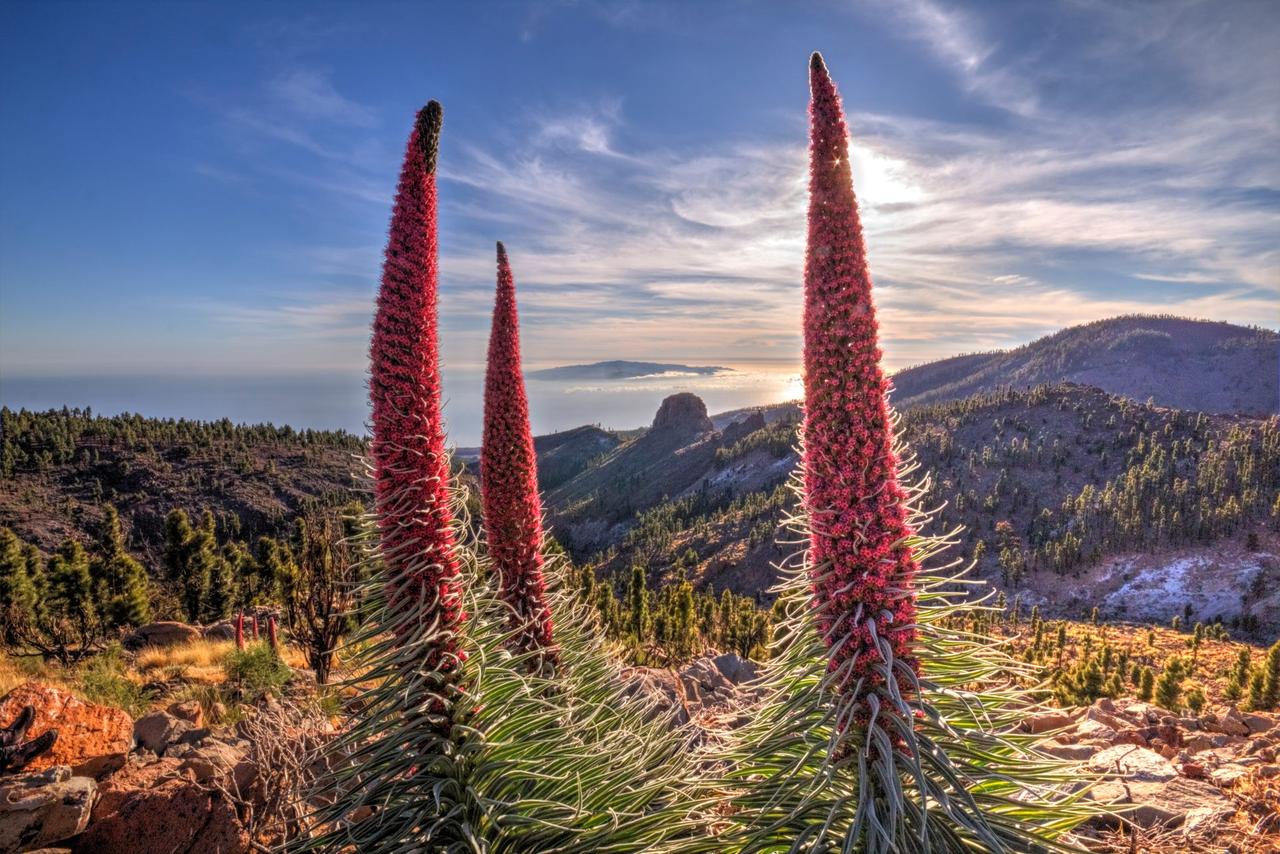
Endemic Plant in Teide National Park (OAPN)
Teide National Park is part of Spain’s national park system and is managed under various conservation measures. Human activities within the area are restricted by specific regulations to preserve its natural integrity. Its inclusion in the UNESCO World Heritage List provides an international-level status supporting its protection.
Teide National Park (YouTube)
Teide National Park serves as a site for research in geology and environmental sciences, offering valuable data on volcanic processes. At the same time, the area permits controlled tourism activities, with the preservation of the natural environment prioritized above all else.
Gobierno de Canarias. "Parque Nacional del Teide." Accessed April 5, 2026. https://www.gobiernodecanarias.org/parquesnacionales/teide/index.html
Hello Canary Islands. "Teide National Park." Accessed April 5, 2026. https://www.hellocanaryislands.com/nature-spaces/tenerife/teide-national-park/
Ministerio para la Transición Ecológica y el Reto Demográfico. "Parque Nacional del Teide." Accessed April 5, 2026. https://www.miteco.gob.es/es/parques-nacionales-oapn/red-parques-nacionales/parques-nacionales/teide.html
Spain.info. "Teide National Park." Accessed April 5, 2026. https://www.spain.info/en/nature/teide-national-park/
UNESCO World Heritage Centre. “Teide National Park.” Accessed April 5, 2026. https://whc.unesco.org/en/list/1258
World Heritage Explorer. "Teide National Park." Accessed April 5, 2026. https://www.worldheritageexplorer.org/sites/teide_national_park.html

Protection Status | UNESCO World Heritage Site | ||||||||
|---|---|---|---|---|---|---|---|---|---|
Country | Spain | ||||||||
Location | Tenerife | ||||||||
Fauna | Limited; mostly insects and birds | ||||||||
Vegetation | Endemic and drought-resistant species | ||||||||
Highest Point | Mount Teide (Spain's highest peak) | ||||||||
Prominent Feature | Mount Teide | ||||||||
Establishment Purpose | Conservation of volcanic landscapes and natural ecosystems | ||||||||
No Discussion Added Yet
Start discussion for "Teide National Park" article
Geographical Location and General Characteristics
Geological Structure
Volcanic Formations
Climate and Ecosystem
Flora and Fauna
Conservation Status and Management
Scientific and Touristic Significance