


This article was automatically translated from the original Turkish version.
+1 More
Tahar Bridge / Yusuf Ziya Pasha Bridge (Culture Portal)
Location | Tekya Mevkii Çemişgezek Tunceli Tahhar Çayı | ||||||||
|---|---|---|---|---|---|---|---|---|---|
Year of Construction | 1807 (Yusuf Ziya Paşa) | ||||||||
Repairs | 1856 or 1902 (Akif Paşa) | ||||||||
Material | Cut stone | ||||||||
Building Type | Single-arched pointed stone bridge | ||||||||
Dimensions | Arch span: 16 m Height: 9 m Width: 4.3 m Length: 55 m | ||||||||
Prominent Feature | Signpost with poplar tree motif Four symbolic stones 70 cm stone railing | ||||||||
Condition | Maintains its historical fabric Currently in use | ||||||||
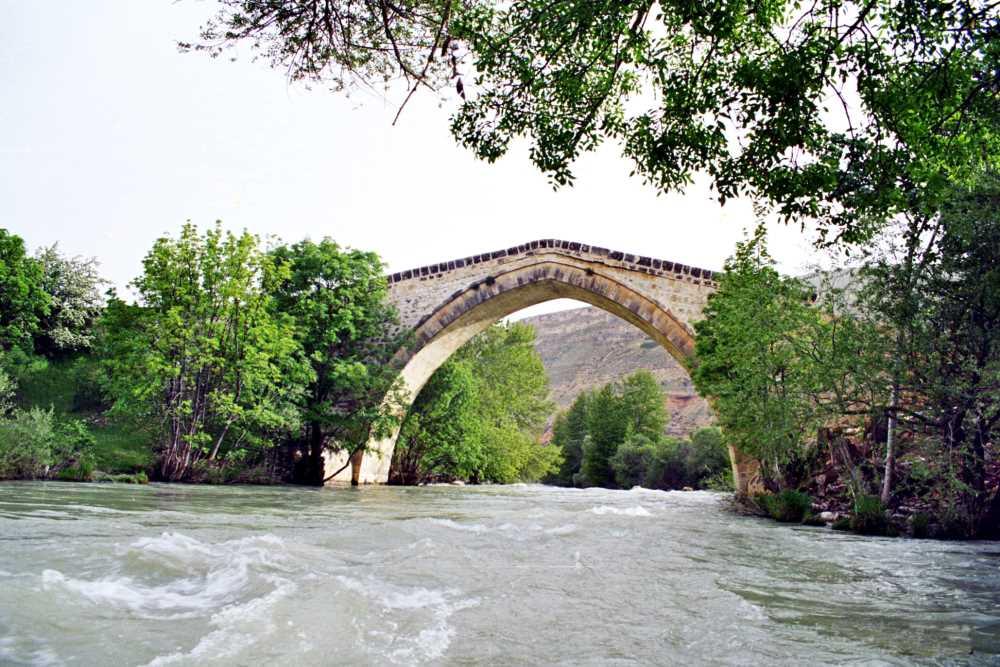
Tahar Bridge is a stone bridge approximately two centuries old, constructed in the early 19th century during the Ottoman period in the Çemişgezek district of Tunceli. Also known as the Yusuf Ziya Paşa Bridge, it is a single-arch, single-span engineering structure that reflects the technical and aesthetic characteristics of 19th-century Ottoman stone bridge architecture. Due to its historical function and current physical condition, it is among the rare preserved cultural infrastructure elements of the region.
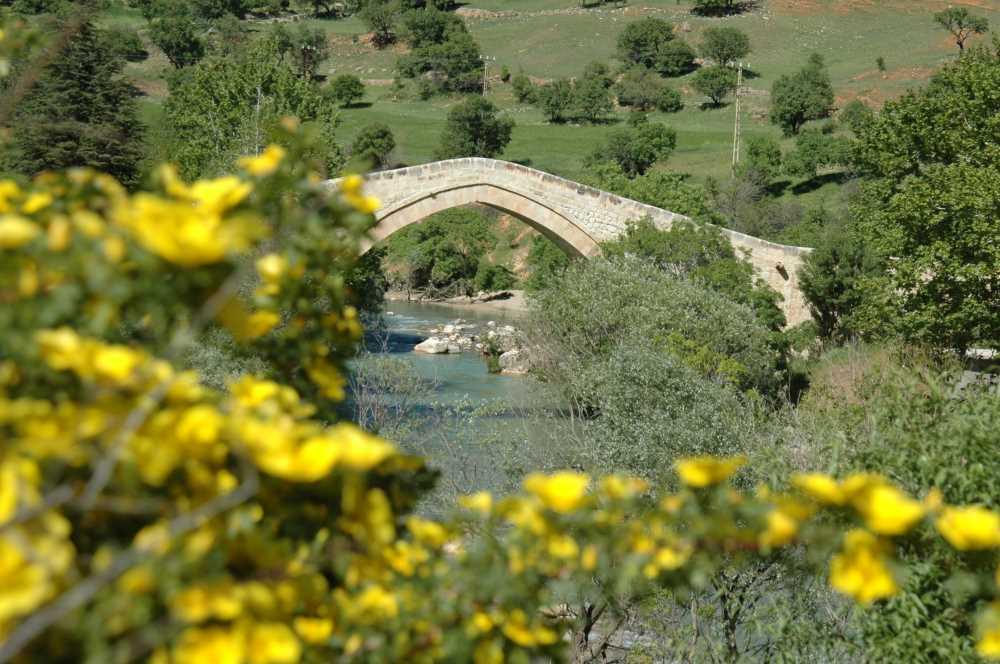
The bridge is located within the boundaries of Çemişgezek district in western Tunceli province, approximately 3 kilometers from the district center, spanning the Tahhar Creek. The site, known as Tekya, is one of the region’s significant transit points in terms of natural landscape and water routes. Tahhar Creek is a major tributary fed by the Munzur Mountains and part of the Euphrates Basin. The bridge’s position along this waterway demonstrates its strategic role throughout history in transportation, trade, and military mobility.
Tahar Bridge / Yusuf Ziya Paşa Bridge (Kültürportalı)
According to its construction inscription, the bridge was commissioned in 1807 by Yusuf Ziya Paşa. Yusuf Ziya Paşa was a regional administrator of note during the Ottoman period, and this bridge contributed significantly to the public infrastructure of the era.
Following its construction, the bridge underwent maintenance and restoration in various periods. According to records from the Tunceli Provincial Directorate of Culture and Tourism and the Kültürportalı, the bridge was restored in 1856 or 1902 by Akif Paşa, Governor of Diyarbakır. These repairs aimed to ensure the bridge’s long-term usability and structural integrity. In this regard, the bridge is considered an example of the Ottoman provincial architecture’s emphasis on sustainability.
Tahar Bridge / Yusuf Ziya Paşa Bridge (Kültürportalı)
The bridge is constructed of cut stone and features a single-span and pointed arch design, reflecting the classical Ottoman stone bridge form.
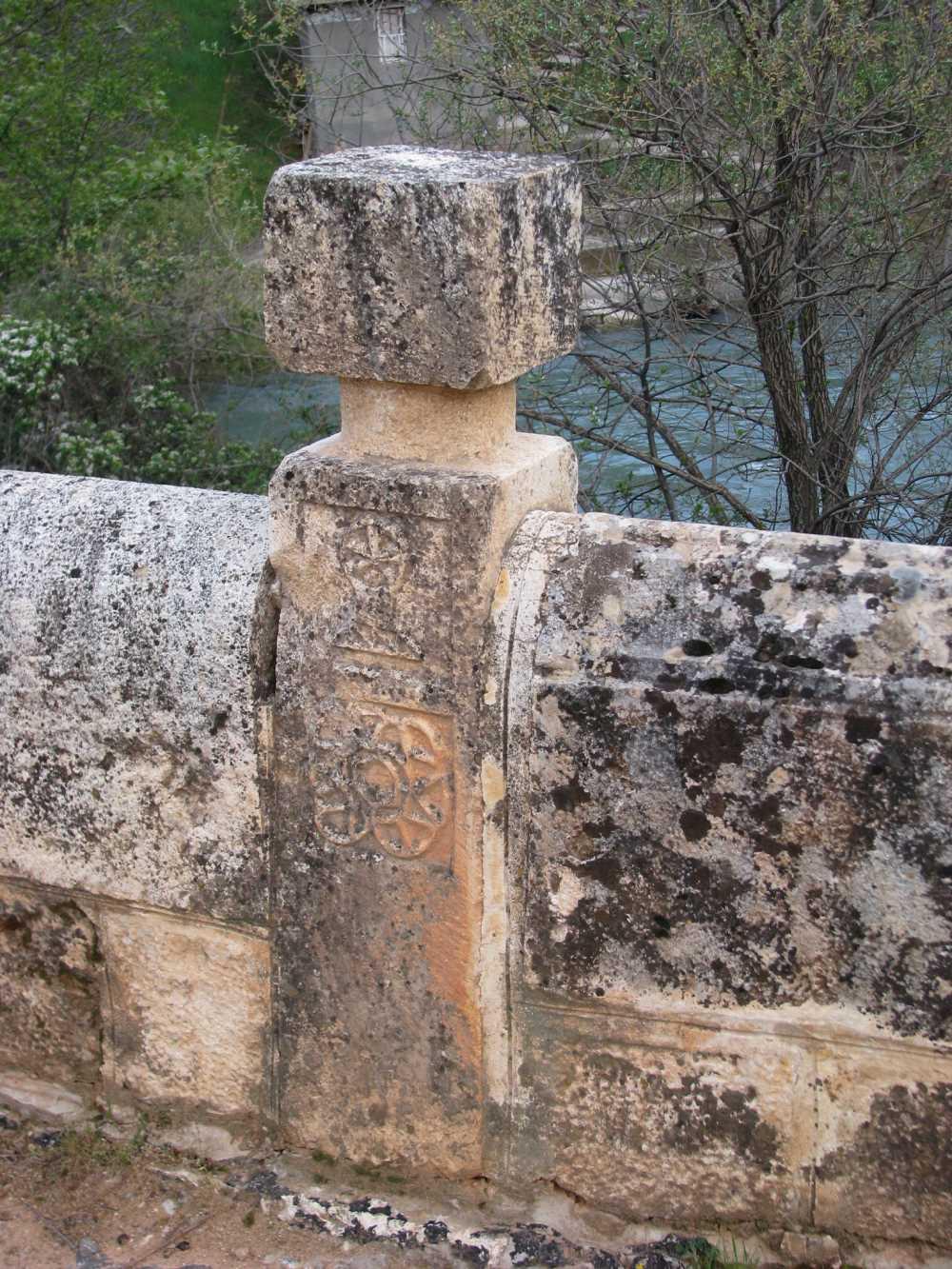
Four milestone stones are placed along the bridge; one of these bears a poplar tree relief. Such motif stones typically represent the symbolic language and stonemasonry traditions of the period.
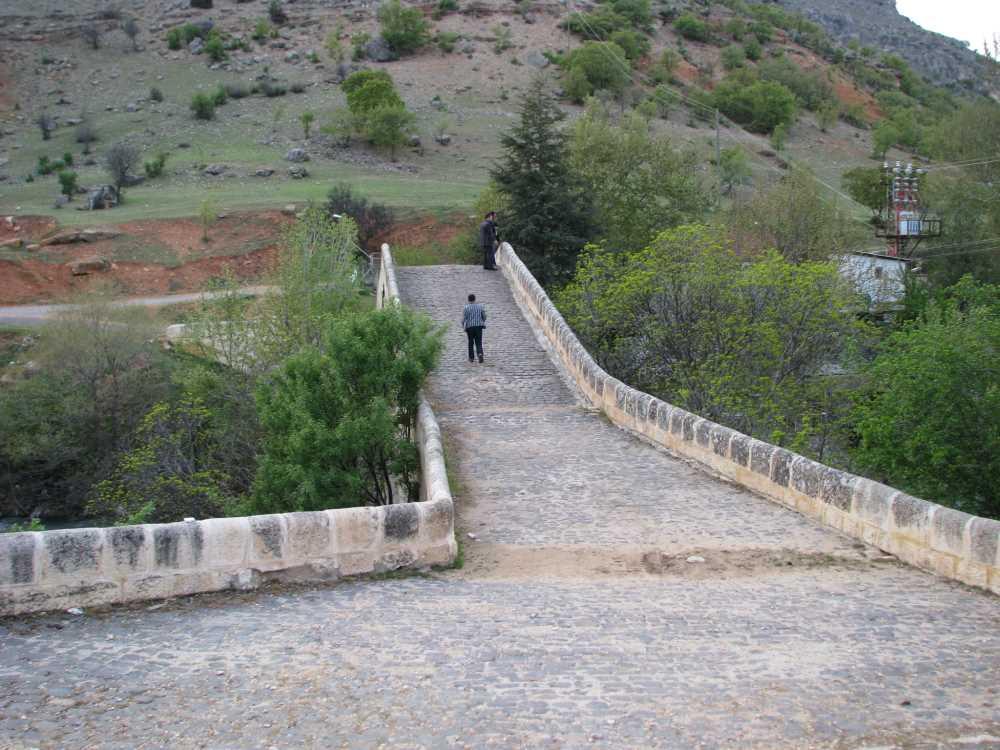
The regular masonry pattern of the bridge surface and the solidity of the arch form are notable. The side walls were functionally designed for load-bearing and user safety, with parapet height conforming to period standards.
Tahar Bridge / Yusuf Ziya Paşa Bridge (Kültürportalı)
Today, the Tahar Bridge remains in active use for both pedestrian and light vehicle traffic by the local population. Visual content published by TRT Haber and the Anadolu Agency observes that the bridge preserves its historical fabric and forms an aesthetic unity with its natural surroundings.
The area around the bridge is particularly favored during spring and autumn for natural photography, rural tourism, and regional tourism activities. It is noted that the structure is protected as a historical monument and monitored by local institutions. However, official registration numbers or restoration plans are not publicly documented.
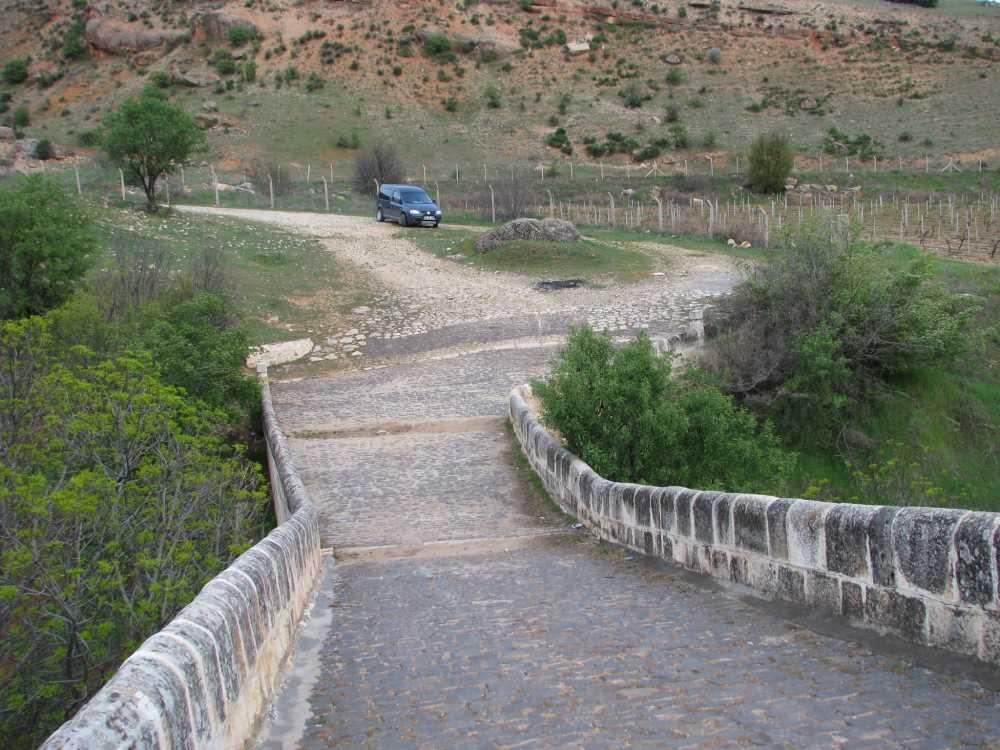
Tahar Bridge / Yusuf Ziya Paşa Bridge (Kültürportalı)
The Tahar Bridge is one of the few surviving 19th-century stone bridges in Anatolia. It holds value both in terms of Ottoman provincial administrative infrastructure policies and local craftsmanship traditions. Its material use, arch form, and decorative details closely resemble regional architectural conventions.
Decorative elements such as the poplar tree relief demonstrate that the bridge was not merely functional but also possessed symbolic and aesthetic dimensions. In this sense, the Tahar Bridge is regarded not only as a passage structure but also as a carrier of cultural narrative.
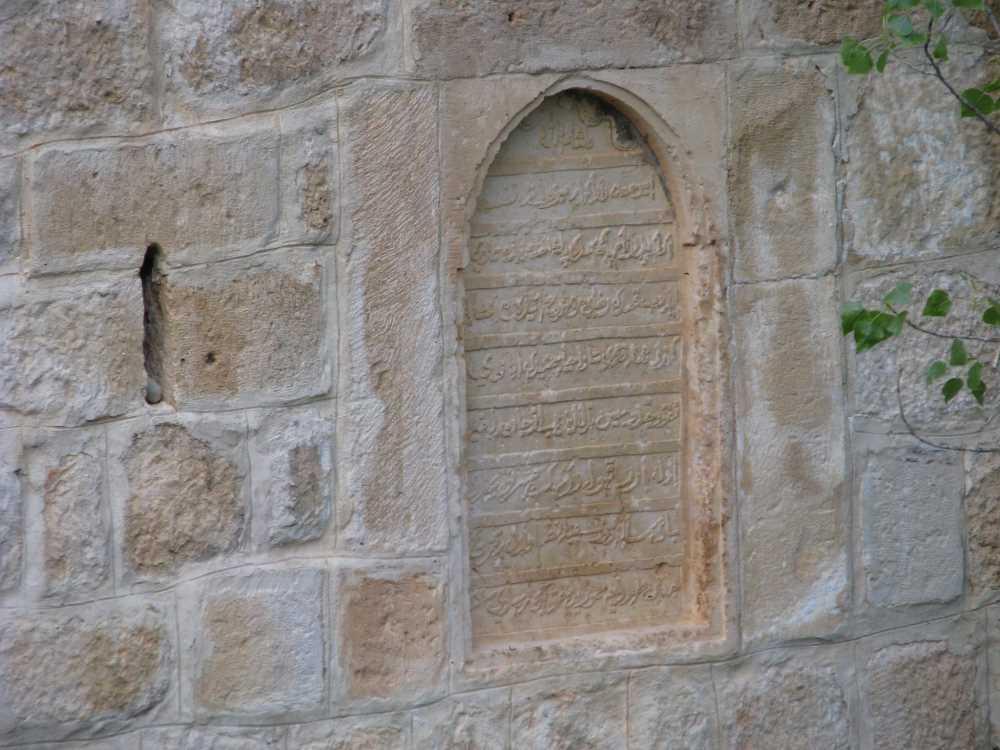
Tahar Bridge / Yusuf Ziya Paşa Bridge (Kültürportalı)
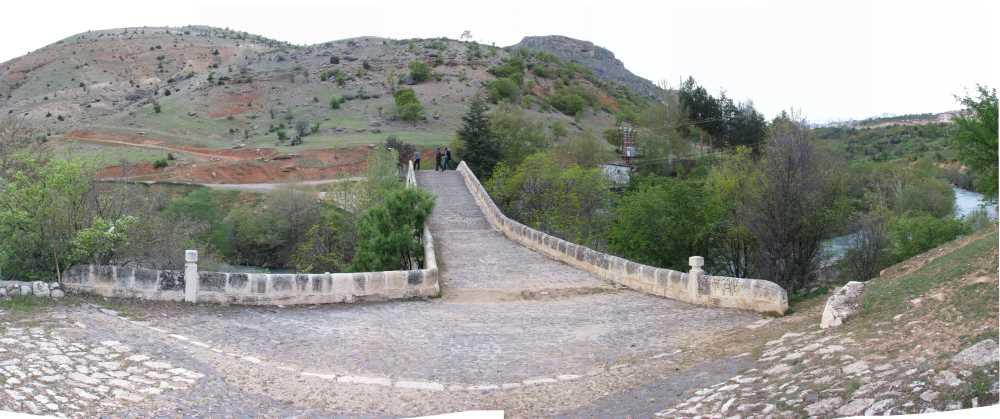
Tahar Bridge / Yusuf Ziya Paşa Bridge (Kültürportalı)
Anadolu Ajansı. “Anadolu’nun Tarihin İzlerini Taşıyan Asırlık Köprüleri.” Accessed July 15, 2025.https://www.aa.com.tr/tr/pg/foto-galeri/-anadolunun-tarihin-izlerini-tasiyan-asirlik-kopruleri-/146
T.C. Ministry of Culture and Tourism. "Tahar Köprüsü / Yusuf Ziya Paşa Köprüsü." Kültür Portalı. Accessed July 15, 2025.https://www.kulturportali.gov.tr/turkiye/tunceli/gezilecekyer/tahar-yusuf-ziya-pasa-koprusu
T.C.Tunceli İl Directorate of Culture and Tourism. "Tahar (Yusuf Ziya Paşa) Köprüsü." Accessed July 15, 2025.https://tunceli.ktb.gov.tr/TR-57323/tahar-yusuf-ziya-pasa-koprusu.html
TRT Haber. “Tunceli'deki Tarihi Tağar Köprüsü ve Çevresi Her Mevsim Ayrı Güzel.” Accessed July 15, 2025.https://www.trthaber.com/foto-galeri/tuncelideki-tarihi-tagar-koprusu-ve-cevresi-her-mevsim-ayri-guzel/31403/sayfa-1.html

Tahar Bridge / Yusuf Ziya Pasha Bridge (Culture Portal)
Location | Tekya Mevkii Çemişgezek Tunceli Tahhar Çayı | ||||||||
|---|---|---|---|---|---|---|---|---|---|
Year of Construction | 1807 (Yusuf Ziya Paşa) | ||||||||
Repairs | 1856 or 1902 (Akif Paşa) | ||||||||
Material | Cut stone | ||||||||
Building Type | Single-arched pointed stone bridge | ||||||||
Dimensions | Arch span: 16 m Height: 9 m Width: 4.3 m Length: 55 m | ||||||||
Prominent Feature | Signpost with poplar tree motif Four symbolic stones 70 cm stone railing | ||||||||
Condition | Maintains its historical fabric Currently in use | ||||||||
No Discussion Added Yet
Start discussion for "Tahar Bridge / Yusuf Ziya Pasha Bridge" article
Geographical Location and Environmental Context
Historical Background and Construction
Architectural Features
Dimensions:
Current Use and Conservation Status
Significance in the History of Architecture