


This article was automatically translated from the original Turkish version.
A switch is a fundamental circuit component used to control current in electrical circuits. By breaking or connecting the conductive path in an electrical circuit, it can interrupt or redirect the flow of current. This function makes the switch a vital component for operating and controlling electrical devices.
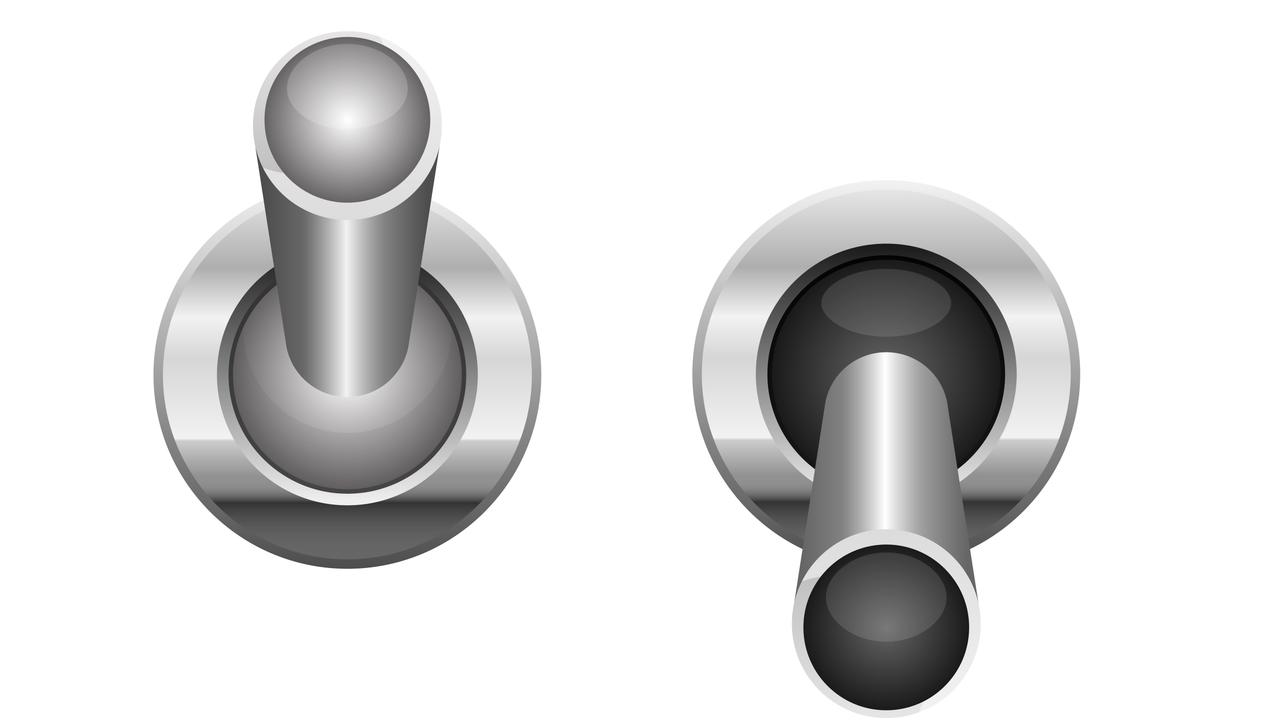
Toggle anahtar (Kaynak: Vecteezy)
Switches are manufactured in various types to meet different needs. Broadly, they can be categorized into two groups: mechanical switches and solid-state switches.
Mechanical switches are devices that open or close a circuit through physical movement. Some types of mechanical switches include:
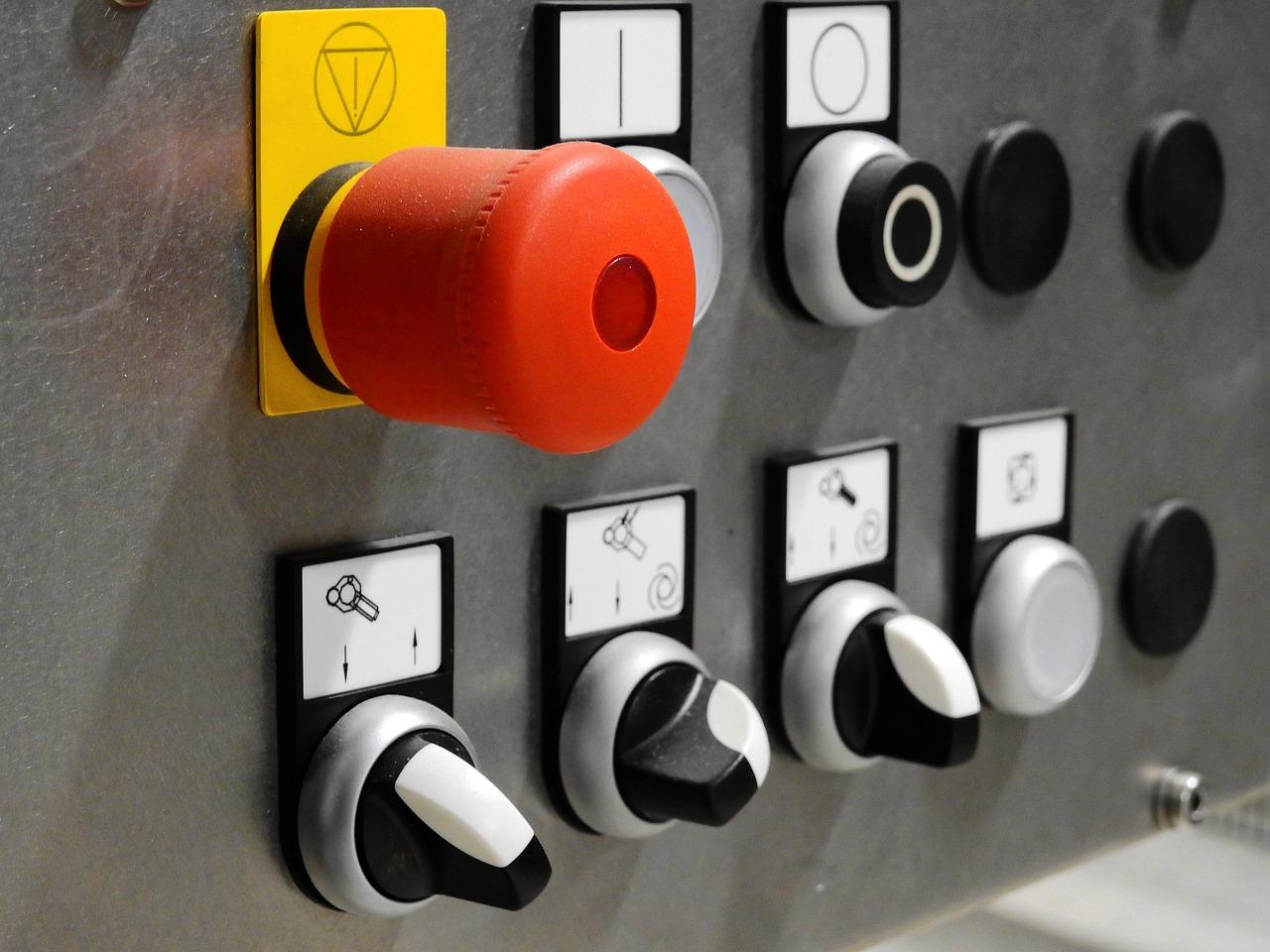
Farklı endüstriyel anahtar tipleri (pixabay)
Solid-state switches are switches manufactured using semiconductor materials. They offer faster operation and longer lifespan due to the absence of mechanical parts. Some important types of solid-state switches include:
Solid-state switches are particularly important for energy efficiency and high-power applications. Their development has supported advancements in energy systems. This information is derived from an article published in the academic journal Micromachines (Power Electronic Switches).
Switches are used in circuits to control the flow of current. When a switch is closed (ON), the circuit is completed and current flows. When open (OFF), the circuit is broken and current flow stops. This enables devices to be turned on or off. For example, a light switch in a home completes the circuit to turn on a lamp and breaks it to turn off the light. In more complex circuits, switches can control multiple paths or serve logical functions in digital electronics. For instance, a SPDT (Single Pole Double Throw) switch can direct current between two different circuits.
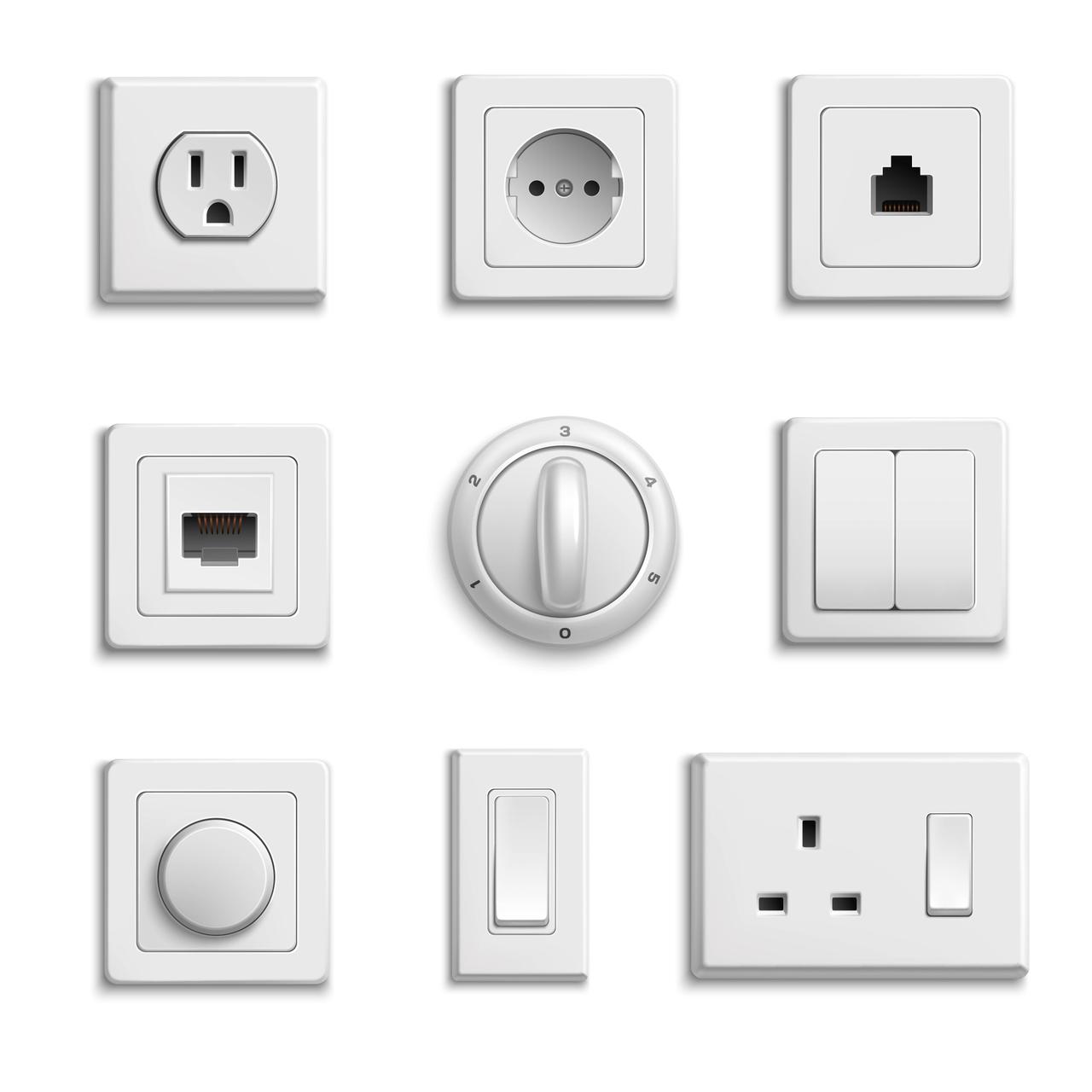
Ev tipi anahtarlar ve prizler (freepik)
Switches are widely used in both everyday life and industrial environments. Some application areas include:
Switches are critical for safety, control, and automation in electrical systems. From a safety perspective, switches isolate circuits to prevent electric shocks or fires. From a control perspective, they allow users to turn devices on or off as needed. In automation systems, switches provide automatic control based on environmental conditions, enhancing efficiency and reliability.
Bhargava, N. N., S. C. Gupta, and D. C. Kulshreshtha. *Basic Electronics and Linear Circuits*. New Delhi: McGraw-Hill Education (India) Pvt Limited, 1983.Accessed Adresi.
Hannan, M. A., Jamal A. Ali, Pin J. Ker, Md. Z. Hossain, A. Mohamed, and M. N. Uddin. "Overview of Power Electronic Switches: A Summary of the Past, State-of-the-Art and Illumination of the Future." *Micromachines* 11, no. 12 (2020): 1116.Erişim Adresi.
Kuphaldt, Tony R. "Switch Types." *Lessons in Electric Circuits*. February 17, 2015. Accessed October 6, 2024.Accessed Adresi.
National Electric Light Association. Electrical Meterman's Handbook. New York: Trow Press, 1915.

Types of Switches
Mechanical Switches
Solid-State Switches
Function of Switches in Circuits
Applications and Importance