

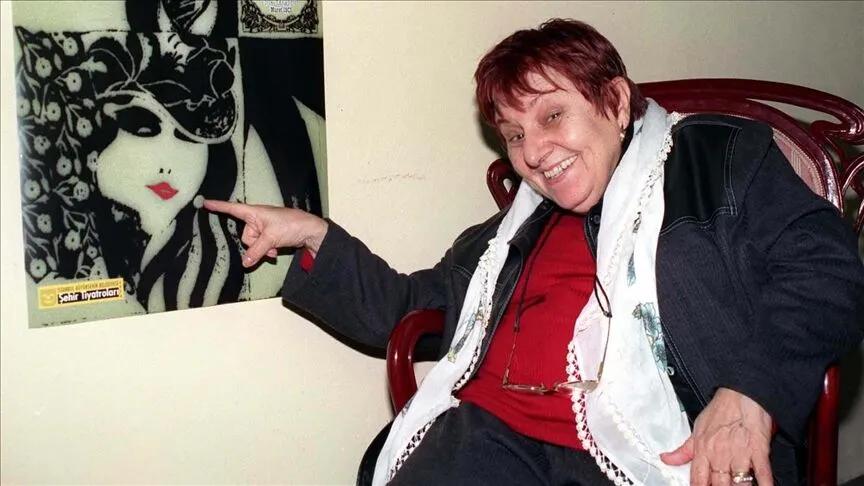
+2 More

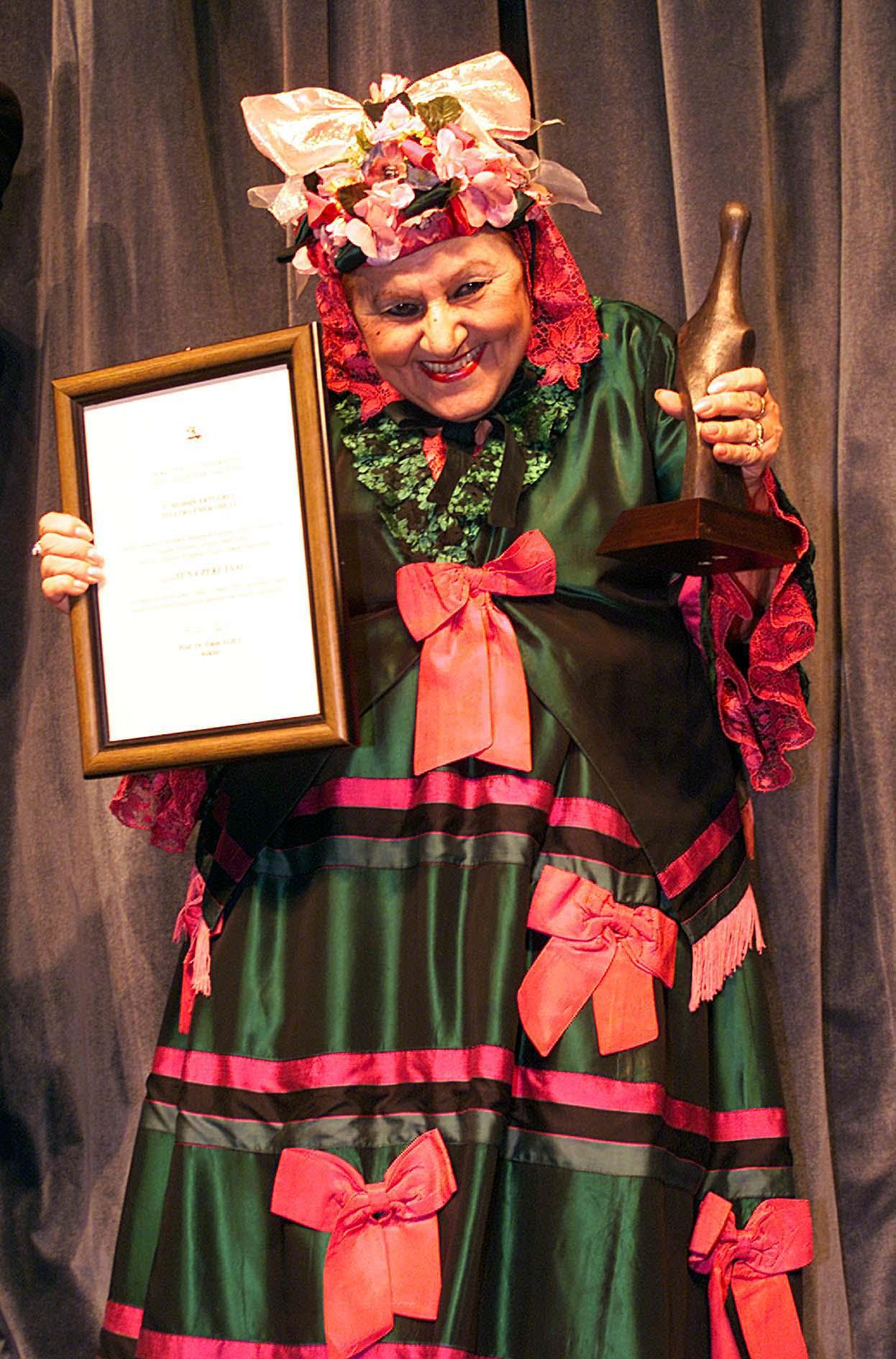
Anadolu Ajansı
Suna Pekuysal
Date of Birth | 24 October 1933 | ||||||||
|---|---|---|---|---|---|---|---|---|---|
Education | Istanbul Municipal Conservatory, Department of Theater and Ballet | ||||||||
Spouse | Ergun Köknar (1964–2000) | ||||||||
Child | Sait Ali Köknar | ||||||||
Awards | Avni Dilligil Award Ulvi Uraz Award İsmail Dümbüllü Award Nisa Serezli Aşkıner Special Award Golden Orange Lifetime Achievement Award | ||||||||
Date of Death | 22 July 2008 (aged 74) | ||||||||
Suna Pekuysal, born Suna Belener on 24 October 1933 in Istanbul, was a stage, film, television, and voice actress. Her full name is also recorded as Adile Suna Belener.【1】
Pekuysal served for 54 years at the Istanbul City Theatres, appearing in over 250 stage plays and nearly 100 films during her artistic career. She provided voice work for radio dramas and appeared in television series, musicals, and commercials.
Pekuysal began her theatrical career in 1949 with the children’s division of the Istanbul City Theatres. In 1952, she joined the institution’s drama ensemble. She performed alongside Zihni Göktay for 14 years in the musical comedy “Lüküs Hayat,” staged by the Istanbul City Theatres. Although she retired from the Istanbul City Theatres in 1998, she continued working in theatre, film, and television.
She passed away in Istanbul on 22 July 2008.
Suna Pekuysal was born on 24 October 1933 in Istanbul. Her father, İlhami Bey, became paralyzed after falling from a horse at the age of 27 and died seven months after her birth. Pekuysal spent her childhood years at the Cağaloğlu Halkevi.
She studied at the Istanbul Municipal Conservatory’s Voice and Ballet Department. While continuing her education, she began participating in theatrical activities and joined the children’s division of the Istanbul City Theatres.
Pekuysal made her stage debut in 1949 with the Istanbul City Theatres’ children’s division in Kadri Ögelman’s play “Artist Aranıyor.” After catching the attention of Ferih Egemen, she joined the drama division of Dârülbedâyi three years later. In 1952, she was officially accepted into the drama ensemble of the Istanbul City Theatres.
During the early phase of her theatrical career, she worked alongside Vasfi Rıza Zobu, Mahmut Moralı, Şükriye Atav, Cahide Sonku, Şaziye Moral, Bedia Muvahhit, and Reşit Gürzap. Hazım Körmükçü, Talat Artemel, and Şevkiye Mav were also among the artists she collaborated with during her formative years.
After joining the drama division, she played the role of a maid in the play “Vahşi Kız.” In subsequent years, she took on roles in various productions by the Istanbul City Theatres across multiple genres. The institution became the central stage of her professional life.
Suna Pekuysal appeared in Elmer Rice’s “On the Spot” in 1954, followed by Henrik Ibsen’s “Peer Gynt” in 1956, Noël Coward’s “What’s the Use?” in 1959, and Flers and Caillavet’s “The Man with the Heart of Bread” in 1961.
In 1964, she performed in Hidayet Sayın’s “Topuzlu.” In 1965, she portrayed a role in Haldun Taner’s “The Shadow of the Donkey.” She appeared in William Shakespeare’s “Romeo and Juliet” in 1968 and in “Measure for Measure” in 1976.
Her theatrical repertoire included plays such as “Sultan Gelin,” “Hasır Şapka,” “Keşanlı Ali Destanı,” “Tırpan,” “Bir Neşei Muhabbet,” “Kozalar,” “Artist Aranıyor,” “Montserrat,” and “The Inspector.” Her performances spanned dramas, comedies, adaptations, and musicals.
In 1964, Suna Pekuysal married actor and journalist Ergun Köknar. Between 1970 and 1973, Pekuysal and Köknar co-founded the Üsküdar Actors Group, in which she also performed.
The couple’s son, Sait Ali Köknar, was born in 1973. Shortly after his birth, Pekuysal suffered a serious spinal injury. Sait Ali Köknar later became an architect. Suna Pekuysal and Ergun Köknar remained married until his death in 2000.
Pekuysal portrayed a role in “Tırpan,” an adaptation of Fakir Baykurt’s work, staged in 1979. For her performance in this play, she received both the Avni Dilligil Award and the Ulvi Uraz Award in 1980.【2】
“Tırpan” became one of Pekuysal’s defining roles at the Istanbul City Theatres. Her performance in the play earned her recognition with two separate theatre awards in the same year.
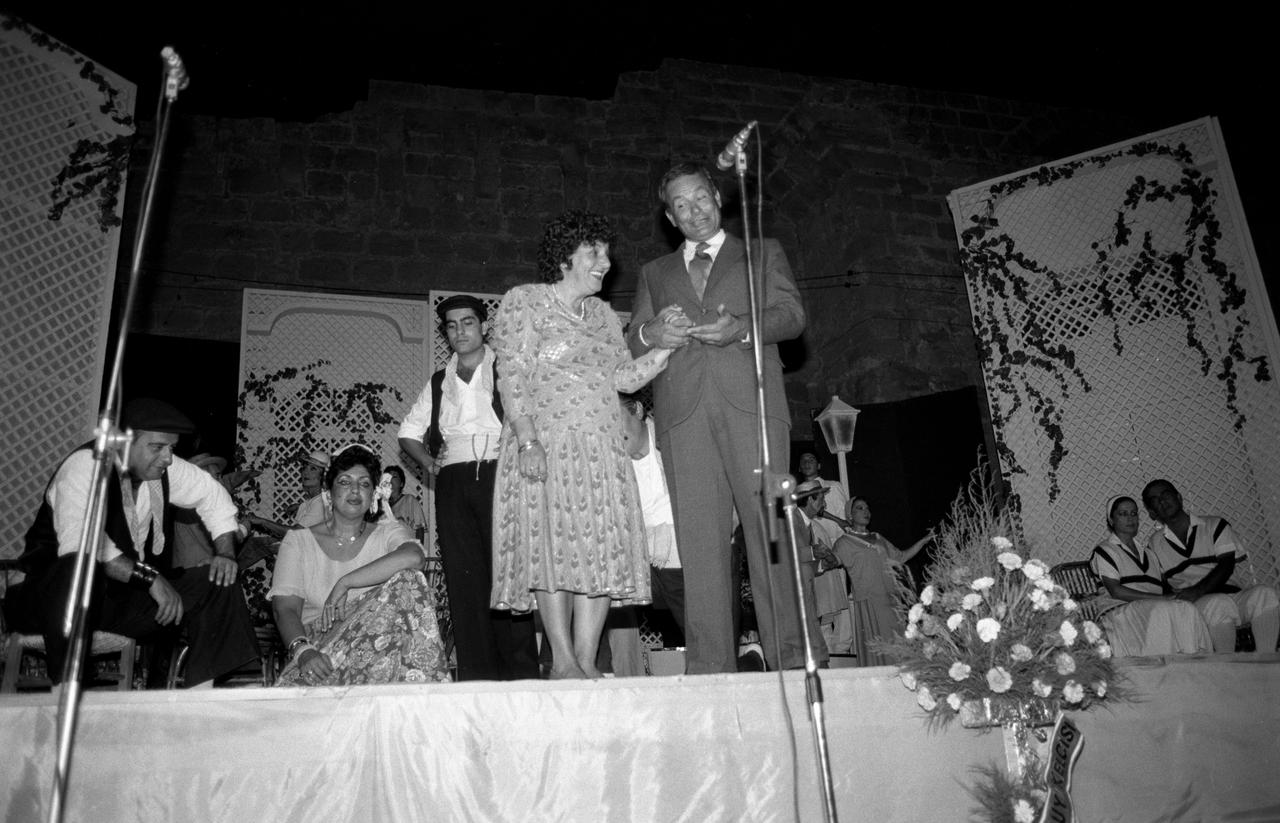
Suna Pekuysal from the musical Lüküs Hayat. (Anadolu Ajansı)
One of the longest-running roles in Pekuysal’s career was in the musical comedy “Lüküs Hayat.” The play was written by Ekrem Reşit Rey in 1933, with music composed by Cemal Reşit Rey. It began its run at the Istanbul City Theatres in 1984 under the direction of Haldun Dormen.
Pekuysal portrayed the character Zeynep and shared the stage with Zihni Göktay, performing the role continuously for 14 years. “Lüküs Hayat” became one of the defining works of her later years at the Istanbul City Theatres.
Suna Pekuysal retired from the Istanbul City Theatres on 24 October 1998. Including her initial work in the children’s division, she served the institution for a total of 54 years. After retirement, she did not abandon acting.
Following her retirement, Pekuysal returned to the stage as a guest artist with the Istanbul City Theatres, performing in Joseph Kesselring’s “Ahududu,” directed by Çetin İpekkaya.
She expressed her enduring commitment to acting with the phrases “An artist never retires” and “I want to die on stage.” She continued working in theatre, film, and television whenever her health permitted.
Pekuysal’s film career began in the early 1950s. She appeared in “Can Yoldaşı” (1952), followed by “Halıcı Kız” (1953). In 1958, she was in “Yaprak Dökümü” and “Allı Yemeni”; in 1959, she appeared in “Sevdalı Gelin,” “Samanyolu,” and “Garipler Sokağı.”
In 1960, she acted in “Aşk Rüzgârı” and “Mahallenin Sevgilisi.” In 1961, she appeared in “Bir Bahar Akşamı,” “Otobüs Yolcuları,” “Zavallı Necdet,” “Unutamadığım Kadın,” “Cilalı İbo Zoraki Baba,” “Minnoş,” and “Derbeder.”
In 1962, she took on roles in numerous films, including “Hayat Bazen Tatlıdır,” “Esir Kuş,” “Küçük Hanımın Kısmeti,” “Damat Beyefendi,” “Küçük Hanım Avrupa’da,” “Bir Gecelik Gelin,” “Şeytan Bunun Neresinde,” “Küçük Hanımın Şoförü,” “Aşk Güzeldir,” “Neşemizi Bulalım,” “Yedi Günlük Aşk,” “Yalnızlar İçin,” and “Çam Sakızı.”
In 1963, she appeared in “Yedi Kocalı Hürmüz,” “İlk Gözağrısı,” “Aşka Vakit Yok,” “Cici Can,” “Erkek Fatma Evleniyor,” “Aşk Tomurcukları,” “Adanalı Tayfur,” “Kötü Tohum,” “Kiralık Koca,” and “Akasyalar Açarken.”
In 1964, she was in “Kızgın Delikanlı,” “Afilli Delikanlılar,” “Kadın Berberi,” “Yalnız Değiliz,” “Yiğitler Yatağı,” “Kral Arkadaşım,” and “Şoförler Kralı.” The following year, she appeared in “Yalancının Mumu” and “Dört Deli Bir Aptal.”
In 1966, she performed in “Bir Koltukta İki Karpuz,” “Kıskanç Kadın,” “Çalıkuşu,” “Akşam Güneşi,” “Fabrikanın Şoförü,” and “Sevgilim Artist Olunca.” In 1967, she appeared in “Trafik Belma,” “Nemli Gözler,” “Sen Benimsin,” “Üç Sevdalı Kız,” and “Yıkılan Gurur.”
In 1968, she portrayed roles in “Paydos,” “Kâtip,” “Kadın Değil, Baş Belası,” “Atlı Karınca Dönüyor,” “İncili Çavuş,” and “Kanlı Nigar.” In 1969, she appeared in “Sazlı Damın Kahpesi,” “Kınalı Keklik,” “Sevdalı Gelin,” “Esmerin Tadı Sarışının Adı,” and “Ayşecik-Yuvanın Bekçileri.”
During this period, she balanced her film work with her duties at the Istanbul City Theatres. She mostly portrayed supporting roles, often playing maids, neighbors, relatives, or local residents in family and neighborhood comedies.
In 1970, she appeared in the remakes of “Küçük Hanımın Şoförü” and “Allı Yemeni,” as well as in “İç Güveysi,” “Ham Meyva,” and “Kezban Roma’da.” In 1971, she performed in “Kanunsuz Yaşayanlar,” “Keloğlan Aramızda,” “Bir Varmış Bir Yokmuş,” “Hasret,” “Yalnız Değiliz,” “Şehzade Sinbad Kaf Dağında,” “Hüdaverdi-Pırtık,” “Tophaneli Murat,” “Hayat Sevince Güzel,” “Bizimkiler,” “Kadifeden Kesesi,” and “Keloğlan.”
“Keloğlan ve Can Kız” was released in 1972, and “Ben Bir Garip Keloğlanım” in 1976. Pekuysal thus became part of multiple productions centered around the Keloğlan character.
The intensity of her film work decreased from the mid-1970s onward. However, she continued her commitments to the Istanbul City Theatres, radio productions, and later television projects.
In addition to her acting career, Suna Pekuysal provided voice work for radio theatre. She participated in radio performances produced under the program “Arkası Yarın.” In an interview, she expressed her deep attachment to radio theatre, stating that she would gladly return to such performances if invited again.
Pekuysal contributed her voice to the 1961 film “Güzeller Resmi Geçidi,” starring Türkan Şoray, thus expanding her artistic contributions to productions relying solely on vocal performance.
Suna Pekuysal also appeared in television programs and series. She acted in the 1979 comedy “Tatlı Çarşamba.” She was part of the cast of Kartal Tibet’s television series “Annem Annem.”
She portrayed a fortune-teller in the Istanbul-set episode “İstanbul: Eylül 1918” of the series “Genç Indiana Jones.” She also appeared in the series “Kadın Savcısı” and “Ekmek Teknesi,” as well as in television commercials and musical productions.
In 2002, Pekuysal starred alongside Özkan Uğur in the comedy series “Yeter Anne.” For her performance in this series, she won the Best Female Comedy Actress award at the 30th Altın Kelebek Awards in 2002.
In 2006, she appeared as a guest actress in the series “Avrupa Yakası” and “Hayat Bilgisi.” In the 2007 series “Yalancı Yarim,” she portrayed the character Netice Hala, one of her final television roles.
During the 2000s, Pekuysal continued appearing in both television and film. In 2003, she was part of the cast of Ömer Vargı’s film “İnşaat.” In 2004, she appeared in “Teberik Şanssız.”
In 2005, she acted in “Çapkın” and “Hırsız Var!” These roles extended her film career, which began in 1952, into the 2000s.
Her filmography approached 100 titles. In these films, she portrayed both leading and supporting roles, balancing her cinema work with theatre, radio, and television performances across different periods.
Suna Pekuysal (1984) | TRT Arşiv (TRT Arşiv)
Suna Pekuysal received the Avni Dilligil Award and the Ulvi Uraz Award in 1980 for her role in “Tırpan.” Her performance in “Lüküs Hayat” earned her the Sanat Kurumu Award in 1986 and the İsmail Dümbüllü Award in 1987.
In 1998, she received the Nisa Serezli Aşkıner Special Award under the Afife Theatre Awards, honoring her lifetime achievements. In 2000, she was awarded the Belkıs Dilligil Honorary Award.
In 2001, she received the Lifetime Achievement Award at the 38th Antalya Golden Orange Film Festival. For her role in “Yeter Anne,” she was named Best Female Comedy Actress at the 30th Altın Kelebek Awards in 2002.
In 2003, she was honored with the Muhsin Ertuğrul Theatre Service Award. At the 9th Sadri Alışık Theatre and Cinema Actor Awards in 2004, she received the Cinema Honorary Award.【3】
After retiring from the Istanbul City Theatres, Pekuysal returned as a guest artist in the play “Ahududu” and continued appearing in film and television productions. During the 2000s, she appeared in productions such as “Yeter Anne,” “İnşaat,” “Teberik Şanssız,” “Hırsız Var!,” “Avrupa Yakası,” “Hayat Bilgisi,” and “Yalancı Yarim.”
Pekuysal stated she would continue acting as long as her health allowed. Her final television performance took place in 2007.
On 17 July 2008, Pekuysal fell at her home in Istanbul and fractured her hip. She was admitted to Istanbul University Istanbul Faculty of Medicine Hospital, where she received treatment in the Orthopedics Clinic.
After surgery, she was placed in intensive care and connected to a ventilator. Her heart stopped on 22 July 2008. Although resuscitation efforts temporarily revived her, she passed away after her heart stopped again. Medical records also noted heart failure as a contributing cause of death.
A memorial service was held at the Reşat Nuri Stage of the Istanbul City Theatre. Following the ceremony, her funeral was conducted at the Ataköy 5th Section Mosque, and she was laid to rest at Merkezefendi Cemetery.
Anadolu Ajansı. “Yeşilçam’ın Güler Yüzlü Hizmetçisi: Suna Pekuysal.” Anadolu Ajansı. Accessed July 21, 2026.https://www.aa.com.tr/tr/kultur/yesilcamin-guler-yuzlu-hizmetcisi-suna-pekuysal/3638349
Haberler.com. "Suna Pekuysal Kimdir? – Suna Pekuysal Hayatı ve Biyografisi." haberler.com. Accessed July 21, 2026.https://www.haberler.com/suna-pekuysal/biyografisi/
Sinemalar.com. "Suna Pekuysal." Accessed July 21, 2026.https://www.sinemalar.com/sanatci/34872/suna-pekuysal
TRT Arşiv. “Suna Pekuysal (1984).” YouTube, Accessed July 21, 2026.
İhlas Haber Ajansı. “Suna Pekuysal Hayatını Kaybetti.” İHA. Accessed July 21, 2026.https://www.iha.com.tr/haber-suna-pekuysal-hayatini-kaybetti-29344
[1]
Haberler.com, "Suna Pekuysal Kimdir? – Suna Pekuysal Hayatı ve Biyografisi,” haberler.com, erişim 21 Temmuz 2026, https://www.haberler.com/suna-pekuysal/biyografisi/.
[2]
Haberler.com, "Suna Pekuysal Kimdir? – Suna Pekuysal Hayatı ve Biyografisi.”
[3]
Haberler.com, "Suna Pekuysal Kimdir? – Suna Pekuysal Hayatı ve Biyografisi.”

Anadolu Ajansı
Suna Pekuysal
Date of Birth | 24 October 1933 | ||||||||
|---|---|---|---|---|---|---|---|---|---|
Education | Istanbul Municipal Conservatory, Department of Theater and Ballet | ||||||||
Spouse | Ergun Köknar (1964–2000) | ||||||||
Child | Sait Ali Köknar | ||||||||
Awards | Avni Dilligil Award Ulvi Uraz Award İsmail Dümbüllü Award Nisa Serezli Aşkıner Special Award Golden Orange Lifetime Achievement Award | ||||||||
Date of Death | 22 July 2008 (aged 74) | ||||||||
Early Life and Family
Theatre Career
Retirement and Film Career
Voice Work and Radio Theatre
Television Work
Awards
Final Years and Death