


This article was automatically translated from the original Turkish version.
+1 More
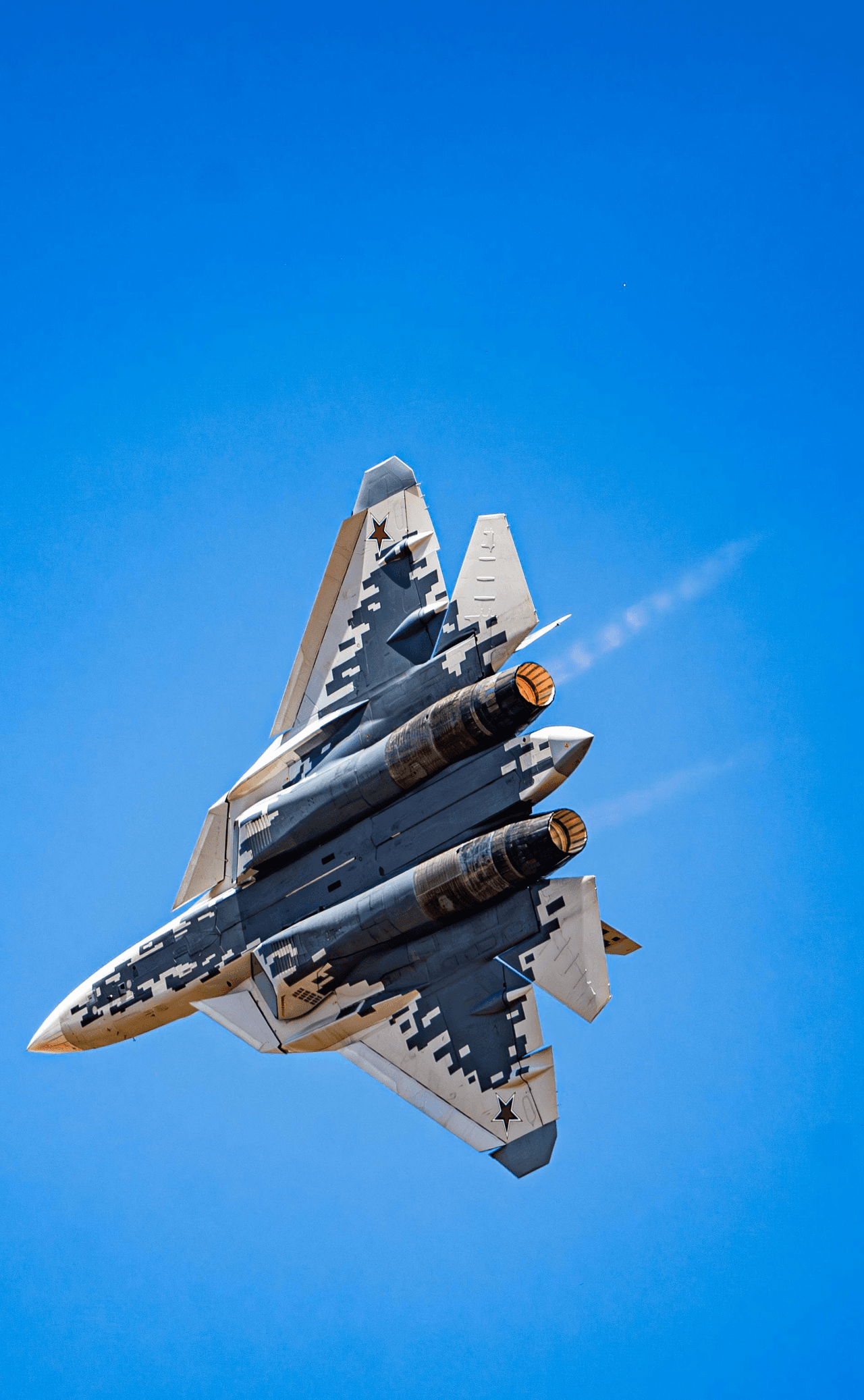
Sukhoi Su-35
Category | Multirole Twin-engine Highly maneuverable fighter aircraft. | ||||||||
|---|---|---|---|---|---|---|---|---|---|
Origin | Russia (Sukhoi) | ||||||||
Quantity Produced | More than 100 | ||||||||
Engine and Power System | 2 × Saturn AL-41F1S turbofan engines | ||||||||
Users | Russian Air Force, People's Liberation Army Air Force, Egypt, Algeria, Iran | ||||||||
Weights | 34,500 kg (Maximum) | ||||||||
First Flight | 2008 (as Su-35S) 28 June 1988 (as Su-27M) | ||||||||
Year of Entry into Service | February 2014 | ||||||||
Length | 21.9 metres | ||||||||
Wingspan | 15.3 metres | ||||||||
Height | 5.9 metres | ||||||||
Maximum Speed | Mach 2.25 (at high altitude) | ||||||||
Range | 3,600 km (with internal fuel) | ||||||||
Service Ceiling | 18,000 metres | ||||||||
Sukhoi Su-35 is a single-seat, twin-engine, multirole fighter aircraft developed by Russia's leading aircraft manufacturer Sukhoi, featuring high maneuverability. Classified as a 4++ generation aircraft, the Su-35 is designed for both air superiority and ground attack missions. The aircraft is equipped with advanced avionics and weapons systems to ensure effectiveness in modern combat scenarios.

Sukhoi Su-35 (Pixabay)
The Su-35's origins trace back to the Soviet-era Su-27. In the 1980s, the Su-35 project was initiated as an advanced variant of the Su-27. The first prototype flew in 1988, and by the early 2000s, the Su-35S model entered serial production. The aircraft has attracted interest not only from the Russian Air Force but also in export markets. The development of the Su-35 is part of Russia’s strategy to enhance its air defense capabilities.

Sukhoi Su-35 (Pixabay)
The Su-35 stands out due to its advanced avionics, powerful engines, and superior maneuverability. It is equipped with the Irbis-E passive electronically scanned array radar, the OLS-35 infrared search and track system, and advanced electronic warfare systems. Additionally, thrust-vectoring nozzles grant the aircraft exceptional maneuverability.
The Su-35 can carry both air-to-air and air-to-ground weapons, including:
The Su-35 is employed by the Russian Air Force in air superiority, ground attack, and maritime strike missions. The aircraft has also participated in operations in Syria. It has been exported to countries such as China and Egypt.
"Rusya'nın Göklerdeki Savaşçısı: Sukhoi Su-35 Avcı Uçağı | SavunmaSanayiST". SavunmaSanayiST. Accessed April 15, 2025.
"Rusya'ya Su-35S savaş uçağı teslimatı sürüyor | DefenceTurk". DefenceTurk. Accessed April 15, 2025.
"Su-35 and Su-57: What Is Known About the New-Generation Russian Fighter Jets Çavuşoğlu Presented as Alternatives to the F-16s - Medyascope". Medyascope. Accessed April 15, 2025.
"Su-35 andFlanker Ailesi." İTÜ Savtek. Accessed April 15, 2025.

Sukhoi Su-35
Category | Multirole Twin-engine Highly maneuverable fighter aircraft. | ||||||||
|---|---|---|---|---|---|---|---|---|---|
Origin | Russia (Sukhoi) | ||||||||
Quantity Produced | More than 100 | ||||||||
Engine and Power System | 2 × Saturn AL-41F1S turbofan engines | ||||||||
Users | Russian Air Force, People's Liberation Army Air Force, Egypt, Algeria, Iran | ||||||||
Weights | 34,500 kg (Maximum) | ||||||||
First Flight | 2008 (as Su-35S) 28 June 1988 (as Su-27M) | ||||||||
Year of Entry into Service | February 2014 | ||||||||
Length | 21.9 metres | ||||||||
Wingspan | 15.3 metres | ||||||||
Height | 5.9 metres | ||||||||
Maximum Speed | Mach 2.25 (at high altitude) | ||||||||
Range | 3,600 km (with internal fuel) | ||||||||
Service Ceiling | 18,000 metres | ||||||||
Historical Development
Technical Specifications
Design and Technology
Weapons Systems
Operational Use
Key Features