


This article was automatically translated from the original Turkish version.
(Pexels)
Steganalysis
Field | Digital forensics Cybersecurity | ||||||||
|---|---|---|---|---|---|---|---|---|---|
Opposite | Steganography | ||||||||
Type | Digital security method | ||||||||
Purpose | Detecting hidden data | ||||||||
Steganalysis is the general term for analytical and investigative methods aimed at detecting the presence of data hidden using steganography techniques in digital media. While steganography aims to conceal information within other data without drawing attention, steganalysis seeks to uncover the digital traces left by such concealment.【1】 Thus, the two approaches represent complementary aspects of the processes of concealing and detecting hidden information in digital environments. Today, various steganalysis methods are employed to detect concealment operations in different data types such as images, audio, video, and text.
Hidden Data (Pexels)
With the proliferation of digital steganography, steganalysis research has accelerated significantly. Starting especially in the 1990s, researchers began developing methods to identify the statistical effects introduced by hidden data within digital files.
One of the earliest significant studies in steganalysis was conducted by Jessica Fridrich, Miroslav Goljan, and Rui Du.
The researchers demonstrated that commonly used Least Significant Bit (LSB)-based concealment methods in images could be detected through various statistical analyses.【2】 These studies laid the foundation for many steganalysis methods developed in subsequent years.
As steganography techniques diversified, approaches targeting only specific algorithms became insufficient. Consequently, blind steganalysis methods—those capable of detecting hidden data without prior knowledge of the concealment technique—were developed. Today, machine learning and especially deep learning-based models are among the primary research focuses in the field.
The primary goal of steganalysis is to determine whether a file contains hidden data. In most cases, the priority is not to extract the content of the hidden message but to establish the presence of concealment itself.
Steganalysis methods are generally classified into two categories: targeted and blind. Targeted methods are designed to detect specific concealment algorithms, while blind methods examine anomalous statistical deviations in files without prior knowledge of the technique used.
Visual Representation of How Hidden Data Is Stored Within Binary Data Structures in Digital Media (Pexels)
Traditional steganalysis studies have employed methods such as histogram analysis, chi-square tests, RS analysis, and pattern recognition. These techniques aim to detect changes in data distributions caused by concealment. Ünal Tatar and Tolga Mataracıoğlu have conducted a comparative analysis of various steganography methods and the analytical techniques used to detect them.【3】
In recent years, a significant portion of steganalysis research has focused on deep learning-based methods. While traditional approaches treat feature extraction and classification as separate stages, deep learning models can perform this entire process end-to-end.
In particular, Convolutional Neural Networks (CNNs) can learn statistical patterns that are imperceptible to the human eye and classify images containing hidden data. A systematic review by Reinel Tabares-Soto and colleagues demonstrates that deep learning-based methods often outperform traditional techniques across multiple scenarios.【4】
Current research also focuses on detecting concealment in diverse data types such as audio, video, and text. A compilation by Hamza Kheddar and colleagues shows that deep learning-based steganalysis has expanded to encompass multiple data types and has become one of the field’s core research axes.【5】
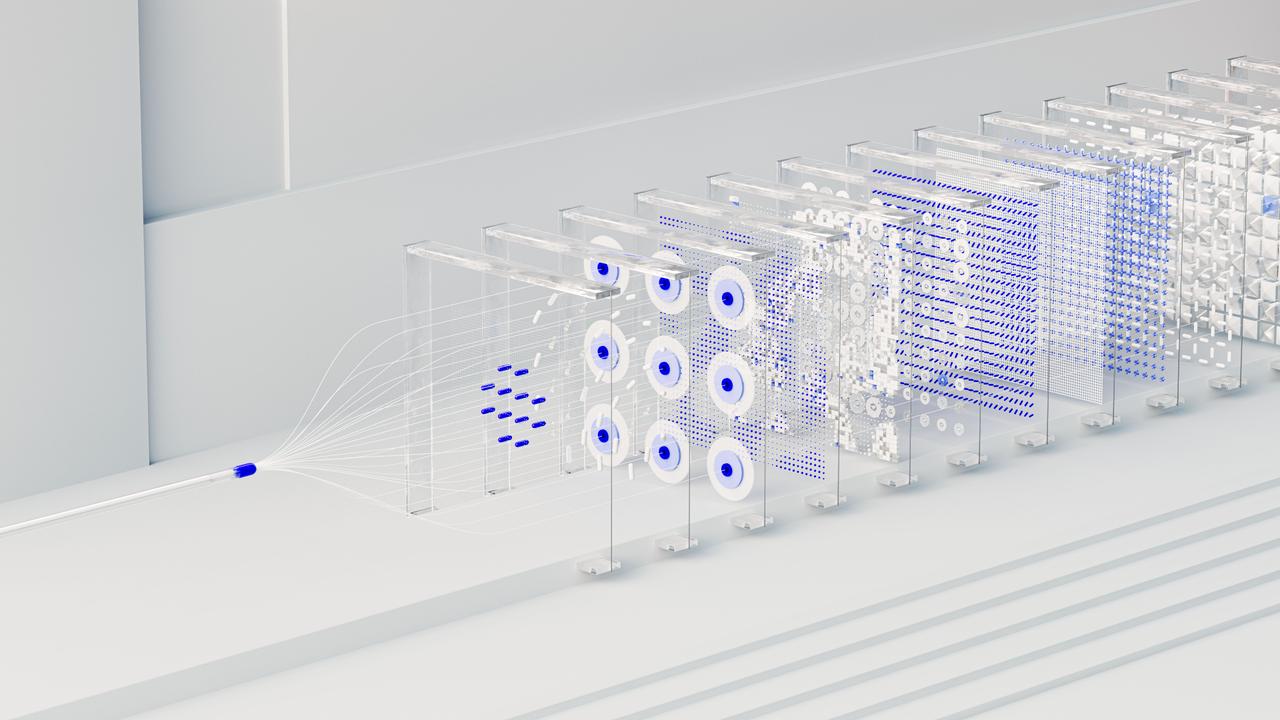
Visual Representation of Neural Network Architectures Used in Deep Learning (Pexels)
Steganalysis is one of the analytical methods used in digital forensics investigations. Determining whether images, audio, video, or document files contain hidden data can constitute a critical stage in forensic inquiries and incident analysis.【6】
In cybersecurity, certain malware utilize steganography techniques for command-and-control communications or data exfiltration. As a result, security researchers apply steganalysis methods to network traffic and digital content to identify suspicious attempts at hidden data storage.
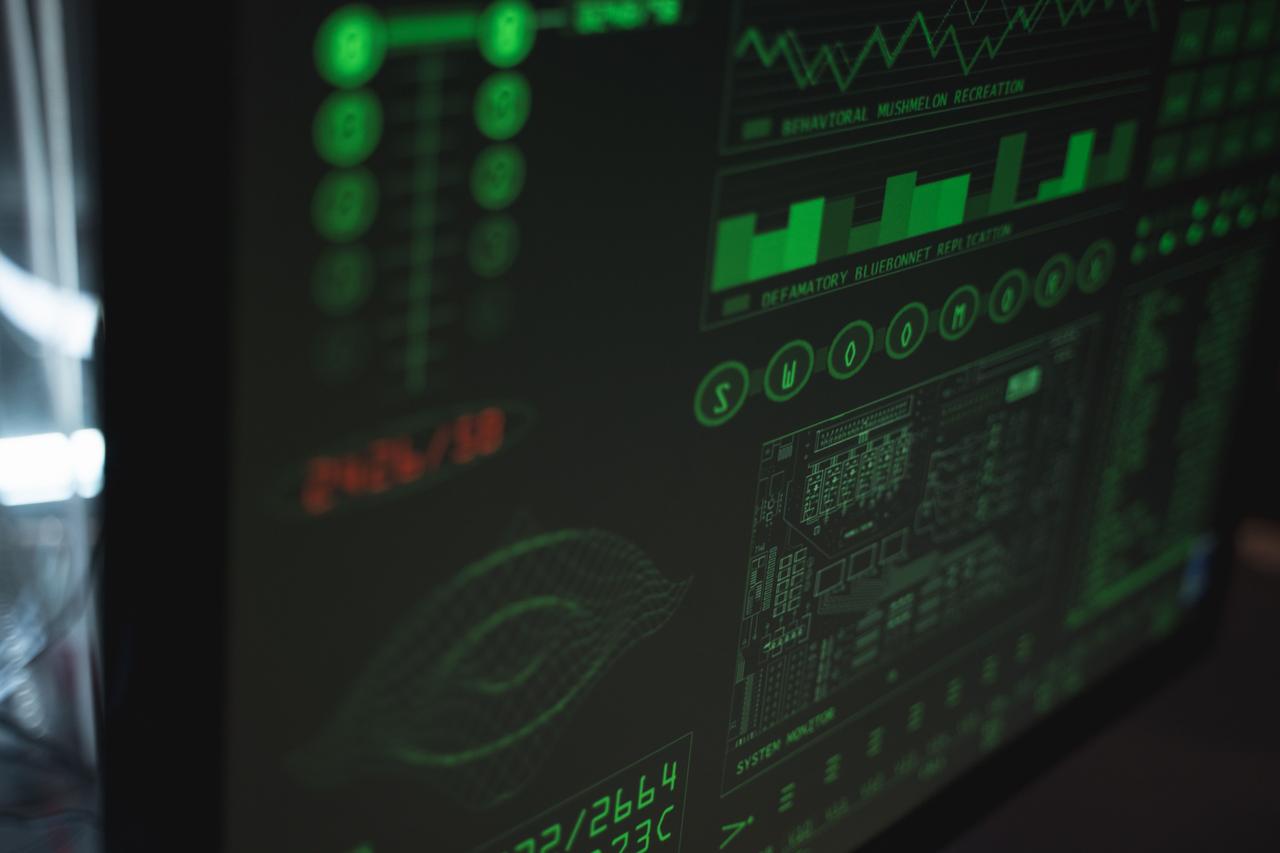
Screen Representation of Security Analysis and Incident Investigation Processes in Digital Systems (Pexels)
A continuous cycle of technological advancement exists between steganography and steganalysis. As concealment methods evolve, detection techniques must also adapt and new approaches are developed.
Modern adaptive steganography methods aim to preserve the natural statistical properties of images as closely as possible, making detection increasingly difficult. Additionally, operations such as resizing, compression, or noise addition can significantly affect the accuracy of steganalysis models.
Othman A. Alrusaini’s study examined the robustness of deep learning-based steganalysis models against various image transformations and demonstrated that noise addition substantially reduces detection success rates.【7】
Alrusaini, Othman A. “Deep Learning for Steganalysis: Evaluating Model Robustness Against Image Transformations.” *Frontiers in Artificial Intelligence* 8 (2025): 9–12. Accessed July 1, 2026. https://doi.org/10.3389/frai.2025.1532895
Fridrich, Jessica, Miroslav Goljan, and Rui Du. “Reliable Detection of LSB Steganography in Color and Grayscale Images.” *Proceedings of the 2001 Workshop on Multimedia and Security: New Challenges*, 27–30. New York: ACM, 2001. Accessed July 1, 2026. https://dl.acm.org/doi/10.1145/1232454.1232466
Google DeepMind. “An Artist’s Illustration of Artificial Intelligence (AI).” Pexels. Accessed July 1, 2026. https://www.pexels.com/photo/an-artist-s-illustration-of-artificial-intelligence-ai-17483874/
Kheddar, Hamza, Mustapha Hemis, Yassine Himeur, David Megías, and Abbes Amira. “Deep Learning for Steganalysis of Diverse Data Types: A Review of Methods, Taxonomy, Challenges and Future Directions.” *Neurocomputing* 581 (2024): 127528. Accessed July 1, 2026. https://doi.org/10.1016/j.neucom.2024.127528
Ku, Kevin. “Photo of Eyeglasses on Binary Text.” Pexels. Accessed July 1, 2026. https://www.pexels.com/photo/data-codes-through-eyeglasses-577585
Miroshnichenko, Tima. “Close-Up View of System Hacking.” Pexels. Accessed July 1, 2026. https://www.pexels.com/photo/close-up-view-of-system-hacking-5380618/
Spiske, Markus. “Yeşil Veri Matrisi.” Pexels. Accessed July 1, 2026. https://www.pexels.com/photo/close-up-photo-of-matrix-background-1089438
Tabares-Soto, Reinel, Raúl Ramos-Pollán, and Gustavo Isaza. “Deep Learning Applied to Steganalysis of Digital Images: A Systematic Review.” *IEEE Access* 7 (2019): 68970–68990. Accessed July 1, 2026. https://doi.org/10.1109/ACCESS.2019.2918086.
Tatar, Ünal, and Tolga Mataracıoğlu. “Analysis and Implementation of Distinct Steganographic Methods.” arXiv:1108.2153, 2011, 5–6. Accessed July 1, 2026. https://arxiv.org/abs/1108.2153
Çalışkan, Neriman. “Adli Bilişim.” KÜRE Dijital Ansiklopedi. Accessed July 1, 2026. https://kureansiklopedi.com/tr/detay/adli-bilisim-c3af3.
Şengün Bakıcı, Tuba. “Steganografi.” KÜRE Dijital Ansiklopedi. Accessed July 1, 2026. https://kureansiklopedi.com/tr/detay/steganografi-8dd8d
[1]
Tuba Şengün Bakıcı, “Steganografi,” KÜRE Digital Encyclopedia, last accessed 1 July 2026, https://kureansiklopedi.com/tr/detay/steganografi-8dd8d
[2]
Jessica Fridrich, Miroslav Goljan ve Rui Du, “Reliable Detection of LSB Steganography in Color and Grayscale Images,” Proceedings of the ACM Workshop on Multimedia and Security (2001): 27–30, https://dl.acm.org/doi/10.1145/1232454.1232466
[3]
Ünal Tatar ve Tolga Mataracıoğlu, “Analysis and Implementation of Distinct Steganographic Methods,” arXiv:1108.2153 (2011): 5–6,https://arxiv.org/abs/1108.2153
[4]
Reinel Tabares-Soto, Raúl Ramos-Pollán ve Gustavo Isaza, “Deep Learning Applied to Steganalysis of Digital Images: A Systematic Review,” IEEE Access 7 (2019): 74, https://doi.org/10.1109/ACCESS.2019.2918086
[5]
Hamza Kheddar ve diğerleri, “Deep Learning for Steganalysis of Diverse Data Types: A Review of Methods, Taxonomy, Challenges and Future Directions,” Neurocomputing 581 (2024): 127528, https://doi.org/10.1016/j.neucom.2024.127528
[6]
Neriman Çalışkan, “Adli Bilişim,” KÜRE Digital Encyclopedia, last accessed 1 July 2026, https://kureansiklopedi.com/tr/detay/adli-bilisim-c3af3
[7]
Othman A. Alrusaini, “Deep Learning for Steganalysis: Evaluating Model Robustness Against Image Transformations,” Frontiers in Artificial Intelligence 8 (2025): 9–12, https://doi.org/10.3389/frai.2025.1532895

(Pexels)
Steganalysis
Field | Digital forensics Cybersecurity | ||||||||
|---|---|---|---|---|---|---|---|---|---|
Opposite | Steganography | ||||||||
Type | Digital security method | ||||||||
Purpose | Detecting hidden data | ||||||||
History
Core Approaches and Methods
Deep Learning-Based Steganalysis
Application in Digital Forensics and Cybersecurity
Limitations and Current Research