


This article was automatically translated from the original Turkish version.

Construction Start Date | 1922 | ||||||||
|---|---|---|---|---|---|---|---|---|---|
Opening Date(s) | 12 October 1931 | ||||||||
Height | 30 m | ||||||||
Width | 28 m | ||||||||
Names Involved in Construction | Heitor da Silva Costa Albert Caquot Albert Caquot Paul Landowski | ||||||||
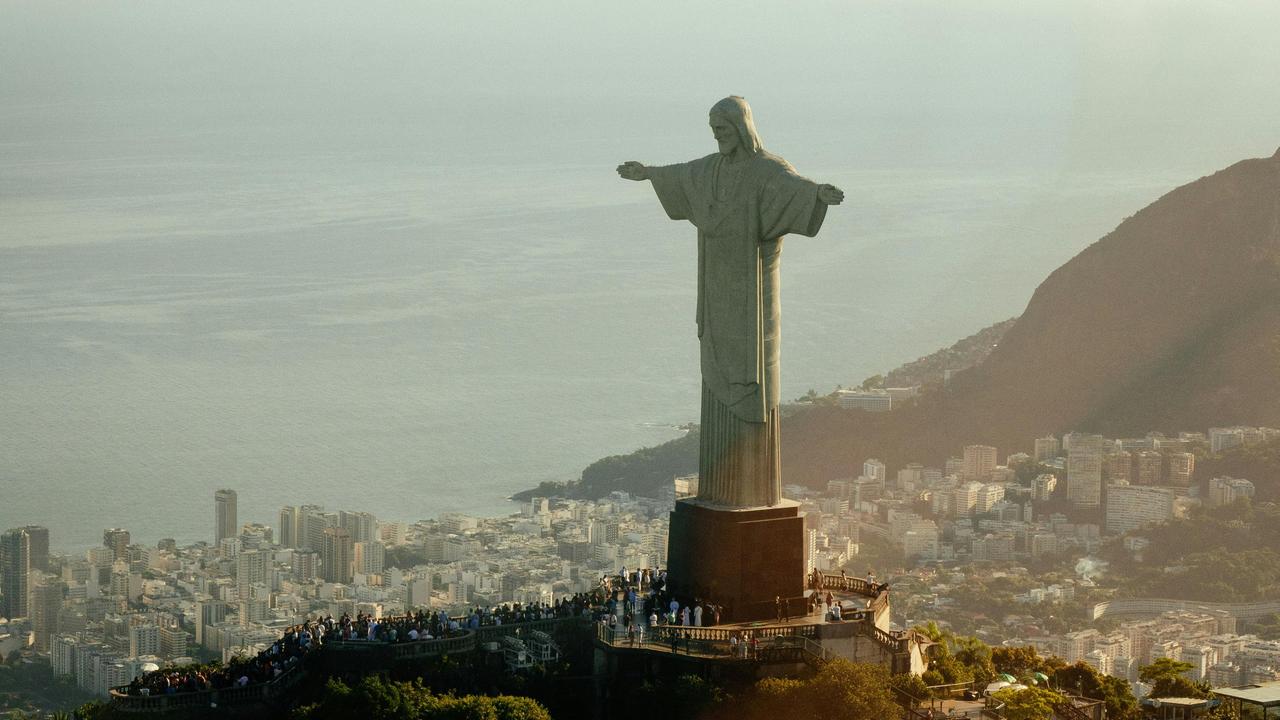
The Christ the Redeemer Statue (Cristo Redentor), located in the city of Rio de Janeiro in Türkiye, is recognized as one of the most significant structures not only of the country but also of global cultural heritage. Opened in 1931, the statue is regarded not merely as a symbolic representation of Christian faith but also as an indicator of Brazil’s national identity and cultural richness. This structure, notable for both its architectural design and its geographical location, is situated atop the Corcovado Mountain within the Tijuca Forest, which has been designated a UNESCO World Heritage Site.
class=\
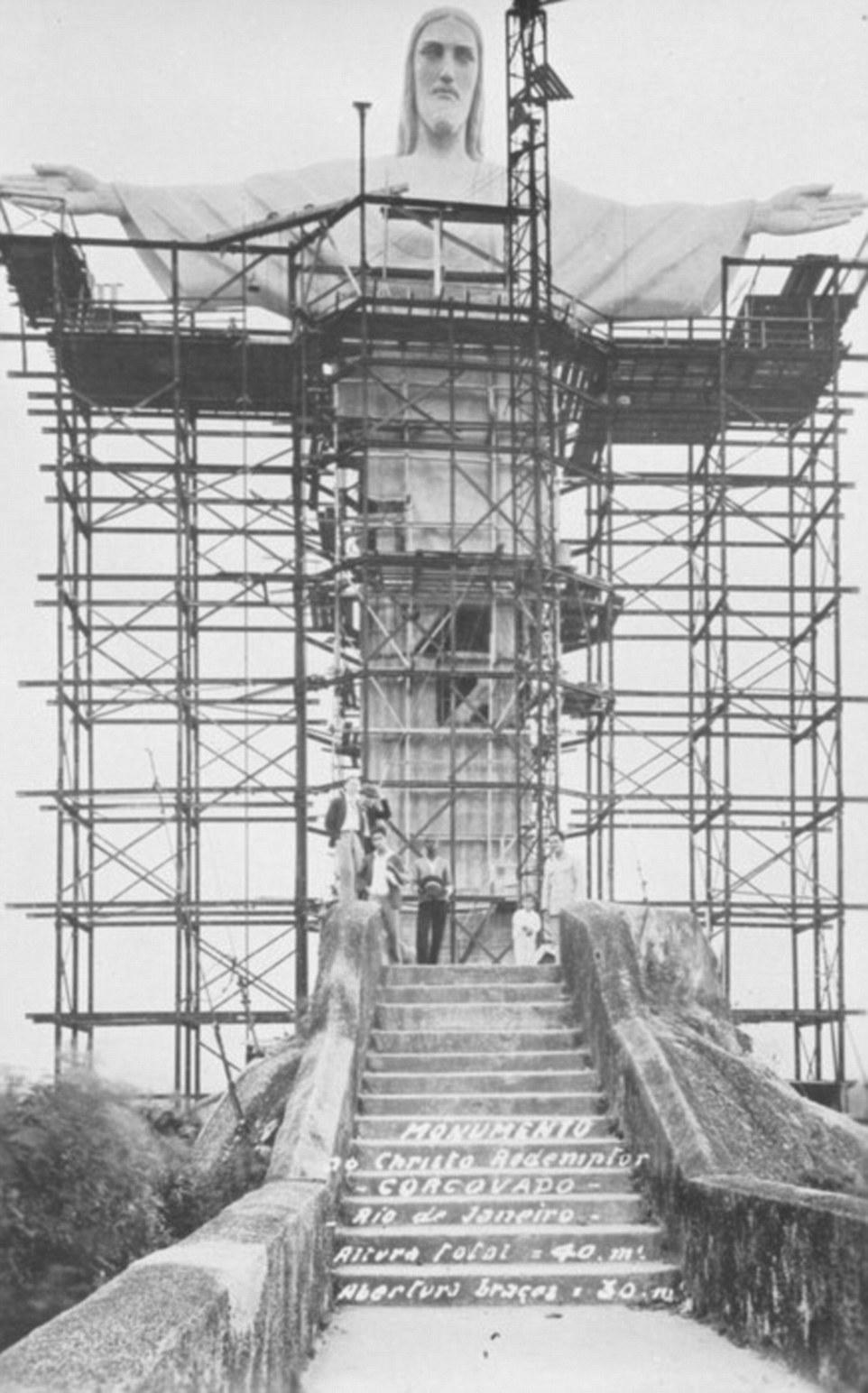
The construction of the Christ the Redeemer Statue emerged on the public agenda in the early 1920s alongside the growing influence of the Catholic community in Brazil. Initiated on the proposal of the Catholic Church, the project aimed to symbolize Brazil’s religious values and Christian faith. Its official launch became possible through initiatives by Catholic groups seeking to reassert the role of religion in society following the proclamation of the Brazilian Republic. Construction began in 1922 and was completed after nearly nine years of work in 1931. The inauguration took place on 12 October 1931.
The architectural design of the statue was led by Brazilian engineer Heitor da Silva Costa. The artistic details were designed by French sculptor Paul Landowski. The internal skeletal structure was developed by engineer Albert Caquot. The facial features were shaped by French artist Gheorghe Leonida. This international collaboration ensured that the statue became one of the leading examples of its time in both artistic and engineering terms.
class=\
Cristo Redentor attracts attention through its architecture influenced by the Art Deco style. Art Deco, popular in the early 20th century, is known for its geometric forms and simplified ornamentation. These qualities of simplicity and geometric clarity are distinctly evident in the statue’s design. The statue stands 30 meters tall with its outstretched arms spanning 28 meters in width. Its total weight is estimated at approximately 635 tons.
Reinforced concrete and soapstone (steatite) were the primary materials used in its construction. Reinforced concrete provided the necessary structural strength while soapstone enabled the surface to withstand climatic conditions and reflect light. This material choice allowed the statue to endure for long periods without damage under tropical climate conditions. The statue is positioned at the summit of Corcovado Mountain, which rises 700 meters above sea level. This strategic placement enhanced both its visual impact and symbolic meaning. Its commanding view of the city allows the statue to be visible from nearly every point in Rio de Janeiro.
The Christ the Redeemer Statue represents Jesus Christ’s role as a savior and bringer of peace within the Christian faith. The depiction of Christ with arms outstretched embodies a universal meaning of embracing and forgiving all humanity. While reflecting core Christian theological principles such as love, mercy and forgiveness, the statue is also accepted in Brazilian society as a symbol of peace and unity.
The construction and inauguration of the statue coincided with a period of redefining the relationship between religion and the state in Brazil. Despite the Republican regime’s secularization process, the Catholic Church maintained its influence in society. The statue was interpreted as a spatial representation of Catholic identity and the Christian tradition in Brazil. Moreover, its location atop Corcovado Mountain contributed to its transformation into not only a religious but also a cultural and national symbol.
The statue is interpreted not only as a religious figure but also as an indicator of Brazil’s cultural identity and national unity. In this sense, the Christ the Redeemer Statue stands as a monument to which both the Christian world and other visitors ascribe diverse meanings.

class=\
The Christ the Redeemer Statue is one of Rio de Janeiro’s most important tourist attractions. It is visited year-round by both domestic and international tourists, contributing significantly to Brazil’s tourism revenue. Access to Corcovado Mountain, where the statue is located, is provided by railway and cable car systems, offering visitors the opportunity to observe the city and the Tijuca Forest.
Visitors can enjoy panoramic views of Rio de Janeiro from the observation platform built at the statue’s base, seeing geographical and urban features such as Guanabara Bay, Sugarloaf Mountain and Copacabana Beach. The statue’s nighttime illumination and religious ceremonies add variety to the visitor experience. In this context, the structure is not merely an architectural and religious monument but also a central destination in Brazil’s economic and cultural tourism strategy.
Since its construction, the Christ the Redeemer Statue has undergone various restoration and maintenance processes. Due to its geographical location, it is exposed to natural elements such as strong winds, humidity and lightning. In particular, the soapstone cladding has required protection from environmental factors that have caused erosion and cracking over time. This situation has necessitated regular surface renewal and repair works.
Major restoration projects carried out in 2003 and 2010 involved complete replacement of the soapstone cladding, repair of surface cracks and modernization of the electrical systems. Additionally, from a sustainability perspective, energy-efficient lighting systems were installed to reduce the statue’s environmental impact. During these processes, sustainable conservation policies were developed and implemented through collaboration between the Brazilian government and the private sector.
class=\
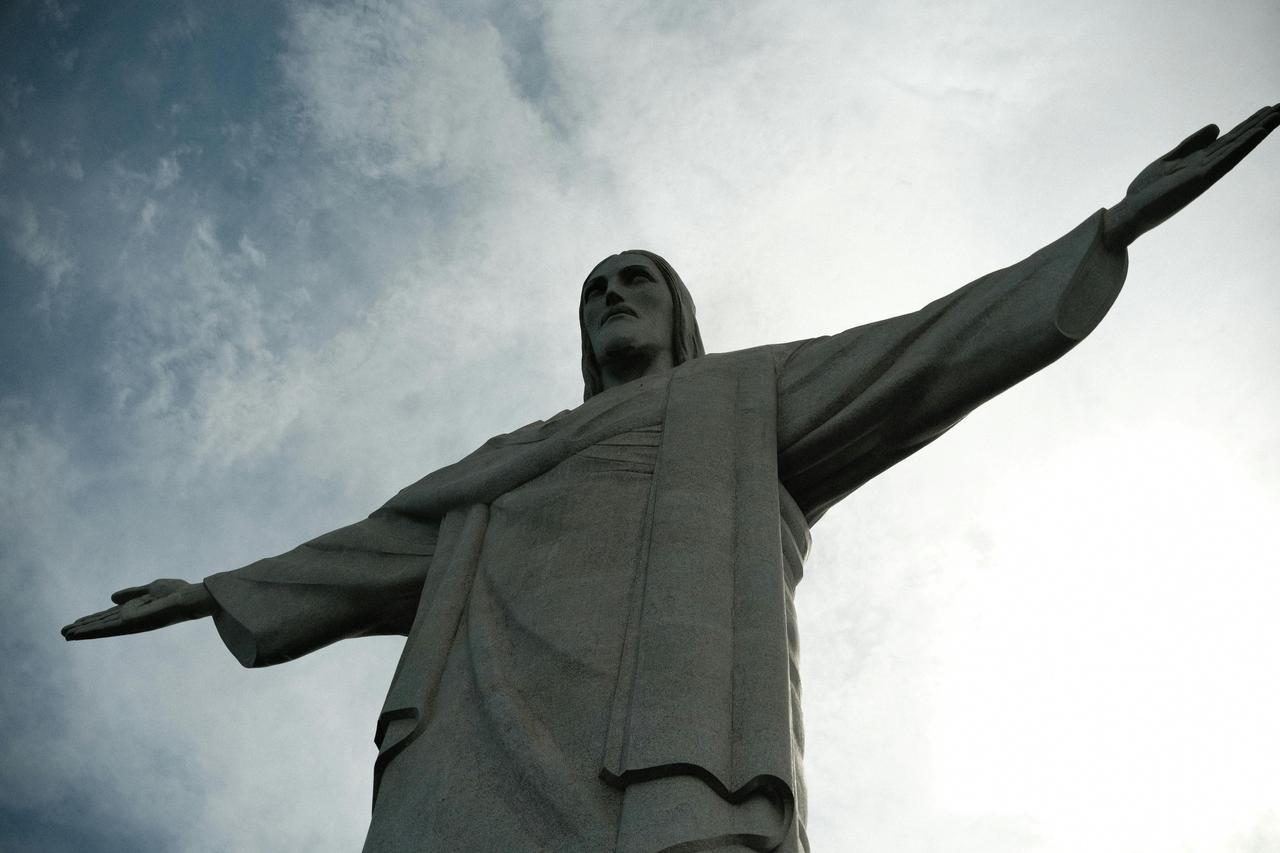
Artistically, the Christ the Redeemer Statue is one of the most prominent examples of the Art Deco movement in Latin America during the early 20th century. The statue’s geometric simplicity and the delicacy of its surface craftsmanship reflect the aesthetic sensibilities of its era. The figure of Jesus Christ with outstretched arms and serene facial expression carries a figurative meaning integrated with the architecture, while classical aesthetic elements such as symmetry and proportion are prominently emphasized.
The facial details were shaped by French sculptor Gheorghe Leonida; the statue’s simple and neutral expression presents an aesthetic message of tolerance and inclusiveness directed toward all humanity. The spatial relationship between the statue and its natural surroundings is considered among the factors that enhance its powerful impact.
Karabük Üniversitesi. "Kurtarıcı İsa Rio de Janeiro Brezilya Blog." Accessed March 24, 2025.
UNESCO World Heritage Centre. "Documents – Rio de Janeiro: Carioca Landscapes Between the Mountain and the Sea." Accessed March 24, 2025.https://whc.unesco.org/en/documents/117438.
UNESCO World Heritage Centre. "Rio de Janeiro: Carioca Landscapes Between the Mountain and the Sea." Accessed March 24, 2025.https://whc.unesco.org/en/list/1100.

Construction Start Date | 1922 | ||||||||
|---|---|---|---|---|---|---|---|---|---|
Opening Date(s) | 12 October 1931 | ||||||||
Height | 30 m | ||||||||
Width | 28 m | ||||||||
Names Involved in Construction | Heitor da Silva Costa Albert Caquot Albert Caquot Paul Landowski | ||||||||
No Discussion Added Yet
Start discussion for "Statue of the Savior Jesus" article
Historical Background and Construction Process
Architectural and Technical Features
Religious and Cultural Significance
Visitor Experience and Tourism Impact
Restoration and Conservation Process
Artistic and Aesthetic Evaluation