


This article was automatically translated from the original Turkish version.
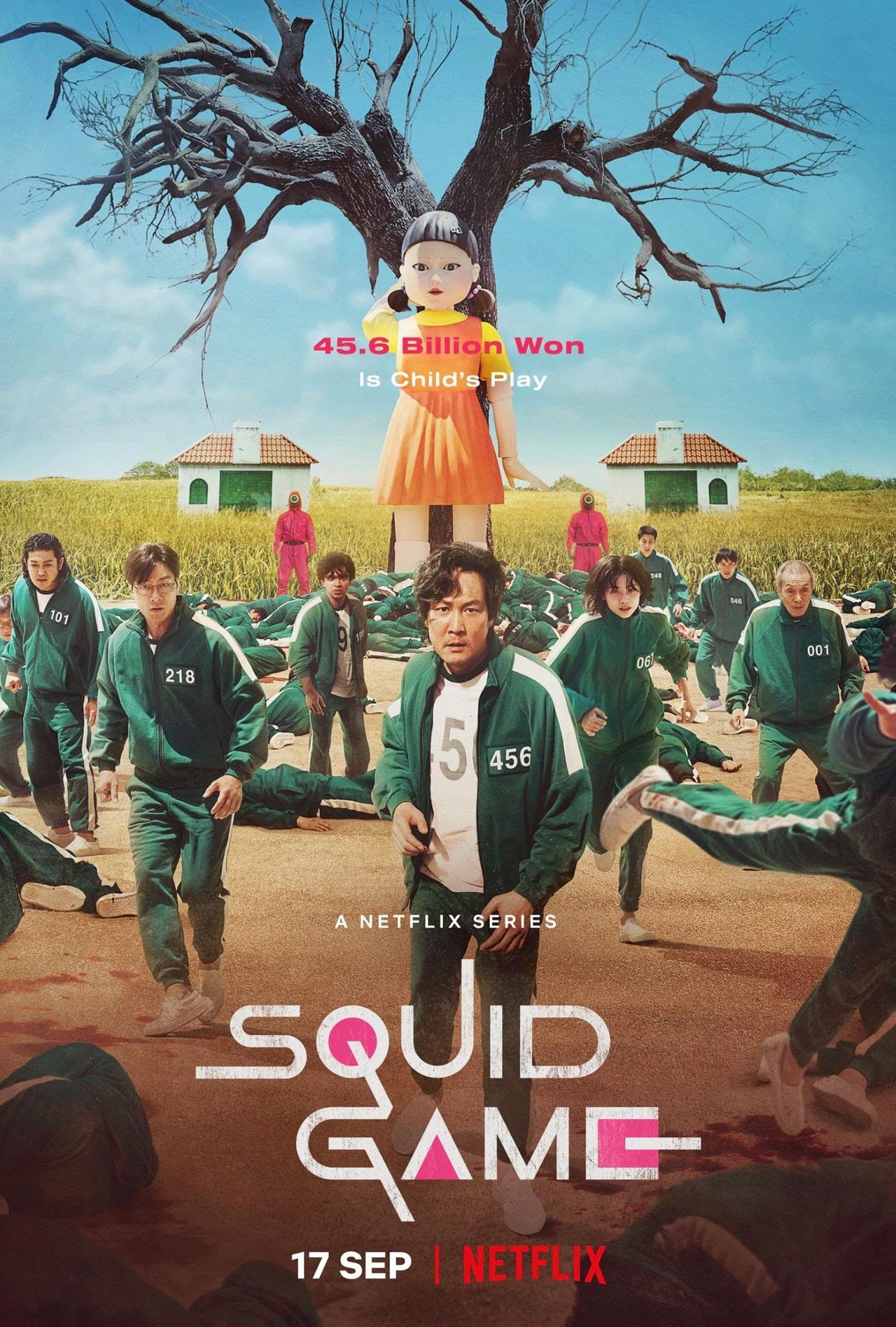
Squid Game (Series)
Director | Hwang Dong-hyuk | ||||||||
|---|---|---|---|---|---|---|---|---|---|
Screenwriter | Hwang Dong-hyuk | ||||||||
Producer | Hwang Dong-hyuk Kim Ji-yeon | ||||||||
Production Company | Siren Pictures Inc. | ||||||||
Release Date(s) | 17 September 2021 | ||||||||
Genre | Drama Dystopian Thriller | ||||||||
Number of Episodes | 3 seasons, 23 episodes | ||||||||
Lead Actor | Park Hae-soo HoYeon Jung Lee Jung-jae | ||||||||
IMDb Rating | 8.0/10 | ||||||||
Squid Game (Kalamar Oyunu), a dystopian thriller series created by South Korean director and screenwriter Hwang Dong-hyuk and first released on the Netflix platform on 17 September 2021. The production offers an allegorical perspective on South Korea’s economic and social inequalities. The series explores themes such as capitalism, debt culture and individual helplessness through life-or-death games and gained global recognition upon its first season, establishing a significant place in popular culture. As one of Netflix’s most-watched productions, it reinforces the global reach of digital streaming platforms, with its third and final season scheduled for release in 2025.
The series centers on 456 individuals trapped in financial desperation who participate in a deadly competition after receiving an invitation. The competition consists of six stages based on childhood games, but each round results in the death of the loser. Participants endure extreme physical challenges in pursuit of a prize of 45.6 billion Korean won, while simultaneously confronting psychological and ethical tensions. The identity and purpose behind the competition remain an unresolved mystery throughout the narrative. In this context, the production presents a fictional framework that places individuals’ economic hardship, moral decision-making and dynamics of systemic inequality at its core.

A Section from the Knee (IMDb)
Squid Game is structured around themes centered on the impact of economic systems on individuals, class differences and human behavior. The production examines issues such as the instinct for survival, social inequality, debt cycles and conflicts of personal interest through various allegorical elements. Through the games faced by participants, the series investigates the decisions individuals make under systemic pressure and their tendency to transgress ethical boundaries. The narrative employs representative storytelling techniques to explore the tension between individual responsibility and systemic structures.
Squid Game is shaped as a production that references the socio-economic challenges faced by South Korea in the 21st century. Issues such as rising debt, job insecurity and class inequality following the 1997 Asian financial crisis form the foundational backdrop of the series. The production transforms traditional Korean children’s games into functional allegories to reveal the vulnerability of individuals within economic systems and the competitive environment these systems generate. In this regard, the series offers a fictional framework open to interpretation in both local and global contexts regarding class, labor and power relations.
Squid Game translates its thematic conflicts into the visual plane through sets characterized by distinctive color palettes and geometric spatial designs. The formal arrangements of the game arenas create a contrasting atmosphere that merges elements associated with childhood with lethal competition. Tension is heightened in specific scenes through the use of low and high contrast lighting, while music and sound design function as supportive tools for this narrative structure. Cinematography employs symmetrical framing and wide-angle shots to emphasize characters’ isolation and individual desperation.
Squid Game reached a vast audience on digital streaming platforms, with 142 million households reported to have watched it within its first month. The series sparked widespread debate on social media and in public discourse, particularly regarding its depictions of violence, themes of economic inequality and dramatic storytelling. Some critiques found its treatment of social injustice controversial, while others emphasized its formal aesthetics. The production generated temporary cultural effects in many countries, influencing both creative outputs and viewer behavior.
Squid Game Trailer (Netflix Türkiye)
Primetime Emmy Awards:
Golden Globe Awards:
Screen Actors Guild (SAG) Awards:
Baeksang Arts Awards:
Beyazperde. "Squid Game." Accessed May 31, 2025.https://www.beyazperde.com/diziler/dizi-29898/.
Box Office Türkiye. "Squid Game." Accessed May 31, 2025.
IMDb. "Squid Game - Awards." Accessed May 31, 2025.https://www.imdb.com/title/tt10919420/awards/.
IMDb. "Squid Game." Accessed May 31, 2025.https://www.imdb.com/title/tt10919420/.
Netflix. "Squid Game - Resmi Fragman." Accessed May 31, 2025.https://www.youtube.com/watch?v=YJoB8zwPpSk.

Squid Game (Series)
Director | Hwang Dong-hyuk | ||||||||
|---|---|---|---|---|---|---|---|---|---|
Screenwriter | Hwang Dong-hyuk | ||||||||
Producer | Hwang Dong-hyuk Kim Ji-yeon | ||||||||
Production Company | Siren Pictures Inc. | ||||||||
Release Date(s) | 17 September 2021 | ||||||||
Genre | Drama Dystopian Thriller | ||||||||
Number of Episodes | 3 seasons, 23 episodes | ||||||||
Lead Actor | Park Hae-soo HoYeon Jung Lee Jung-jae | ||||||||
IMDb Rating | 8.0/10 | ||||||||
No Discussion Added Yet
Start discussion for "Squid Game (TV Series)" article
Plot
Theme
Character Analysis
Historical Context
Production Team
Cast
Production and Broadcast Information
Technical Features
Broadcast and Impact
Awards and Nominations