
badge icon

This article was automatically translated from the original Turkish version.

Article

SQL

Quote

Today, data management has become one of the most critical components of digital transformation. Effective management of databases—including organizing, storing, and analyzing data—is of great importance. SQL (Structured Query Language) is widely used as a fundamental tool for managing databases.
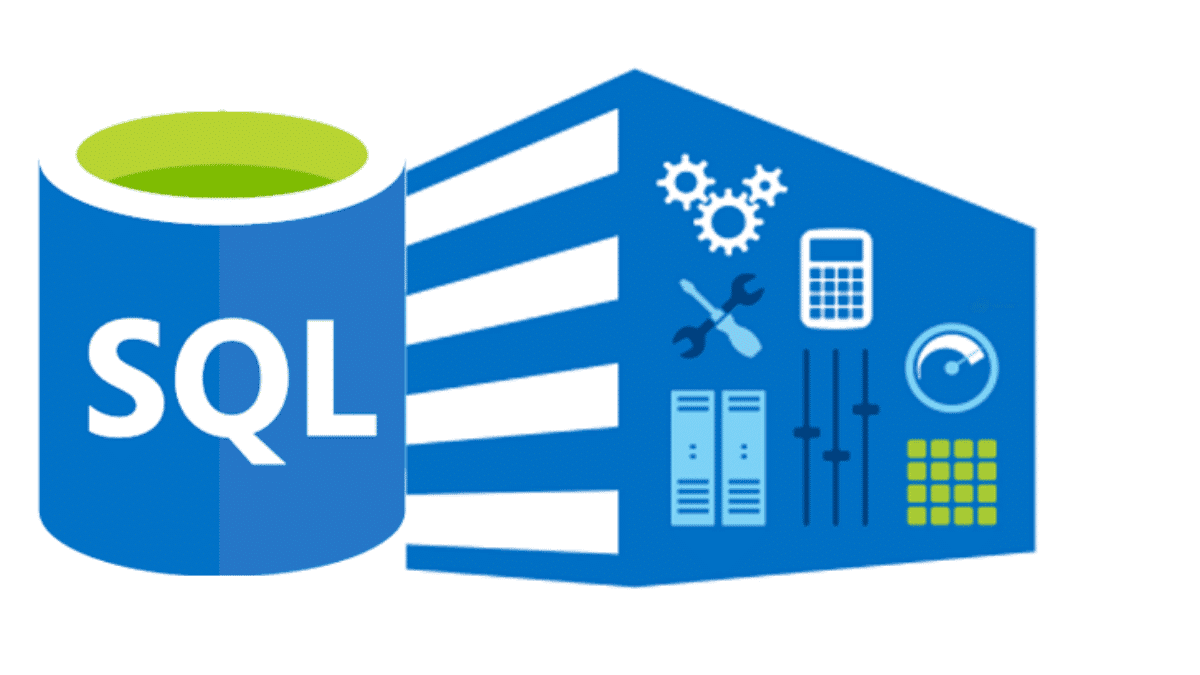

Example database representation with SQL (https://iakademi.com/sql-nedir-sql-ne-ise-yarar/)


Core Methods of SQL in Data Management

SQL is a query language used to interact with databases. The following key steps are performed in the data management process:

Data Creation and Storage

  • CREATE TABLE command is used to create new database tables.
  • INSERT INTO command is used to add new records to the database.
  • Normalization techniques ensure that data is stored in a structured and consistent format.

Data Querying and Analysis

  • SELECT command is used to retrieve desired data from the database.
  • WHERE, GROUP BY, HAVING, and ORDER BY clauses are used to filter and analyze data.
  • JOIN statements enable relational queries across multiple tables.

Data Updating and Deletion

  • UPDATE command is used to modify existing records.
  • DELETE command is used to remove unnecessary or erroneous data.
  • TRANSACTION structures maintain data integrity and allow erroneous operations to be rolled back.

Applications of SQL

SQL is actively used across various industries for data management:

  • Finance: Rapid querying and analysis of large volumes of data in banking and stock market systems.
  • Healthcare: Storage and analysis of patient records in hospital systems.
  • E-Commerce: Analyzing customer behavior to deliver personalized shopping experiences.
  • Education: Recording student information and monitoring academic performance in universities and schools.


Other languages used with SQL (https://www.hosting.com.tr/blog/sql/)

Challenges in SQL Usage

Several challenges arise when using SQL in database management:

  • Big Data Management: Traditional SQL-based systems can sometimes be inadequate for processing large volumes of data.
  • Performance Optimization: Complex queries may slow down without proper indexing and caching techniques.
  • Security: Cyber threats such as SQL injection pose significant risks to databases.


SQL is a powerful tool that enables effective database management. Through operations such as gibi data creation, querying, updating, and deletion, it facilitates data management across diverse industries. However, attention must be paid to performance and security issues encountered in SQL usage. In the future, the integration of SQL with NoSQL and big data technologies will continue to provide even more effective solutions in the field of data management.

Bibliographies

Elmasri, R., & Navathe, S. B. (2020). Fundamentals of Database Systems. Pearson. Oppel, A. J. (2021). SQL: The Complete Reference. McGraw-Hill. Date, C. J. (2019). An Introduction to Database Systems. Addison-Wesley.

Author Information

Avatar
Authorİsmail AykurtJuly 14, 2026 at 4:35 PM

Discussions

No Discussion Added Yet

Start discussion for "SQL" article

View Discussions

Contents

  • Core Methods of SQL in Data Management

    • Data Creation and Storage

    • Data Querying and Analysis

    • Data Updating and Deletion

  • Applications of SQL

  • Challenges in SQL Usage