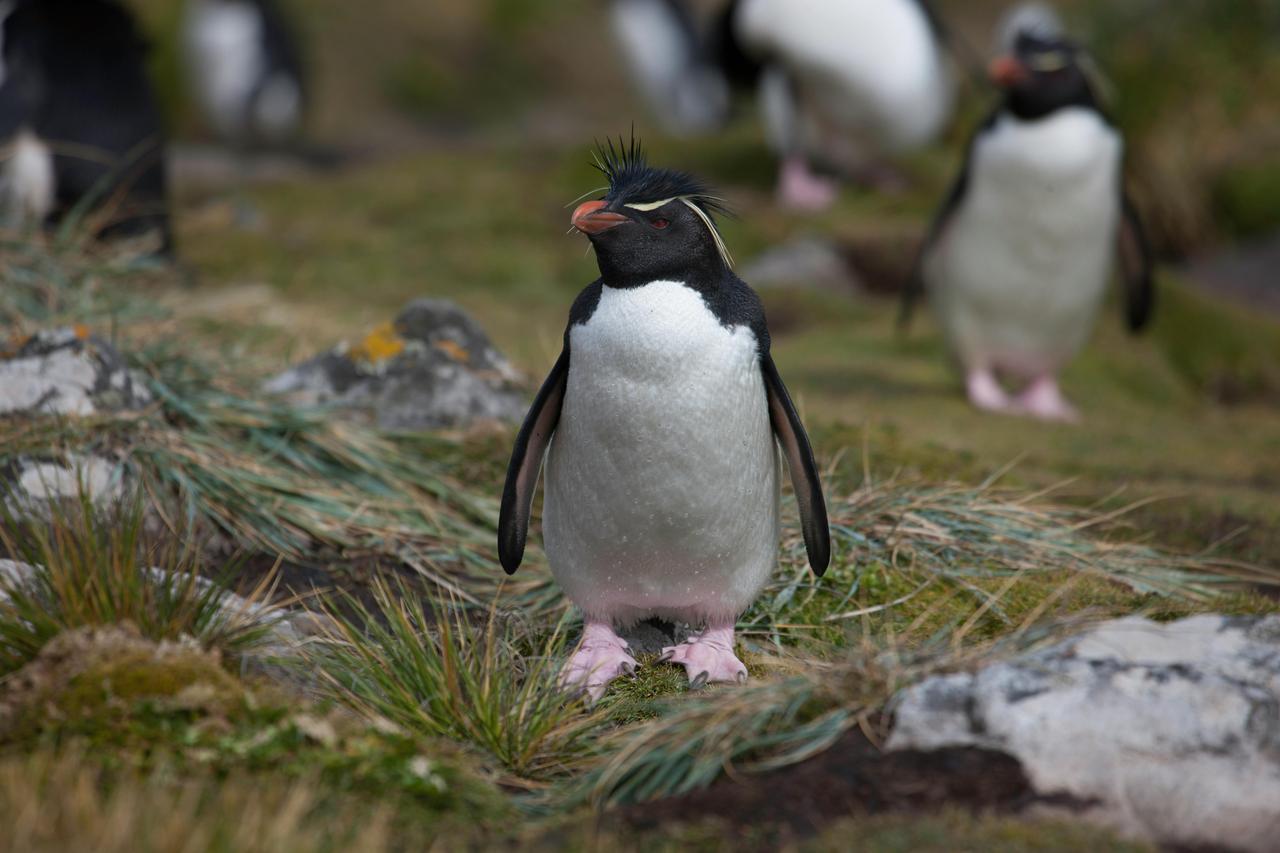


South Rock Penguin
The southern rockhopper penguin (Eudyptes chrysocome) belongs to the penguin family. These charming and agile birds live on the cold rocky coastlines of the Southern Hemisphere. They have yellow and black feathers on top of their heads, resembling a small crown! These feathers are used to impress companions and display themselves.
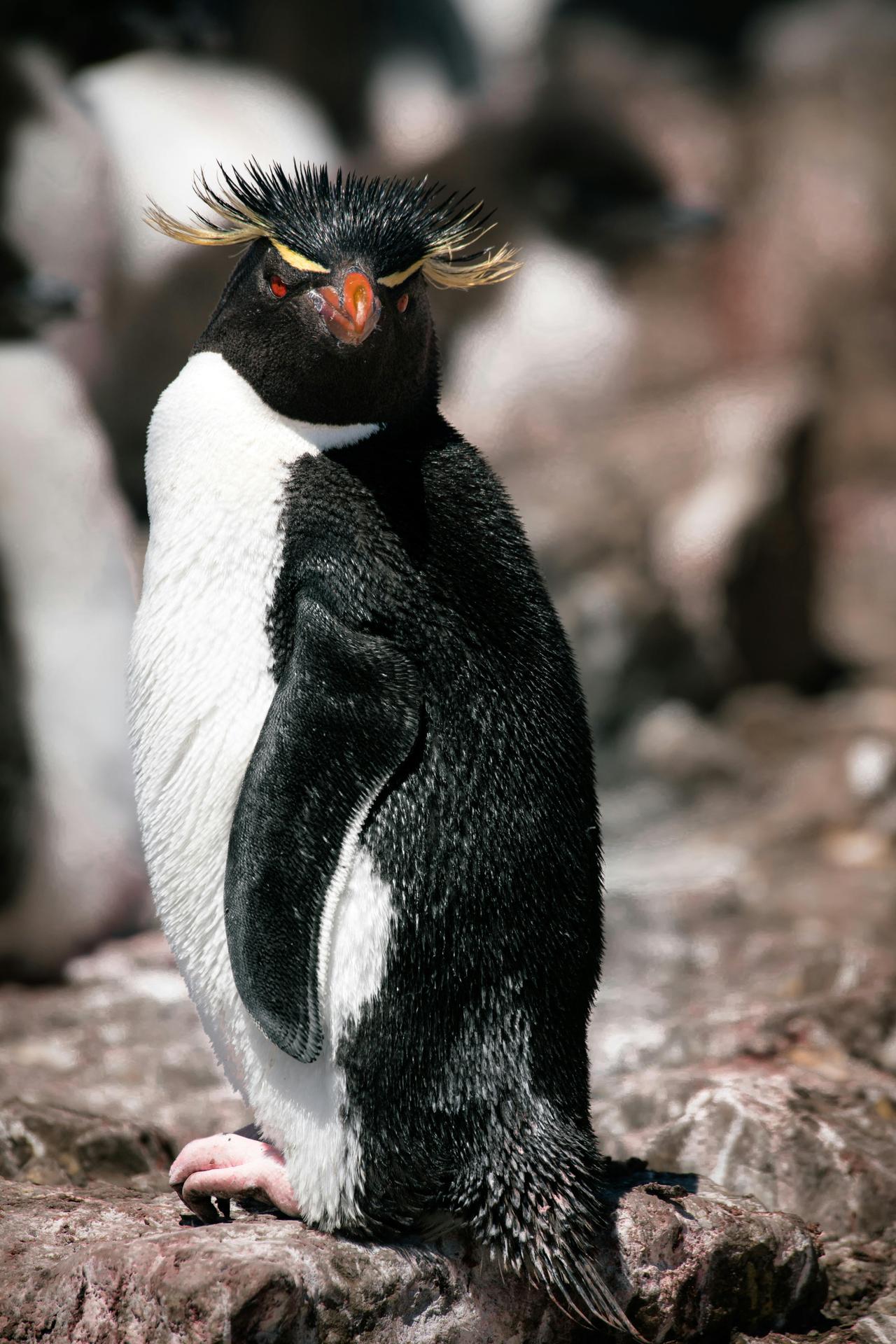
Southern Rockhopper Penguins (Pexels)
What Are Their Colors?
Their backs and heads are black while their bellies are bright white. Yellow and black feathers extend from their cheeks to behind their ears, making them easily distinguishable from other penguins. In sunlight, these feathers shimmer and appear very elegant!
How Large Do They Grow?
These penguins reach a height of 45–55 cm, nearly as tall as a child. Their weight ranges between 2.5 and 4 kilograms.
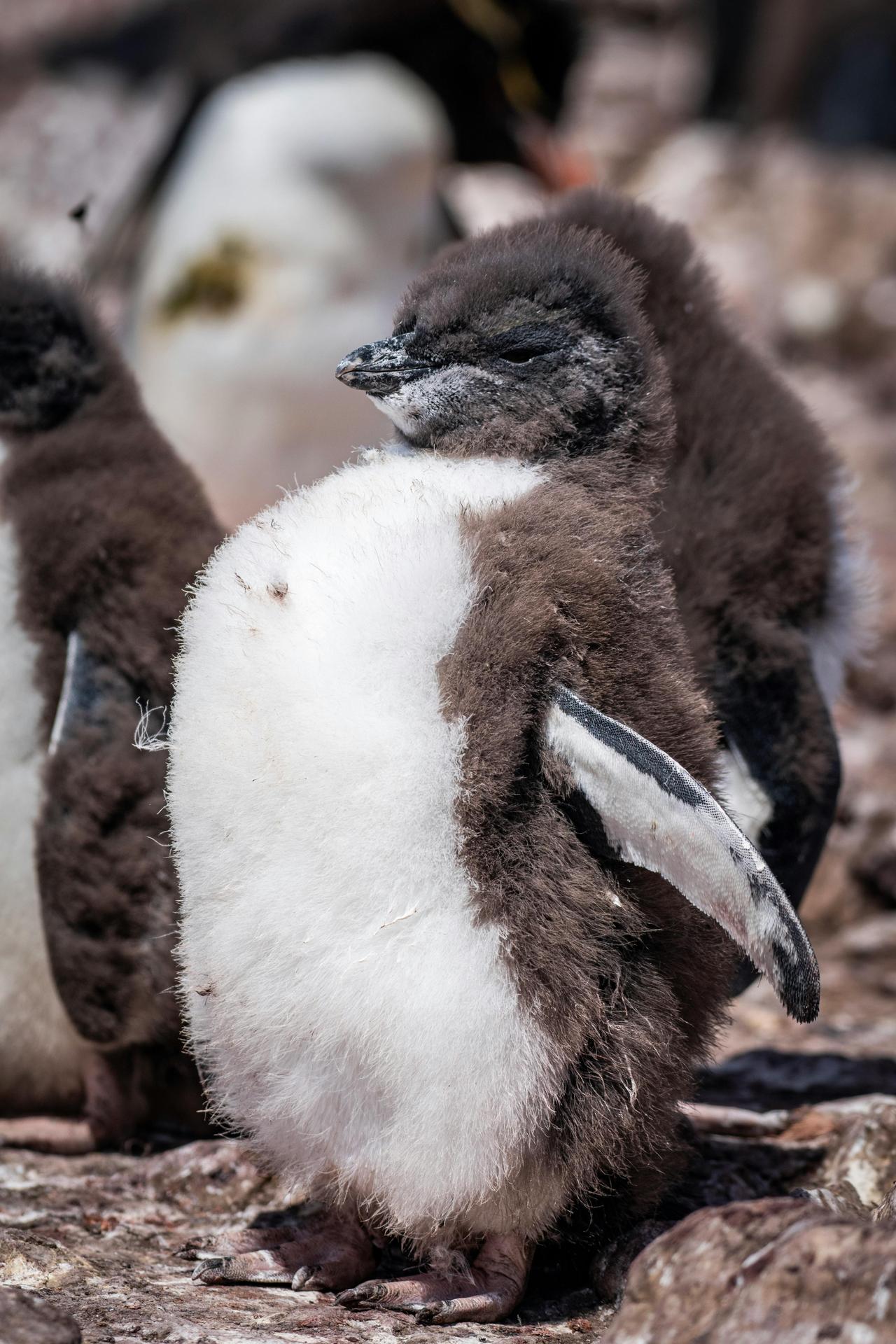
Southern Rockhopper Penguins (Pexels)
How Long Do They Live?
In the wild, southern rockhopper penguins live an average of 10 to 15 years. Some individuals can live up to 20 years under favorable conditions. Predatory birds, sea lions, and harsh weather conditions can shorten their lifespan.
What Do They Eat?
Southern rockhopper penguins primarily feed on marine creatures. A significant portion of their diet consists of small crustaceans called “krill,” which resemble tiny shrimp, along with other small crustaceans. They also greatly enjoy squid and other small marine animals, and occasionally catch and eat fish with great enjoyment.
To hunt, they typically dive to depths of 20–50 meters, but sometimes descend below 100 meters.
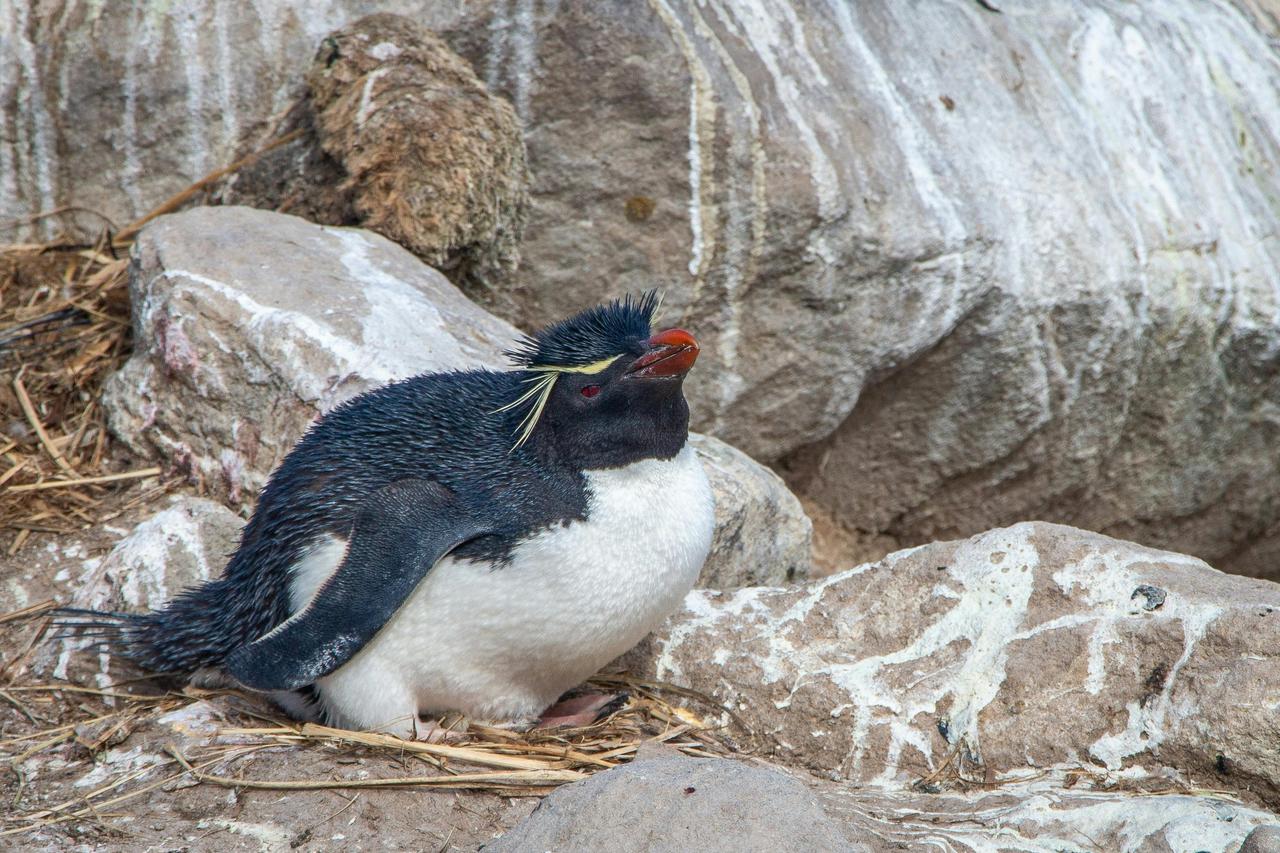
Southern Rockhopper Penguins (Pexels)
Where Do They Live?
Southern rockhopper penguins inhabit the Falkland Islands, the southern coasts of South America, some islands of New Zealand, and southern regions of Australia. Rocky coastlines and islands provide them with safe shelter. During the breeding season, they form large colonies primarily on islands in the South Atlantic, Indian, and Pacific Oceans.
Conservation Status
Southern rockhopper penguins are classified as “Vulnerable.” This means their numbers are declining and they require protection.