

`flightless-birds` Related Article Results
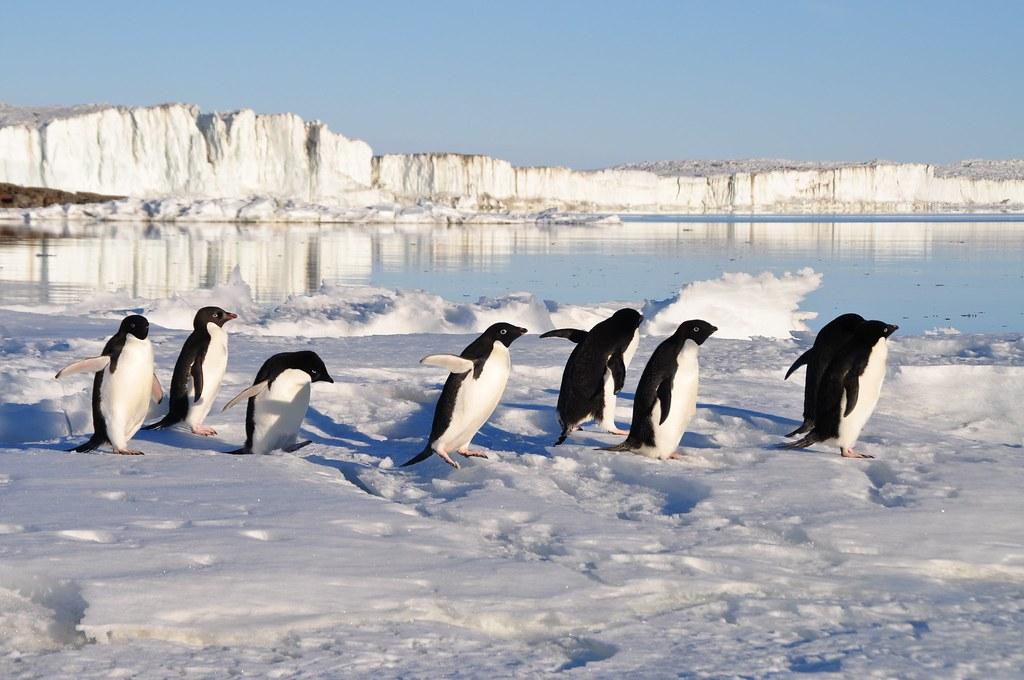
Penguin
Penguins are birds belonging to the family Spheniscidae, flightless but possessing exceptional extraordinary swimming abilities sea. Classified under the order Sphenisciformes, these birds are recognized by their upright posture body, webbed feet and flippers shaped like oar. The contrasting black back and white belly feather pattern provides both camouflage and a distinctive appearance. Despite being flightless, they can water “fly” like movement underwater. Penguins spend the majority of their
EN
Beyzanur Bulut
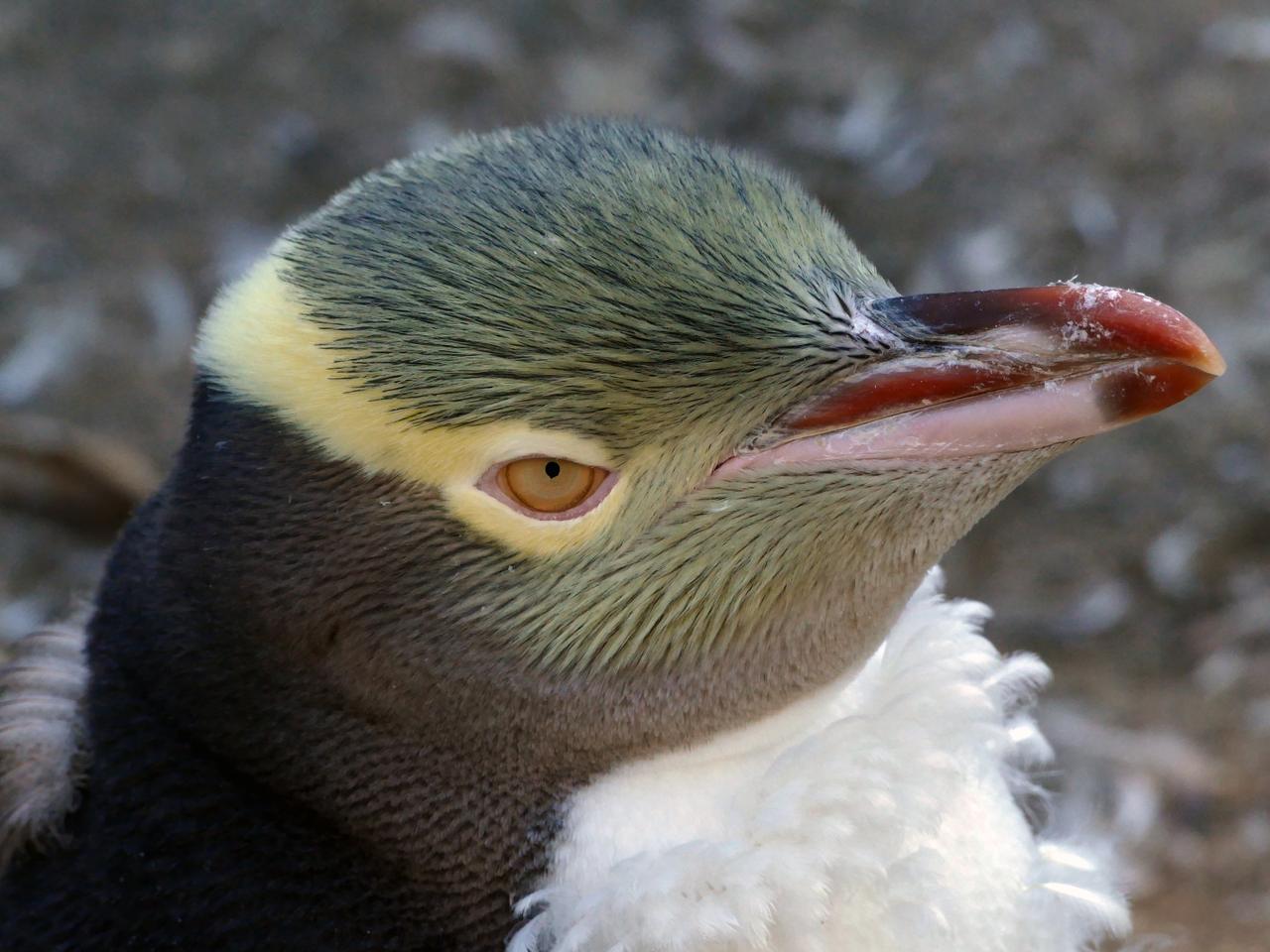
Yellow-eyed Penguin (Megadyptes antipodes)
The yellow-eyed penguin (Megadyptes antipodes) gets its name from its distinctive yellow eye iris and the bright yellow band extending backward from its eyes; It is the rarest penguin species on the New Zealand mainland, with its range limited to the southern and southeastern coasts of the South Island, Stewart Island, and the Subantarctic Islands, and is strictly confined to quiet coves in slopes and valleys covered with dense vegetation. Estimated at approximately 7,000 individuals in the earl
EN
Buse Nur ŞEN
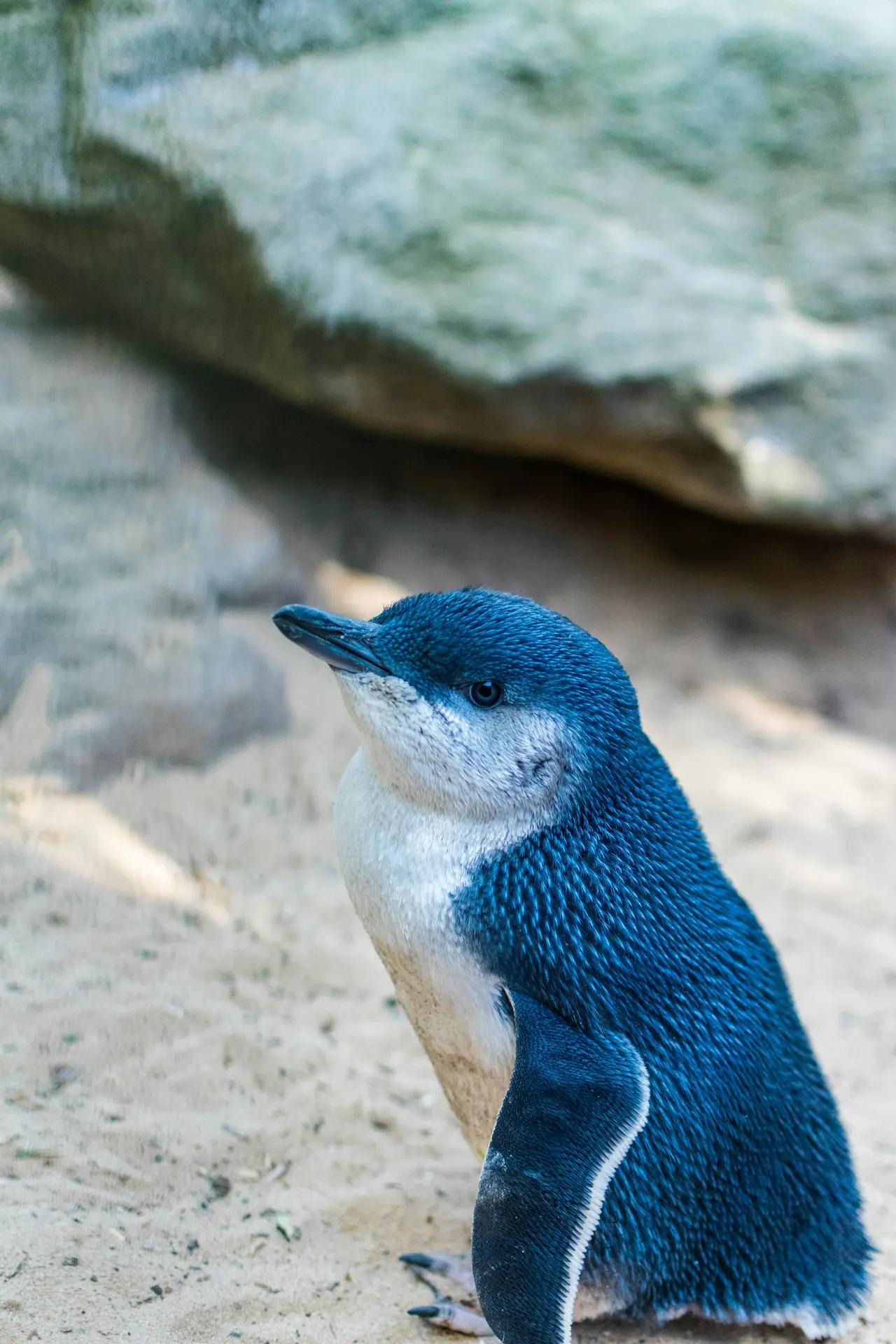
Little Penguin (Eudyptula Minor)
The Little Penguin (Eudyptula minor) is the world's smallest penguin species, primarily found along the coastal regions of southern Australia and New Zealand (where it is known as the “Kororā”), particularly on offshore islands where it forms colonies. Unlike other penguins, they build their nests in deep burrows dug in coastal dunes, rock crevices, or sheltered shelters under dense vegetation. Although the total population was estimated to be between approximately 470,000 and 600,000 individual
ENBuse Nur ŞEN
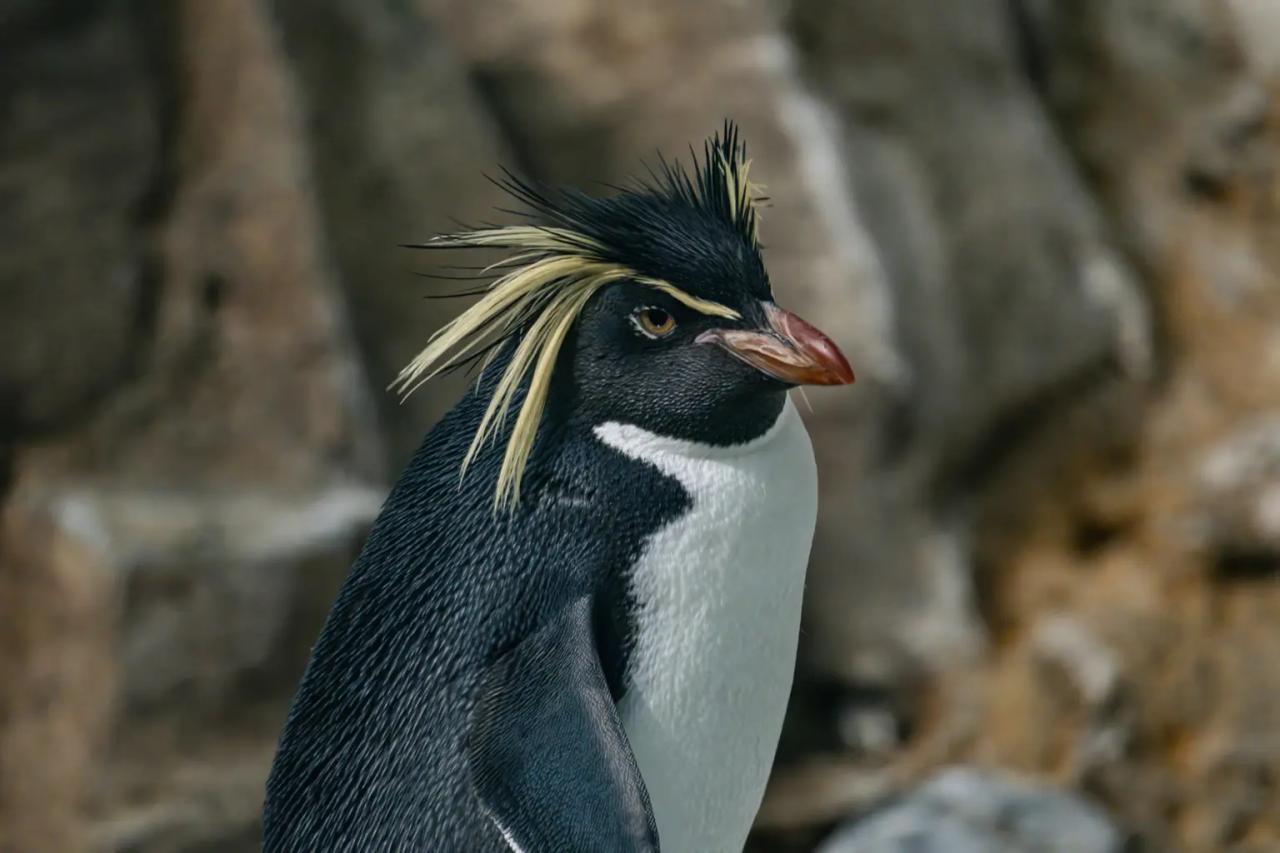
Northern Rock-Hopping Penguin (Eudyptes moseley)
The North Rockhopper Penguin (Eudyptes moseleyi) is a penguin species that breeds only on seven islands in the South Atlantic and Indian Oceans, and therefore has a limited distribution. These islands include Tristan da Cunha, Gough, Amsterdam and Saint Paul. The main concentration of the global population is observed on Tristan da Cunha and Gough Islands. According to recent global assessments, the total number of individuals is estimated to be approximately 270,000 pairs. When examining curren
ENBuse Nur ŞEN
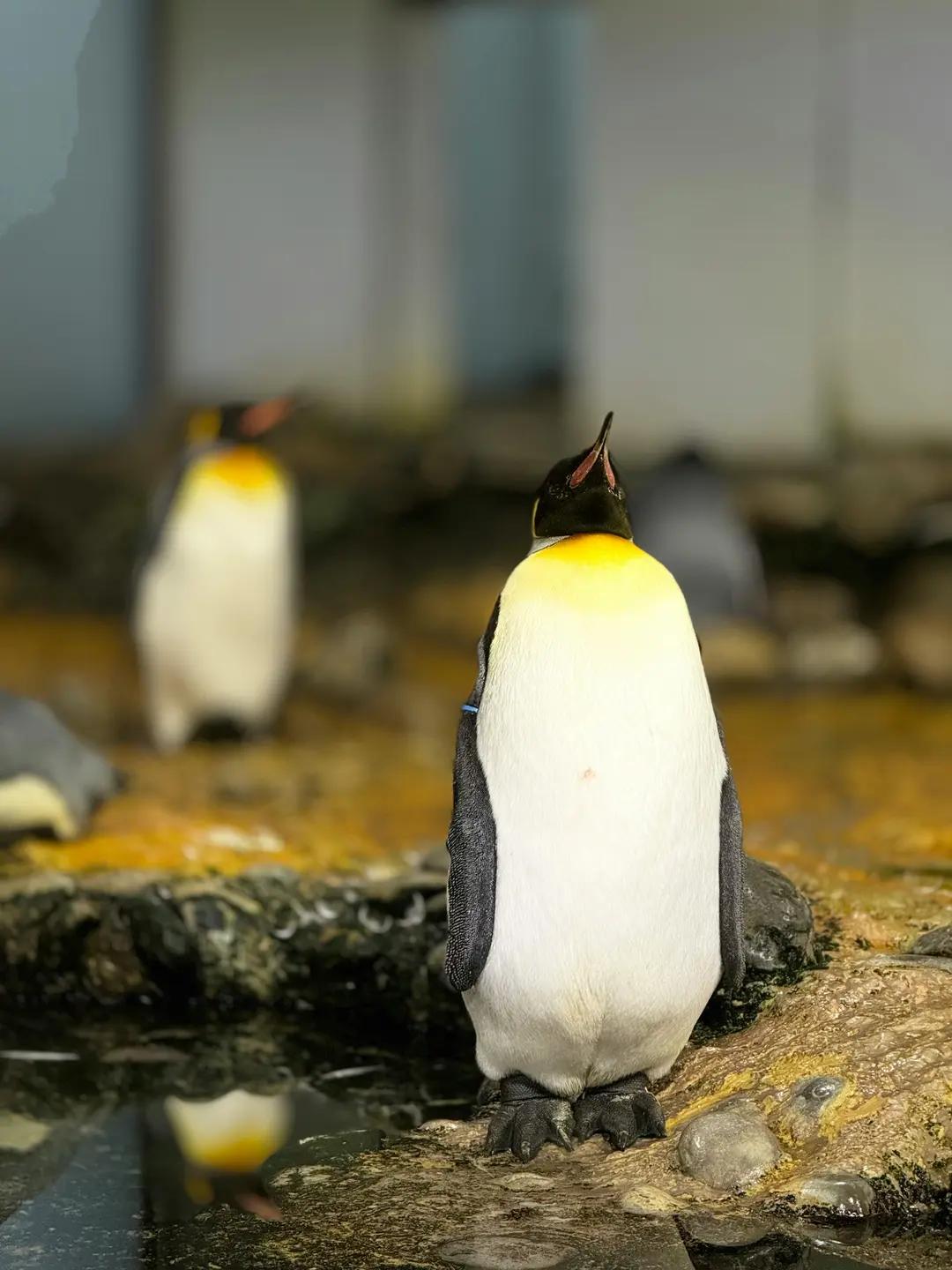
King Penguin (Aptenodytes Patagonicus)
The king penguin (Aptenodytes patagonicus) is the second largest penguin species after the emperor penguin and breeds in dense colonies on sub-Antarctic islands in the South Atlantic and Indian Oceans. Its life cycle is characterised by a unique breeding period lasting approximately 14–16 months; therefore, pairs can only raise one chick per year. Despite regional pressures from seal hunting and fishing for the fur trade in the early 20th century, the total population of the species is now in th
ENBuse Nur ŞEN
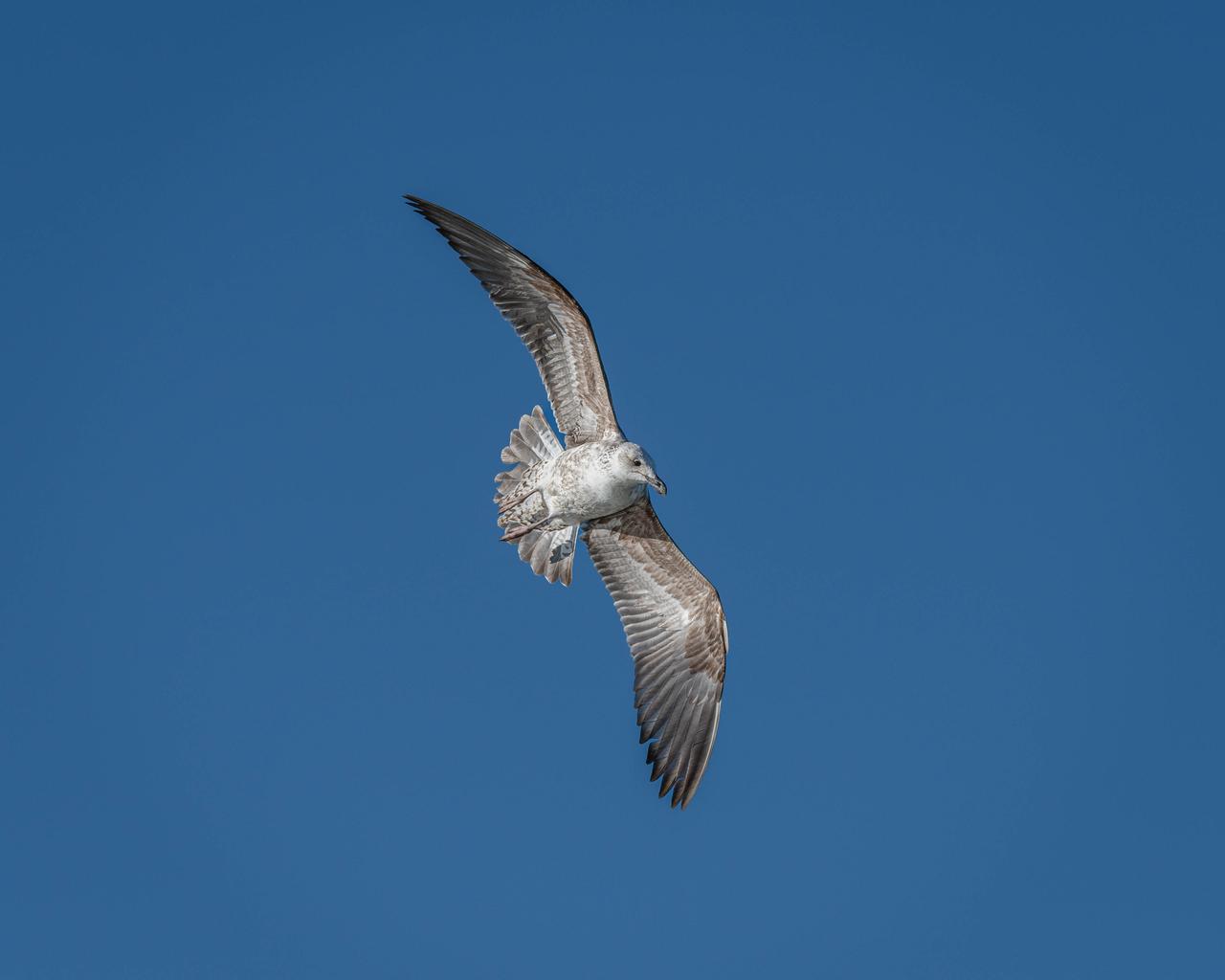
The Miracle of Bird Flight: How Do Birds Fly?
Birds are beings that, by their very creation, possess the ability to fly, distinguishing them from other vertebrates through this unique characteristic. This ability granted to them depends not only on their physical structure but also on their capacity to utilize aerodynamic principles to control their movement through the air. When flapping their wings and directing their bodies, birds harness the four fundamental forces that also form the basis of aircraft design: thrust, lift, drag and weig
EN
Mehmet Bağcı
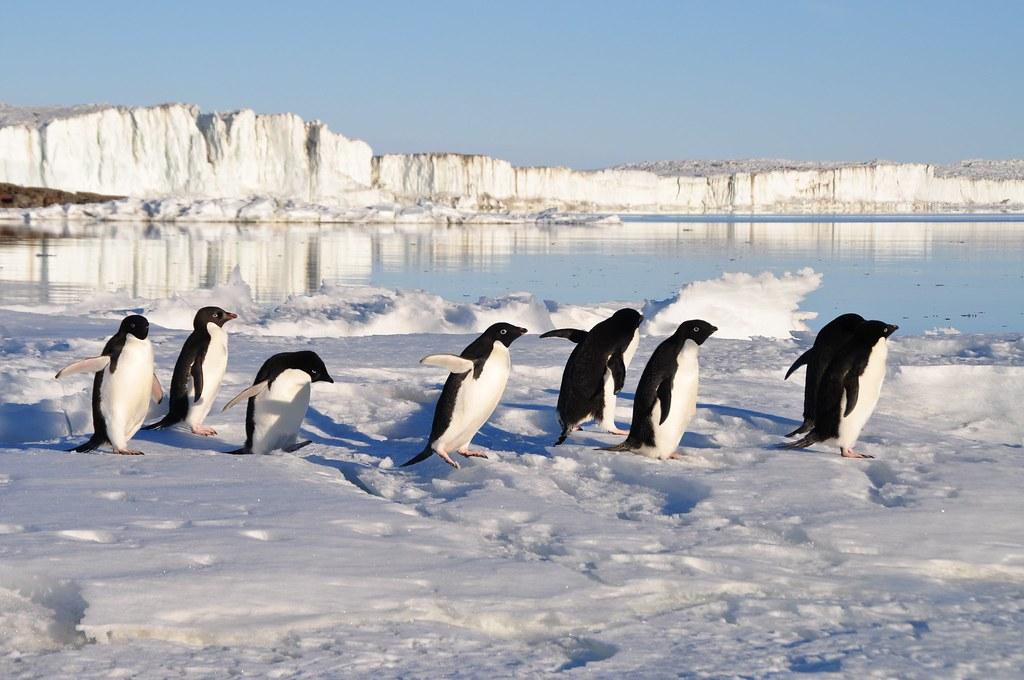
Penguin
Penguins are seabirds belonging to the family Spheniscidae, incapable of flight but possessing exceptional swimming abilities. Classified under the order Sphenisciformes, these birds are recognized by their upright body structure, webbed feet, and flipper-like wings. The contrasting black back and white belly feather patterns provide both camouflage and a distinctive appearance. Despite being flightless, they can move underwater as if they were flying. Penguins spend the majority of their lives
ENBeyzanur Bulut
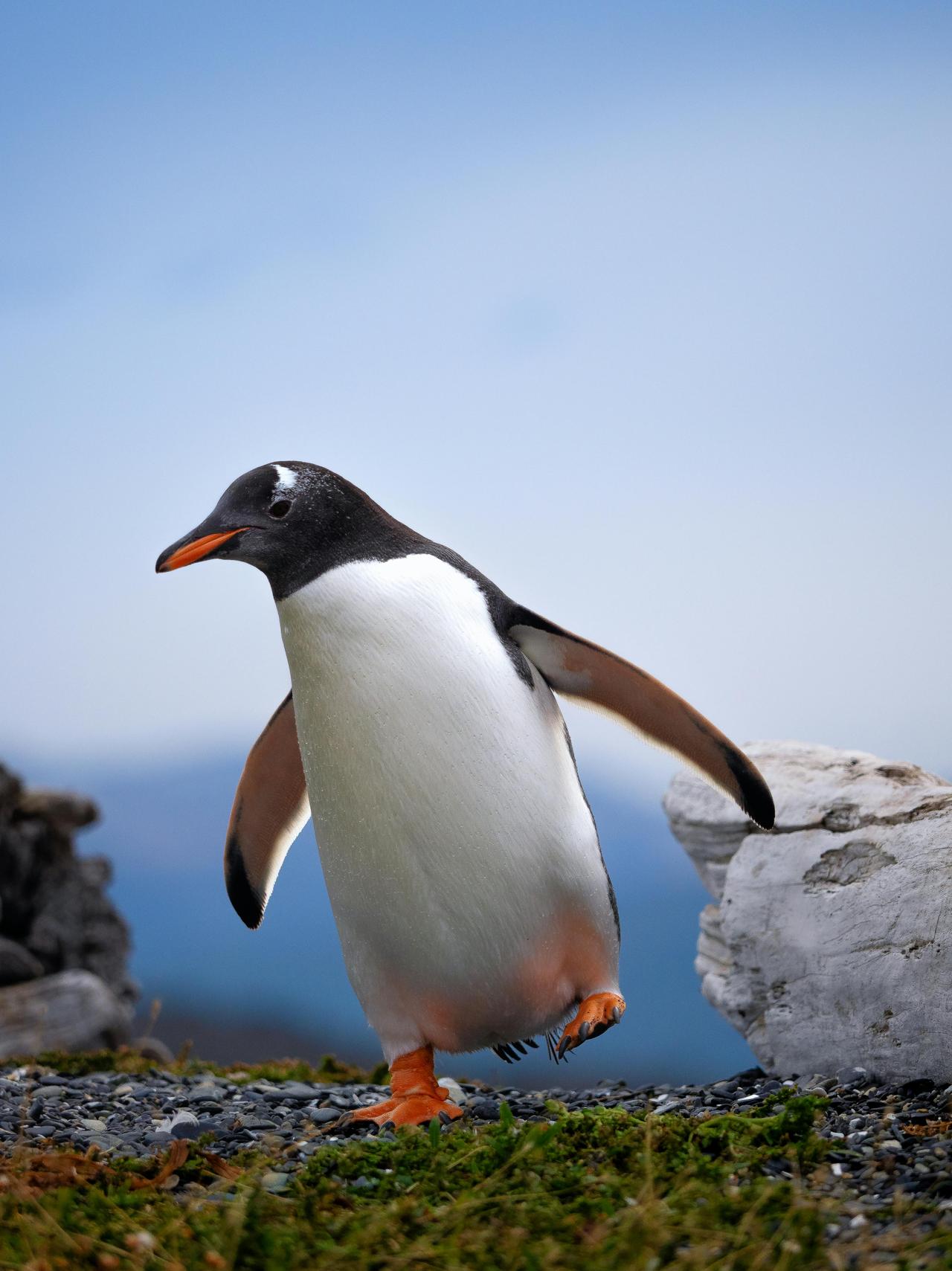
Gentoo Penguin
The Gentoo penguin (Pygoscelis papua) belongs to the penguin family. It is one of the charming and agile birds found in Antarctica and its surrounding islands. One of the most distinguishing features that set it apart from other penguin species is the bright white stripe above its head that runs from eye to eye and extends toward the back of the head. What Are Their Colors? The plumage of Gentoo penguins is very distinct. Their backs are a dark gray close to black, while their chest and belly ar
ENBuse Nur ŞEN
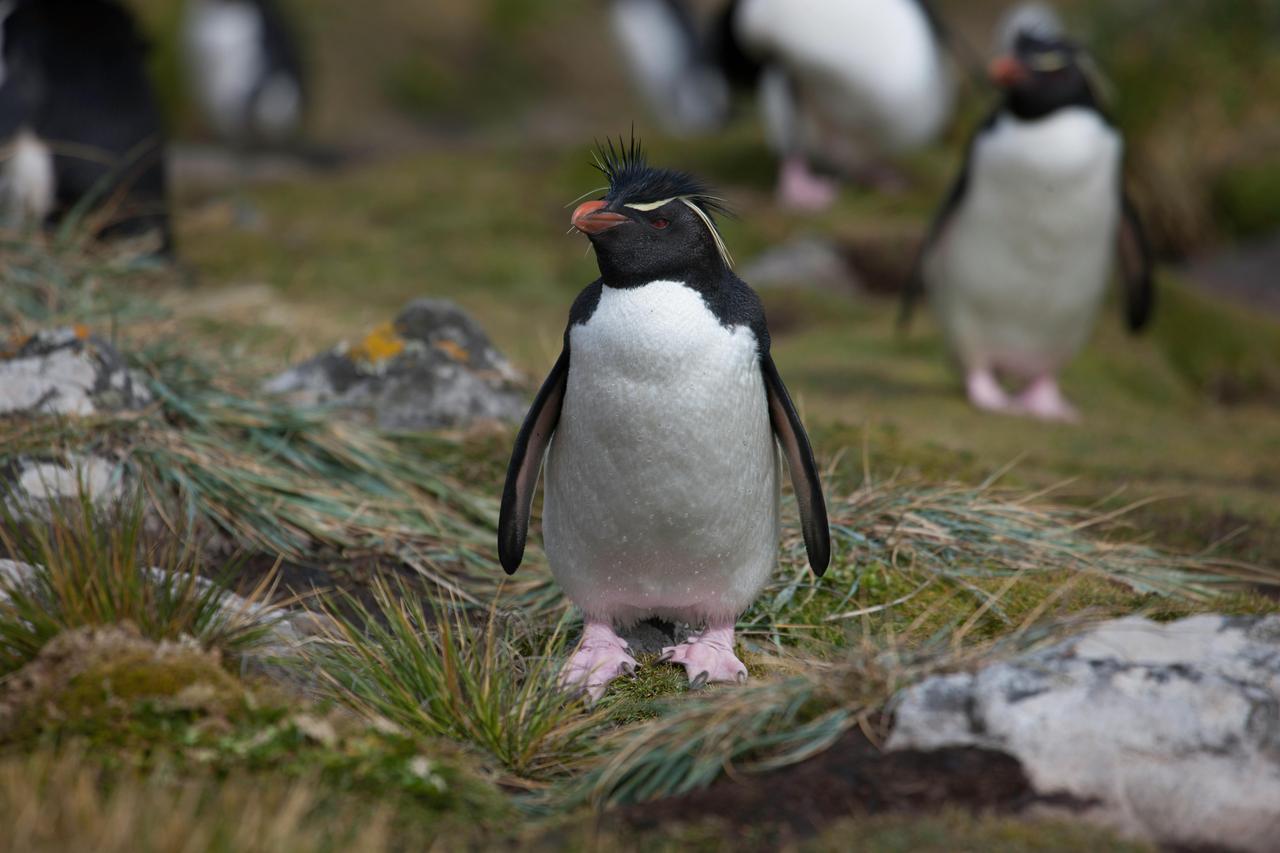
South Rock Penguin
The southern rockhopper penguin (Eudyptes chrysocome) belongs to the penguin family. These charming and agile birds live on the cold rocky coastlines of the Southern Hemisphere. They have yellow and black feathers on top of their heads, resembling a small crown! These feathers are used to impress companions and display themselves. What Are Their Colors? Their backs and heads are black while their bellies are bright white. Yellow and black feathers extend from their cheeks to behind their ears, m
ENBuse Nur ŞEN
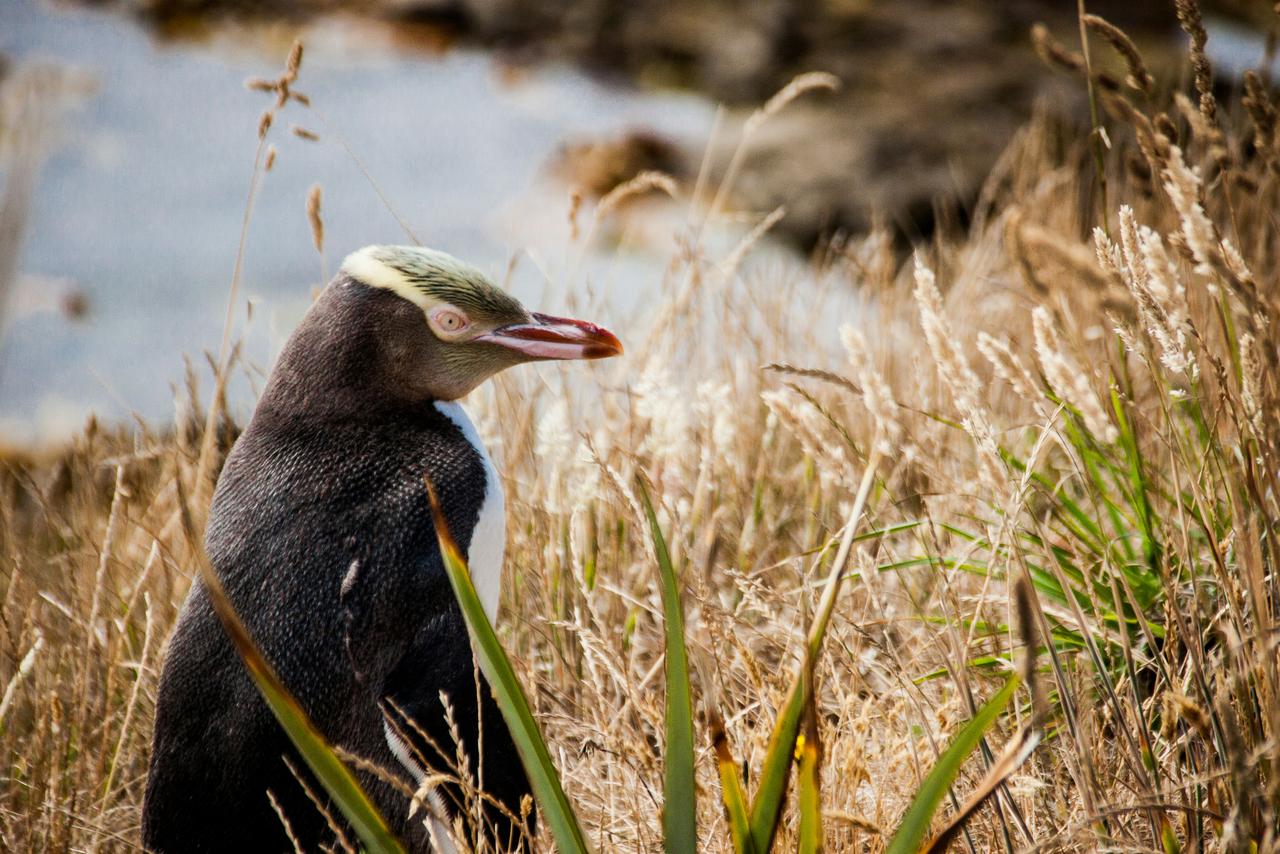
Yellow-eyed Penguin
The yellow-eyed penguin, or hoiho (Megadyptes antipodes), belongs to the penguin family. It is one of the rare and fascinating birds found along the coasts and shorelines of New Zealand. The most distinctive feature that sets it apart from other penguins is the yellow ring around its eyes—which is precisely why it is called the “yellow-eyed penguin.” What Do They Look Like? Their heads and napes are yellowish-brown, the area around their eyes is bright yellow, their backs are bluish-gray, and th
ENBuse Nur ŞEN