


This article was automatically translated from the original Turkish version.
+1 More
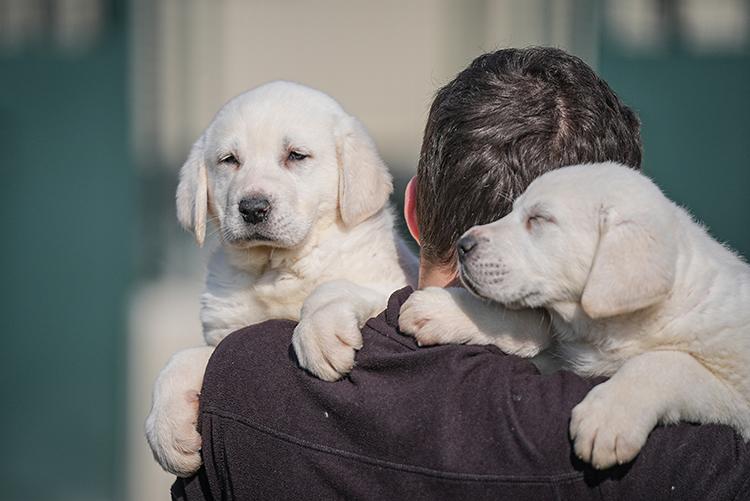
Puppy Sivas Kangal Dogs
Origin | Anatolia | ||||||||
|---|---|---|---|---|---|---|---|---|---|
Physical Characteristics | Weight: 50-65 kg (males), 40-55 kg (females) Height: 70-80 cm (males), 65-75 cm (females) Color: Light gray, yellowish brown Coat Structure: Thick, dense and double-layered Average Lifespan: 10-14 years | ||||||||
Area of Use | Herding protection Land protection Guarding | ||||||||
The Kangal dog is a shepherd breed native to the Sivas province of Türkiye, with a long history and renowned for its role as a livestock guardian dog. While various theories exist regarding its origins, dog figures resembling the Kangal have been found in Hittite-era archaeological remains in Anatolia (circa 2000–1180 BCE). Some scholars suggest that dogs known during the Ottoman Empire as "Samsun dogs," which were used by the Janissaries for military duties, were ancestors of the Kangal. Additionally, Evliya Çelebi’s Seyahatname describes dogs as strong as lions, noting that they share similar characteristics with the Kangal. Another theory holds that the Kangal was brought to Anatolia by the Kanglı (Kangar) Turkic tribes who migrated from Central Asia; it is believed that the breed’s name derives from these tribes. Today, the Kangal dog is recognized for its powerful build, protective instinct, loyalty to its owner, and ability to adapt to natural conditions.
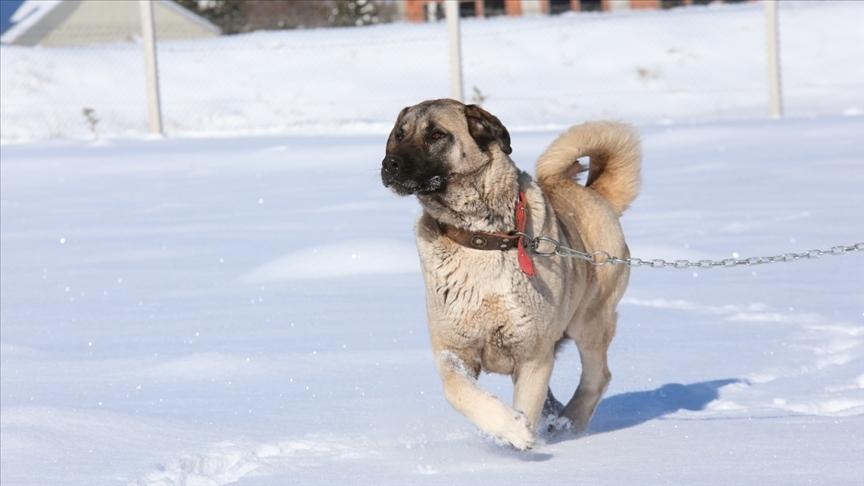
Kangal Köpeği (Anadolu Ajansı)
Several theories exist regarding the origins of the Kangal dog. Similar dog figures have been found in Hittite-era archaeological remains in Anatolia, and these are thought to be ancestors of the modern Kangal. Evliya Çelebi’s Seyahatname mentions dogs described as "as strong as lions," suggesting they may have been ancestors of the Kangal dogs. It is also recorded that a shepherd dog known during the Ottoman period as the "Samsun dog" shared similar traits with the Kangal.
Another theory regarding the origin of the Kangal dogs holds that they were brought to Anatolia by the Kanglı (Kangar) Turkic tribes who migrated from Central Asia. This view also argues that the breed’s name derives from the Kanglı tribe.
Kangal dogs have a large, powerful, and muscular build. Males stand 74–81 cm at the shoulder and weigh 50–60 kg, while females measure 71–79 cm at the shoulder and weigh 41–59 kg. Their heads are large, with a medium-length, broad muzzle. The area around the eyes, ears, and nose is marked by a black mask. Their coat is short and dense, ranging in color from light beige to grayish-yellow.
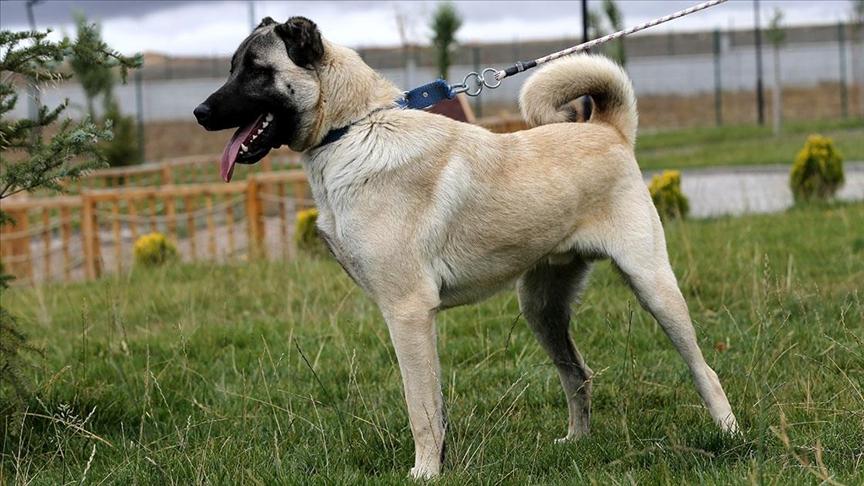
Sivas Kangalı(Anadolu Ajansı)
Kangal dogs possess an innate protective instinct and can perform livestock guarding duties independently. They are loyal and devoted to their owners and display a cautious, reserved demeanor toward strangers. Female Kangals are noted to be particularly sensitive and effective in livestock protection roles.
Male Kangals become suitable for breeding at 18 months of age, while females reach sexual maturity between 12 and 14 months. However, it is recommended that females be at least 18 months old to ensure full physical development. Females enter estrus twice a year, with a gestation period averaging 58–63 days. A typical litter consists of 6–8 puppies. During birth, the mother cleans the puppies’ membranes and severs the umbilical cords.
The diet of Kangal dogs must be tailored to their age and physiological condition. Puppies are nursed by their mother until weaning. After weaning at six weeks, puppies are introduced to commercial dog food. For adult dogs, the daily diet should consist of 33% meat, 33% grains and vegetables, and 33% water. Older dogs should be fed easily digestible, nutrient-rich foods.
Kangal dogs are robust and healthy. However, regular care is essential. Ear cleaning, eye checks, and brushing of the coat should be performed routinely. Kangal dogs are not bathed frequently; their natural oil balance must be preserved.
Due to their natural leadership and protective traits, harsh training methods should be avoided with Kangal dogs. Basic obedience and socialization training are sufficient. In roles such as livestock guarding or sentry duty, their instinctive behaviors should be encouraged and utilized.
In 2001, the Kangal dog was officially registered with the Turkish Patent Institute by the Sivas Kangal District Office, and the registration was published in the Official Gazette in 2002. To preserve the Kangal breed and prevent the dilution of its genetic traits, various research centers have been established in Türkiye with the goal of maintaining the breed’s purity.
AA. "Kangal Köpeği Kış Aylarını Daha Çok Seviyor." Anadolu Ajansı, May 10, 2025.
AA. "Sivas Kangal Köpeklerinin Genetiği Çiple Korunuyor." Anadolu Ajansı, May 10, 2025.
Atatürk Üniversitesi Veteriner Bilimleri Dergisi. "Kangal Köpeği Yavrularında Vücut Ağırlığı Değişimlerinin Tanımlanmasında Doğrusal Olmayan Büyüme Modellerinin Kullanılması." 2011.
Cumhuriyet Üniversitesi. "Kangal Köpeği." Accessed May 10, 2025.
Daşkıran, İrfan, and Mehmet Ertuğrul. "Kangal Köpeği Yetiştiriciliği ve Irk Özellikleri." Yüzüncü Yıl Üniversitesi, Ziraat Fakültesi, Zootekni Bölümü ve Ankara Üniversitesi, Ziraat Fakültesi, Zootekni Bölümü. Accessed May 10, 2025.
Kangal Kaymakamlığı. "Kangal Köpeği." Accessed May 10, 2025.
Sezgin, Sergen. “TİGEM’de Yetiştirilen Safkan Akbaş ve Kangal Yavruları İçin 6 Ay Sıra Bekleniyor.” Anadolu Ajansı, March 27, 2025. Accessed April 29, 2025.https://www.aa.com.tr/tr/gundem/tigemde-yetistirilen-safkan-akbas-ve-kangal-yavrulari-icin-6-ay-sira-bekleniyor/3488768
Sivas Valiliği. "Kangal Çoban Köpeği." Accessed May 10, 2025.
Puppy Sivas Kangal Dogs
Origin | Anatolia | ||||||||
|---|---|---|---|---|---|---|---|---|---|
Physical Characteristics | Weight: 50-65 kg (males), 40-55 kg (females) Height: 70-80 cm (males), 65-75 cm (females) Color: Light gray, yellowish brown Coat Structure: Thick, dense and double-layered Average Lifespan: 10-14 years | ||||||||
Area of Use | Herding protection Land protection Guarding | ||||||||
History
Physical Characteristics
Behavioral Characteristics
Reproduction and Pregnancy
Nutrition
Care
Training
Registration and Protection