


This article was automatically translated from the original Turkish version.
+1 More
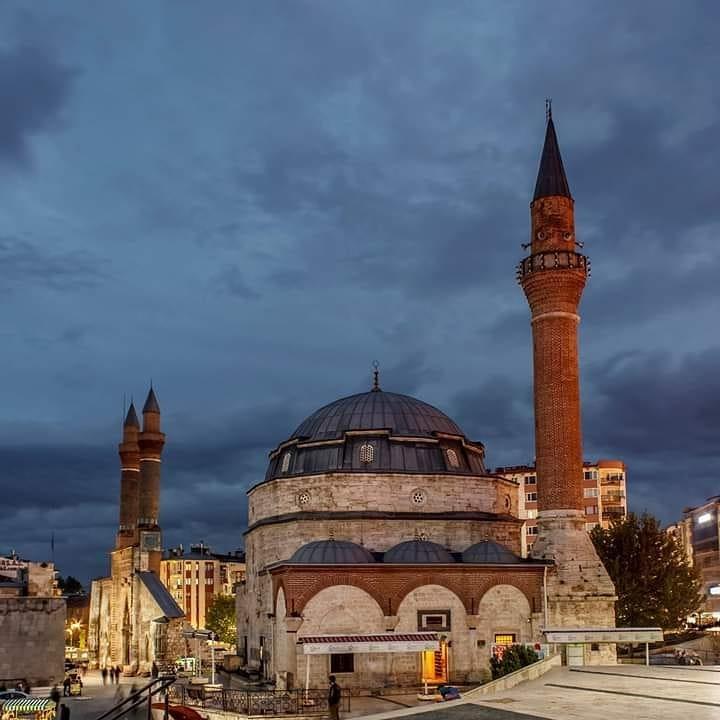
Sivas Kale Camii
Location | Historic City Square Sivas Türkiye | ||||||||
|---|---|---|---|---|---|---|---|---|---|
Construction Date(s) | 1580 | ||||||||
Patron | Sivas Beylerbeyi and Vezir Mahmud Paşa | ||||||||
Period | Ottoman Period (Reign of III. Murad) | ||||||||
Architectural Plan | Square plan with trompe transition and dome | ||||||||
Dome Features | Twelve-sided drum, sixteen-sided base, lead-covered | ||||||||
Building Material(s) | Cut stone and marble | ||||||||
Minaret | In the northwest corner, brickwork, single balcony | ||||||||
Mihrab and Minbar | Marble with muqarnas decoration | ||||||||
Prominent Features | Charity stone and missing stone | ||||||||
Restorations | Various restorations in 1989 and 2010 | ||||||||
Current Status | Currently open for worship | ||||||||
Historical Significance | One of the important examples of Ottoman mosque architecture in Sivas | ||||||||
Sivas Kale Camii is one of the representative examples of classical Ottoman architecture and is located in the city center of Sivas. Situated within the Historical City Square, the structure is notable for both its construction date and architectural features. According to the inscription on the building, the mosque was commissioned during the reign of Ottoman Sultan III Murad.
Kale Camii was built in 1580 by Mahmud Paşa, the Beylerbeyi and vizier of Sivas during the reign of III Murad. The mosque’s construction date is clearly stated on its inscription, making it one of the key sources documenting Ottoman architectural activity in Sivas. The mosque underwent restoration in 1989 and 2010.

Sivas Kale Cami (
The mosque exhibits characteristic features of Ottoman mosque architecture with a square prayer hall and a single dome. The dome rests on a twelve-sided drum with trompe transitions. Above the drum is a sixteen-sided lantern. Both the drum and the main walls of the mosque are constructed of cut stone and marble. The exterior of the dome is covered with lead.
The brick-built minaret, located in the northwestern corner, is single-balconied and adjacent to the mosque. The lower section of the minaret’s balcony is decorated with muqarnas. The mihrab and minbar of the mosque are made of marble and both feature muqarnas ornamentation. The niche within the rectangular frame of the mihrab is particularly noteworthy.
Another distinctive aspect of the building is the stones that reflect the spirit of mutual aid prevalent in the society of its time. In the mosque’s courtyard, two such stones were used: one as a “sadaka stone” and the other as a “yitik taşı” (lost property stone).
Sivas Kale Camii is a place of worship distinguished by its structural characteristics of classical Ottoman architecture, its verified construction date through the inscription, and its architectural decorative elements. It is historically and culturally significant for reflecting the social structure of its era through its features and architectural details. Today, the mosque remains open for worship and continues to exist as an integral part of Sivas’s historical fabric.
Kocaeli Sivaslılar Derneği. "Kale Camii." Accessed May 14, 2025.https://kocaelisivaslilar.org.tr/Destination/DestinationDetails/14#url
Sivas Belediyesi. "Kale Camii." sivas.bel.tr. Accessed May 14, 2025.https://www.sivas.bel.tr/cami/kale-camii
T.C. Ministry of Culture and Tourism. "Kale Camii." Kültür Portalı. Accessed May 14, 2025.https://www.kulturportali.gov.tr/turkiye/sivas/gezilecekyer/kale-cam
T.C. Sivas Cumhuriyet Üniversitesi. "Kale Camii." *Mini Sivas*. Accessed May 14, 2025.https://minisivas.cumhuriyet.edu.tr/kale-cami
Visit Sivas. "Kale Camii." visitsivas.com. Accessed May 14, 2025.https://visitsivas.com/gezini-planla/kale-cami

Sivas Kale Camii
Location | Historic City Square Sivas Türkiye | ||||||||
|---|---|---|---|---|---|---|---|---|---|
Construction Date(s) | 1580 | ||||||||
Patron | Sivas Beylerbeyi and Vezir Mahmud Paşa | ||||||||
Period | Ottoman Period (Reign of III. Murad) | ||||||||
Architectural Plan | Square plan with trompe transition and dome | ||||||||
Dome Features | Twelve-sided drum, sixteen-sided base, lead-covered | ||||||||
Building Material(s) | Cut stone and marble | ||||||||
Minaret | In the northwest corner, brickwork, single balcony | ||||||||
Mihrab and Minbar | Marble with muqarnas decoration | ||||||||
Prominent Features | Charity stone and missing stone | ||||||||
Restorations | Various restorations in 1989 and 2010 | ||||||||
Current Status | Currently open for worship | ||||||||
Historical Significance | One of the important examples of Ottoman mosque architecture in Sivas | ||||||||
History
Architectural Features