This article was automatically translated from the original Turkish version.
+2 More
Founder(s) | Muslihiddin Mustafa bin Cüneyd | ||||||||
|---|---|---|---|---|---|---|---|---|---|
Province(s) | Sakarya | ||||||||
Last Restoration | 2009 | ||||||||
Current Ownership | General Directorate of Foundations | ||||||||
Decorative Style | Empire | ||||||||
Mosque Plan | Rectangle | ||||||||
Minaret Material | Red Brick | ||||||||
Foundation Material | Stone | ||||||||
Primary Material | Wood | ||||||||
Construction Technique | Çantı (Yığma) | ||||||||
Architectural Period | Early Ottoman | ||||||||
Year of Construction | 1486 | ||||||||
District | Kaynarca | ||||||||
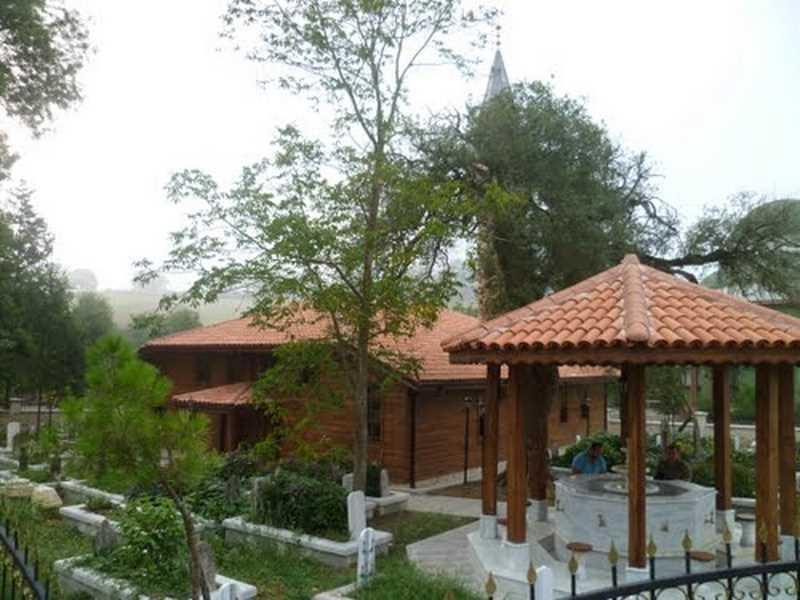
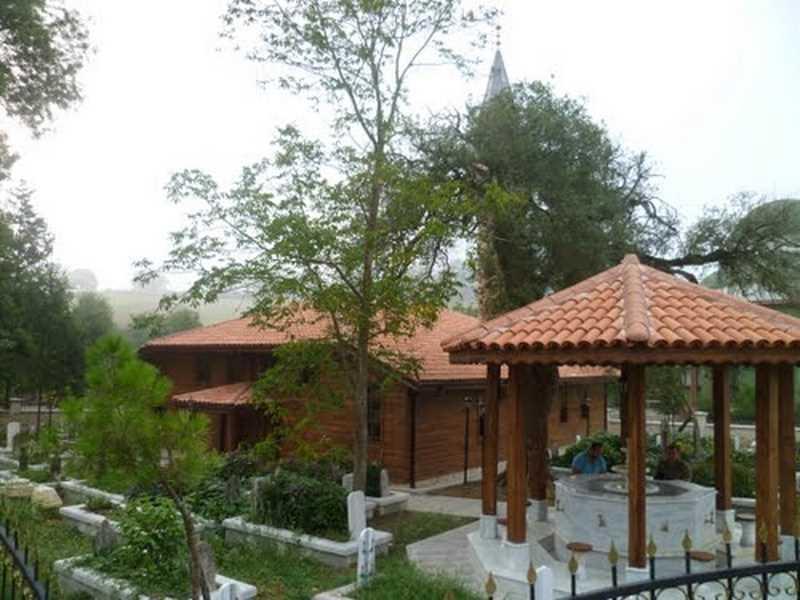
Şeyh Muslihiddin Camii is a historical place of worship located in the village of Büyükkaynarca, 3 kilometers from the Kaynarca district of Sakarya. The structure is recognized as the oldest Ottoman monument in the region and is situated within a historical cemetery (hazire) area.
According to a foundation deed dated 1486 (H. 902) in the General Directorate of Foundations Archives, the mosque was built by Muslihiddin Mustafa bin Cüneyd (Hacı Kıssahan). Some sources state that the founder was one of the architects of Fatih Sultan Mehmet and the court storyteller of Sultan Bayezid II, while other sources indicate that the building was constructed in the 14th century by Şeyh Muslihiddin of the Ahi organization or that the founder was the father of Sinanüddin Yusuf Paşa, vizier of Orhan Gazi. The fountain inscription on the structure indicates that it was repaired in 1820 by Kaymaslı Mehmed Ağa.
Şeyh Muslihiddin Camii (Kültür Portalı)
The mosque was constructed using the characteristic cantilever system (masonry technique) of Early Ottoman architecture. In this method, long wooden beams were interlocked at the corners without the use of nails to form the structure.
The main features of the building are as follows:
• Material and Plan: The foundations are made of stone, while the interior and exterior walls are entirely constructed of wood. The building has a rectangular plan.
• Interior Space: The women’s gallery is U-shaped. The spaces between the beams are filled with logs, which are then covered with regular wooden planks.
• Decoration: The structure features ornamental motifs in the Empire style and traditional wooden carvings.
• Entrance and Minaret: The mosque has two entrances, one on the front facade and one on the right side. The minaret was built using small red bricks.
The mosque, owned by the General Directorate of Foundations, was restored in 2009 and placed under protection. Today, it is used both for worship and tourism and is accessible throughout all seasons. Surrounding the building is a cemetery containing graves believed to belong to Şeyh Muslihiddin and his family.
Kültür Portalı. “Şeyh Müslihiddin Camii - Sakarya.” Accessed April 9, 2026. https://www.kulturportali.gov.tr/turkiye/sakarya/gezilecekyer/seyh-muslihiddin-camii
ODÖO (Okul Dışı Öğrenme Ortamları). "Şeyh Muslihiddin Cami." Accessed April 9, 2026.
Sakarya İl Kültür ve Turizm Müdürlüğü. "Tarihi Şeyh Muslihittin Cami." Accessed April 9, 2026.
T.C. Kaynarca Kaymakamlığı. "Şeyh Muslihiddin Camii." Accessed April 9, 2026.
https://okuldisiogrenme.eba.gov.tr/place-detail/seyh-muslihiddin-cami-55
https://sakarya.ktb.gov.tr/TR-340373/tarihi-seyh-muslihittin-cami.html
https://www.kaynarca.gov.tr/seyh-muslihiddin-camii

Founder(s) | Muslihiddin Mustafa bin Cüneyd | ||||||||
|---|---|---|---|---|---|---|---|---|---|
Province(s) | Sakarya | ||||||||
Last Restoration | 2009 | ||||||||
Current Ownership | General Directorate of Foundations | ||||||||
Decorative Style | Empire | ||||||||
Mosque Plan | Rectangle | ||||||||
Minaret Material | Red Brick | ||||||||
Foundation Material | Stone | ||||||||
Primary Material | Wood | ||||||||
Construction Technique | Çantı (Yığma) | ||||||||
Architectural Period | Early Ottoman | ||||||||
Year of Construction | 1486 | ||||||||
District | Kaynarca | ||||||||
No Discussion Added Yet
Start discussion for "Sheikh Muslihiddin Mosque" article
History and Foundation Deed
Architectural Features
Current Condition